
Navigating the Plains: A Traveler’s Guide to Reaching Oklahoma City
For many, the question “How far is it to Oklahoma City?” signifies the beginning of an adventure. Whether you’re planning a cross-country road trip, a business excursion, or a leisurely escape, understanding the distances and optimal routes to this vibrant heart of the American Southwest is crucial for a smooth and enjoyable journey. Oklahoma City, often abbreviated as OKC, is a city rich in history, culture, and burgeoning attractions, making it a worthwhile destination from virtually anywhere in the United States. This guide will delve into the practicalities of reaching OKC, considering various starting points and modes of transportation, and offering insights to help you plan your pilgrimage to the Sooner State.

By Air: The Swift Ascent to OKC
For those seeking the quickest route, air travel is undoubtedly the most efficient method for reaching Oklahoma City. The city is served by Will Rogers World Airport (OKC), a modern and accessible airport that handles a significant volume of domestic flights. Its central location within the United States makes it a convenient hub for travelers from across the nation.
Major Hubs and Flight Durations
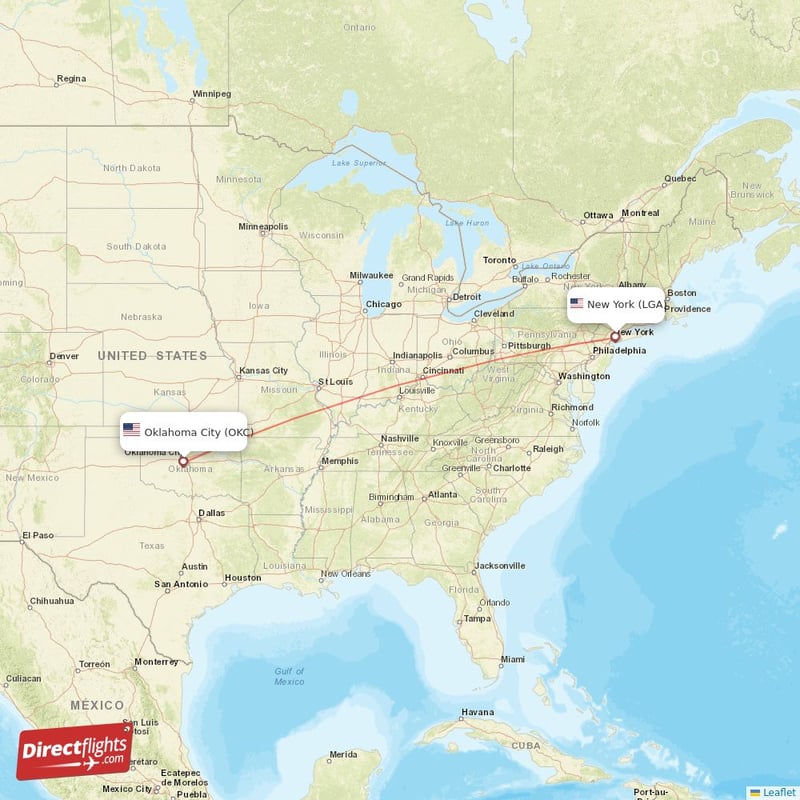
From the East Coast, cities like New York City or Atlanta typically offer direct flights to OKC, with journey times ranging from approximately 3.5 to 4.5 hours. Travelers originating from the West Coast, such as Los Angeles or San Francisco, can expect flight durations of around 3 to 4 hours, often with one stop. Mid-continental cities like Chicago or Denver provide even shorter direct flights, often under 2.5 hours.
Beyond the Flight: Getting from the Airport to Your Destination
Upon arrival at Will Rogers World Airport, a range of transportation options awaits. Rental car services are readily available, offering the flexibility to explore Oklahoma City and its surrounding areas at your own pace. Taxis and rideshare services like Uber and Lyft are also convenient for reaching hotels or attractions within the metropolitan area. For those staying in downtown Oklahoma City, the EMBARK public transit system offers bus routes, though it’s essential to check schedules and routes in advance.
By Road: The Open Prairie Awaits
The vastness of the American landscape lends itself beautifully to road travel, and reaching Oklahoma City by car offers a unique perspective on the country’s diverse geography. Its strategic location at the crossroads of major interstates makes it an accessible destination for road trippers.
Key Interstate Connections
Oklahoma City is a vital junction for several significant interstate highways. Interstate 40 (I-40) runs east-west, connecting the city to destinations like Albuquerque to the west and Memphis to the east. Interstate 35 (I-35) runs north-south, linking Oklahoma City to Wichita in Kansas to the north and Dallas in Texas to the south. These major arteries ensure relatively straightforward navigation for most travelers.
Estimated Driving Distances from Major Cities
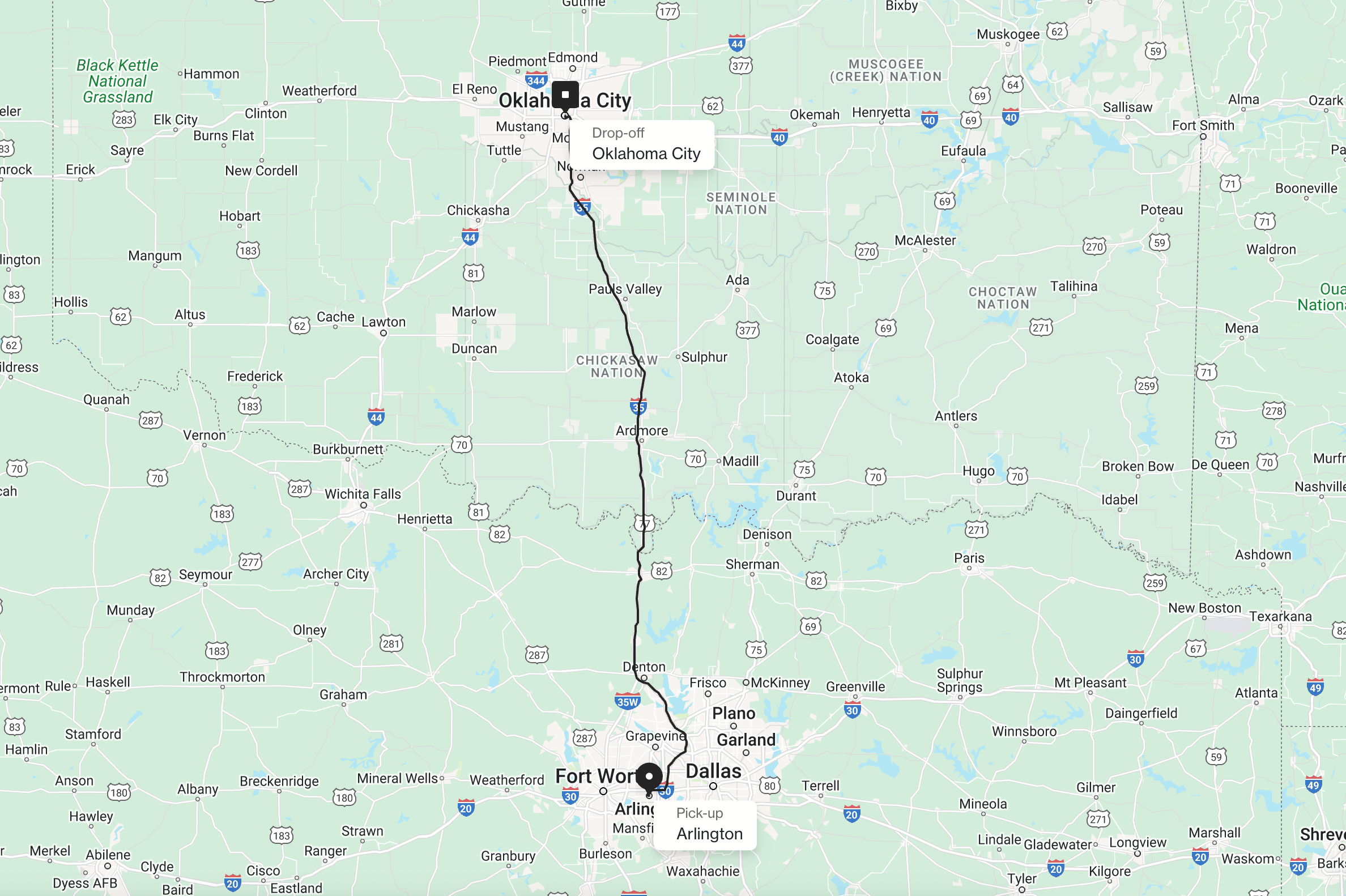
- Dallas, Texas: Approximately 200 miles (about 3.5 hours). This is a popular route for many Texans seeking a weekend getaway.
- Wichita, Kansas: Roughly 175 miles (about 2.5 hours). A relatively short drive for Kansans.
- Kansas City, Missouri: Approximately 475 miles (about 7-8 hours). A longer drive, often broken up with an overnight stay.
- Houston, Texas: Around 450 miles (about 7 hours). Another common route for those venturing from the Lone Star State.
- Denver, Colorado: Roughly 680 miles (about 10-11 hours). This is a substantial drive, typically requiring an overnight stop.
- Little Rock, Arkansas: Approximately 340 miles (about 5-6 hours). A scenic drive through varied landscapes.
- Tulsa, Oklahoma: Just under 110 miles (about 1.5 hours). A very short and common trip for Oklahomans.
Important Considerations for Road Travel:
- Traffic: While generally manageable, traffic can increase significantly around major metropolitan areas and during peak travel times.
- Weather: Be prepared for varying weather conditions, especially during spring and summer when severe weather can occur in the region. Fall and winter generally offer more stable driving conditions.
- Rest Stops and Fuel: Interstates are well-equipped with rest areas and fuel stations, but it’s always wise to keep your fuel tank at a comfortable level, especially when traveling through less populated areas.
- Navigation: Utilize GPS devices or smartphone apps for real-time traffic updates and route optimization.
Distances to Nearby Points of Interest
Beyond reaching Oklahoma City itself, understanding its proximity to other notable destinations can enhance your travel plans. This central location makes it a potential hub for exploring the wider region.
Within Oklahoma
- Tulsa, Oklahoma: As mentioned, a quick 1.5-hour drive north on I-44. Tulsa offers a distinct cultural experience with its Art Deco architecture and vibrant arts scene.
- Lawton, Oklahoma: Approximately 85 miles southwest. Home to the Museum of the Great Plains and near the Wichita Mountains Wildlife Refuge.
- Norman, Oklahoma: About 20 miles south on I-35. Home to the University of Oklahoma and the Fred Jones Jr. Museum of Art.
Neighboring States
- Wichita Falls, Texas: Roughly 150 miles south.
- Fort Worth, Texas: Approximately 180 miles south. A gateway to the Dallas-Fort Worth metroplex.
- Springfield, Missouri: About 315 miles northeast. A popular stopping point for those traveling through the Ozarks.
Planning Your Journey: Maximizing Your Arrival
The question of “how far” is intrinsically linked to “how best” to travel. For those planning a trip to Oklahoma City, a little foresight can transform a long journey into a delightful prelude to your adventure.
Choosing the Right Mode of Transport
Your choice between flying and driving will largely depend on your origin, time constraints, and personal preferences. If time is of the essence and you’re coming from a significant distance, flying into Will Rogers World Airport is the most practical option. However, if you relish the journey itself, enjoy the flexibility of stopping at your leisure, or are traveling from a relatively nearby state, a road trip offers unparalleled freedom and the opportunity to experience the changing landscapes of the American heartland.
Accommodation and Pre-Arrival Preparations
Regardless of your chosen mode of transport, booking accommodation in advance is always recommended, especially during popular event seasons or weekends. Oklahoma City offers a diverse range of lodging options, from luxurious downtown hotels like the Skirvin Hilton Oklahoma City to boutique inns and budget-friendly motels. Familiarizing yourself with local attractions such as the Oklahoma City National Memorial & Museum, the Bricktown Entertainment District, or the Myriad Botanical Gardens can help you optimize your itinerary upon arrival.
By considering these factors—distance, mode of travel, and proximity to other points of interest—you can effectively answer the question “How far is it to Oklahoma City?” and embark on a journey tailored to your travel style and desires. The welcoming spirit of the Sooner State awaits.
LifeOutOfTheBox is a participant in the Amazon Services LLC Associates Program, an affiliate advertising program designed to provide a means for sites to earn advertising fees by advertising and linking to Amazon.com. Amazon, the Amazon logo, AmazonSupply, and the AmazonSupply logo are trademarks of Amazon.com, Inc. or its affiliates. As an Amazon Associate we earn affiliate commissions from qualifying purchases.