
The drive between Jacksonville, Florida and Daytona Beach, Florida is a familiar route for many Floridians and visitors alike, traversing a scenic stretch of the Atlantic coast. Understanding the distance and travel time is crucial for planning day trips, weekend getaways, or even as part of a larger Florida itinerary. This proximity makes these two vibrant cities ideal complements for exploring the diverse experiences Northeast Florida has to offer.
Distance and Driving Time
The most direct route between Jacksonville, Florida and Daytona Beach, Florida primarily follows Interstate 95 South. This interstate highway is well-maintained and offers a straightforward journey, typically characterized by relatively light traffic outside of peak commuter hours and holiday weekends.

Calculating the Miles
The approximate driving distance between the two cities is about 95 to 100 miles, depending on the specific starting and ending points within each metropolitan area. For instance, starting from downtown Jacksonville and heading towards the heart of Daytona Beach, such as near the iconic Daytona International Speedway, you’ll be looking at the higher end of this mileage. If your destination is a beachfront hotel on the eastern edge of Daytona Beach, the distance might be slightly less.
Estimating Travel Duration
Under normal traffic conditions, the estimated driving time is typically between 1 hour and 30 minutes to 2 hours. This estimate accounts for a consistent speed of around 65-70 miles per hour on the interstate, with allowances for brief slowdowns.
Factors influencing travel time include:
- Time of Day: Commuting hours, particularly in and around Jacksonville and Daytona Beach, can significantly increase travel time due to congestion. Early mornings and late afternoons are generally the busiest periods.
- Day of the Week: Weekends, especially those coinciding with local events or holidays, can see an uptick in traffic. Fridays heading south and Sundays heading north are often the most congested.
- Road Construction: Occasional road work along Interstate 95 can cause delays. It’s always advisable to check real-time traffic updates before embarking on your journey.
- Weather Conditions: While Florida generally enjoys favorable weather, heavy rain or thunderstorms can slow down traffic considerably.
- Stops: This estimate does not include any stops for gas, food, or sightseeing. For a more relaxed journey, factor in additional time for breaks.
Alternative Routes and Scenic Options
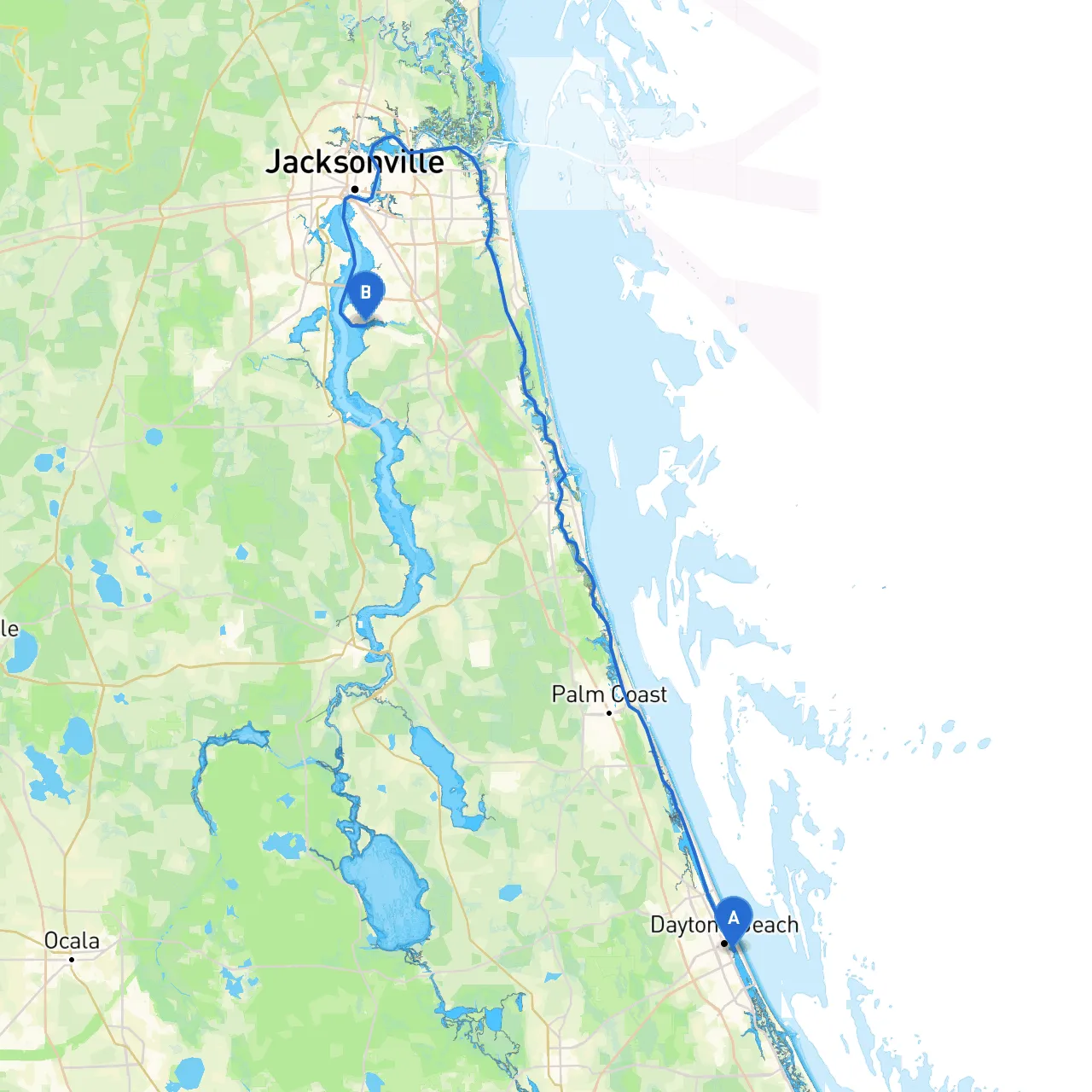
While Interstate 95 is the most direct and fastest route, there are alternative, more scenic paths for those who prefer to take their time and enjoy the journey. These routes often hug the coast, offering glimpses of charming beach towns and natural landscapes.
Coastal Highway 1A
For a more leisurely and picturesque experience, consider taking State Road 1A, also known as A1A. This highway runs parallel to the Atlantic Ocean for much of its length, passing through coastal communities like St. Augustine, Palm Coast, and Flagler Beach.
Advantages of A1A:
- Scenic Beauty: Unparalleled views of the ocean, beaches, and coastal flora.
- Charming Towns: Opportunity to stop and explore quaint shops, cafes, and local attractions in towns like St. Augustine, the nation’s oldest continuously inhabited European-established settlement, or the surf-centric vibe of Flagler Beach.
- Flexibility: Allows for spontaneous stops at state parks, public beach access points, or roadside seafood shacks.
Considerations for A1A:
- Increased Travel Time: This route is significantly slower than I-95, often doubling or even tripling the travel time due to lower speed limits, frequent intersections, and the winding nature of the road.
- Traffic in Towns: Navigating through the downtown areas of coastal towns can lead to slower speeds and potential congestion.
- Less Direct: It’s a more circuitous path, so if your primary goal is reaching Daytona Beach as quickly as possible, this is not the route to choose.
When opting for A1A, the mileage will also increase, likely pushing the total distance closer to 110-120 miles, with a travel time that can range from 2.5 to 4 hours or more, depending on the number and duration of stops.
Planning Your Trip: From Jacksonville to Daytona Beach
Whether you’re heading south for the roar of the Daytona 500 or seeking the sun-drenched shores of Daytona Beach, the journey from Jacksonville, Florida is a manageable and often enjoyable one. Understanding the distances and travel times allows for efficient planning, enabling you to maximize your time at your destination.
Pre-Trip Preparations
Before you set off, it’s wise to perform a few simple checks:
- Vehicle Maintenance: Ensure your car is in good working order, with adequate tire pressure and fluid levels.
- Navigation: Have a reliable GPS or navigation app ready. Download offline maps in case of spotty service along certain stretches of the highway.
- Snacks and Drinks: Pack some provisions to avoid frequent stops, especially if you choose the more scenic routes.
- Entertainment: Consider playlists, podcasts, or audiobooks for the drive, particularly on the interstate.
Arriving in Daytona Beach
Upon arrival in Daytona Beach, you’ll find a variety of attractions and accommodations to suit every traveler. The city is renowned for its hard-packed sand beaches, which allow driving directly onto sections of the shore, a unique Florida experience. Beyond the beaches, the Daytona International Speedway is a major draw for motorsports enthusiasts, offering tours and events year-round. The Daytona Beach Pier provides classic boardwalk entertainment, while the Lighthouse and Museum in nearby Ponce Inlet offers historical insights and panoramic views.
Connecting Through Northeast Florida
The geographical relationship between Jacksonville, Florida and Daytona Beach, Florida highlights the interconnectedness of Northeast Florida. Jacksonville, as the largest city in the state by population and land area, serves as a major hub for commerce, culture, and transportation. Daytona Beach, while smaller, possesses its own distinct identity, deeply rooted in motorsports and coastal recreation.
A Common Travel Corridor
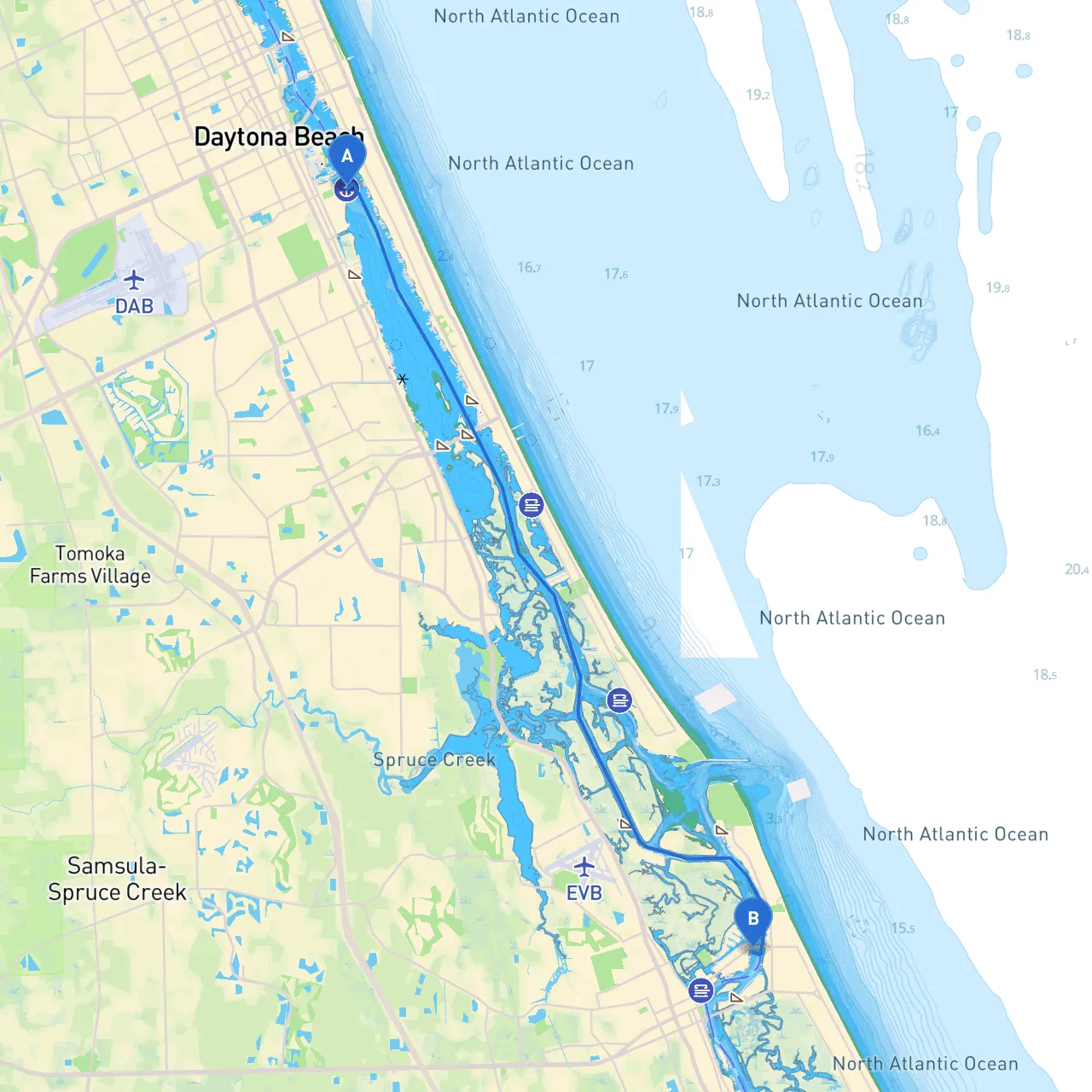
The corridor along I-95 acts as a vital artery connecting these two significant destinations. This route also passes through or near other notable locations, including St. Augustine, offering a spectrum of travel experiences. Travelers might begin their journey in the bustling urban environment of Jacksonville, explore the historic charm of St. Augustine, and culminate their trip with the high-octane excitement or beach relaxation found in Daytona Beach. This makes the region a compelling destination for road trips, allowing for a diverse itinerary within a relatively short driving distance.
Travel Tips for the Route
- Fuel Stops: Ample gas stations are available along I-95. It’s wise to refuel before leaving Jacksonville or when your tank reaches half-full, especially if venturing onto less populated sections or scenic routes.
- Rest Areas: Official rest areas are spaced along the interstate, providing clean restrooms and a place to stretch your legs.
- Dining Options: A wide array of fast-food chains and sit-down restaurants are accessible via exits off I-95. For more unique local flavors, explore the towns along A1A or the specific culinary scenes within Jacksonville and Daytona Beach.
The ease of travel between Jacksonville, Florida and Daytona Beach, Florida underscores the accessibility and appeal of exploring the diverse offerings of Northeast Florida. Whether you prefer speed and efficiency or a more leisurely, scenic exploration, the journey promises to be a pleasant prelude to the adventures that await in these distinctive coastal cities.
LifeOutOfTheBox is a participant in the Amazon Services LLC Associates Program, an affiliate advertising program designed to provide a means for sites to earn advertising fees by advertising and linking to Amazon.com. Amazon, the Amazon logo, AmazonSupply, and the AmazonSupply logo are trademarks of Amazon.com, Inc. or its affiliates. As an Amazon Associate we earn affiliate commissions from qualifying purchases.