
Embarking on a journey across the Sunshine State often involves navigating between its vibrant cities. For many travelers, understanding the logistics of getting from Jacksonville Florida, the largest city by land area in the contiguous United States, to Orlando Florida, the world-renowned theme park capital, is a primary concern. This guide delves into the distance, travel times, transportation options, and essential planning tips to ensure a seamless and enjoyable trip between these two iconic Florida destinations. Whether you’re planning a family vacation, a business trip, or simply exploring the diverse landscapes of Florida, knowing the specifics of this route is your first step towards an unforgettable experience.
Understanding the Journey: Distance and Drive Time
The question of “how far” is more than just a number; it encompasses the practicalities of travel, the time commitment, and the variables that can influence your journey.
The Direct Answer: Miles and Hours
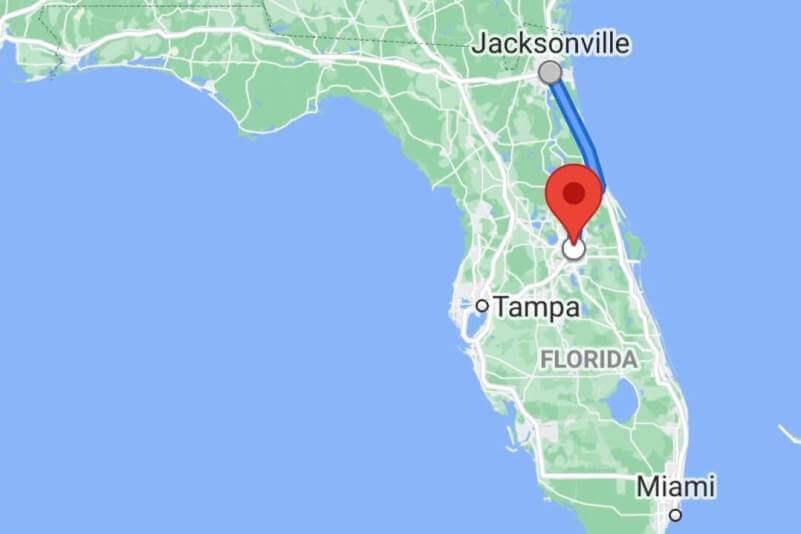
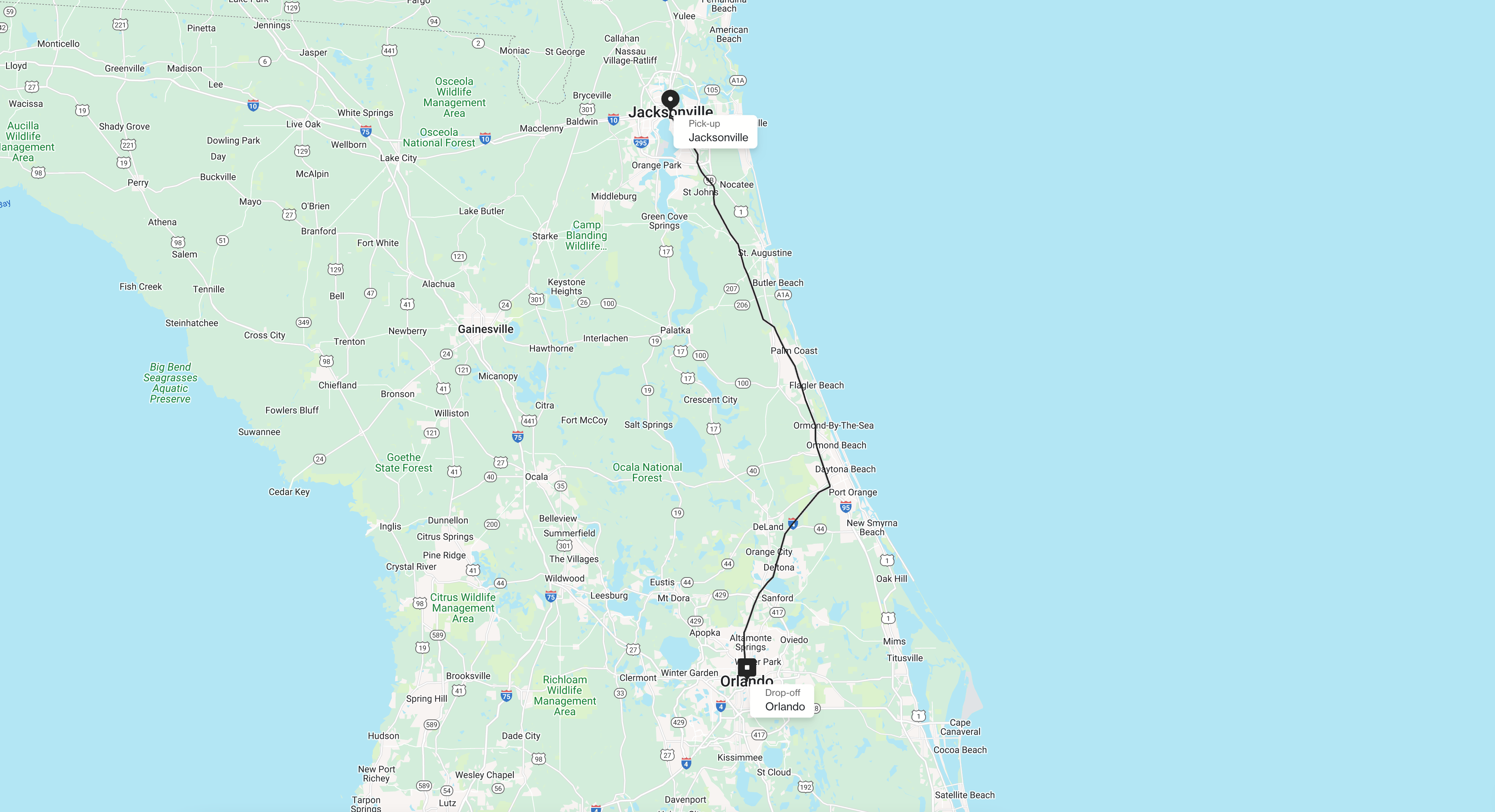
The approximate driving distance between Jacksonville Florida and Orlando Florida typically ranges from 140 to 145 miles (approximately 225 to 233 kilometers), depending on your exact starting and ending points within each metropolitan area. Under ideal driving conditions, without significant traffic delays or prolonged stops, the journey can usually be completed in about 2 to 2.5 hours. This makes it a very manageable day trip or a convenient leg of a longer Florida itinerary.
Factors Influencing Travel Time
While 2 to 2.5 hours is a good baseline, several elements can impact your actual travel time:
- Traffic Conditions: Both Jacksonville Florida and Orlando Florida are major urban centers, and rush hour traffic can significantly extend travel times. Morning commutes (roughly 7:00 AM – 9:00 AM) and evening commutes (4:00 PM – 6:00 PM) around either city, particularly on major arteries like I-95 and I-4, should be anticipated and ideally avoided if you’re on a tight schedule. Weekends, especially during peak tourist seasons, can also see increased congestion, particularly heading into Orlando.
- Road Construction: Florida is a constantly developing state, and road construction projects are common. While these are usually well-marked, they can lead to lane closures, detours, or reduced speeds.
- Weather: Florida’s weather can be unpredictable. Heavy rain, thunderstorms, or even fog, especially during the summer rainy season, can reduce visibility and necessitate slower driving speeds.
- Rest Stops and Breaks: Depending on your travel style, you might factor in stops for fuel, food, or stretching. There are numerous convenient rest stops and service plazas along the primary route.
- Destination Within Cities: The time to reach your specific hotel or attraction once you’ve entered the general metropolitan area can vary. Driving from the northern outskirts of Orlando Florida to, for instance, the Walt Disney World Resort area in the southwest can add 30-45 minutes to your journey.
Navigating the Route: Transportation Options
Choosing the right mode of transport depends on your budget, schedule, preferences for comfort, and the overall experience you seek.
Driving: The Most Popular Choice
Driving is by far the most flexible and commonly chosen method for travel between Jacksonville Florida and Orlando Florida.
- Route Specifics: The most direct and frequently used route involves taking I-95 South from Jacksonville Florida. You’ll follow I-95 South for approximately 90-100 miles until you reach the Daytona Beach area. From there, you’ll transition onto I-4 West, which will take you directly into Orlando Florida.
- Tolls: Be aware that certain routes around Orlando Florida, particularly expressways leading to the theme parks or Orlando International Airport, such as SR 417 (Central Florida GreeneWay) or SR 528 (Beachline Expressway), are toll roads. Having an E-Pass or SunPass transponder is highly recommended for convenience, though cash lanes are usually available.
- Pros: Unmatched flexibility to depart and arrive at your convenience, ability to carry more luggage, freedom to explore off-route attractions (like a quick stop in St. Augustine if time permits), and generally the fastest travel time door-to-door for groups or families.
- Cons: Fuel costs, potential for traffic stress, wear and tear on your vehicle, and the need to manage parking upon arrival. If you don’t own a car, car rental fees can add up.
Bus Services: An Economical Alternative
For travelers seeking a budget-friendly option without the hassle of driving, intercity bus services offer a viable solution.
- Providers: Companies like Greyhound and FlixBus operate regular routes between Jacksonville Florida and Orlando Florida.
- Travel Time: Bus journeys are typically longer than driving yourself, often ranging from 3 to 4.5 hours, depending on the number of stops and the specific route taken.
- Pros: Cost-effective, no need to drive or worry about parking, allows you to relax or work during the journey, generally more environmentally friendly than individual car travel.
- Cons: Less flexibility in departure times, fixed routes and stops, potentially less comfortable than private car travel, and you’ll need to arrange further transportation from the bus terminal to your final destination in Orlando.
Train Travel: A Scenic and Relaxing Option
While not as direct or frequent as driving or bus, train travel offers a unique experience.
- Provider: Amtrak operates services that connect Jacksonville Florida and Orlando Florida.
- Stations: Travelers would typically depart from the Jacksonville Station and arrive at the Orlando Station (which is technically in the downtown area, requiring onward transport to theme parks) or potentially the Kissimmee Station for closer access to the southern Orlando attractions.
- Travel Time: Train journeys usually take around 3 to 3.5 hours, not including the time spent getting to and from the stations.
- Pros: Comfortable seating, ample space, opportunities to enjoy the scenery without driving, access to dining cars, and a generally more relaxed pace of travel.
- Cons: Limited schedule options compared to driving, often higher ticket prices than bus travel, and the need for additional transportation once you arrive at the train station in Orlando.
Air Travel: Quick but Less Practical
For a relatively short distance like 140 miles, flying is generally not the most practical or efficient option.
- Logistics: While flights are available between Jacksonville International Airport (JAX) and Orlando International Airport (MCO), the total time spent traveling to/from airports, checking in, going through security, boarding, and waiting for luggage often makes the overall journey longer and significantly more expensive than driving.
- Pros: Extremely fast air time (often less than an hour).
- Cons: High cost for such a short hop, significant time overheads, and the need for ground transportation at both ends, negating much of the time saved in the air. This option is only viable if connecting to other flights or if specific circumstances make ground travel impossible.
Planning Your Trip: Key Considerations
A well-planned trip minimizes stress and maximizes enjoyment, regardless of your chosen mode of transport.
Best Time to Travel
- Seasonality: Florida’s weather is a major factor. Winter and spring (November to April) generally offer cooler, drier weather, which is ideal for travel, but can also be peak tourist season for Orlando, leading to more traffic and higher prices. Summer (June to September) brings heat, humidity, and frequent afternoon thunderstorms. It’s also hurricane season, so travelers should monitor weather forecasts closely.
- Day of the Week: Weekdays (Tuesday, Wednesday, Thursday) often have lighter traffic volumes compared to Fridays and Sundays, when many weekend travelers are on the roads.
- Time of Day: As mentioned, avoiding morning and evening rush hours in both metropolitan areas is crucial for a smoother drive. Early morning departures are often the quickest.
Budgeting Your Journey
Calculating your costs beforehand helps avoid surprises:
- Fuel Costs: Estimate based on your vehicle’s fuel efficiency and current gas prices.
- Tolls: Factor in any potential toll road charges if driving.
- Tickets: Bus or train tickets should be purchased in advance for the best rates.
- Car Rental: If renting, consider the daily rate, insurance, and fuel.
- Accommodation: Book hotels in advance, especially during peak seasons in Orlando.
Packing Essentials
Beyond your personal belongings, consider these for the road:
- Navigation: A reliable GPS system or a smartphone with navigation apps is indispensable.
- Snacks and Drinks: Essential for any road trip, especially with kids.
- Entertainment: Music, podcasts, audiobooks, or movies for passengers can make the time fly by.
- Sun Protection: Sunscreen, hats, and sunglasses are a must in sunny Florida.
Exploring Your Destinations: Orlando and Jacksonville Highlights
Understanding what each city offers can help you better plan your itinerary and appreciate the diverse appeal of Florida.
Orlando: The Theme Park Capital
Orlando Florida is world-renowned for its incredible array of theme parks and entertainment complexes. Millions flock here annually to experience the magic.
- Major Attractions:
- Walt Disney World Resort: Home to Magic Kingdom, Epcot, Hollywood Studios, and Animal Kingdom, along with water parks and countless resorts.
- Universal Orlando Resort: Features Universal Studios Florida, Islands of Adventure (including The Wizarding World of Harry Potter), and Volcano Bay water park.
- SeaWorld Orlando: Offers marine life shows, thrilling rides, and animal encounters.
- Other Attractions: Beyond the parks, Orlando Florida boasts attractions like ICON Park (with The Wheel), vibrant dining scenes along International Drive, upscale shopping outlets, and a burgeoning arts and culture scene in its downtown area.
Jacksonville: The River City by the Sea
Often overshadowed by its southern counterpart, Jacksonville Florida offers a distinct blend of urban sophistication and natural beauty, particularly centered around its stunning coastline and the majestic St. Johns River.
- Coastal Charms: The city boasts pristine stretches of sand, including Jacksonville Beach, Neptune Beach, and the affluent Ponte Vedra Beach, perfect for surfing, sunbathing, or a leisurely stroll.
- Cultural Hub: Downtown Jacksonville is experiencing a renaissance, with a growing food scene, craft breweries, and cultural institutions like the Cummer Museum of Art & Gardens. The St. Johns River offers scenic riverwalks and boat tours.
- Nature and Outdoors: Extensive park systems, including the Timucuan Ecological and Historic Preserve, provide opportunities for kayaking, hiking, and wildlife viewing.
Making the Most of Your Journey: Travel Tips
Here are some final insights to enhance your travel experience between these two Florida gems.
Stay Updated
Before you depart, always check real-time traffic conditions using apps like Google Maps or Waze, and monitor local weather forecasts. This allows you to adjust your departure time or route if necessary, avoiding unexpected delays.
Road Trip Essentials
If driving, ensure your vehicle is in good condition, with tires properly inflated and fluids checked. Pack a basic emergency kit, just in case. Planning your fuel stops in advance can also save time.
Book in Advance
For bus or train tickets, or if you plan to rent a car, booking ahead of time, especially during peak travel seasons, can secure better rates and ensure availability. This also applies to accommodations in Orlando, which can fill up quickly.

Enjoy the Ride
While the primary goal is often to reach the destination, the journey itself can be part of the adventure. Consider making a planned stop at a unique roadside attraction or a charming town slightly off the main highway, like a brief detour to explore the historic streets of St. Augustine, America’s oldest continuously inhabited European-established settlement. It adds richness to your travel story and breaks up the drive pleasantly.
Traveling between Jacksonville Florida and Orlando Florida is a straightforward affair, offering various transportation options to suit every preference and budget. With a clear understanding of the distance, potential travel times, and a bit of thoughtful planning, your journey through the heart of Florida will be as smooth and enjoyable as the destinations themselves.
LifeOutOfTheBox is a participant in the Amazon Services LLC Associates Program, an affiliate advertising program designed to provide a means for sites to earn advertising fees by advertising and linking to Amazon.com. Amazon, the Amazon logo, AmazonSupply, and the AmazonSupply logo are trademarks of Amazon.com, Inc. or its affiliates. As an Amazon Associate we earn affiliate commissions from qualifying purchases.