
Traveling between two of Florida’s most prominent cities, Jacksonville and Orlando, is a common journey for both residents and visitors exploring the diverse offerings of the Sunshine State. Whether you’re commuting for business, heading to the theme parks, or seeking a coastal escape, understanding the distance, travel time, and available transportation options is key to a smooth and enjoyable trip. This guide delves into everything you need to know about navigating the route between these two vibrant Florida destinations, highlighting practical advice and appealing attractions along the way.
The Essential Distance and Drive Time Between Jacksonville and Orlando
The direct distance between Jacksonville and Orlando is approximately 140 miles (about 225 kilometers) by road, making it a manageable journey for most travelers. While the mileage is consistent, the actual travel time can vary significantly based on several factors, primarily traffic conditions, the specific route taken, and the time of day.
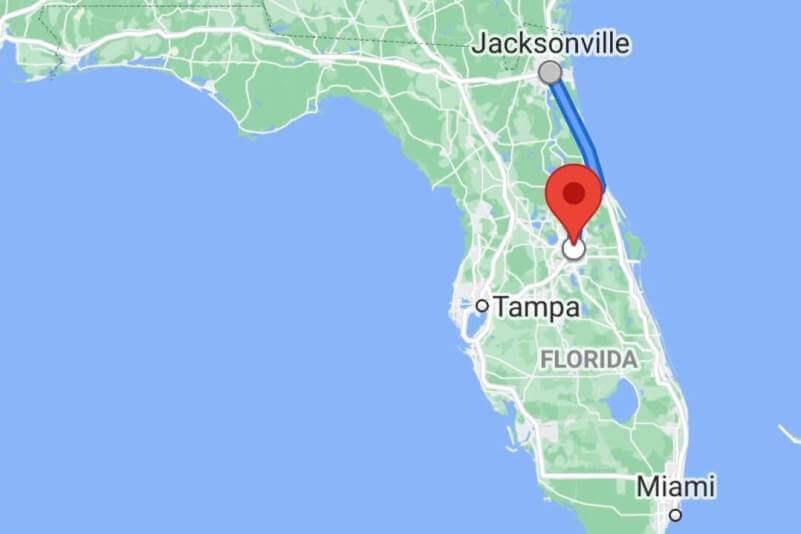
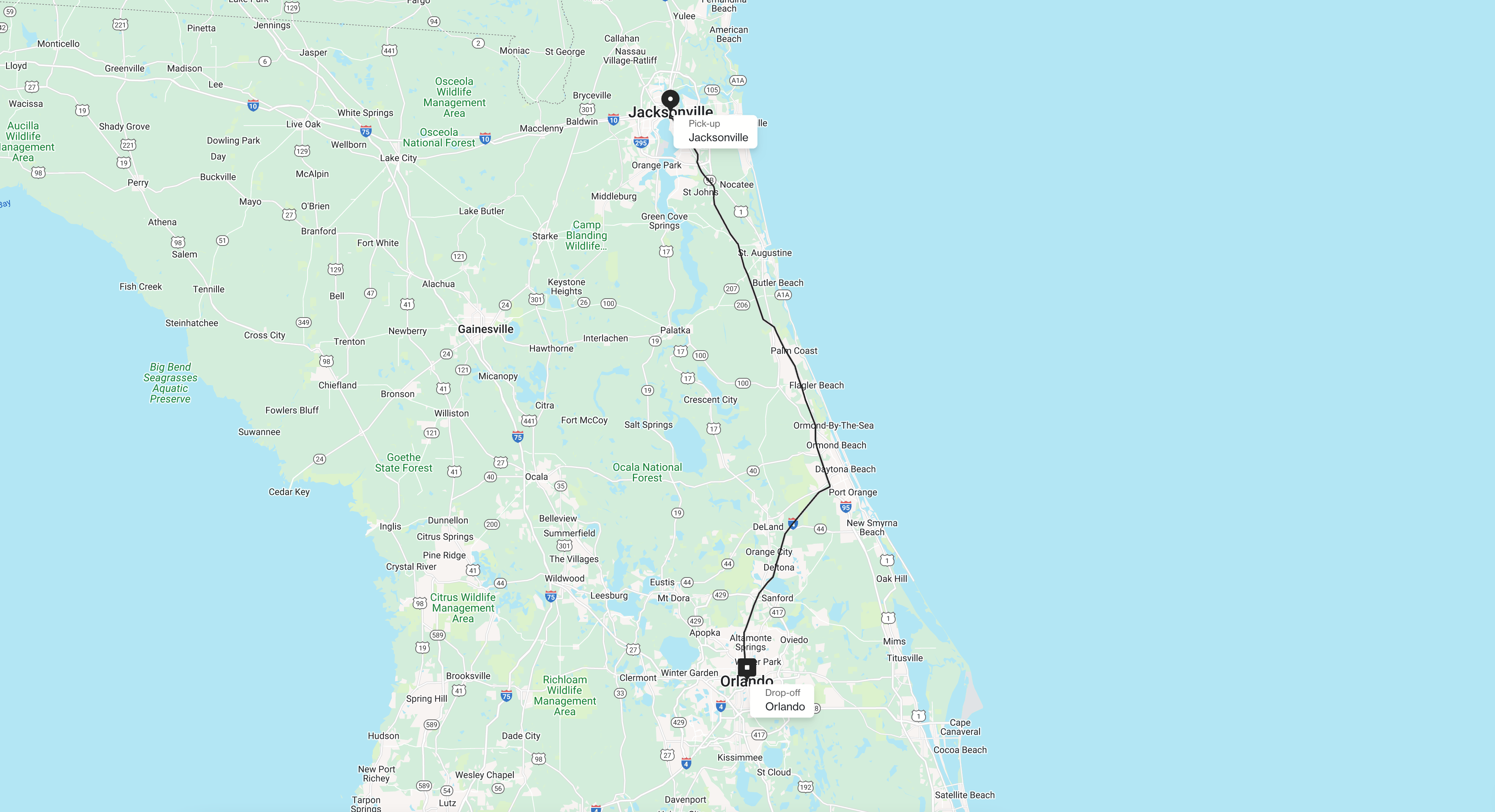
Typically, a non-stop drive from downtown Jacksonville to downtown Orlando will take roughly 2 to 2.5 hours. This estimate assumes smooth driving conditions on major interstate highways. The primary route involves taking Interstate 95 South from Jacksonville to Daytona Beach, then transitioning onto Interstate 4 West, which leads directly into Orlando.
However, it’s crucial to account for potential delays. Rush hour traffic, particularly in the metropolitan areas of Jacksonville and Orlando, and around major attractions, can extend travel times considerably. Weekends, especially during peak tourist seasons or when special events are taking place (e.g., NASCAR races in Daytona Beach or major conventions in Orlando), can also see increased traffic volumes. Always check real-time traffic updates before departing to get the most accurate travel time estimate.
Navigating the Journey: Your Transportation Options
Traveling between Jacksonville and Orlando offers a range of transportation choices, each with its own advantages in terms of cost, convenience, and travel experience.
Driving: The Most Popular Choice
Driving remains the most flexible and popular option for this route. It offers the freedom to depart at your leisure, make stops along the way, and have personal transportation once you reach your destination.
- Pros: Flexibility, door-to-door convenience, ability to carry more luggage, ideal for families or groups.
- Cons: Fuel costs, potential for traffic delays, parking fees at destinations, wear and tear on your vehicle.
- Recommended Route: The most straightforward path is taking I-95 South from Jacksonville until you reach Daytona Beach, then merging onto I-4 West directly into Orlando. This route is well-maintained and typically offers several service stops.
- Car Rental: If you don’t have your own vehicle, numerous car rental agencies operate in both cities, including major providers at Jacksonville International Airport (JAX) and Orlando International Airport (MCO), as well as downtown locations.
Bus Services: An Economical Alternative
For budget-conscious travelers or those who prefer not to drive, bus services offer a reliable and affordable option.
- Providers: Companies like Greyhound and FlixBus operate multiple daily routes between Jacksonville and Orlando.
- Travel Time: Bus journeys typically take longer than driving, averaging 3 to 4 hours, due to scheduled stops and varying routes.
- Cost: Fares are generally very economical, especially when booked in advance.
- Comfort: Modern buses often come equipped with Wi-Fi, power outlets, and reclining seats, making the journey relatively comfortable.
Train Travel: A Relaxing Experience
While not as direct or frequent as driving or bus, train travel via Amtrak can offer a more relaxed and scenic journey.
- Route: Amtrak offers service from Jacksonville’s station to Orlando’s Amtrak station, usually involving a change in Sanford or another connecting point.
- Travel Time: The total journey time can range from 3.5 to 5 hours, depending on connections and specific train schedules.
- Amenities: Trains offer spacious seating, dining cars, and the ability to move around, providing a different travel experience.
- Consideration: Train stations in both cities may not be centrally located, requiring additional local transportation to reach your final destination.
Air Travel: Quick but Less Practical for Short Distances
Given the relatively short distance between Jacksonville and Orlando, flying is generally not the most practical or cost-effective option for direct travel.
- Airports: Jacksonville International Airport (JAX) and Orlando International Airport (MCO) are the main hubs.
- Time vs. Cost: While the flight itself is short (under an hour), the time spent on airport security, check-in, boarding, and travel to and from the airports often negates any time saved compared to driving. Fares can also be significantly higher.
- Use Case: Flying might only be considered if you are connecting from a longer flight or have specific air travel points/benefits.
Ride-Sharing and Shuttles: Convenience at a Cost
Services like Uber and Lyft offer on-demand private transportation, and various private shuttle services also connect the two cities.
- Pros: Door-to-door convenience, comfort of a private vehicle.
- Cons: Can be significantly more expensive than other options, especially for a long distance, and prices fluctuate based on demand.
- Best For: Travelers prioritizing convenience and willing to pay a premium, particularly useful for those who don’t want to drive or deal with public transport.
Making the Most of Your Trip: What to See Along the Way
The journey between Jacksonville and Orlando passes through a diverse region of Florida, offering several opportunities for interesting stops and detours.
Coastal Charms and Historic Gems
- St. Augustine: A mere 40-minute drive south of Jacksonville, St. Augustine is America’s oldest continuously inhabited European-established settlement. This historic city is a must-visit, boasting attractions like the imposing Castillo de San Marcos, the bustling St. George Street with its charming shops and restaurants, and the St. Augustine Lighthouse & Maritime Museum. It’s an ideal place to stretch your legs and delve into centuries of history.
- Palm Coast: Further south on I-95, Palm Coast offers a blend of pristine beaches, lush golf courses, and natural parks. It’s a quieter alternative to the more bustling coastal cities, perfect for a peaceful break or a scenic drive along A1A.
- Daytona Beach: Famous for its iconic auto races at the Daytona International Speedway and its expansive drive-on beaches, Daytona Beach is a vibrant stop. You can visit the boardwalk, pier, or simply enjoy the sandy shores before turning west towards Orlando.
Natural Wonders and Outdoor Adventures
- Canaveral National Seashore: East of Titusville and accessible from I-95, this unspoiled barrier island offers miles of pristine, undeveloped beaches, dunes, and lagoons. It’s a sanctuary for wildlife, including sea turtles and migratory birds, offering opportunities for hiking, fishing, and birdwatching.
- Blue Spring State Park: A short detour off I-4 near Orange City, this state park is a designated manatee refuge and a popular spot for swimming, snorkeling, and tubing in its crystal-clear spring waters. During winter months, it’s one of the best places in Florida to observe manatees in their natural habitat.
- Ocala National Forest: While a slightly longer detour to the west, the Ocala National Forest provides a vast expanse of natural beauty, including hundreds of lakes, rivers, and natural springs. It’s ideal for camping, hiking, canoeing, and exploring Florida’s unique ecosystems.
Why Travel Between Jacksonville and Orlando?
The frequent flow of travelers between Jacksonville and Orlando is driven by the distinct attractions and experiences each city offers.
Jacksonville: Northern Florida’s Gateway
Jacksonville, Florida’s largest city by land area, is a dynamic urban center with a strong connection to nature. Travelers head to Jacksonville for:
- Beaches: Home to stunning stretches of coastline like Jacksonville Beach, Neptune Beach, and the upscale Ponte Vedra Beach, offering surfing, sunbathing, and fishing.
- Arts and Culture: A thriving arts scene with numerous museums like the Cummer Museum of Art & Gardens and a vibrant downtown Riverwalk.
- Sports: Home to the NFL Jacksonville Jaguars, drawing sports fans for games and events.
- Outdoors: Abundant parks, preserves, and waterways, including the Timucuan Ecological and Historic Preserve, perfect for kayaking, hiking, and wildlife viewing.

Orlando: The Theme Park Capital of the World
Orlando needs little introduction as a premier global tourist destination, primarily due to its world-renowned theme parks. Visitors flock to Orlando for:
- Walt Disney World Resort: Featuring four major theme parks—Magic Kingdom, Epcot, Hollywood Studios, and Animal Kingdom—along with water parks, resorts, and dining.
- Universal Orlando Resort: Home to Universal Studios Florida, Islands of Adventure (including The Wizarding World of Harry Potter), and Volcano Bay water park.
- Other Attractions: SeaWorld Orlando, LEGOLAND Florida Resort (a short drive away), and the Kennedy Space Center Visitor Complex (approx. an hour’s drive east).
- Shopping and Dining: A vast array of shopping centers, outlet malls, and diverse culinary experiences catering to every taste.
The journey between Jacksonville and Orlando is more than just a commute; it’s an opportunity to experience a significant cross-section of Florida’s culture, history, and natural beauty. With careful planning and consideration of your travel preferences, you can easily bridge the distance between these two exciting destinations and enjoy all that the state has to offer.
LifeOutOfTheBox is a participant in the Amazon Services LLC Associates Program, an affiliate advertising program designed to provide a means for sites to earn advertising fees by advertising and linking to Amazon.com. Amazon, the Amazon logo, AmazonSupply, and the AmazonSupply logo are trademarks of Amazon.com, Inc. or its affiliates. As an Amazon Associate we earn affiliate commissions from qualifying purchases.