
Embarking on a journey across Florida, whether for a sun-drenched escape or a crucial business trip, often involves traversing significant distances between its vibrant cities. Two of the state’s most prominent urban centers, Miami in the south and Jacksonville in the north, offer distinct experiences, from the bustling Art Deco streets to the tranquil banks of the St. Johns River. The question of “How far is Jacksonville from Miami, FL?” is more than just a matter of mileage; it’s a gateway to understanding the diverse travel opportunities, accommodation options, and regional attractions that lie between these two dynamic destinations.
This comprehensive guide will not only pinpoint the precise distance but also delve into the various modes of transport, what to expect along the way, and the unique charms that make each city a must-visit on any Florida itinerary. From luxurious resorts to budget-friendly stays, and from iconic landmarks to hidden culinary gems, prepare to uncover everything you need to plan your ideal Florida adventure.
The Journey: Distance and Travel Options Between Two Florida Jewels
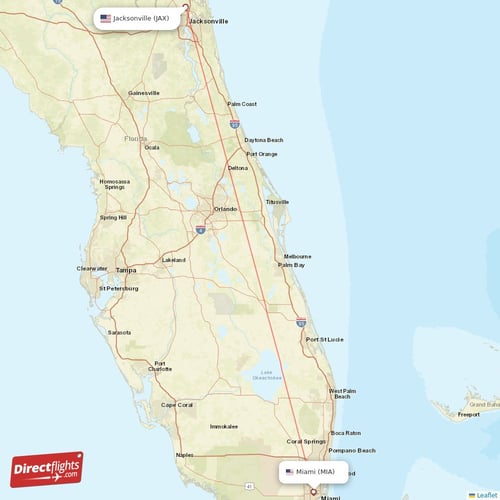
The distance between Miami and Jacksonville is substantial, making travel planning a key component of any successful trip. Roughly speaking, these two cities are separated by approximately 350 to 360 miles (560 to 580 kilometers) when measured directly via major highways. The actual travel time and experience, however, can vary significantly depending on your chosen mode of transportation and the stops you make along the way. This stretch of Florida offers a diverse landscape, from coastal views to inland agricultural areas, providing a fascinating backdrop for your journey. Understanding the different travel options will help you select the one that best suits your schedule, budget, and desired level of comfort. Each method presents its own set of advantages, whether you prioritize speed, scenic routes, or cost-effectiveness.
By Car: The Classic Florida Road Trip
Driving from Miami to Jacksonville is arguably the most popular way to make this journey, offering unparalleled flexibility and the opportunity for spontaneous detours. The primary route for this drive is Interstate 95 (I-95), which runs along Florida’s east coast. Under ideal driving conditions, without significant traffic or stops, the drive typically takes around 5 to 6 hours. However, it’s prudent to factor in potential delays, especially when passing through major metropolitan areas like Fort Lauderdale, West Palm Beach, and particularly Orlando if you opt for a slight inland deviation via Florida’s Turnpike for a faster, toll-based route.
A road trip offers the freedom to explore charming towns and natural attractions en route. Consider stopping in St. Augustine, the nation’s oldest city, for a dose of history and stunning Spanish colonial architecture. The Kennedy Space Center Visitor Complex near Cape Canaveral is another captivating diversion for space enthusiasts. For those interested in coastal beauty, the beaches of Brevard County offer serene stretches of sand perfect for a quick break. Planning for a comfortable overnight stay along the route can transform a long drive into a leisurely two-day journey, allowing for deeper exploration and relaxation. Many towns along I-95 offer a variety of accommodations, from quaint bed and breakfasts to modern hotel chains, catering to different preferences and budgets.

By Air: Quickest Route Between Two Major Hubs
For travelers prioritizing speed and convenience, flying is undeniably the fastest option. Direct flights from Miami International Airport (MIA) to Jacksonville International Airport (JAX) typically last approximately 1 hour and 15 minutes to 1 hour and 30 minutes. When factoring in travel to and from airports, security checks, and boarding times, the total door-to-door travel time will naturally be longer, often ranging from 4 to 6 hours. However, this is still significantly quicker than driving the entire distance, especially for those on a tight schedule or looking to maximize their time in either destination.
Several airlines offer regular service on this route, making it a competitive market for airfares. Booking in advance and being flexible with travel dates can often lead to more affordable tickets. This mode of travel is particularly appealing for business travelers or those connecting to international flights from MIA. While the cost per person is generally higher than driving, the time saved can be invaluable, allowing more moments to explore Miami’s South Beach nightlife or Jacksonville’s extensive park system.

By Train or Bus: Scenic and Relaxed Alternatives
For a more relaxed journey that avoids the stresses of driving or airport procedures, both train and bus services provide viable alternatives. Amtrak offers train service between Miami and Jacksonville, with the journey taking approximately 6 to 8 hours. The train offers a different perspective of Florida’s landscape, allowing passengers to sit back, enjoy the scenery, and even work or read. Amenities typically include comfortable seating, dining cars, and Wi-Fi, making it a comfortable option for longer distances. Train travel can also be particularly appealing for those looking to reduce their carbon footprint.
Bus services, such as Greyhound and FlixBus, also operate routes between the two cities. Bus journeys are generally the most budget-friendly option, with travel times often similar to or slightly longer than train travel, usually around 7 to 9 hours, depending on the number of stops. While less luxurious than a train, modern buses offer reclining seats, power outlets, and Wi-Fi, providing a comfortable and economical way to travel. Both train and bus stations are typically centrally located, making onward travel to your final accommodation relatively straightforward. These options are excellent for solo travelers, students, or anyone looking to stretch their travel budget further while enjoying the journey itself.
Discovering Miami: The Magic City’s Allure
Miami, often dubbed the “Magic City,” lives up to its name with a captivating blend of vibrant culture, stunning beaches, and a pulsating nightlife. It’s a premier travel destination drawing millions of visitors each year, known for its unique blend of Latin American influence, cutting-edge art scene, and iconic Art Deco architecture. Beyond its famous shores, Miami offers a wealth of experiences, from world-class dining to serene botanical gardens, ensuring there’s something for every type of traveler. The city’s energy is infectious, making it a fantastic starting or ending point for your Florida journey. Exploring its diverse neighborhoods reveals layers of history, creativity, and culinary excellence that define this global metropolis.
Iconic Miami Attractions and Neighborhoods
No visit to Miami is complete without experiencing the legendary South Beach. Here, the pastel-hued buildings of the Art Deco Historic District provide a stunning backdrop to the endless stretch of white sand and turquoise waters. Stroll along Ocean Drive, admire the historic architecture, and soak in the lively atmosphere. For art lovers, the Wynwood Walls in the Wynwood Arts District showcases incredible street art and murals, transforming industrial buildings into an open-air gallery.
Immerse yourself in Cuban culture in Little Havana, particularly along Calle Ocho. Here, you can enjoy authentic Cuban coffee, watch cigars being rolled, and listen to live music. Nature enthusiasts will appreciate the stunning beauty of the Fairchild Tropical Botanic Garden or a day trip to the vast Everglades National Park, where airboat rides offer thrilling encounters with Florida’s unique wildlife, including alligators. Other notable attractions include the luxurious Biscayne Bay, the upscale shopping at Brickell City Centre, and the fascinating exhibits at the Pérez Art Museum Miami (PAMM).
Where to Stay in Miami: From Luxury Resorts to Boutique Stays
Miami’s accommodation scene is as diverse as its culture, catering to every preference and budget. For those seeking opulence and an unforgettable experience, South Beach and Miami Beach boast world-renowned luxury resorts. The iconic Fontainebleau Miami Beach offers lavish amenities, multiple pools, and vibrant nightlife, embodying the quintessential Miami experience. Other high-end options include The Ritz-Carlton, South Beach and the W South Beach, both known for their impeccable service and stunning ocean views.
For travelers looking for a more intimate or boutique experience, neighborhoods like South of Fifth (SoFi) or Mid-Beach offer stylish hotels with unique charm, such as The Miami Beach Edition. In downtown Miami and Brickell, business travelers and urban explorers can find modern high-rise hotels like the JW Marriott Marquis Miami or the Kimpton EPIC Hotel, offering easy access to corporate centers, dining, and cultural venues. Budget-conscious travelers can find excellent value in areas slightly off the main tourist strips, such as Little Havana or near Miami International Airport, with plenty of comfortable and affordable hotels, hostels, and vacation rental apartments available. No matter your style or budget, Miami has an accommodation option that will make your stay memorable.
Exploring Jacksonville: The River City by the Sea
Moving north from the energetic pulse of Miami, you’ll arrive in Jacksonville, Florida’s largest city by land area. Often referred to as “The River City by the Sea,” Jacksonville offers a different, yet equally compelling, Florida experience. Known for its extensive park system, beautiful beaches, and a burgeoning arts and culinary scene, Jacksonville combines urban sophistication with natural beauty. Its location on the St. Johns River and proximity to the Atlantic Ocean provides a wealth of outdoor activities, while its diverse neighborhoods boast unique character and attractions. This city offers a refreshing contrast to Miami, appealing to those who appreciate a blend of nature, culture, and relaxed Southern charm.
Top Things to Do in Jacksonville
Jacksonville offers a wide array of activities for every interest. Nature lovers can explore the expansive Jacksonville Zoo and Gardens, home to thousands of animals and lush botanical exhibits. The city’s stunning beaches, including Jacksonville Beach, Neptune Beach, and Atlantic Beach, provide endless opportunities for swimming, surfing, and sunbathing. For a unique outdoor adventure, kayak or paddleboard along the calm waters of the St. Johns River or explore the hiking trails within the Timucuan Ecological and Historic Preserve, which protects salt marshes, coastal dunes, and historic sites like the Fort Caroline National Memorial.
Culture enthusiasts will enjoy the Cummer Museum of Art & Gardens, showcasing art from ancient times to the present alongside beautiful riverfront gardens. The Museum of Science & History (MOSH) offers interactive exhibits perfect for families. Don’t miss the vibrant arts scene in neighborhoods like Riverside and Avondale, with their eclectic shops, galleries, and diverse dining options. Downtown Jacksonville itself is undergoing a revitalization, with new waterfront developments and events at the Daily’s Place Amphitheater attracting visitors. Sports fans can catch a Jacksonville Jaguars game at TIAA Bank Field during football season.
Accommodation Choices in Jacksonville for Every Traveler
Jacksonville’s accommodation landscape mirrors its diverse attractions, offering a range of options from luxurious beachfront resorts to charming boutique hotels and family-friendly stays. For those seeking proximity to the ocean, hotels along Jacksonville Beach, Neptune Beach, and Atlantic Beach are ideal. The Ponte Vedra Inn & Club, though slightly south of the main city beaches, offers an upscale resort experience with golf courses and spa services. More centrally located, options like the Hyatt Regency Jacksonville Riverfront provide stunning views of the St. Johns River and easy access to downtown attractions.
Boutique hotels and historic inns can be found in charming neighborhoods like San Marco or Riverside, offering unique character and personalized service, often within walking distance of local shops and restaurants. For example, The Club Continental in Orange Park, a short drive from downtown, offers a historic setting on the river. Families and budget-conscious travelers will find a plethora of well-known hotel chains throughout the city, particularly around the St. Johns Town Center area, which also offers excellent shopping and dining. Additionally, vacation rentals, including apartments and homes, are widely available, providing flexibility and a home-away-from-home feel, especially for longer stays or larger groups. Jacksonville ensures that every visitor can find comfortable and convenient accommodation to enhance their Florida adventure.
Making the Most of Your Florida Adventure: Tips and Considerations
Whether you’re traveling for leisure, business, or a blend of both, planning your journey from Miami to Jacksonville – or vice versa – requires thoughtful consideration. Beyond just the distance and mode of transport, thinking about your itinerary, budget, and the best time to visit can significantly enhance your experience. This part of Florida is rich with diverse attractions, from bustling cityscapes to serene natural parks, and careful planning allows you to truly immerse yourself in the local culture and experiences. By considering these practical tips, you can transform a simple trip into an unforgettable Florida adventure, discovering hidden gems and making the most of every moment.
Planning Your Route and Stops
If you opt for a road trip, strategic planning of your route and potential stops can turn a long drive into an enjoyable part of your vacation. Consider allocating an extra day to explore points of interest along I-95 or slightly off the beaten path. For instance, a visit to St. Augustine is almost mandatory for history buffs, offering stunning colonial architecture, the historic Castillo de San Marcos, and charming cobblestone streets. Another fantastic stop is Daytona Beach, famous for its iconic speedway and wide, drivable beaches.
Even for those flying, consider extending your stay in either Miami or Jacksonville to fully appreciate their unique offerings. From Miami, day trips to the Florida Keys or the Everglades National Park are highly recommended. From Jacksonville, the tranquil beauty of Amelia Island with its historic Fernandina Beach is just a short drive north, offering a different coastal vibe. Using a reliable GPS and having a contingency plan for traffic or unexpected closures will also contribute to a smoother journey.
Budgeting for Your Trip
Travel expenses can accumulate quickly, so setting a realistic budget is crucial. For road trippers, factor in fuel costs, potential tolls (especially on Florida’s Turnpike), and any overnight accommodation if you break up the drive. Dining expenses can be managed by packing snacks and drinks, or by choosing local eateries that offer great value. For air travel, flight prices fluctuate, so booking well in advance and comparing fares across different airlines is key. Remember to include baggage fees, airport transfers, and potentially car rental costs at your destination.
Accommodation costs vary widely between Miami and Jacksonville, and also depending on the season. Miami Beach resorts can be significantly more expensive than a modest hotel in Jacksonville’s suburbs. Consider vacation rentals or apartments, which can be more cost-effective for families or longer stays. Don’t forget to budget for attractions, activities, and souvenirs. Many museums offer free admission on specific days or discounts for seniors and children. Researching local dining guides can help you discover delicious meals that won’t break the bank.
Best Time to Travel
Florida’s climate is famously warm, but there are distinct seasons that influence the best time to visit. The prime travel season is typically from late fall (November) through early spring (April). During these months, the weather is pleasantly warm with lower humidity and less rainfall, making it ideal for outdoor activities, beach visits, and exploring city attractions. This period also coincides with peak tourist season, meaning higher prices for flights and accommodations, especially in popular destinations like Miami during events like Art Basel or Spring Break.
Traveling during the shoulder seasons (May-June and September-October) can offer a good balance of pleasant weather and fewer crowds, often with more attractive prices. However, keep in mind that hurricane season officially runs from June 1st to November 30th, with the peak typically being from August to October. While direct hurricane impacts are rare, tropical storms can bring heavy rain and disrupt travel plans. Summer months (July-August) are hot and humid with frequent afternoon thunderstorms, but this is also when many families travel, and attractions might offer special summer deals. Regardless of when you choose to go, always check the weather forecast and pack accordingly to ensure a comfortable and enjoyable journey between Miami and Jacksonville.
LifeOutOfTheBox is a participant in the Amazon Services LLC Associates Program, an affiliate advertising program designed to provide a means for sites to earn advertising fees by advertising and linking to Amazon.com. Amazon, the Amazon logo, AmazonSupply, and the AmazonSupply logo are trademarks of Amazon.com, Inc. or its affiliates. As an Amazon Associate we earn affiliate commissions from qualifying purchases.