
The vastness of our planet often sparks curiosity, and when contemplating far-flung journeys, the distance between contrasting corners of the globe becomes a compelling question. For those dreaming of bridging the immense geographical divide between the tropical shores of Florida and the ancient traditions of Japan, understanding this span is the first step in planning an epic adventure. This article delves into the geographical reality of this trans-Pacific voyage, exploring the implications for travel, time, and cultural immersion.
The Great Pacific Divide
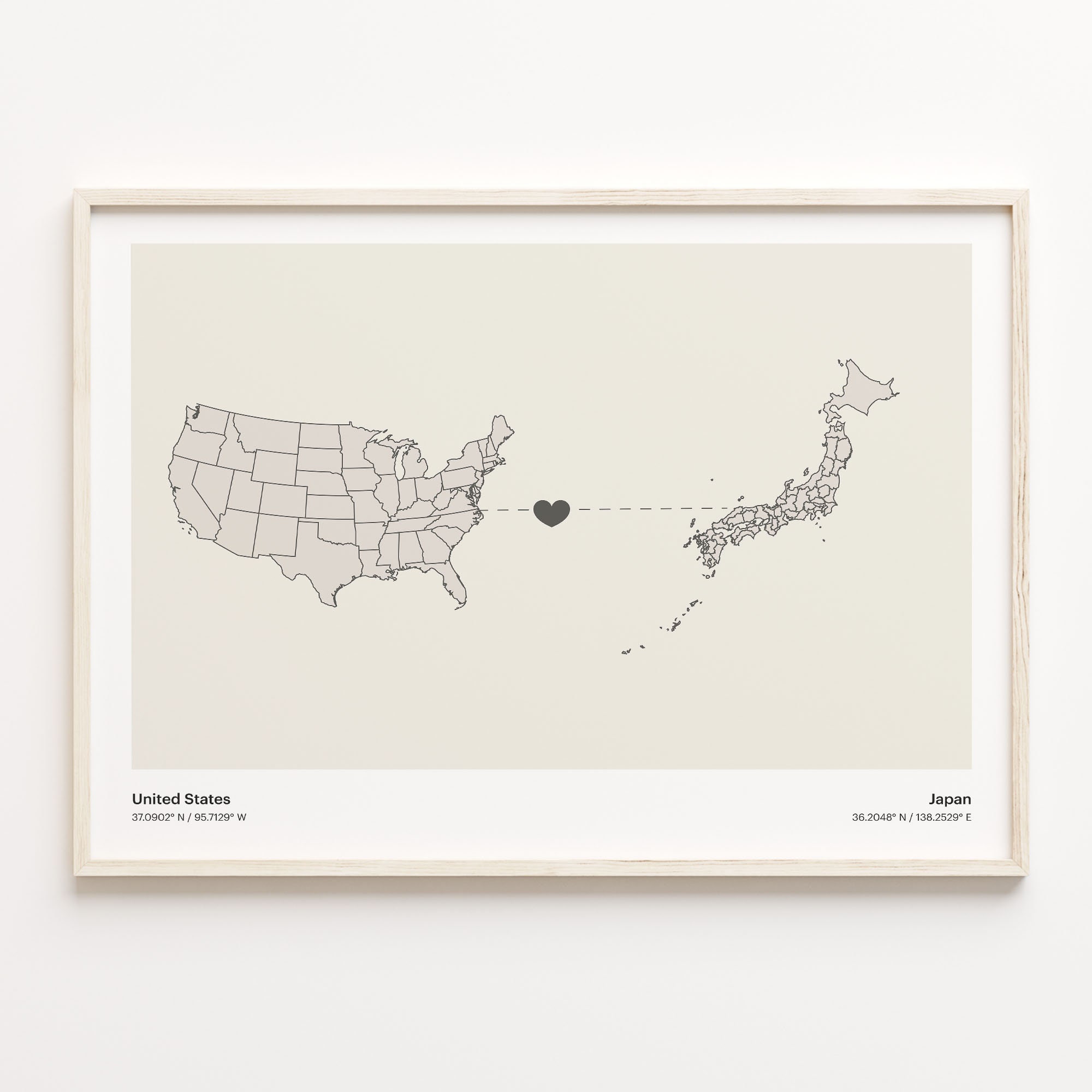
The direct, great-circle distance between the easternmost point of Florida (such as Cape Canaveral) and the westernmost point of mainland Japan (like the island of Kyushu) is approximately 7,000 to 7,500 miles (11,200 to 12,000 kilometers). This immense distance is not merely a number; it represents a significant journey across continents and, most notably, the vast expanse of the Pacific Ocean.

Navigating the Pacific
The primary mode of covering such a distance for most travelers is by air. Flight paths are designed to be as efficient as possible, often involving layovers in major international hubs.
Typical Flight Routes and Durations
Direct flights between major gateways in Florida (like Miami International Airport or Orlando International Airport) and major Japanese cities (such as Tokyo Narita International Airport or Osaka Kansai International Airport) are rare and extremely long. More commonly, travelers will experience at least one stopover, typically in cities on the West Coast of the United States, such as Los Angeles International Airport or San Francisco International Airport, or in a major Asian hub like Seoul Incheon International Airport.
The total travel time, including layovers, can range from 20 hours to well over 30 hours. This makes the journey a significant undertaking, requiring careful planning and consideration for comfort and well-being.
Factors Influencing Travel Time
Several factors can influence the actual travel time:
- Flight Path Optimization: Airlines continuously adjust flight paths based on wind patterns, air traffic, and operational efficiency.
- Layover Duration: The length of time spent at connecting airports is a major determinant of overall travel time.
- Aircraft Type: Modern long-haul aircraft are designed for efficiency, but slight variations in speed can still impact arrival times.
- Weather Conditions: Unexpected weather events at departure, arrival, or transit points can lead to delays.
The Temporal Shift: Time Zones and Jet Lag
Crossing such a vast geographical distance also means crossing numerous time zones, leading to a significant temporal shift. Florida observes Eastern Standard Time (EST) or Eastern Daylight Time (EDT), while Japan operates on Japan Standard Time (JST). The difference is substantial, with Japan typically being 13 hours ahead of Florida.
Understanding the Time Difference
When it is noon on a Monday in Florida, it is already 1:00 AM on a Tuesday in Japan. This nearly half-day difference requires careful scheduling, especially for business travelers or those with immediate commitments upon arrival.
Mitigating Jet Lag
The drastic time difference often results in jet lag, a common affliction for long-haul travelers. Symptoms can include fatigue, insomnia, digestive issues, and a general feeling of disorientation. To mitigate jet lag when traveling from Florida to Japan:
- Adjust Sleep Schedule: Begin adjusting your sleep schedule a few days before departure, gradually shifting your bedtime and wake-up time closer to the destination’s time.
- Stay Hydrated: Drink plenty of water during the flight and upon arrival. Avoid excessive caffeine and alcohol, which can dehydrate you and disrupt sleep patterns.
- Embrace Daylight: Upon arrival, expose yourself to natural daylight as much as possible to help reset your body’s internal clock.
- Light Meals: Opt for light, easily digestible meals, especially during the initial days in Japan.
- Gentle Exercise: Light physical activity can help combat fatigue and improve sleep quality.

Experiencing the Journey
The journey from Florida to Japan is more than just a physical movement; it’s an immersion into diverse cultures and landscapes. While the travel itself is extensive, the anticipation and the eventual arrival in a land of profound contrast offer a unique travel experience.
Preparing for a Trans-Pacific Adventure
The preparation for such a journey involves more than just booking flights and packing. It requires a comprehensive understanding of the logistical and cultural nuances.
Visa and Travel Documentation
Depending on your nationality, you may need a visa to enter Japan. U.S. citizens, for example, can typically visit Japan for up to 90 days for tourism without a visa. However, it is always crucial to verify the latest entry requirements with the Embassy of Japan in your country well in advance of your travel dates. Ensure your passport is valid for at least six months beyond your intended stay.
Currency and Communication
The currency in Japan is the Japanese Yen (JPY). While credit cards are becoming more widely accepted, especially in major cities and tourist areas, carrying some cash is advisable for smaller establishments, rural areas, and local markets. Obtaining a local SIM card or an eSIM upon arrival can facilitate communication and internet access, making navigation and information gathering much easier. Many airports offer rental Wi-Fi devices as well.
Cultural Etiquette
Japan boasts a rich and distinct culture with unique social customs. Familiarizing yourself with basic etiquette can greatly enhance your experience and demonstrate respect. This includes understanding customs related to bowing, removing shoes indoors, table manners, and public transportation. Learning a few basic Japanese phrases, such as “Konnichiwa” (Hello) and “Arigato gozaimasu” (Thank you very much), will be greatly appreciated.
What Awaits in Japan
Upon completing the long journey from Florida, travelers are greeted by a nation that masterfully blends ancient traditions with cutting-edge modernity. The cultural tapestry of Japan offers an unparalleled experience for any adventurer.
Iconic Landmarks and Natural Wonders
From the bustling metropolis of Tokyo with its vibrant districts like Shibuya and serene imperial palaces, to the historic city of Kyoto with its thousands of vermillion gates at Fushimi Inari Shrine and tranquil bamboo forests in Arashiyama, Japan offers an abundance of iconic sights. The majestic Mount Fuji, a UNESCO World Heritage site, provides breathtaking views and opportunities for hiking. Nature enthusiasts can also explore the serene beauty of Hokkaido‘s national parks or the subtropical islands of Okinawa.
Culinary Delights
Japanese cuisine is renowned globally for its delicate flavors, fresh ingredients, and artistic presentation. From savoring authentic sushi and sashimi in Tokyo’s famed Tsukiji Outer Market to indulging in hearty ramen bowls in Fukuoka, the culinary journey is as diverse as the country itself. Experiencing a traditional multi-course kaiseki meal in Kyoto or trying street food like takoyaki in Osaka are essential gastronomic adventures.
Immersive Cultural Experiences
Beyond the tangible sights and tastes, Japan offers deeply immersive cultural experiences. Participating in a traditional tea ceremony, staying in a ryokan (traditional inn) with its tatami mats and onsen (hot springs), or witnessing the vibrant festivals (matsuri) that dot the calendar provide profound insights into the nation’s soul. Exploring the ancient temples and shrines, understanding the art of ikebana (flower arranging), or attending a sumo wrestling match are all pathways to deeper cultural appreciation.
The journey from Florida to Japan is a testament to the incredible scope of our world. While the distance is significant, the rewards of experiencing the rich culture, breathtaking landscapes, and unique traditions of Japan make this trans-Pacific voyage an unforgettable pursuit for any intrepid traveler.
LifeOutOfTheBox is a participant in the Amazon Services LLC Associates Program, an affiliate advertising program designed to provide a means for sites to earn advertising fees by advertising and linking to Amazon.com. Amazon, the Amazon logo, AmazonSupply, and the AmazonSupply logo are trademarks of Amazon.com, Inc. or its affiliates. As an Amazon Associate we earn affiliate commissions from qualifying purchases.