
The vast expanse of the Pacific Ocean serves as the majestic bridge between two of the world’s most iconic island destinations: Japan and Hawaii. While they are separated by thousands of miles of deep blue water, the connection between these two locations is profound, rooted in history, culture, and a shared love for the sea. For travelers, understanding the distance and the logistics of traversing this space is the first step in planning a transpacific adventure that combines the neon-lit streets of Tokyo with the volcanic shores of Honolulu.
Understanding the Geography: Miles, Hours, and Time Zones
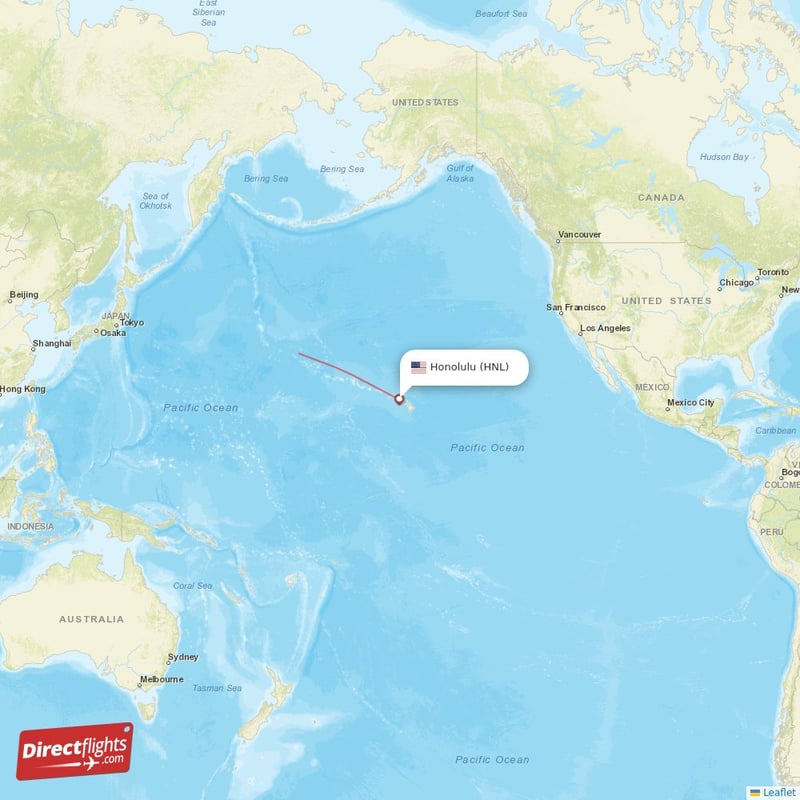
When asking how far Japan is from Hawaii, the answer depends on whether you are measuring by linear distance or flight duration. Geographically, the distance between Tokyo and Honolulu is approximately 3,850 miles (6,195 kilometers). To put this into perspective, it is a journey that spans nearly half of the Pacific Ocean, crossing the International Date Line.

Flight Durations and Routes
For most travelers, the journey begins at major hubs like Narita International Airport or Haneda Airport in Japan. A direct flight from Tokyo to Daniel K. Inouye International Airport typically takes between 7 and 9 hours. The variation in time is often due to the prevailing jet streams. When flying eastward toward Hawaii, tailwinds often shorten the flight to around 7.5 hours. Conversely, the return journey westward to Japan against the wind can take closer to 8.5 or 9 hours.
Several world-class carriers service this route, offering a glimpse into the hospitality of both regions. All Nippon Airways and Japan Airlines are renowned for their “Omotenashi” (Japanese hospitality), while Hawaiian Airlines brings the “Aloha Spirit” to the skies. For those looking for budget-friendly options, Zipair has recently become a popular choice for travelers making this specific crossing.
The International Date Line Factor
One of the most fascinating aspects of traveling between Japan and Hawaii is the time difference. Japan is 19 hours ahead of Hawaii. When you fly from Tokyo to Honolulu, you effectively travel back in time. It is entirely possible to depart from Japan on a Friday evening and arrive in Hawaii on Friday morning of the same day. This quirk of geography allows travelers to “gain” a day, which is perfect for maximizing vacation time upon arrival.
Bridging the Distance: A Shared Cultural Identity
Despite the thousands of miles of ocean, Japan and Hawaii feel remarkably close in spirit. This is largely due to the historical migration of Japanese laborers to the Hawaiian Islands in the late 19th and early 20th centuries. Today, the influence of Japan is woven into the very fabric of Hawaii, from the local language and customs to the culinary landscape.
Culinary Connections
You cannot walk through Honolulu without seeing the Japanese influence on the local food scene. The beloved Musubi, a snack consisting of grilled Spam and rice wrapped in nori, is a direct evolution of Japanese Onigiri. Travelers can visit the Iolani Palace and then stop for world-class Ramen or Tonkatsu just blocks away. Even the popular Shave Ice found on the North Shore of Oahu has its origins in Kakigori brought over by Japanese immigrants.
Spiritual and Architectural Ties
The cultural bridge is also visible in landmarks like the Byodo-In Temple in the Valley of the Temples on Oahu. This stunning replica of a 900-year-old Buddhist temple in Uji, Japan, serves as a symbol of the enduring connection between the two regions. Similarly, many residents of Hawaii travel to Japan to visit ancestral homes in prefectures like Hiroshima, Okinawa, and Kumamoto.
Exploring the Gateway Cities: Tokyo and Honolulu
For many, the journey between Japan and Hawaii is a tale of two cities: the futuristic, bustling metropolis of Tokyo and the laid-back, tropical paradise of Honolulu.

The Urban Energy of Tokyo
Tokyo is a city of contrasts. Travelers can start their day in Shibuya, witnessing the organized chaos of the Shibuya Crossing, before seeking peace at the Meiji Jingu Shrine. The city’s infrastructure is a marvel of human engineering, with the Tokyo Skytree offering panoramic views that stretch all the way to Mount Fuji on a clear day. For those interested in fashion and high-end shopping, the Ginza district provides an unparalleled experience, rivaling the luxury found on Kalakaua Avenue in Waikiki.
The Coastal Charm of Honolulu
On the other side of the Pacific Ocean, Honolulu offers a different kind of intensity—one fueled by the sun and surf. Waikiki Beach is the heart of the action, where the silhouette of Diamond Head creates a dramatic backdrop for surfers and sunbathers alike. Beyond the beach, history buffs can pay their respects at Pearl Harbor and the USS Arizona Memorial. The city’s blend of American convenience and Polynesian heritage makes it a unique destination that feels both familiar and exotic to Japanese and Western travelers alike.
Planning the Ultimate Transpacific Itinerary
Combining a trip to Japan and Hawaii into one itinerary is a bucket-list experience for many. While it requires careful planning, the rewards are immense. You can transition from the serene Zen gardens of Kyoto to the rugged, lava-scarred landscapes of the Big Island in less than a day.
Regional Highlights in Japan
If your journey begins in Japan, exploring beyond Tokyo is essential. Kyoto remains the cultural heart of the country, home to the golden pavilion of Kinkaku-ji and the thousands of red torii gates at Fushimi Inari Shrine. For food lovers, Osaka is a must-visit destination. Known as “Japan’s Kitchen,” the Dotonbori district offers an endless array of street food, from Takoyaki to Okonomiyaki. If you travel during the spring, the cherry blossoms in Ueno Park or along the Philosopher’s Path provide a magical setting that is world-famous.
Island Hopping in Hawaii
Once you arrive in Hawaii, the adventure continues across the various islands. While Oahu offers the most in terms of nightlife and shopping, the outer islands provide a more natural escape. Maui is beloved for its luxury resorts in Wailea and the breathtaking sunrise at Haleakala National Park. Kauai, known as the “Garden Isle,” features the dramatic cliffs of the Na Pali Coast and the deep canyons of Waimea Canyon State Park. Finally, the Big Island offers the chance to see active volcanism at Hawaii Volcanoes National Park and the snow-capped peaks of Mauna Kea.
Travel Logistics and Practical Tips
Traveling across the Pacific Ocean requires some logistical foresight. For citizens of most countries, traveling to Japan and the United States (which includes Hawaii) requires a valid passport and, in many cases, an electronic travel authorization like the ESTA for the USA.
Best Times to Travel
Choosing the right time to visit both locations can be a balancing act. Japan is at its most beautiful during the cherry blossom season in late March to early April and during the autumn foliage in November. Hawaii, on the other hand, is a year-round destination, though the winter months (December through February) see higher rainfall and larger surf on the North Shore. A “sweet spot” for a combined trip is often in May, after the busy Golden Week holiday in Japan has ended, but before the summer heat and humidity peak in both regions.
Language and Currency
While English is the primary language in Hawaii, the presence of Japanese signage and Japanese-speaking staff in tourist areas like Waikiki is common. In Japan, while English is widely taught, it is helpful to learn basic Japanese phrases or use translation apps, especially when traveling outside major cities like Osaka or Nagoya. Currency-wise, you will need Japanese Yen for your time in Japan and U.S. Dollars for Hawaii. Credit cards are widely accepted in both, though Japan still maintains a culture where cash is preferred at smaller shops and shrines.
The distance from Japan to Hawaii may be nearly 4,000 miles, but the journey is one of the most rewarding in the world of travel. Whether you are chasing the historical echoes of Nara or the rhythmic waves of Hanalei Bay, the connection between these two Pacific Ocean gems remains unbreakable, offering a travel experience that spans cultures, eras, and horizons.
LifeOutOfTheBox is a participant in the Amazon Services LLC Associates Program, an affiliate advertising program designed to provide a means for sites to earn advertising fees by advertising and linking to Amazon.com. Amazon, the Amazon logo, AmazonSupply, and the AmazonSupply logo are trademarks of Amazon.com, Inc. or its affiliates. As an Amazon Associate we earn affiliate commissions from qualifying purchases.