
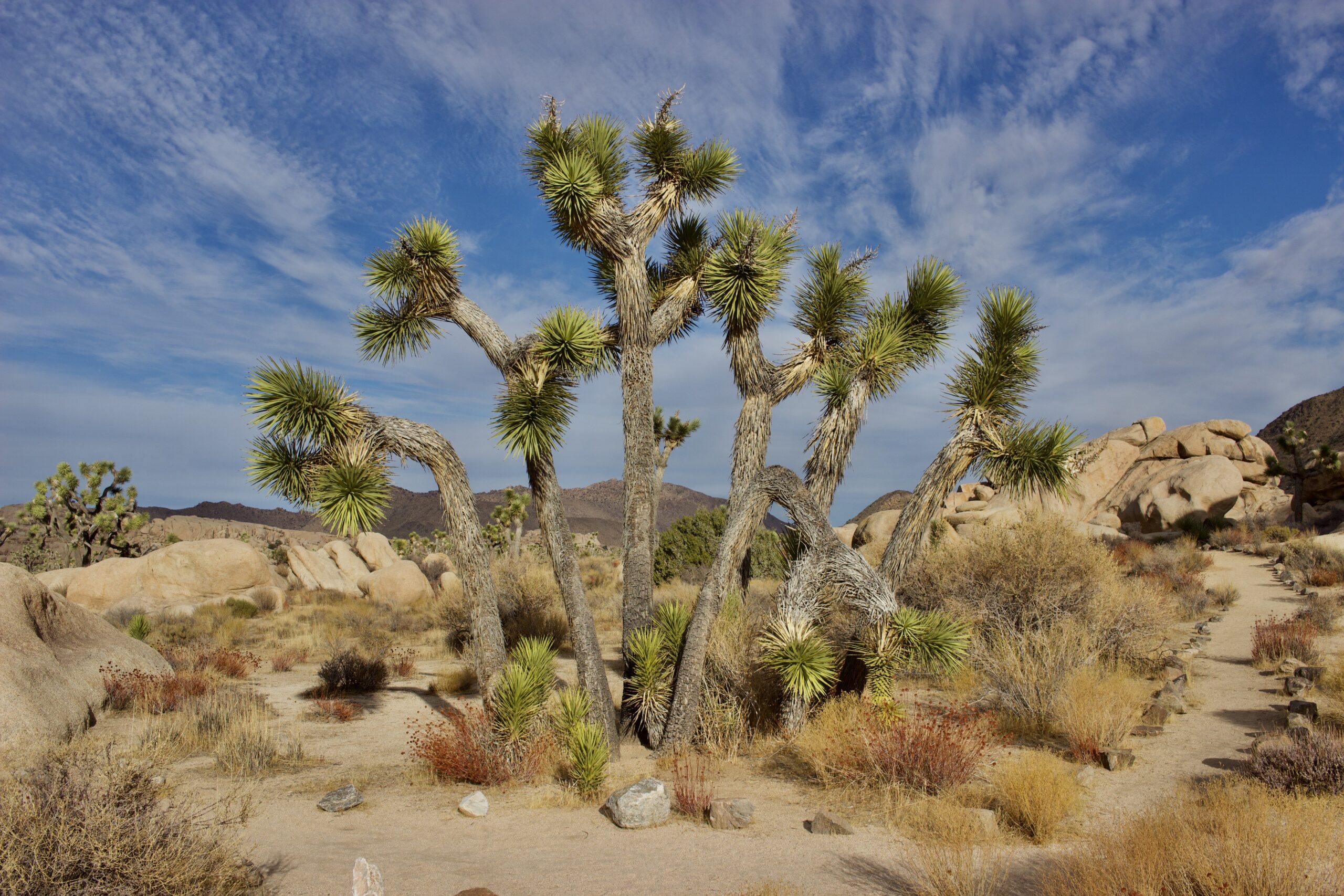
The allure of the Joshua Tree National Park, with its surreal desert landscapes and iconic namesake trees, draws countless visitors from the bustling metropolis of Los Angeles each year. This captivating natural wonder, situated in the heart of the Colorado Desert and the Mojave Desert, offers a stark yet beautiful contrast to urban life. For those planning a California adventure, understanding the travel distance and time involved is a crucial first step in crafting an unforgettable desert getaway.
Understanding the Distance and Driving Time
The journey from Los Angeles to Joshua Tree National Park is a common and highly rewarding road trip. The exact distance and estimated driving time can vary slightly depending on your starting point within the vast Los Angeles metropolitan area and prevailing traffic conditions. However, a general guideline can be established to help you plan.

Primary Route and Mileage
The most direct and commonly used route from Los Angeles to Joshua Tree National Park typically covers approximately 130 to 140 miles. This distance will place you at the western entrances of the park, such as those near the town of Joshua Tree or Yucca Valley.
Estimated Driving Duration
Under ideal conditions, with minimal traffic, the drive can take around 2.5 to 3 hours. It is imperative to factor in potential delays, especially if departing from Los Angeles during peak commuting hours, on weekends, or holidays. The extensive freeway system in Southern California, while efficient, can experience significant congestion.
Navigating Los Angeles Traffic
Leaving Los Angeles often involves navigating the dense urban sprawl. Major freeways like the Interstate 10 (I-10) or the State Route 60 (SR 60) are typically the starting points for this journey. These routes will eventually lead you towards the Inland Empire and then east towards the desert communities. Planning your departure time to avoid rush hour – generally before 7 AM or after 9 AM, and again in the late afternoon – can significantly reduce your travel time and stress.
Routes Towards the Park
From the Los Angeles basin, you will likely head east. Common routes include:
- Via I-10 East: This is a popular and straightforward path. You’ll take I-10 East for a significant portion of the journey, passing through cities like San Bernardino and Palm Springs. As you approach Indio, you’ll exit I-10 and head north on highways like State Route 62 (SR 62), which leads directly to the towns of Joshua Tree and Twentynine Palms, both serving as gateways to the park.
- Via SR 60 East: Similar to I-10 East, SR 60 East offers an alternative that merges with I-10 or connects to other routes heading east.
The final approach to the park will involve exiting these major highways and traveling on local roads that wind through the desert landscape, eventually leading you to the park’s entrance stations.
Factors Affecting Travel Time
While the base mileage and estimated drive time provide a good starting point, several external factors can influence how long it actually takes to reach Joshua Tree National Park from Los Angeles. Understanding these variables will allow for more accurate trip planning.
Traffic Conditions
As mentioned, Los Angeles is notorious for its traffic. Freeway congestion can be severe, especially during weekday rush hours (typically 6 AM to 10 AM and 3 PM to 7 PM) and on Friday afternoons as people head out of the city for weekend trips. Weekend mornings and Sunday afternoons also tend to be busy. It’s wise to check real-time traffic apps like Google Maps or Waze before you depart and periodically during your drive to identify any unexpected delays.
Time of Day and Day of Week
Departing early in the morning, particularly on a weekend, is often the best strategy to beat traffic. A departure before sunrise from Los Angeles can significantly shorten your arrival time at the park. Conversely, leaving late in the morning or in the afternoon can result in a much longer journey.

Road Construction and Detours
Major freeways in California are constantly undergoing maintenance and construction. Unexpected road work can lead to lane closures and significant slowdowns. It’s advisable to check the California Department of Transportation (Caltrans) website or use navigation apps that provide alerts for construction zones.
Weather
While the desert climate of Joshua Tree National Park is generally dry, extreme weather events can impact travel. Heavy rain, dust storms (known as haboobs), or even flash floods in the desert can necessitate caution or, in rare cases, lead to temporary road closures. Checking the weather forecast for both your departure point and the park area is always a good practice.
Preparing for Your Journey
A successful trip to Joshua Tree National Park from Los Angeles involves more than just knowing the distance. Proper preparation ensures a smoother and more enjoyable experience.
Vehicle Check and Supplies
Before embarking on any desert road trip, it’s essential to ensure your vehicle is in good working order. Check your tires, fluids, and brakes. Carry a spare tire, jack, and the necessary tools for tire changes. Given the remote nature of some areas within Joshua Tree National Park and the limited services, it’s wise to have a full tank of gas before entering the park. Pack plenty of water, snacks, a first-aid kit, sunscreen, and a hat, as the desert sun can be intense.
Navigation and Connectivity
While GPS devices and smartphone navigation apps are invaluable, cell service can be spotty or non-existent within Joshua Tree National Park and in some of the surrounding desert areas. Downloading offline maps of the park and surrounding regions is a highly recommended strategy. Consider bringing a physical map as a backup.
Park Entrance and Fees
Joshua Tree National Park requires an entrance fee. You can pay at the park entrance stations, but to save time, especially during busy periods, consider purchasing a pass online in advance through the National Park Service (NPS) website. The park has several entrance stations, including the West Entrance Station near Joshua Tree and Twentynine Palms, and the South Entrance near Indio. Knowing which entrance you plan to use can help you orient yourself upon arrival.
Alternative Travel Options
While driving is the most popular way to reach Joshua Tree National Park from Los Angeles, other options exist for those who prefer not to drive or are looking for a different experience.
Public Transportation and Shuttles
Direct public transportation from Los Angeles to Joshua Tree National Park is limited. However, it is possible to take public transit to nearby cities like Palm Springs or San Bernardino and then arrange for local shuttle services or ride-sharing options to reach the park. Some private tour operators also offer shuttle services from Los Angeles or Palm Springs to Joshua Tree. These services can be a convenient choice for solo travelers or those who prefer not to deal with parking.
Ride-Sharing Services
Ride-sharing apps like Uber and Lyft operate in the Los Angeles area. While it might be possible to arrange a ride directly to Joshua Tree National Park, the cost can be substantial due to the distance. Availability of ride-sharing services in the more remote areas surrounding the park may also be limited.
Making the Most of Your Trip
Once you’ve navigated the distance and arrived, the Joshua Tree National Park offers a wealth of experiences. The drive from Los Angeles is just the beginning of an adventure into a truly unique American landscape. Whether you’re there for hiking, rock climbing, stargazing, or simply to immerse yourself in the tranquility of the desert, the journey is well worth the effort. Planning your departure and understanding the travel dynamics will ensure your transition from the city to the serenity of the desert is as seamless as possible.
LifeOutOfTheBox is a participant in the Amazon Services LLC Associates Program, an affiliate advertising program designed to provide a means for sites to earn advertising fees by advertising and linking to Amazon.com. Amazon, the Amazon logo, AmazonSupply, and the AmazonSupply logo are trademarks of Amazon.com, Inc. or its affiliates. As an Amazon Associate we earn affiliate commissions from qualifying purchases.