
The allure of the Florida Keys, a string of tropical islands connected by a legendary highway, has long captivated travelers. At its southernmost tip lies Key West, a vibrant island city brimming with history, art, and a unique laid-back atmosphere. Many visitors begin their Florida adventure in the bustling metropolis of Miami, a gateway to the Sunshine State’s diverse offerings. It’s a natural question for anyone planning a trip: “How far is Key West from Miami, Florida?” This seemingly simple query opens the door to understanding the journey, the distances involved, and the incredible experiences that await between these two iconic destinations.
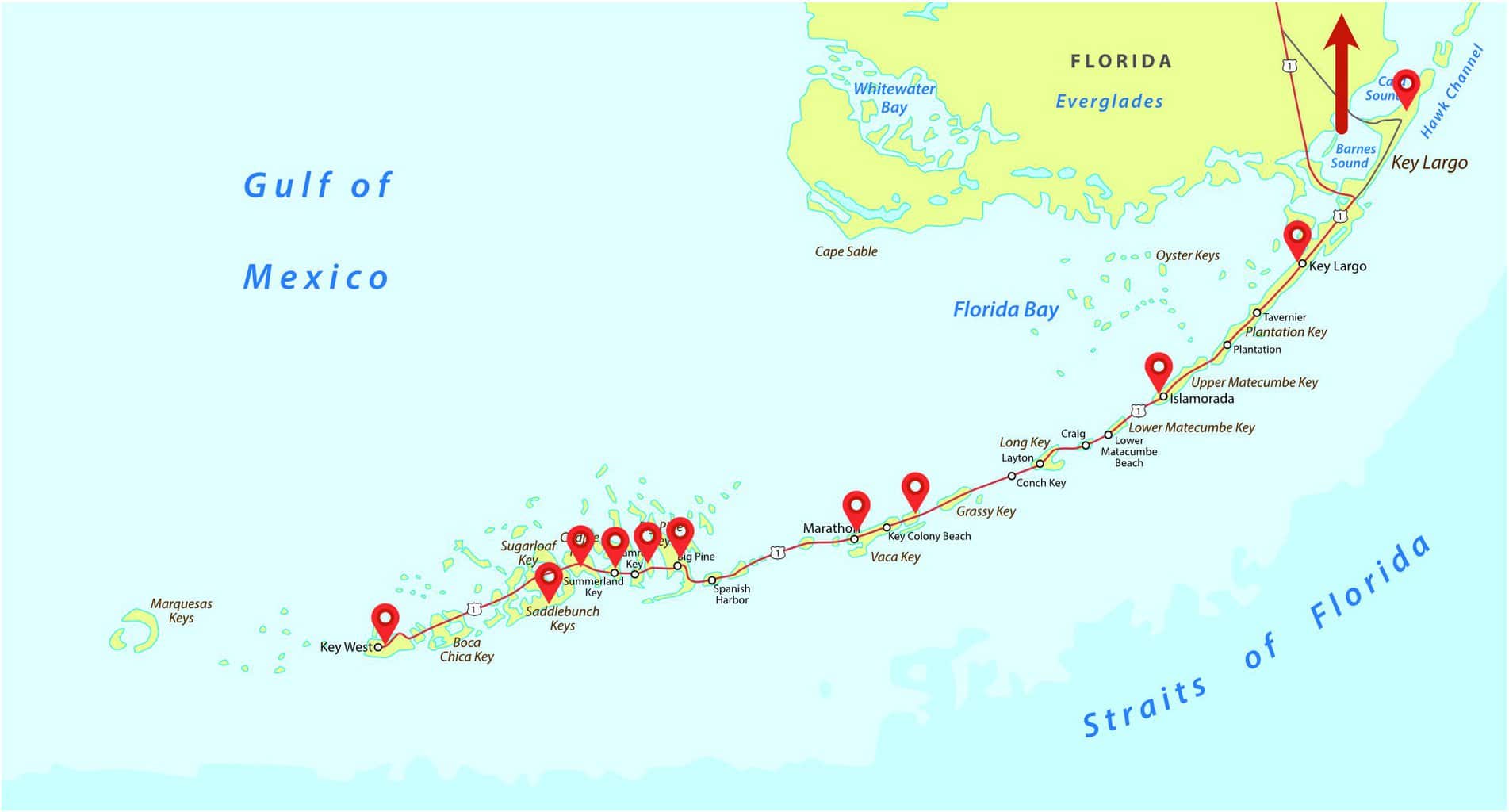
The distance between Miami and Key West isn’t just a number; it represents a transition from urban energy to island tranquility, a scenic drive that unfolds with each mile. Understanding this distance is crucial for planning your travel time, whether you opt for a road trip filled with spontaneous stops or a quicker transfer to maximize your time in Key West. This guide will delve into the specifics of the journey, explore the best ways to travel, and highlight some of the captivating sights you might encounter along the way.
The Direct Distance and Driving Time
The most direct route from Miami to Key West spans approximately 160 miles (about 257 kilometers). This distance is primarily covered by driving along the iconic Overseas Highway, officially known as U.S. Route 1. This roadway is more than just asphalt and concrete; it’s a marvel of engineering, traversing a chain of islands over turquoise waters.
The estimated driving time from Miami to Key West is typically around 3.5 to 4 hours. However, this figure is highly dependent on several factors. Traffic, especially when departing from Miami during peak hours, can significantly extend this time. Road construction, seasonal travel surges, and the sheer popularity of the route can also contribute to delays. It’s always advisable to add buffer time to your schedule, particularly if you have a reservation or a planned activity upon arrival in Key West.
Understanding the Overseas Highway Journey
The Overseas Highway is the spine of the Florida Keys, linking the mainland to the southernmost island. Its construction was a monumental undertaking, with large sections built over the foundations of the original Overseas Railroad, conceived by Henry Flagler. As you drive south, the landscape dramatically transforms. The urban sprawl of Miami gradually gives way to coastal vistas, charming small towns, and the breathtaking expanse of the Atlantic Ocean and the Gulf of Mexico.
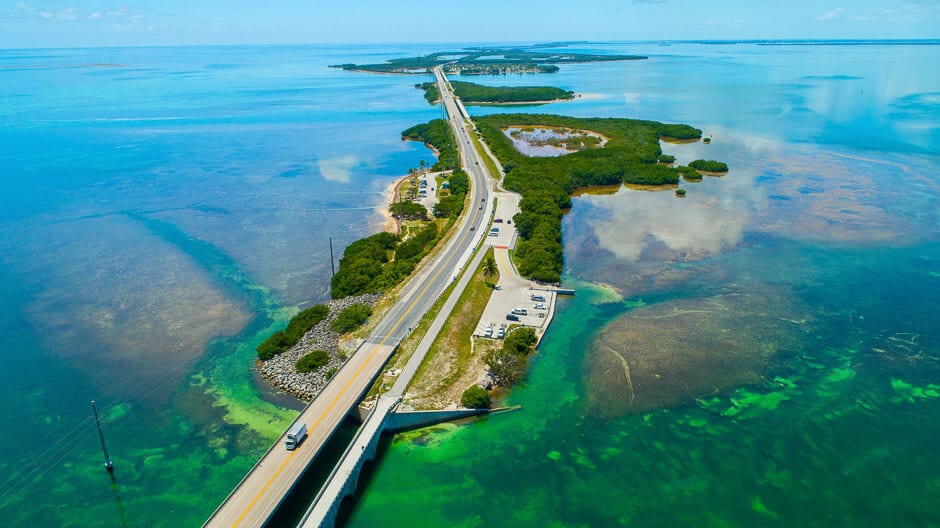
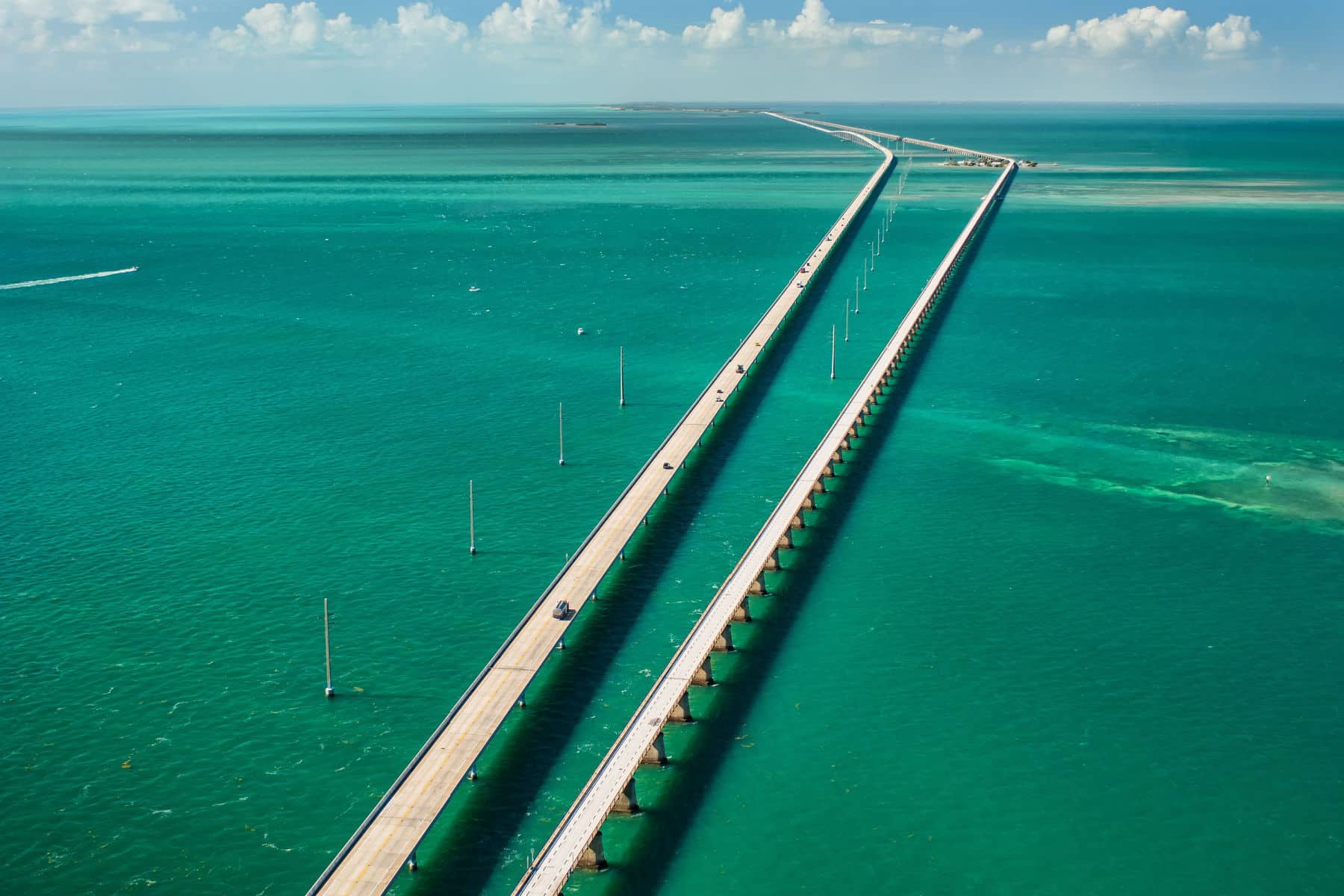
Each segment of the Overseas Highway offers a unique perspective. You’ll cross numerous bridges, some grand and modern, others historic and offering panoramic views. The Seven Mile Bridge, one of the longest in the world, is a particularly iconic stretch, providing a dramatic sense of being suspended between sky and sea. This journey is not just about reaching a destination; it’s an integral part of the Florida Keys experience, a scenic drive that many consider an attraction in itself.
Transportation Options: Choosing Your Route to Key West
When considering how far Key West is from Miami, Florida, it’s equally important to consider the various modes of transportation available to make that journey. The choice of transport can influence your travel time, your budget, and the overall experience.
Driving Your Own Vehicle
Driving yourself offers the most flexibility. This allows you to set your own pace, stop at roadside attractions, and explore at your leisure. The journey itself is part of the adventure, with opportunities to pull over at scenic overlooks, visit charming towns like Marathon or Islamorada, or enjoy fresh seafood at a waterfront restaurant.
Renting a car is a popular option for those flying into Miami International Airport or Fort Lauderdale–Hollywood International Airport. This provides the freedom to explore not only the drive to Key West but also other areas of South Florida before or after your island getaway. Remember to factor in parking availability and costs in Key West, as it can be limited and expensive, especially during peak season.
Shuttle Services and Ride-Sharing
For travelers who prefer not to drive, shuttle services offer a convenient alternative. Several companies operate daily shuttles between Miami and Key West, picking up passengers from hotels, airports, and designated locations. These services are a good option for those seeking a hassle-free transfer, allowing them to relax and enjoy the scenery without the stress of navigation or parking.
Ride-sharing services, while sometimes available for longer distances, are less common and can be quite expensive for the Miami to Key West route. It’s worth checking availability and comparing prices if this is your preferred method, but traditional shuttle services are generally more reliable and cost-effective for this specific journey.
Private Transfers and Limousine Services
For a more luxurious and personalized experience, private transfers and limousine services are available. These cater to individuals or groups looking for the utmost comfort and convenience. A private driver can tailor the itinerary, making stops at places of interest, and ensuring a smooth and timely arrival in Key West. This option comes with a higher price tag but offers unparalleled service and flexibility.
Air Travel: The Fastest, But Indirect, Option
While there are no direct commercial flights from Miami to Key West, flying is technically an option, albeit an indirect one. You would need to fly from one of Miami‘s airports (like Miami International Airport) to Key West International Airport. However, the flight duration is very short, typically around 30-40 minutes. The main drawback is the time spent on airport procedures, including check-in, security, and baggage claim, which can often make the overall travel time comparable to or even longer than driving, especially when considering travel to and from airports. Furthermore, the cost of flights can often exceed that of driving or shuttle services. Therefore, for most travelers, the drive or shuttle remains the preferred method of reaching Key West from Miami.
Making the Most of Your Journey: Stops and Attractions
The 160-mile drive from Miami to Key West is punctuated by a series of islands, each with its own unique charm and attractions. To truly appreciate the journey and understand the distance, consider incorporating some stops along the way. This transforms the travel time from a mere transfer into an immersive exploration of the Florida Keys.
The Upper Keys: An Introduction to Island Life
As you leave the mainland and cross the first bridges, you enter the Upper Keys. This region serves as a gentle introduction to the island chain’s distinct character.
- Key Largo: Famous for being the “Diving Capital of the World,” Key Largo is home to the John Pennekamp Coral Reef State Park, the first underwater state park in the United States. Here, you can embark on glass-bottom boat tours, snorkeling, or scuba diving expeditions to witness the vibrant marine life and coral formations. The park also offers opportunities for kayaking and paddleboarding through its mangrove-lined waterways. It’s a perfect first stop to get a taste of the underwater wonders that Florida is known for.
- Islamorada: Often referred to as the “Sportfishing Capital of the World,” Islamorada is a paradise for anglers. Beyond fishing, it offers a variety of water activities, including diving and snorkeling. The Theater of the Sea provides educational and entertaining marine life shows, and the Hurricane Monument serves as a poignant reminder of the devastating storm of 1935 and the resilience of the Keys. For a taste of local culture, visit the Burdick & Sons Marine Museum.
The Middle Keys: Wildlife and Scenic Views
Continuing south, the Middle Keys offer more opportunities for nature encounters and breathtaking scenery.
- Marathon: This mid-Keys city is a hub for marine rehabilitation and offers several family-friendly attractions. The Turtle Hospital is a must-visit, providing a fascinating look at the efforts to rescue, rehabilitate, and release sea turtles. The Pigeon Key Historical Park, accessible by ferry or trolley, transports visitors back to the era of railroad construction, offering a glimpse into the history of the Overseas Railroad. Marathon also boasts beautiful beaches and opportunities for fishing and boating.
- Seven Mile Bridge: This iconic bridge is not just a means of transit but a landmark in itself. The newer, higher bridge offers spectacular, unobstructed views of the ocean and the surrounding islands. The old, lower bridge, now a pedestrian and fishing pier, provides a historical perspective and a unique vantage point. Driving across it is an unforgettable experience, a true testament to human engineering and a gateway to the Lower Keys.
The Lower Keys: Approaching the Southernmost Point
As you approach Key West, the islands become smaller and the atmosphere more relaxed.
- Bahia Honda State Park: Often cited as one of the most beautiful state parks in the United States, Bahia Honda offers stunning beaches, excellent snorkeling, and opportunities to observe diverse birdlife. The park’s old railroad bridge, a remnant of Flagler’s vision, provides a dramatic backdrop for photos and a sense of the history embedded in the landscape.
- National Key Deer Refuge: Located on Big Pine Key, this refuge is dedicated to protecting the endangered Key Deer, a unique subspecies of the Virginia white-tailed deer. Driving through the area offers a chance to spot these gentle creatures, especially during dawn and dusk. It’s a reminder of the delicate ecosystem that characterizes the Florida Keys.
Each of these stops, while adding to your travel time, enriches the overall experience, allowing you to appreciate the diverse landscapes and unique culture that exist between Miami and Key West. The journey itself becomes as memorable as the destination.
LifeOutOfTheBox is a participant in the Amazon Services LLC Associates Program, an affiliate advertising program designed to provide a means for sites to earn advertising fees by advertising and linking to Amazon.com. Amazon, the Amazon logo, AmazonSupply, and the AmazonSupply logo are trademarks of Amazon.com, Inc. or its affiliates. As an Amazon Associate we earn affiliate commissions from qualifying purchases.