
Navigating the routes between two of Florida’s vibrant cities, Lakeland, Florida and Tampa, Florida, is a common query for travelers, residents, and business commuters alike. While seemingly close on the map, understanding the nuances of distance, travel time, and the most efficient ways to connect these two urban centers is crucial for planning any journey. This exploration delves into the geographical proximity, various transportation methods, and the factors that influence your transit experience between these dynamic destinations.
Understanding the Mileage and Commute Time
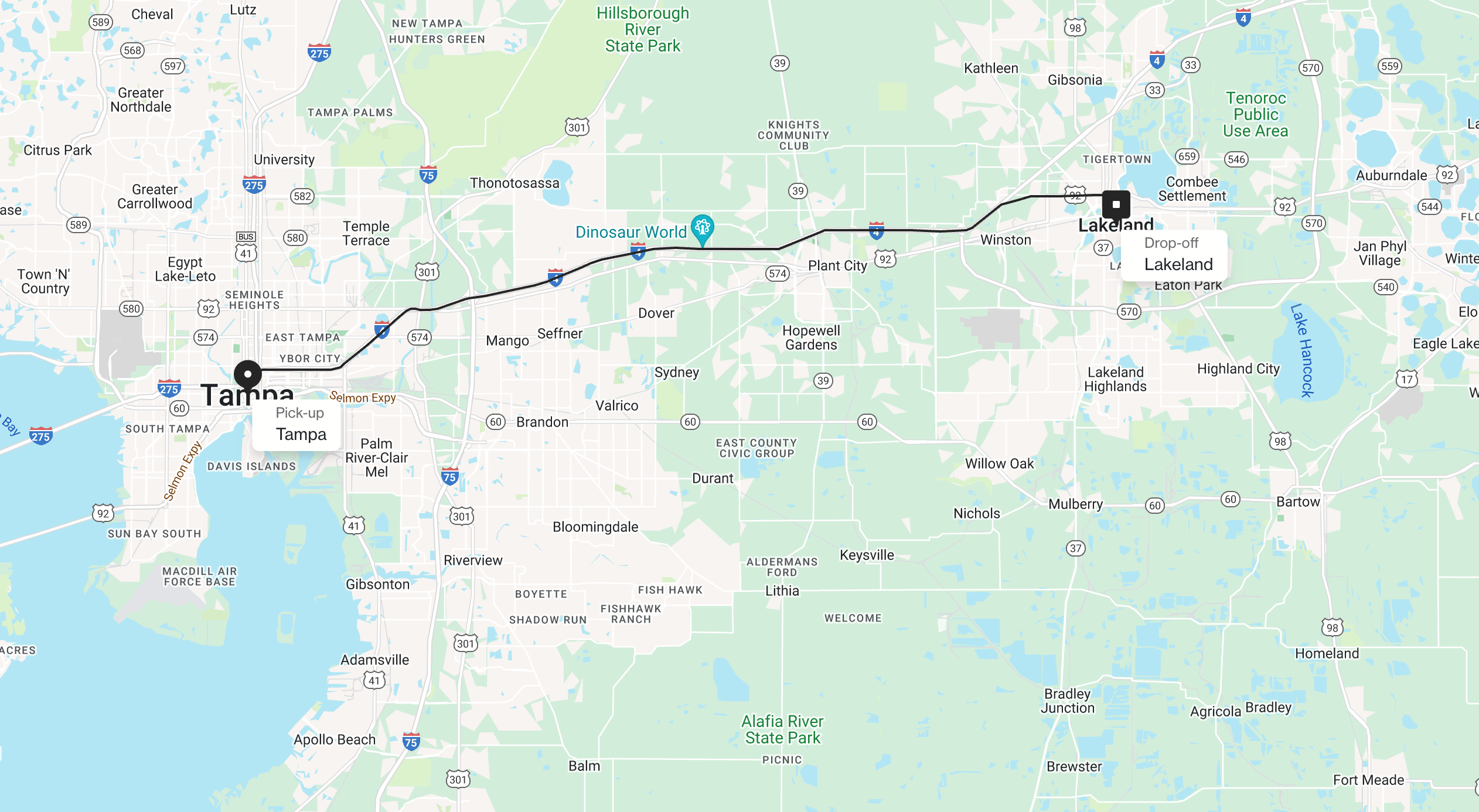
The direct geographical distance between Lakeland, Florida and Tampa, Florida is approximately 35 to 40 miles, depending on the specific starting and ending points within each city. However, in the realm of travel, mileage is only one part of the equation. The actual time it takes to complete this journey is heavily influenced by traffic conditions, the chosen route, and the mode of transportation.
Driving Routes and Traffic Patterns
The most common and direct driving route between Lakeland, Florida and Tampa, Florida primarily utilizes Interstate 4 (I-4). This major artery is the backbone connecting many of Central Florida’s key cities and, as such, can experience significant congestion, particularly during peak commuting hours.
- Typical Driving Time: Under ideal conditions, with minimal traffic, the drive can take as little as 35 to 45 minutes. This is the benchmark for an unimpeded journey, allowing for a swift transition between the two locales.
- Peak Hour Considerations: During weekday mornings (approximately 7:00 AM to 9:00 AM) and afternoons (approximately 4:00 PM to 6:30 PM), commute times can easily double, stretching to an hour or even 90 minutes. The flow of traffic on I-4 is famously unpredictable, influenced by the sheer volume of commuters heading to and from employment centers, particularly in the Tampa Bay Area.
- Alternative Routes: While I-4 is the most direct, alternative routes exist. These often involve state roads like U.S. Route 27 or Florida State Road 574, which can bypass some of the more intense traffic on the interstate. However, these routes are generally slower due to lower speed limits and more local traffic. They might be considered if I-4 is experiencing severe delays due to accidents or extensive construction.
- Real-time Traffic Monitoring: Utilizing GPS navigation apps such as Google Maps or Waze is highly recommended for anyone planning to drive. These services provide real-time traffic updates, suggest alternative routes, and offer estimated travel times based on current conditions. This proactive approach can save considerable time and frustration.
Public Transportation Options
For those seeking an alternative to driving, public transportation offers a viable, albeit often longer, option. While direct, dedicated transit lines between Lakeland, Florida and Tampa, Florida are not as frequent or direct as one might find in larger metropolitan areas, there are services that can bridge the gap.
- Intercity Bus Services: Companies like Greyhound or Megabus may offer routes connecting Lakeland, Florida and Tampa, Florida. These services typically depart from designated bus stations and arrive at similar terminals in the destination city.
- Travel Time: Bus journeys are generally longer than driving due to scheduled stops and adherence to posted speed limits. Expect travel times to range from 1 hour to 2 hours or more, depending on the specific route and number of intermediate stops.
- Cost-Effectiveness: Bus travel can be a more economical option for solo travelers, especially when booked in advance, compared to the costs associated with car ownership (gas, maintenance) or ride-sharing services.
- Regional Transit Authority Services: While not a direct point-to-point service for this specific route, regional transit authorities like the HART (Hillsborough Area Regional Transit Authority) in Tampa and Citrus Connection (formerly known as PSTA Lakeland Area Mass Transit) in Lakeland offer services within their respective counties. In some cases, these systems might connect to other transit hubs that could facilitate a multi-leg journey, though this is often more complex and time-consuming.
Ride-Sharing and Taxi Services
For door-to-door convenience, ride-sharing services like Uber and Lyft, as well as traditional taxi companies, offer a direct connection between Lakeland, Florida and Tampa, Florida.
- Convenience Factor: This is often the most convenient option, as it eliminates the need for personal vehicle use or navigating public transit schedules. Drivers can pick you up from your specific location and drop you off at your desired destination within Tampa.
- Cost Implications: The cost of a ride-share or taxi between Lakeland, Florida and Tampa, Florida can be substantial. Prices fluctuate based on demand, time of day, and distance. Travelers should expect costs to range from $70 to $120 or more, making it a more premium option for shorter trips but potentially competitive for groups sharing the fare.
- Booking and Availability: Ride-sharing apps provide a user-friendly interface for booking rides, with estimated fares and arrival times readily available. Availability is generally good, especially in and around the urban centers of both Lakeland and Tampa.
Factors Influencing Travel Time
Beyond the inherent distance, several external factors can significantly alter the duration of your trip between Lakeland, Florida and Tampa, Florida. Understanding these variables is key to setting realistic expectations and planning your itinerary effectively.
Time of Day and Day of Week
As previously mentioned, traffic is the primary driver of variability. Commute times are dramatically different depending on when you choose to travel.
- Weekday Rush Hours: Traveling between 7:00 AM and 9:00 AM, or between 4:00 PM and 6:30 PM on weekdays will almost invariably lead to longer travel times due to the high volume of commuters heading to and from work.
- Midday Travel: Traveling during the mid-morning or early afternoon on weekdays often presents the best driving conditions, with less traffic and smoother commutes.
- Weekends and Holidays: While often less congested than weekday rush hours, weekends and major holidays can see increased traffic as people travel for leisure or visit family. Events in Tampa or near Lakeland can also impact local road conditions.
Weather Conditions
Florida’s weather can be a significant factor in travel.
- Rain and Thunderstorms: Heavy rainfall, especially during the afternoon thunderstorm season (typically summer months), can drastically reduce visibility, create hazardous driving conditions, and lead to significant traffic delays. Drivers should exercise caution and be prepared for slower speeds.
- Hurricanes and Tropical Storms: While less frequent, the threat of hurricanes or tropical storms during the Atlantic hurricane season (June 1 to November 30) can lead to widespread evacuations and major travel disruptions. In such events, travel advisory and safety precautions from authorities like the Florida Division of Emergency Management should be paramount.
Road Construction and Incidents
The ongoing development and maintenance of Florida’s infrastructure mean that road construction is a common occurrence.
- Construction Zones: Sections of I-4 and other major roads are frequently subject to lane closures, detours, and reduced speed limits due to construction projects. These can add considerable time to your journey.
- Accidents and Breakdowns: Traffic incidents, from minor fender-benders to more serious accidents, can bring traffic to a standstill. Real-time traffic apps are invaluable for navigating around these unexpected disruptions.
Planning Your Trip to Tampa from Lakeland
Whether you are planning a day trip, a business meeting, or a longer stay, understanding the travel dynamics between Lakeland, Florida and Tampa, Florida is essential for a smooth experience.
For the Business Traveler
Professionals commuting or traveling between these two cities often prioritize efficiency and predictability.
- Strategic Scheduling: For business meetings in Tampa, it is advisable to schedule appointments outside of peak rush hour times. An early morning meeting starting at 9:30 AM or later, or an afternoon meeting after 2:00 PM, can significantly reduce travel time compared to an 8:00 AM appointment.
- Remote Work Options: For those whose work allows, embracing remote work or teleconferencing can negate the need for physical travel altogether, saving valuable time and resources.
- Business Hotels: Tampa offers a wide array of business-oriented hotels, such as the Grand Hyatt Hotel Tampa Bay or the JW Marriott Tampa Water Street, which are strategically located near business districts and convention centers, facilitating easier access for corporate travelers.

For the Leisure Tourist
Leisure travelers may have more flexibility and can potentially enjoy the journey itself.
- Scenic Routes (Limited): While direct routes are focused on speed, exploring smaller state roads can offer a glimpse into the Florida landscape, though it will increase travel time.
- Attraction Proximity: For tourists visiting attractions in Tampa, such as Busch Gardens Tampa Bay or the Florida Aquarium, understanding their location relative to I-4 and potential traffic bottlenecks upon arrival in Tampa is important.
- Accommodation in Tampa: Tampa boasts numerous resorts and hotels catering to tourists, from beachfront properties like the Renaissance Tampa International Plaza Hotel to family-friendly options near theme parks. Choosing accommodation strategically can minimize your in-city travel needs.
In conclusion, while the mileage between Lakeland, Florida and Tampa, Florida is relatively short, the actual travel experience is a dynamic interplay of distance, traffic, and personal choices. By considering the various transportation methods, understanding the impact of daily variables, and planning strategically, travelers can ensure a smooth and efficient journey between these two prominent Florida cities.
LifeOutOfTheBox is a participant in the Amazon Services LLC Associates Program, an affiliate advertising program designed to provide a means for sites to earn advertising fees by advertising and linking to Amazon.com. Amazon, the Amazon logo, AmazonSupply, and the AmazonSupply logo are trademarks of Amazon.com, Inc. or its affiliates. As an Amazon Associate we earn affiliate commissions from qualifying purchases.