
Navigating the sprawling landscape of Southern California often involves understanding the distances and travel times between its key points. For those planning a journey, or even for residents looking to explore nearby areas, the question of “How far is Lancaster from Los Angeles?” is a common one. This query is more than just a simple mileage calculation; it encompasses travel methods, typical traffic conditions, and the overall experience of making the trip. Understanding these factors is crucial for efficient planning, whether you’re heading to Lancaster for its unique desert charm or coming from Lancaster to experience the vibrant energy of Los Angeles.
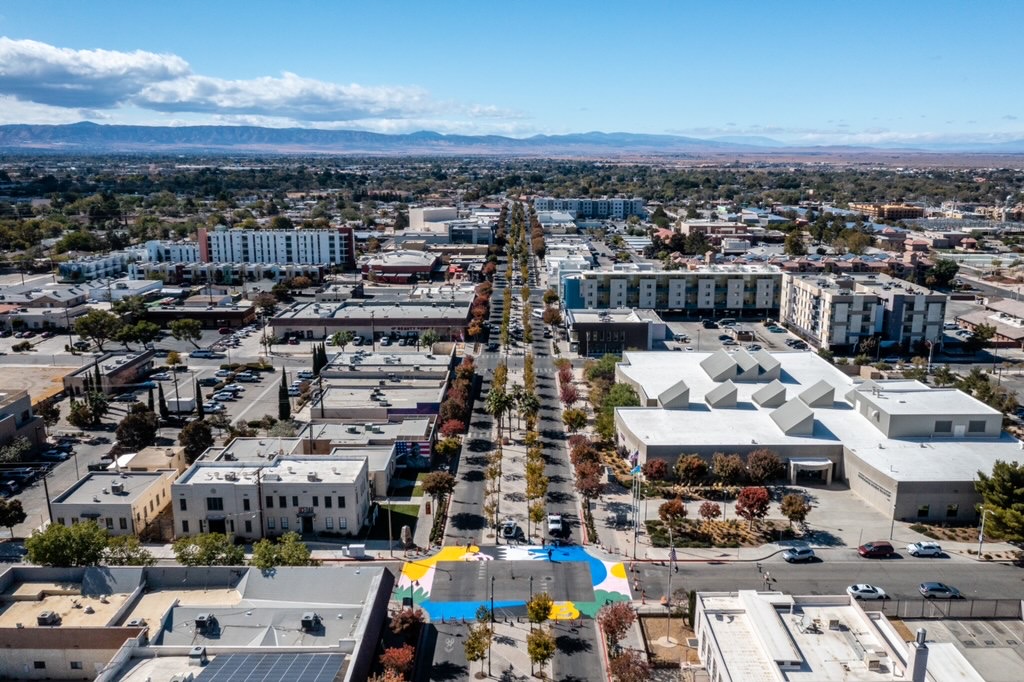
The distance between these two significant locations in Los Angeles County is substantial, positioning them at opposite ends of a commonly traveled corridor. Lancaster, situated in the Antelope Valley, offers a distinct High Desert environment, characterized by wide-open spaces, a clearer night sky, and a generally more relaxed pace of life compared to the bustling urban core of Los Angeles. This geographical separation, coupled with varying terrain and infrastructure, plays a significant role in the travel experience.
Understanding the Distance: Mileage and Routes
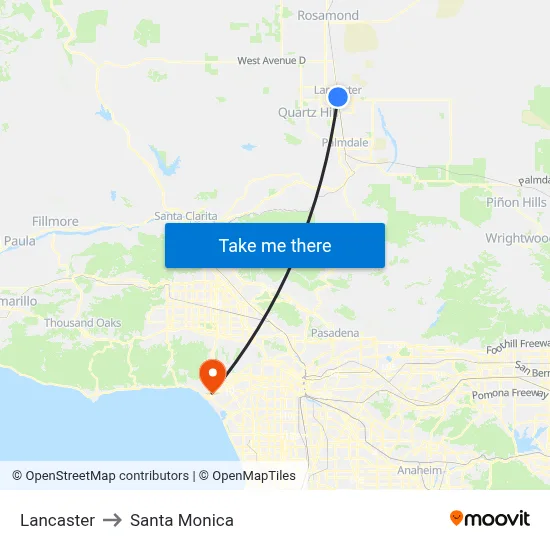
The most direct route between Lancaster and Los Angeles typically follows the Antelope Valley Freeway (State Route 14) southward, eventually merging into other major freeways that lead into the heart of the city. The mileage can vary slightly depending on the specific starting and ending points within each area, but generally, the distance is approximately 70 to 80 miles (about 112 to 129 kilometers).
Major Travel Corridors
The primary artery connecting these two locales is the aforementioned Antelope Valley Freeway, officially known as State Route 14. This freeway provides a relatively direct path for much of the journey. As drivers approach the greater Los Angeles metropolitan area, they will typically transition onto freeways like the Golden State Freeway (Interstate 5) or other connecting routes depending on their final destination within Los Angeles or surrounding communities.
Factors Influencing Travel Time
While the mileage remains relatively constant, the time it takes to cover this distance is highly variable. The primary culprit is traffic. Los Angeles is infamous for its congested roadways, especially during peak commuting hours. Travel times can be dramatically extended by:
- Rush Hour: Traveling southbound into Los Angeles between 6 AM and 10 AM, and northbound out of the city between 3 PM and 7 PM, can add hours to a journey.
- Accidents and Incidents: Freeway closures or slowdowns due to accidents are a frequent occurrence and can cause significant delays.
- Construction: Ongoing roadwork projects can also impact travel times.
- Time of Day/Week: Weekends, especially Friday afternoons and Sunday evenings, can also see increased traffic as people travel for leisure or return home.
Therefore, while the physical distance might be around 70-80 miles, a car journey during moderate traffic might take anywhere from 1.5 to 2 hours, whereas during severe congestion, it could easily stretch to 3 or even 4 hours.
Transportation Options: Driving, Public Transit, and Beyond
The choice of transportation significantly impacts the travel experience between Lancaster and Los Angeles. Each option presents its own set of advantages and disadvantages in terms of cost, convenience, and time.
Driving: The Most Common Method
For many, driving is the preferred method due to the flexibility it offers. Having your own vehicle allows for spontaneous stops, carrying luggage or equipment, and direct travel to specific locations without the need for multiple transfers.
Considerations for Drivers
- Fuel Costs: The 70-80 mile one-way trip means a significant amount of fuel consumption, especially for less fuel-efficient vehicles.
- Wear and Tear: Regular trips contribute to the wear and tear on your vehicle.
- Parking: Navigating parking in Los Angeles can be challenging and expensive, particularly in popular areas like Downtown, Hollywood, or Santa Monica.
- Navigation: While GPS services are ubiquitous, understanding the intricacies of Los Angeles freeway system and potential route changes due to traffic is essential.
Public Transportation: An Alternative Approach
Public transportation offers a more sustainable and potentially less stressful alternative to driving, especially for those who wish to avoid traffic and parking hassles.
Metrolink Commuter Rail
Metrolink is a vital component of the Southern California public transit network. The Antelope Valley Line directly connects Lancaster to Los Angeles Union Station. This is often the most reliable and predictable way to travel between the two cities, as trains are less affected by road traffic.
- Travel Time: A typical Metrolink journey from Lancaster to Union Station takes approximately 2 hours and 15 minutes to 2 hours and 30 minutes.
- Cost: Fares are generally competitive and can be more economical than the combined costs of fuel, parking, and potential tolls for driving.
- Convenience: Union Station is a major transportation hub, providing easy access to Los Angeles Metro rail and bus lines, allowing onward travel to various parts of the city.
- Schedule: It’s important to check the Metrolink schedule, as train frequencies may be limited, particularly on weekends and during off-peak hours.
Bus Services
While less direct and typically slower than the train, intercity bus services may also operate between Lancaster and Los Angeles. These services can sometimes offer lower fares but involve longer travel times and may have fewer amenities compared to rail.
Emerging Transportation Trends
As technology advances, other transportation methods are becoming more prevalent. Ride-sharing services like Uber and Lyft can be used for the entire journey or for portions of it, offering a door-to-door option without the need for a personal vehicle. However, the cost of such services for an 80-mile trip can be substantial.
What Awaits in Lancaster: A Destination in Itself
While many travel from Lancaster to Los Angeles, Lancaster itself is a destination worthy of exploration, offering a unique experience distinct from the urban sprawl. Its location in the High Desert provides a different perspective on Southern California life.
Key Attractions and Activities in Lancaster
- Antelope Valley California Poppy Reserve: During the spring months, this reserve becomes a breathtaking spectacle of vibrant orange wildflowers, attracting visitors from far and wide.
- The BLVD Cultural District: This revitalized downtown area features art galleries, theaters, restaurants, and shops, offering a taste of local culture and community events.
- Jane E. Doughty Theater: Part of the Antelope Valley Performing Arts Center, it hosts a variety of performances.
- Blackbird Airpark: Home to historic military aircraft, this park appeals to aviation enthusiasts.
- Mojave Air and Space Port: While not directly a tourist attraction in the traditional sense, its presence highlights the region’s significant role in aerospace innovation.
- Outdoor Recreation: The surrounding High Desert offers opportunities for hiking, camping, and stargazing, with fewer light pollution issues than in the city.
The climate in Lancaster is also a notable difference, with hotter summers and cooler winters than coastal Los Angeles, and less of the marine layer that often blankets the coast.
Planning Your Trip: Essential Tips for a Smooth Journey
Regardless of the purpose of your travel between Lancaster and Los Angeles, careful planning can make the journey much more enjoyable.
Timing is Everything
As highlighted, traffic is the biggest variable. To minimize delays when driving:
- Avoid Peak Hours: Plan your travel to avoid weekday morning and afternoon commutes.
- Utilize Traffic Apps: Services like Google Maps or Waze are invaluable for real-time traffic updates and suggesting alternative routes.
- Consider Mid-Day Travel: Traveling between 10 AM and 2 PM on weekdays can often offer smoother passage.
When using Metrolink, always check the schedule in advance, especially if you need to make connections.
Pre-Trip Preparations
- Vehicle Check: If driving, ensure your vehicle is in good condition, with adequate fuel, properly inflated tires, and essential fluids.
- Navigation Tools: Have reliable GPS or mapping apps ready. Consider downloading offline maps in case of poor signal areas.
- Entertainment: Long commutes can be made more pleasant with audiobooks, podcasts, or music playlists.
- Snacks and Water: Especially on longer drives, having provisions can prevent unnecessary stops and save money.
- Commuter Kits: For frequent travelers, consider a small kit with charging cables, hand sanitizer, and basic first-aid items.
By understanding the nuances of distance, travel times, and available transportation options, individuals can effectively plan their journeys between Lancaster and Los Angeles, ensuring a more predictable and pleasant travel experience. Whether you’re seeking the vastness of the High Desert or the dynamic pulse of the city, this geographical connection offers diverse opportunities for exploration and discovery within Southern California.
LifeOutOfTheBox is a participant in the Amazon Services LLC Associates Program, an affiliate advertising program designed to provide a means for sites to earn advertising fees by advertising and linking to Amazon.com. Amazon, the Amazon logo, AmazonSupply, and the AmazonSupply logo are trademarks of Amazon.com, Inc. or its affiliates. As an Amazon Associate we earn affiliate commissions from qualifying purchases.