
The journey from Los Angeles, California to Las Vegas, Nevada is one of the most iconic road trips in the United States, a vibrant passage connecting two of the country’s most dynamic and contrasting cities. Whether you’re chasing the dazzling neon lights of the Las Vegas Strip or returning to the sprawling urban landscapes and coastal allure of Los Angeles, understanding the distance, travel time, and various transportation options is crucial for planning an unforgettable adventure. This guide delves into everything you need to know about traversing this popular route, offering insights into travel experiences, accommodation choices, and potential stops along the way.
Distance and Duration: Mapping Your Route Between LA and Vegas
The direct distance between Los Angeles and Las Vegas is relatively straightforward, but the actual time it takes to travel can vary significantly based on your chosen mode of transport, the time of day, and unexpected delays.
The Straight Shot: Driving Distance & Duration
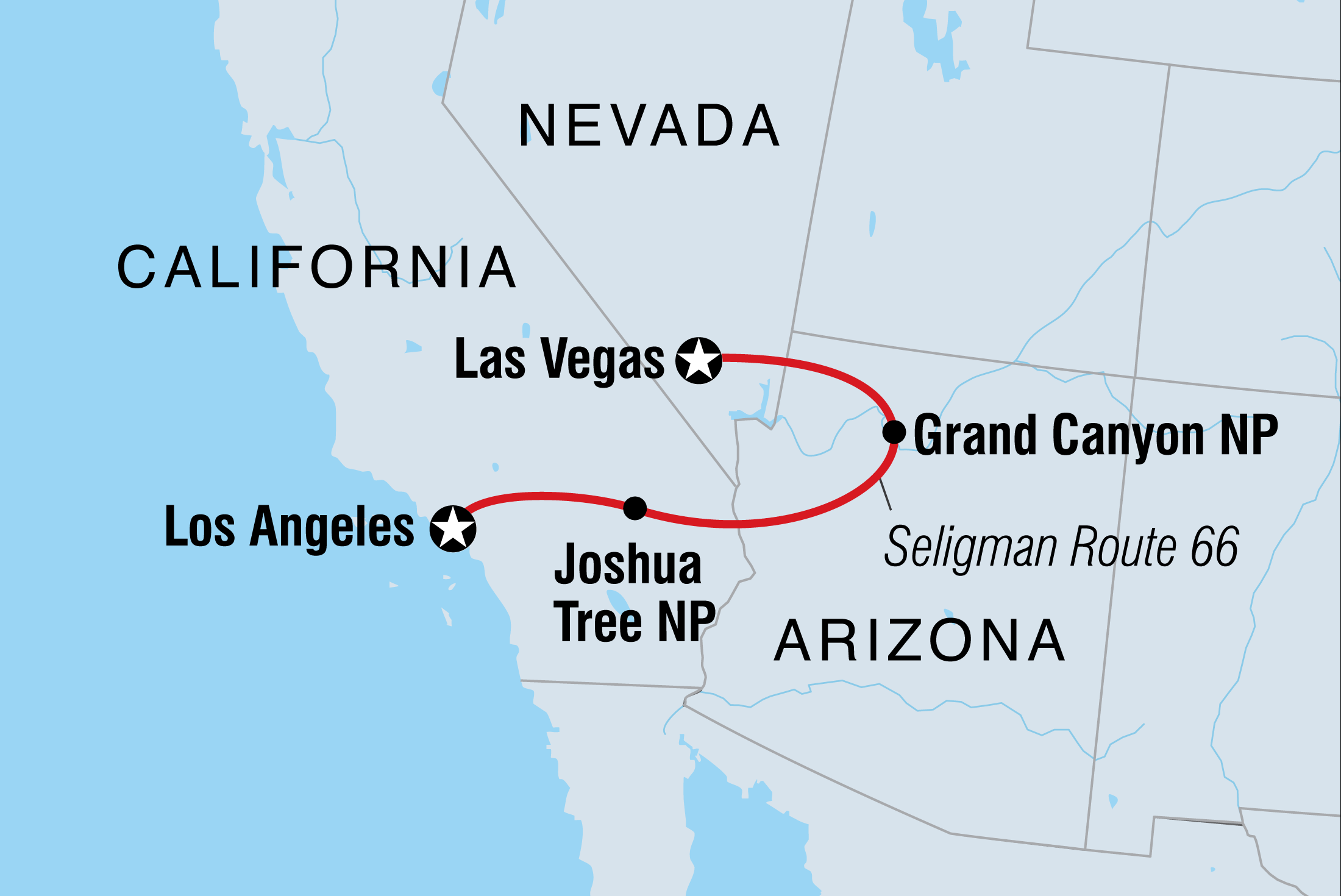
The most common and flexible way to travel between these two metropolises is by car, primarily via Interstate 15 (I-15). The approximate driving distance is 270 miles (435 kilometers). Under ideal conditions, with minimal traffic and a few short stops, the journey typically takes around 4 to 5 hours.
However, it’s essential to factor in real-world conditions. Traffic, especially when departing Los Angeles on a Friday afternoon or returning on a Sunday evening, can significantly extend travel times. Peak travel periods, such as holiday weekends, can easily push the drive to 6-8 hours or even longer. For this reason, many seasoned travelers recommend departing Los Angeles early in the morning on weekdays or late at night to avoid the worst of the congestion. Conversely, leaving Las Vegas on a Monday morning or mid-week can help you bypass heavy Sunday traffic.
Factors Affecting Travel Time
Several elements can influence your journey’s duration:
- Traffic Congestion: As mentioned, Los Angeles’ sprawling freeway system and Las Vegas’ growing popularity mean traffic is a constant consideration.
- Rest Stops and Breaks: While the drive is manageable in a single stretch, taking a break every couple of hours is advisable for safety and comfort. This adds to the overall travel time but makes the trip more enjoyable, especially through the Mojave Desert.
- Roadside Attractions: Deciding to explore some of the unique landmarks along the I-15 can turn a simple drive into a memorable road trip, naturally extending the duration.
- Weather Conditions: While generally sunny, summer temperatures in the Mojave Desert can be extreme, potentially affecting vehicle performance or driver comfort. Winter can bring rare but possible snow to higher elevations, though this is uncommon on the main route.
Understanding these variables allows for more realistic planning, ensuring your travel experience is smooth and stress-free, whether you’re rushing to a Las Vegas show or enjoying a leisurely drive.
Modes of Transportation: Your Options for Getting There
Beyond personal vehicle travel, a range of transportation options caters to different budgets, preferences, and schedules, each offering a distinct travel experience.
Hitting the Road: Driving from LA to Vegas
Driving remains the most popular choice for its flexibility. Car rental services are widely available in Los Angeles, offering everything from economical sedans for budget travel to luxury SUVs for those seeking a more opulent lifestyle experience. For family trips, a car allows for easy transport of luggage and the freedom to stop at kid-friendly attractions.
Key Considerations for Drivers:
- Vehicle Maintenance: Ensure your vehicle is in good condition, especially tires and fluid levels, as the desert drive can be demanding.
- Fuel: Gas stations are available along I-15, but prices can fluctuate, especially in more remote areas. It’s wise to fill up before entering the long desert stretches.
- Navigation: While I-15 is straightforward, GPS is invaluable for real-time traffic updates and finding specific stops.
- Emergency Kit: Carry water, snacks, a first-aid kit, and basic tools, especially during warmer months.
Taking Flight: Air Travel Options
For those prioritizing speed and convenience, flying is an excellent option. Non-stop flights between Los Angeles and Las Vegas typically take just over an hour in the air.
Major Airports:
- In Los Angeles: Los Angeles International Airport (LAX) is the primary hub, but travelers can also consider Hollywood Burbank Airport (BUR) or Long Beach Airport (LGB) for potentially less crowded and easier experiences.
- In Las Vegas: Harry Reid International Airport (LAS) serves as the main gateway to the city.
While the flight itself is short, remember to account for travel to and from airports, security checks, and baggage claim, which can add 2-3 hours to the overall journey. Air travel is particularly appealing for business stays or luxury travel when time is of the essence. Booking in advance is recommended for better fares, especially during peak tourism seasons or around major events.
Bus Services: An Economical Choice
Several bus companies offer regular services between Los Angeles and Las Vegas, providing a budget-friendly alternative. Operators like Greyhound and FlixBus run multiple daily trips. The travel time by bus is generally longer than driving, averaging 5.5 to 7 hours, depending on the number of stops.
Bus travel allows you to relax, read, or work without the stress of driving, making it a good option for solo travelers or those looking to save money on transportation. Bus stations are typically centrally located in both cities, offering convenient access to local public transport or rideshares to your final accommodation.
The Future of Rail?
While there is currently no direct passenger rail service between Los Angeles and Las Vegas, there are plans underway for high-speed rail projects. One notable initiative is Brightline West, which aims to connect Las Vegas to Southern California via high-speed electric trains. If realized, this could offer a significantly faster and more sustainable travel option, potentially cutting travel times to under 3 hours. For now, however, traditional rail is not a viable option for this route.
Planning Your Journey: Tips for a Seamless Travel Experience
Preparing adequately for your trip between Los Angeles and Las Vegas can enhance your overall experience, whether it’s a quick getaway or a longer vacation involving exploring the local culture and attractions.
Best Time to Travel
The timing of your trip can greatly influence comfort and crowds:
- Spring (March-May) and Fall (September-November): These seasons offer the most pleasant weather for the desert drive and exploring both cities. Temperatures are moderate, making outdoor activities more enjoyable.
- Summer (June-August): The Mojave Desert can reach extreme temperatures (well over 100°F/38°C), making driving less comfortable and increasing the need for hydration. However, Las Vegas resorts offer extensive indoor entertainment and refreshing pool amenities.
- Winter (December-February): Cooler temperatures are great for exploring, but remember that nights in the desert can be quite cold. This is generally a busy season for Las Vegas with holiday events and conventions.
Consider weekdays over weekends for less traffic and potentially better deals on hotels and activities, especially in Las Vegas, which sees a significant surge in visitors from California every weekend.
What to Pack
Given the contrast between the coastal climate of Los Angeles and the desert environment of Las Vegas, versatile packing is key:
- Layers: Pack clothing that can be layered, as temperatures can vary greatly between day and night, especially in the desert.
- Comfortable Shoes: Essential for exploring attractions in both cities.
- Sun Protection: Sunglasses, hats, and sunscreen are a must year-round.
- Swimwear: If you plan on enjoying the pools and resorts.
- Formal Wear: For upscale dining, shows, or nightlife in Las Vegas or Los Angeles.
Essential Tips for a Smooth Trip
- Book Accommodation in Advance: Especially for popular hotels and resorts in Las Vegas or during peak seasons in Los Angeles. Websites offering booking, reviews, and comparison tools are invaluable.
- Stay Hydrated: This is crucial, particularly if driving through the desert in warmer months.
- Download Maps Offline: Cell service can be spotty in certain remote stretches of the Mojave Desert.
- Budget Wisely: Las Vegas can be enjoyed on a budget, but it’s easy to overspend. Plan for dining, entertainment, and potential gambling. Los Angeles also offers a range of experiences from budget-friendly to luxury travel.
- Check for Events: Both cities host numerous conventions, concerts, and festivals throughout the year that can impact hotel prices and traffic.
What to See and Do Along the Way: Road Trip Enhancements
For those who choose to drive, the journey itself can be an integral part of the travel experience. The I-15 route offers several unique landmarks and attractions worth a stop, transforming a mere commute into a mini-adventure.
Notable Stops on I-15
- Mojave National Preserve: A vast wilderness area that offers stunning desert landscapes, volcanic cinder cones, Joshua tree forests, and sand dunes. It’s a slight detour but provides a serene escape and opportunities for hiking and photography.
- Calico Ghost Town: Located near Barstow, this authentic old West mining town has been preserved as a regional park. It’s a fascinating historical stop for families and history buffs alike, showcasing local culture and a glimpse into California’s past.
- Primm, Nevada: Just across the Nevada border, Primm is a small casino town with a roller coaster, outlet shopping, and various dining options. It serves as a popular last-chance stop before the final stretch to Las Vegas.
- Seven Magic Mountains: A vibrant public art installation located just south of Las Vegas, featuring seven towering stacks of colorful, painted boulders. It’s a fantastic spot for a quick photo opportunity and a unique landmark that adds a splash of color to the desert landscape.
- Hoover Dam & Lake Mead: While technically a slight detour off the main I-15 route via Henderson, the Hoover Dam is an engineering marvel and a significant historical landmark. Combined with the expansive beauty of Lake Mead, it offers impressive views and insightful tours, making it a worthy stop before or after your Las Vegas visit.
Beyond the Interstate: Scenic Detours
For those with more time and a desire for scenic beauty, consider detours like:
- Death Valley National Park: While a substantial detour, it offers unparalleled desert landscapes, extreme temperatures, and unique geological features.
- Valley of Fire State Park: Nevada’s oldest state park, known for its stunning Aztec sandstone outcrops that appear to be on fire when reflecting the sun’s rays. It’s a beautiful spot for hiking and photography, located northeast of Las Vegas.
These stops add layers to the journey, transforming it from a simple travel between destinations into an enriching exploration of regional attractions and natural beauty.
Exploring Your Destinations: What Awaits in LA and Vegas
The conclusion of your journey brings you to two cities renowned for their unique allure, offering diverse experiences ranging from world-class tourism to distinct lifestyles.
Los Angeles: The City of Angels Awaits
Los Angeles is a global hub for entertainment, culture, and innovation. As a destination, it boasts an incredible array of attractions. Visitors can immerse themselves in the glitz and glamour of Hollywood, walking the famous Hollywood Walk of Fame, visiting studios, or taking in panoramic city views from the Griffith Observatory.
For those seeking coastal charm, the Santa Monica Pier offers classic amusement park fun and breathtaking sunsets over the Pacific Ocean. Art and culture enthusiasts will find inspiration at the Getty Center with its stunning architecture and gardens. Families often extend their trips to include nearby theme parks like Disneyland Park in Anaheim. Los Angeles also offers an unparalleled culinary scene, from street food to Michelin-starred restaurants, reflecting its diverse local culture. Accommodation ranges from luxury hotels in Beverly Hills to boutique apartments in Venice, catering to every budget and travel style.
Las Vegas: The Entertainment Capital of the World
Upon arrival in Las Vegas, you’re instantly plunged into a world of vibrant entertainment and unparalleled hospitality. The city, particularly The Strip, is famous for its extravagant resorts, each offering a unique theme and a myriad of amenities. From the iconic fountains of the Bellagio to the Roman grandeur of Caesars Palace and the canals of the Venetian Resort, these hotels are destinations in themselves, providing world-class dining, casinos, spas, and dazzling shows.
Beyond gambling, Las Vegas offers a wealth of activities. Catch a resident headliner, experience the thrill of the High Roller Observation Wheel, or enjoy the panoramic views from The STRAT Hotel, Casino & Skypod. Downtown Las Vegas provides a different vibe with the Fremont Street Experience, offering live music and a spectacular light show. For those seeking outdoor adventures, the proximity to natural landmarks like Red Rock Canyon National Conservation Area offers opportunities for hiking and rock climbing, blending the excitement of the city with the tranquility of the desert. Whether it’s a luxury travel escape or a budget-conscious trip, Las Vegas promises an experience unlike any other, fulfilling its reputation as a global tourism hotspot.

In conclusion, the journey from Los Angeles to Las Vegas is more than just covering distance; it’s an opportunity to experience diverse landscapes, discover hidden gems, and immerse yourself in the unique cultures of two iconic American cities. By understanding the travel options and planning your trip thoughtfully, you can ensure a memorable and exciting adventure.
LifeOutOfTheBox is a participant in the Amazon Services LLC Associates Program, an affiliate advertising program designed to provide a means for sites to earn advertising fees by advertising and linking to Amazon.com. Amazon, the Amazon logo, AmazonSupply, and the AmazonSupply logo are trademarks of Amazon.com, Inc. or its affiliates. As an Amazon Associate we earn affiliate commissions from qualifying purchases.