
The journey from the sprawling desert metropolis of Phoenix, Arizona, to the dazzling entertainment capital of Las Vegas, Nevada, is a quintessential American road trip, offering a blend of stark desert beauty, engineering marvels, and the promise of vibrant city life. For travelers planning an escape, understanding the distance, travel time, and diverse options for traversing this route is crucial. This comprehensive guide will not only pinpoint the exact distance but also delve into the various ways to travel, essential stops along the way, and what to expect upon arrival in these iconic United States destinations, catering to every travel style, from luxury seekers to budget-conscious adventurers and family vacationers.
Whether you’re aiming for a quick city-to-city transfer or an adventurous multi-day exploration of the Southwest, the path between Phoenix and Las Vegas offers a wealth of experiences. This article will help you navigate the practicalities of travel, identify must-see attractions, and ensure your journey is as memorable as your destination.

The Journey Unveiled: Distance, Driving Time, and Key Routes
For many, the most popular and flexible way to travel between Phoenix and Las Vegas is by car. The open road allows for spontaneity, scenic detours, and the freedom to explore at your own pace. Understanding the primary routes and what they entail is the first step in planning your adventure.
The Direct Route: US-93 and US-60
The most straightforward and widely recommended driving route from Phoenix to Las Vegas covers approximately 290 to 300 miles (467 to 483 kilometers). This journey typically takes between 4.5 to 5 hours of pure driving time, not accounting for stops, traffic, or road construction.
The primary route involves taking US-60 North from Phoenix to Wickenburg, then transitioning onto US-93 North. US-93 is the main artery for much of the remainder of the drive, taking you through the heart of the Arizona desert and eventually crossing into Nevada. This highway is generally well-maintained, but travelers should be aware of varying speed limits and potential for wildlife, especially during dawn and dusk.
Along this route, you’ll pass through several small towns, most notably Kingman, Arizona. Kingman serves as a convenient stop for fuel, food, and a quick break, marking roughly the halfway point of the journey. The landscape transforms from the saguaro-dotted desert around Phoenix to more barren, mountainous terrain as you approach the Nevada border. Traffic can occasionally be an issue on certain stretches, particularly nearing the metropolitan areas of Phoenix and Las Vegas, and around the Hoover Dam bypass. It is always wise to check real-time traffic updates before and during your trip.
Alternative Scenic Routes: Adding Adventure to Your Drive
For those with more time and a desire for scenic beauty and unique experiences, several alternative routes can transform the drive into an integral part of your vacation. These options will extend your travel time significantly but reward you with breathtaking vistas and unforgettable memories.
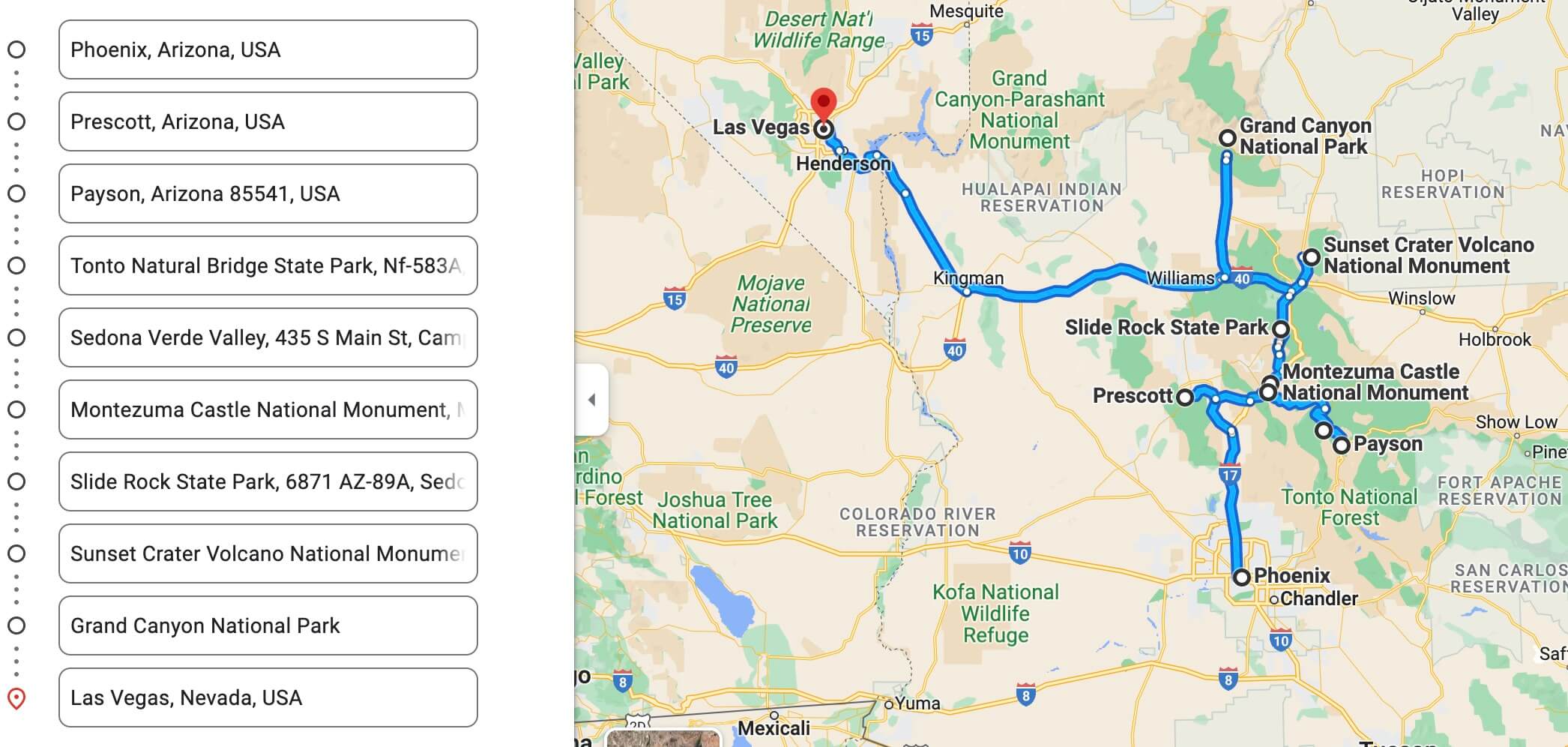
One popular scenic detour involves visiting the majestic Grand Canyon. From Phoenix, you would head north towards Flagstaff and then on to the Grand Canyon National Park South Rim. This adds a considerable amount of driving, potentially turning the trip into a two-day excursion, but allows for exploration of one of the world’s most iconic natural wonders. After experiencing the Grand Canyon, you could then proceed west towards Las Vegas, passing through areas like Williams or taking a route that skirts the Grand Canyon West area, known for the Grand Canyon Skywalk. This route could easily add an additional 4-6 hours of driving, plus several hours for sightseeing, making it a full-day or overnight trip from Phoenix before even reaching Las Vegas.
Another interesting, though longer, option is to head west from Phoenix towards Lake Havasu City on the Colorado River, home to the historic London Bridge (relocated from England). This detour offers opportunities for water-based recreation and a different perspective of the desert landscape. From Lake Havasu City, you can then drive north to rejoin US-93 or continue on towards Las Vegas via US-95 through parts of California. This route is significantly longer, pushing the total drive time to 6-7 hours or more, but is ideal for those who enjoy desert lakes and a slower pace.
Beyond the Wheel: Alternative Transportation Options
While driving offers unparalleled flexibility, it’s not the only way to get from Phoenix to Las Vegas. Depending on your budget, time constraints, and travel preferences, other modes of transport might be more suitable.
Flying Between Phoenix and Las Vegas
For the fastest travel time, flying is undoubtedly the best option. Both cities are served by major international airports: Phoenix Sky Harbor International Airport (PHX) and Harry Reid International Airport (LAS) in Las Vegas.
Direct flights between Phoenix and Las Vegas are plentiful and typically last around 1 hour to 1 hour and 15 minutes. Major airlines like Southwest Airlines, American Airlines, Allegiant Air, and Frontier Airlines offer multiple daily flights. While the flight itself is short, remember to account for airport check-in, security, boarding, and travel to and from the airports. When factoring in these elements, the total travel time can easily extend to 3-4 hours, comparable to or even slightly less than the direct drive.
Costs can vary significantly based on the airline, time of booking, and season. Often, budget airlines provide competitive fares, making flying an attractive option for those prioritizing speed. For luxury travelers, business travelers, or those on tight schedules, flying offers a premium in efficiency and convenience.
Bus Services and Rideshares
For budget-conscious travelers or those who prefer not to drive, intercity bus services offer a viable alternative. Companies like Greyhound and FlixBus operate daily routes between Phoenix and Las Vegas.
Bus journeys are generally longer than driving, typically ranging from 6 to 8 hours, as they include scheduled stops and often take slightly different routes through towns. However, they are significantly more economical than flying or renting a car, making them a popular choice for backpackers, students, or those simply looking to save money. Booking in advance can often secure better rates. The convenience of being dropped off at central locations in both cities can also be a plus, eliminating parking hassles.
Rideshare services like Uber or Lyft can also be an option, though they are usually much more expensive for such a long distance. Some travelers might consider private shuttle services, which offer a more comfortable and direct, albeit pricier, door-to-door experience, sometimes even including Wi-Fi or other amenities. These can be particularly appealing for small groups or families looking for a personalized travel solution without the commitment of renting and driving a car themselves.
Elevating Your Journey: Must-See Stops and Experiences Along the Way
The drive between Phoenix and Las Vegas is more than just a means to an end; it’s an opportunity to discover some of the Southwest’s most impressive landmarks and charming small towns. Integrating these stops can enrich your travel experience and provide a deeper appreciation for the region’s diverse offerings.
Engineering Marvels and Natural Wonders
One of the most iconic stops on the route, easily accessible from US-93 as you approach Las Vegas, is the Hoover Dam. This colossal concrete arch-gravity dam on the Colorado River, straddling the border between Arizona and Nevada, is an awe-inspiring feat of engineering. Visitors can take guided tours that explore its history, construction, and ongoing role in power generation and water supply for millions of people. There are also observation decks offering panoramic views of the dam, Lake Mead, and the Colorado River below. Allocate at least 1-2 hours for a visit, especially if you plan to take a tour. The visitor center provides fascinating insights into its monumental impact on the development of the American Southwest.
Adjacent to the Hoover Dam is the vast Lake Mead National Recreation Area, the first and largest national recreation area in the United States. Lake Mead itself is a popular destination for boating, fishing, swimming, and hiking. While you might not have time for extensive water activities on a direct drive, the scenic overlooks provide stunning photographic opportunities of the reservoir’s expansive blue waters set against the rugged desert mountains.
For those taking a longer, more scenic route, the Grand Canyon remains the undisputed king of natural wonders. Whether you opt for the classic vistas of the South Rim (a significant detour) or the closer but culturally distinct Grand Canyon West (known for the Skywalk and its association with the Hualapai Tribe), experiencing this geological marvel is an unparalleled highlight. Activities include hiking, helicopter tours, rafting on the Colorado River, and simply soaking in the immense scale of the canyon from various viewpoints. Accommodations are available both inside and outside the park, ranging from rustic lodges to more modern hotels, making an overnight stay an attractive option for a deeper exploration.
Quaint Towns and Desert Gems
Along the US-93 corridor, several towns offer glimpses into Arizona’s history and culture. Kingman, for instance, proudly sits on historic Route 66 and is home to the Arizona Route 66 Museum. This museum, housed in the Powerhouse Visitor Center, provides a fascinating look at the “Mother Road” and its impact on American travel and lifestyle. Visitors can also explore Kingman’s historic downtown, grab a bite at a classic diner, or simply stretch their legs.
Just a short detour southwest of Kingman, on the original Route 66 (now Oatman Highway), lies the quirky old mining town of Oatman. Famous for its wild burros that roam the streets and its authentic Old West ambiance, Oatman feels like stepping back in time. You can feed the burros, watch a staged gunfight, and browse unique artisan shops. This stop is a delightful, unexpected immersion into a bygone era and offers a stark contrast to the modernity of Las Vegas or Phoenix.
Further south on US-60 from Phoenix before joining US-93, the town of Wickenburg offers a taste of the Old West with its cowboy culture and rich gold mining history. Known as the “Dude Ranch Capital of the World,” Wickenburg provides a relaxed atmosphere and historical attractions like the Desert Caballeros Western Museum. For those embarking on a family trip, a stop here can offer educational and entertaining insights into frontier life.
Arriving in Style: What Awaits You in Las Vegas and Phoenix
After your journey across the desert, the vibrant energy of Las Vegas or the serene beauty of Phoenix awaits. Each city offers a unique array of attractions, accommodations, and experiences tailored to different lifestyles and travel preferences.
Discovering the Entertainment Capital of the World: Las Vegas
Las Vegas needs little introduction. It’s a city built on entertainment, luxury, and a “go big or go home” philosophy. Upon arrival, you’ll be greeted by an unparalleled selection of hotels and resorts that are destinations in themselves. From the iconic fountains of the Bellagio and the Roman grandeur of Caesars Palace to the opulent Venetian-themed experience at The Venetian Resort Las Vegas, each property offers unique suites, amenities, and entertainment options. You can find everything from sprawling casino floors and Michelin-starred restaurants to world-class spas and elaborate pool complexes.
Attractions abound, catering to every taste. Catch a mesmerizing Cirque du Soleil show, explore the vibrant lights and street performers of the Fremont Street Experience downtown, or simply wander the Strip, soaking in the larger-than-life architecture. Beyond the casinos, Las Vegas offers high-end shopping, exhilarating nightlife, and unique experiences like indoor skydiving or a helicopter tour over the Strip.
For the luxury traveler, Las Vegas is a playground of indulgence, with private villas, concierge services, and exclusive clubs. Budget travelers can also find plenty of affordable accommodation options off the main Strip, along with free attractions and discount show tickets. Families will appreciate the family-friendly resorts and shows, and even business travelers can mix work with pleasure thanks to the city’s extensive convention facilities and world-class dining.
Embracing the Sonoran Desert Charm: Phoenix
Phoenix, the capital of Arizona, offers a distinctly different, yet equally captivating, experience. Nestled in the heart of the Sonoran Desert, Phoenix is known for its year-round sunshine, stunning desert landscapes, and a thriving cultural scene.
Accommodation options in Phoenix and its surrounding upscale communities like Scottsdale are diverse, ranging from historic resorts to modern boutique hotels and sprawling luxury properties. The Arizona Biltmore, A Waldorf Astoria Resort, an architectural masterpiece, and The Phoenician, a Luxury Collection Resort, Scottsdale offer unparalleled luxury with world-class golf courses, spas, and exquisite dining. Many resorts boast impressive pool complexes, often with water parks, making them ideal for family trips. For longer stays, apartment rentals or villas in neighborhoods like Tempe or Mesa can provide a home-away-from-home feel.
Phoenix’s attractions focus on outdoor activities, arts, and culture. Explore the vibrant plant life of the Desert Botanical Garden, hike the iconic Camelback Mountain or Pinnacle Peak for breathtaking views, or discover ancient Native American artifacts at the Heard Museum. The city also boasts numerous golf courses, luxurious spas, and a burgeoning culinary scene. Lifestyle options cater to outdoor enthusiasts, those seeking wellness retreats, and sports fans (especially during Spring Training baseball season or for National Basketball Association, National Football League, and National Hockey League games).
Planning Your Trip: Essential Tips for a Seamless Journey
Embarking on a journey from Phoenix to Las Vegas requires a bit of planning to ensure a smooth and enjoyable experience. From choosing the right time to travel to smart budgeting and packing, these tips will help you prepare for your desert adventure.
Best Time to Travel
The Southwest climate plays a significant role in determining the best time for your trip.
- Fall (September-November) and Spring (March-May) are generally considered the ideal seasons. Temperatures are pleasant, making road trips comfortable and outdoor activities in both cities enjoyable. These seasons often see increased tourism, so booking accommodations and popular attractions in advance is highly recommended.
- Winter (December-February) offers cooler temperatures, especially at night, which can be lovely for exploring. However, this is also peak season for Phoenix with “snowbirds” and Spring Training in late winter, driving up hotel prices and crowds. Las Vegas can also be busy with holiday events and conventions.
- Summer (June-August) can be intensely hot, with daytime temperatures often exceeding 100°F (38°C) in both cities. While travel is possible, especially with air conditioning, outdoor activities are best reserved for early mornings or evenings. Despite the heat, Las Vegas still attracts visitors with its pool parties and indoor entertainment, and hotels might offer lower rates to compensate for the heat. If traveling by car in summer, ensure your vehicle is in excellent condition, carry extra water, and plan stops strategically.
Accommodation Choices
Both Phoenix and Las Vegas boast an extensive range of accommodation options, catering to every budget and preference.
- Luxury Resorts: In Las Vegas, properties like the Bellagio, Caesars Palace, or the Cosmopolitan of Las Vegas offer opulent suites, high-end amenities, and prime locations. In Phoenix and Scottsdale, resorts such as The Phoenician, a Luxury Collection Resort, Scottsdale or JW Marriott Phoenix Desert Ridge Resort & Spa provide expansive grounds, golf, and spa services.
- Mid-Range Hotels: Numerous chain hotels offer comfortable stays with good value in both cities, often including amenities like pools and complimentary breakfast. Look for options slightly off the main tourist arteries for better prices.
- Budget-Friendly Options: Hostels, motels, and budget hotel chains are available, particularly outside the immediate city centers. Las Vegas also has options for less expensive hotels downtown or off-Strip, such as the MGM Grand or Excalibur Hotel & Casino which can be more affordable depending on the season.
- Vacation Rentals: Airbnb and Vrbo offer apartments, houses, and villas, which can be ideal for families, groups, or long-term stays, providing more space and the flexibility of self-catering.
Always book your accommodation in advance, especially during peak season or if traveling for specific events. Comparing prices across different booking platforms (Booking.com, Expedia, direct hotel websites) can help you find the best deals.
Packing Essentials & Safety
When traveling through the desert, certain items are non-negotiable:
- Water: Carry plenty of water, especially during a road trip. Dehydration is a real risk in the desert climate.
- Sun Protection: Sunscreen, hats, sunglasses, and lightweight, breathable clothing are essential year-round.
- Navigation: While cell service is generally good on the main routes, dead zones can occur. A physical map or downloaded offline maps on your phone are good backups.
- Emergency Kit: For drivers, a basic roadside emergency kit including jumper cables, a flashlight, and a first-aid kit is advisable. Ensure your vehicle is properly maintained before setting off.
- Snacks: Keep some non-perishable snacks handy, especially if planning detours through less populated areas.
Always inform someone of your travel plans and expected arrival time, particularly if venturing off the main highways.
Budgeting for Your Adventure
Costs can vary widely depending on your travel style.
- Fuel: Factor in fuel costs, which can fluctuate. A round trip might require two or three fill-ups depending on your vehicle’s fuel efficiency and any detours.
- Accommodation: This will likely be your largest expense. Budget travelers might spend $50-$100 per night, while luxury resorts can easily exceed $300-$500+ per night.
- Activities & Entertainment: Las Vegas shows, casino entertainment, and fine dining can quickly add up. Phoenix’s attractions like botanical gardens or museum admissions also have costs. Research free activities and consider attraction passes to save money.
- Food: Dining options range from fast food to gourmet experiences. Set a daily food budget to manage expenses.
- Contingency: Always set aside extra funds for unexpected expenses or emergencies.
By considering these aspects, you can craft a travel plan that suits your preferences and ensures a memorable journey from the Sonoran Desert to the dazzling Strip.
The distance between Las Vegas and Phoenix is more than just a number; it represents a gateway to contrasting yet equally captivating experiences in the American Southwest. Whether you choose the efficiency of a flight, the economy of a bus, or the freedom of a road trip, this journey promises a rich tapestry of sights, sounds, and adventures. From the awe-inspiring engineering of the Hoover Dam and the timeless charm of Route 66 towns to the vibrant nightlife of Las Vegas and the serene beauty of the Phoenix desert, every traveler will find something to cherish. So pack your bags, choose your route, and prepare for an unforgettable exploration of two of America’s most dynamic cities and the captivating landscapes that lie between them.
LifeOutOfTheBox is a participant in the Amazon Services LLC Associates Program, an affiliate advertising program designed to provide a means for sites to earn advertising fees by advertising and linking to Amazon.com. Amazon, the Amazon logo, AmazonSupply, and the AmazonSupply logo are trademarks of Amazon.com, Inc. or its affiliates. As an Amazon Associate we earn affiliate commissions from qualifying purchases.