
The vibrant lights and endless entertainment of Las Vegas beckon travelers from across the globe, a stark contrast yet intriguing counterpart to the “Biggest Little City in the World,” Reno, nestled closer to the scenic grandeur of Lake Tahoe. For anyone planning an extended trip through Nevada or considering a journey between these two iconic cities, a fundamental question often arises: “How far is Las Vegas from Reno?” This article will delve into the distances, travel times, various transportation options, and the unique experiences awaiting you in each destination, ensuring your Nevada adventure is as smooth and enjoyable as possible.
Understanding the logistics of this journey is crucial for effective travel planning, whether you’re embarking on an epic road trip, seeking the quickest flight, or exploring more budget-friendly alternatives. Beyond mere mileage, we’ll explore the landscapes you’ll traverse, the best times to travel, and how to make the most of your time in both the entertainment capital and the gateway to outdoor adventure.
The Journey: Distance, Time, and Routes
Connecting the northern and southern halves of Nevada, the journey between Reno and Las Vegas is a significant one. While both cities share a common thread of gaming and hospitality, their environments and primary attractions offer distinctly different experiences. Understanding the physical distance and the time commitment involved is the first step in crafting your ideal itinerary.
Unpacking the Miles: Direct Distance
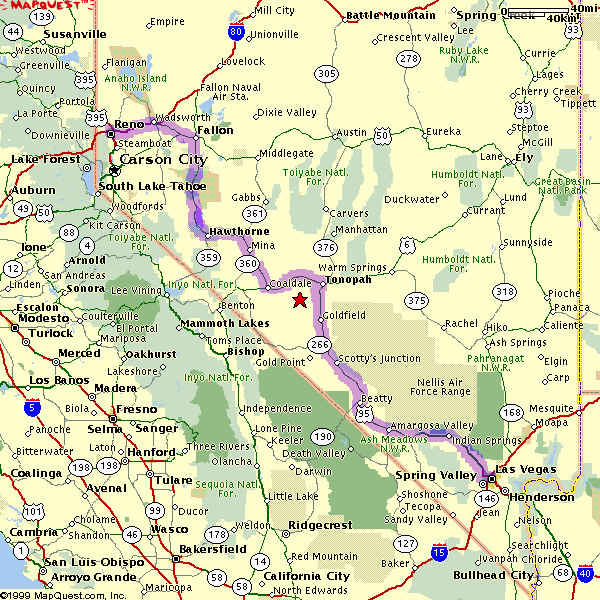
The approximate driving distance between Reno and Las Vegas is around 439 miles (706 kilometers). This stretch covers a substantial portion of the Nevada landscape, predominantly characterized by high desert, mountain ranges, and vast open spaces. While it’s a considerable distance, the drive itself can be a memorable part of your travel experience, offering glimpses into the raw beauty of the American West.
The total travel time by car typically ranges from 6.5 to 7.5 hours, excluding stops for fuel, food, or sightseeing. This makes it a feasible single-day drive for many, though some travelers might prefer to break up the journey, especially if they wish to explore some of the fascinating points of interest along the way.
Choosing Your Path: Major Highways and Scenic Alternatives
The most direct and commonly used route between Reno and Las Vegas involves a combination of major U.S. and Interstate highways. From Reno, travelers typically head south on US-95. This highway winds its way through several small towns and vast stretches of open desert, offering a direct path south.
While US-95 is the primary artery, there are other considerations. For instance, travelers might initially take I-80 east from Reno before connecting south. As you approach Las Vegas, US-95 merges with I-515 and eventually leads directly into the city’s urban core, where it connects to I-15, the main thoroughfare for the famous Strip.
For those seeking a more scenic drive, albeit often longer, detours are possible. East of Las Vegas, you could venture towards the stunning landscapes of Valley of Fire State Park or the engineering marvel that is the Hoover Dam. West of the city, Red Rock Canyon National Conservation Area offers breathtaking geological formations. While these would add significant time to your journey, they transform a simple drive into an unforgettable travel experience, touching upon the “Landmarks” aspect of your journey.
Factors Influencing Travel Time
Several factors can influence the actual time it takes to travel between Reno and Las Vegas:
- Traffic: While much of the route is open highway, entering and exiting both Reno and especially Las Vegas during peak hours can add significant delays.
- Weather Conditions: Nevada’s desert climate typically means clear skies, but extreme summer heat can impact vehicle performance and driver comfort. In winter, particularly closer to Reno and higher elevations, snow or ice can be a factor, potentially causing road closures or requiring slower speeds.
- Roadside Stops: As mentioned, the numerous small towns and natural attractions along US-95 offer opportunities for breaks. Planning for these, whether for fuel, a meal, or a quick photo, will extend your total travel time but can greatly enhance the “Travel” and “Lifestyle” aspects of your trip.
- Vehicle Type and Speed: Adhering to speed limits is always recommended. While some areas of US-95 have higher limits, driver fatigue and safety should always take precedence.
Navigating Your Way: Diverse Travel Options
While driving offers unparalleled flexibility, it’s not the only way to traverse the distance between Reno and Las Vegas. Depending on your budget, time constraints, and travel preferences, several other options are available, catering to different “Lifestyle” and “Travel” needs.
The Classic Road Trip: Driving Freedom
Driving remains the most popular choice for many, and for good reason. It provides complete control over your schedule, allows for spontaneous detours to hidden gems or Landmarks, and can be particularly cost-effective if traveling with a group. Car rental services are readily available in both cities, offering a range of vehicles from economical sedans to spacious SUVs, suitable for any “Lifestyle” of travel.
Pros:
- Flexibility: Stop whenever and wherever you please.
- Scenery: Opportunity to appreciate Nevada’s diverse landscapes.
- Cost-effective for groups: Sharing fuel costs reduces individual expenses.
- Luggage capacity: No strict limits on bags, ideal for longer stays or those packing for varied activities like skiing at Lake Tahoe and formal dinners in Las Vegas.
Cons:
- Time-consuming: A full day of driving.
- Fatigue: Requires a rested driver.
- Fuel costs: Can be significant for solo travelers or during periods of high gas prices.
- Vehicle wear and tear: Especially if using your own car.
Soaring Between Cities: Air Travel
For those prioritizing speed and convenience, flying is undoubtedly the fastest way to get from Reno to Las Vegas. Direct flights connect Reno-Tahoe International Airport (RNO) with Harry Reid International Airport (LAS) in Las Vegas. The flight duration is typically around 1 hour to 1 hour 15 minutes.
Pros:
- Speed: Significantly reduces travel time.
- Comfort: Avoids the fatigue of long drives.
- Business travel friendly: Ideal for those on tight schedules.
Cons:
- Cost: Generally more expensive than driving or bus, especially if booked last minute.
- Airport logistics: Time spent on check-in, security, and transfers to/from airports can add hours to the overall journey.
- Luggage restrictions: Checked bag fees and size limitations.
- Less scenic: Misses out on the roadside attractions.
This option is particularly appealing for “Business Stays” or short “Luxury Travel” trips where time is of the essence.
Budget-Friendly Journeys: Bus Services
For budget-conscious travelers, intercity bus services offer an economical alternative. Companies like Greyhound provide routes connecting Reno and Las Vegas. While the journey will be considerably longer than driving (often 9-10+ hours due to stops), it eliminates the stress of driving and can be a very affordable option.
Pros:
- Affordable: Often the cheapest mode of transport.
- Relaxing: Allows you to sit back, read, or work without driving.
- Environmentally friendly: Shared transport reduces individual carbon footprint.
Cons:
- Long travel time: The slowest option.
- Limited flexibility: Fixed schedules and routes.
- Comfort: Can be less comfortable for extended periods.
This is an excellent choice for “Budget Travel” and those who prioritize cost savings over speed and maximum flexibility.
Discovering Nevada’s Contrasts: What Awaits in Each City
The journey itself is only half the story; the destinations are what truly define the “Travel” experience. Both Las Vegas and Reno are unique jewels in Nevada’s crown, offering distinct attractions, “Local Culture,” and “Activities” for every type of visitor.
Las Vegas: The Entertainment Epicenter
Known globally as the “Entertainment Capital of the World,” Las Vegas is an unparalleled playground for adults. Its reputation is built on dazzling resorts, world-class entertainment, and a 24/7 vibrant atmosphere.
- Casino Gaming: From the historic Fremont Street Experience downtown to the colossal casinos lining the Strip, gaming is at the heart of Las Vegas. Each resort, like Caesars Palace, The Venetian Resort Las Vegas, or MGM Grand, is a destination in itself, offering unique themes and experiences.
- World-Class Shows: Las Vegas is synonymous with spectacular performances, ranging from Cirque du Soleil productions like The Beatles LOVE by Cirque du Soleil to headlining residencies by global music stars, magic shows, and comedy acts.
- Dining and Nightlife: The city boasts an incredible array of culinary experiences, from celebrity chef restaurants to casual buffets. Its nightlife scene is equally diverse, with high-energy nightclubs, sophisticated lounges, and themed bars.
- Attractions and Landmarks: Beyond the casinos, visitors can marvel at the dancing Bellagio Fountains, take a ride on the High Roller observation wheel for panoramic views, or visit the Eiffel Tower Viewing Deck at Paris Las Vegas. For a taste of the outdoors, day trips to the Grand Canyon, Hoover Dam, or Red Rock Canyon National Conservation Area are popular options, blending “Tourism” with exploration of “Nature.”
Reno: The Biggest Little City and Gateway to Tahoe
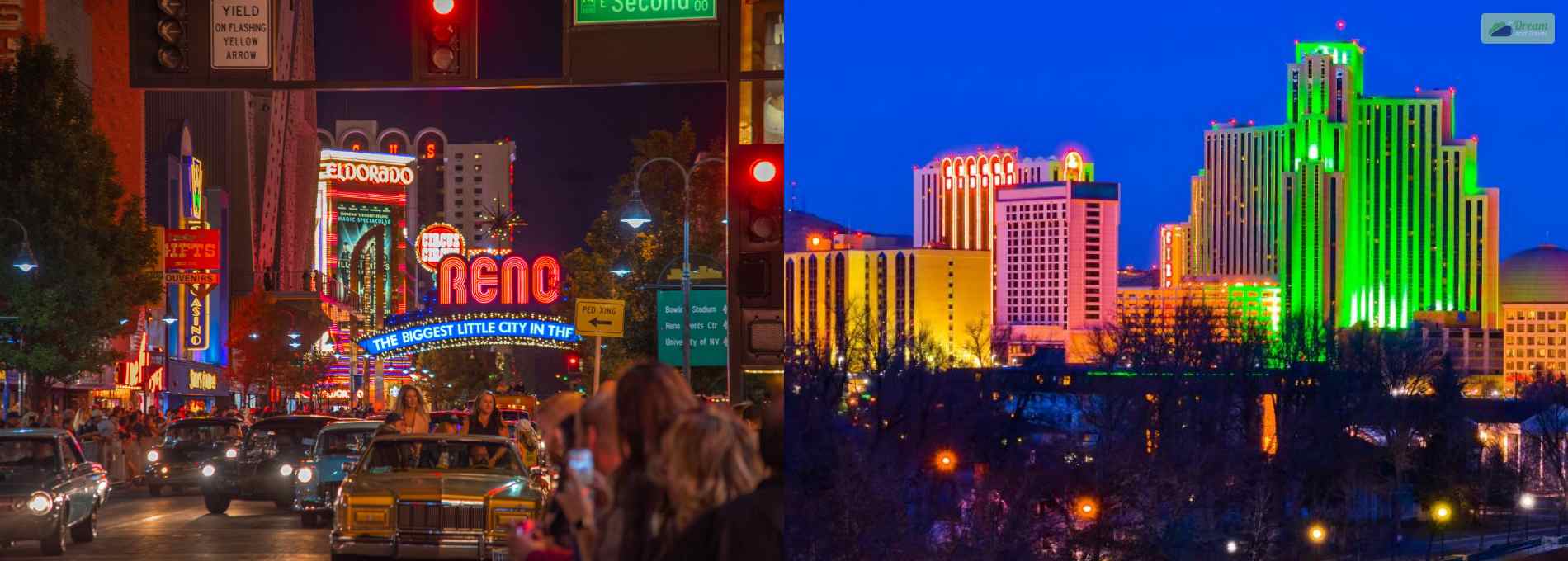
While Reno also has a strong gaming culture, it offers a more laid-back atmosphere and serves as an excellent base for outdoor adventures, particularly around Lake Tahoe and the Sierra Nevada Mountains.
- Gaming and Entertainment: Reno’s casinos, such as Atlantis Casino Resort Spa, Peppermill Resort Spa Casino, and Grand Sierra Resort and Casino, offer a classic casino experience with a slightly less overwhelming scale than Las Vegas. Live shows, concerts, and comedy acts are also common.
- Outdoor Activities: This is where Reno truly shines. Its proximity to Lake Tahoe means access to world-class skiing and snowboarding at resorts like Mount Rose Ski Tahoe or Diamond Peak Ski Resort in winter. In warmer months, Lake Tahoe offers hiking, biking, boating, paddleboarding, and stunning scenic drives. The Truckee River flowing through downtown Reno also provides opportunities for kayaking and whitewater rafting.
- Arts and Culture: The Riverwalk District along the Truckee River is a vibrant area with art galleries, boutiques, and restaurants. The National Automobile Museum, home to a vast collection of classic and antique cars, is a significant cultural attraction.
- Local Festivals: Reno hosts a variety of unique events, including Hot August Nights (classic cars) and the Great Reno Balloon Race, attracting visitors seeking distinct “Experiences” and “Local Culture.”
Planning Your Nevada Adventure: Accommodation and Beyond
Once you’ve decided on your mode of transport and what you want to experience, the next crucial step is planning your “Accommodation” and finalizing your “Tourism” itinerary. Both cities offer a spectrum of choices to suit various budgets and “Lifestyle” preferences.
Where to Stay: Hotels, Resorts, and Unique Accommodations
Your choice of accommodation can significantly impact your overall travel experience.
In Las Vegas:
Las Vegas is famed for its mega-resorts, which are often complete destinations in themselves.
- Luxury Resorts: Resorts like ARIA Resort & Casino, Bellagio, Wynn Las Vegas, and The Cosmopolitan of Las Vegas offer opulent suites, multiple pools, spas, high-end dining, and exclusive clubs, catering to a “Luxury Travel” demographic. Many offer “All-inclusive” or package deals that combine stays with shows and dining credits.
- Mid-Range and Budget Hotels: Beyond the Strip’s giants, you’ll find numerous mid-range hotels and more affordable options both on the Strip (e.g., Excalibur Hotel & Casino, New York-New York Hotel & Casino) and off the Strip, providing comfortable stays without breaking the bank for “Budget Travel.”
- Apartments and Villas: For longer stays or “Family Trips,” self-catering apartments or private villas (especially in surrounding areas) can offer more space and amenities like kitchens, enhancing the “Accommodation” experience.
In Reno:
Reno’s accommodation scene is diverse, reflecting its blend of casino glamour and outdoor adventure.
- Casino Hotels: Properties such as Atlantis Casino Resort Spa, Peppermill Resort Spa Casino, and Grand Sierra Resort and Casino offer full-service amenities including spas, multiple dining options, and pools, alongside their gaming floors.
- Boutique Hotels: The Riverwalk District features smaller, charming boutique hotels for a more intimate “Local Culture” experience.
- Lake Tahoe Lodges: For those focused on outdoor activities, consider extending your stay to one of the many lodges or resorts around Lake Tahoe, offering stunning views and direct access to nature. Options range from cozy cabins to luxury resorts.
When booking, always check “Reviews,” compare prices, and consider package deals that might include airfare or car rental. Many properties offer special “Amenities” like free Wi-Fi, fitness centers, and complimentary shuttles.

Crafting Your Itinerary: Tips for a Seamless Trip
- Best Time to Visit: Nevada experiences hot summers and cold winters. Spring (March-May) and Fall (September-November) generally offer the most pleasant weather for exploring both cities and their surrounding natural “Landmarks.” If planning ski trips near Reno, winter is obviously ideal.
- Budgeting: Factor in not just transportation and accommodation, but also food, entertainment, activities, and potential day trips. Las Vegas can be expensive, but there are ways to enjoy it on a budget.
- Packing Essentials: Depending on the season, pack layers. Comfortable walking shoes are a must for both cities. Don’t forget sunscreen and hydration, especially in the desert climate.
- Combining Both Cities: Many travelers choose to visit both Las Vegas and Reno in one trip to experience the full spectrum of Nevada’s offerings. Consider flying into one city and out of the other, or planning a circular road trip that incorporates other destinations like Death Valley National Park or the scenic route through California.
- Car Rental Considerations: If driving, ensure your rental car has unlimited mileage and consider opting for roadside assistance, especially for long stretches in remote areas.
In conclusion, the journey from Las Vegas to Reno is more than just a matter of distance; it’s an opportunity to experience the diverse beauty and entertainment of Nevada. Whether you opt for the freedom of a road trip, the speed of air travel, or the economy of a bus, careful planning will ensure a memorable adventure tailored to your personal travel “Lifestyle.”
LifeOutOfTheBox is a participant in the Amazon Services LLC Associates Program, an affiliate advertising program designed to provide a means for sites to earn advertising fees by advertising and linking to Amazon.com. Amazon, the Amazon logo, AmazonSupply, and the AmazonSupply logo are trademarks of Amazon.com, Inc. or its affiliates. As an Amazon Associate we earn affiliate commissions from qualifying purchases.