
Planning a road trip or a quick flight between two iconic Western American destinations? Understanding the distance and travel time between Las Vegas and Salt Lake City is crucial for efficient travel planning. Whether you’re seeking the dazzling lights of the Strip or the majestic mountains of Utah, this guide will provide you with all the essential information to navigate your journey.
The Direct Driving Distance and Time
The most common way to travel between Salt Lake City and Las Vegas is by car, offering a scenic route through diverse landscapes. The direct driving distance is approximately 420 miles (around 676 kilometers). This mileage can vary slightly depending on the exact starting and ending points within each metropolitan area.
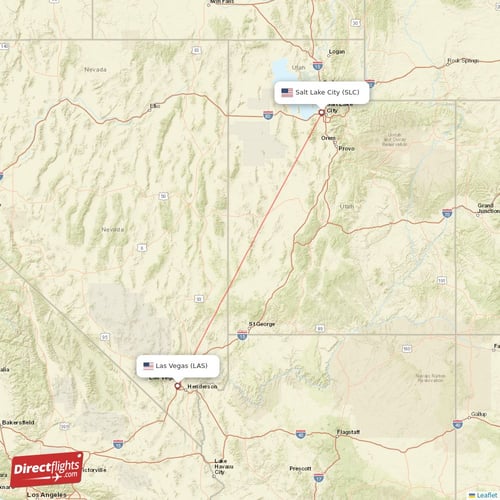
Under ideal driving conditions, with minimal traffic and without significant stops, the estimated driving time is between 6 to 7 hours. This figure, however, is a best-case scenario. Several factors can influence your actual travel time:
- Traffic Congestion: Both Las Vegas and Salt Lake City experience traffic, particularly during peak commuting hours, holidays, and major events. Entering or exiting these cities can add considerable time to your journey.
- Road Construction: As with any major highway system, sections of I-15, the primary route connecting these two cities, may undergo construction, leading to delays and detours. It’s always advisable to check real-time traffic updates before embarking on your drive.
- Weather Conditions: While the route is generally clear year-round, unexpected weather events, especially during winter months in the higher elevations of Utah, can impact driving speed and safety. Snowfall can lead to slower travel times and potential road closures.
- Stops and Breaks: The 6-7 hour estimate assumes continuous driving. Most travelers will need to factor in time for fuel, meals, and rest breaks. Stopping for even 30 minutes can extend your overall travel time.
- Speed Limits and Driving Habits: Adhering to speed limits and factoring in personal driving pace are essential. The speed limit on many stretches of I-15 is 75 or 80 mph, but this can change, and driving at a consistent, safe speed is recommended.
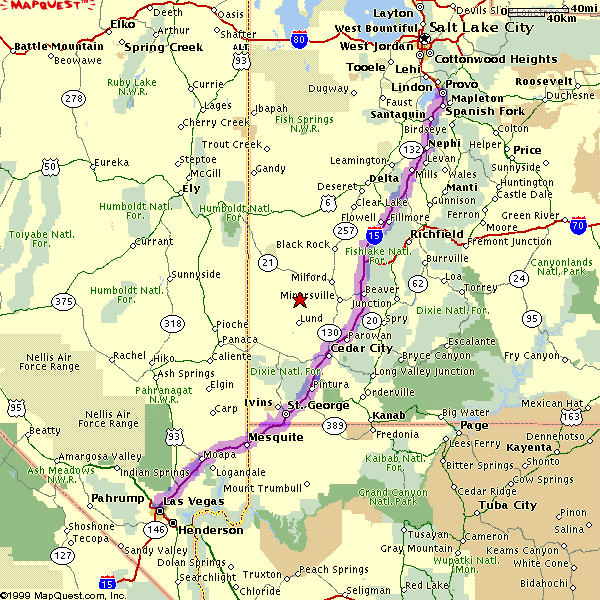
The primary route for this journey is Interstate 15 (I-15), which runs directly from the Salt Lake Valley south through St. George, crossing the border into Arizona for a brief period before entering Nevada and continuing to Las Vegas. This highway is well-maintained and offers a straightforward, if not always the most visually dramatic, driving experience.
Scenic Detours and Points of Interest
While I-15 is efficient, it traverses some less exciting stretches of desert. For those with more time and a desire to explore, several scenic detours can enhance the journey:
Zion National Park
One of the most popular detours is a visit to Zion National Park. Located just off I-15, this park boasts towering sandstone cliffs, narrow canyons, and abundant hiking opportunities. The drive into Zion from I-15 is short, but exploring the park itself can easily add a full day or more to your trip. If you plan to visit, booking accommodation or camping well in advance is highly recommended, especially during peak seasons.
Bryce Canyon National Park and Grand Staircase-Escalante National Monument
Further east, accessible via a more significant detour from I-15, are Bryce Canyon National Park and the vast Grand Staircase-Escalante National Monument. These destinations offer a completely different landscape of hoodoos, slot canyons, and expansive wilderness. Incorporating these into your drive requires significant additional time and planning, often involving overnight stays.
St. George, Utah
The city of St. George, located in southwestern Utah, is a convenient stopping point for a meal or an overnight stay. It offers a pleasant desert climate, numerous golf courses, and access to outdoor recreation in areas like Snow Canyon State Park.
When considering detours, remember that these add significant mileage and time. A quick stop in St. George might add only an hour or two to your trip, while a full exploration of Zion could easily extend it by a day.
The Quickest Route: Flying Between Cities
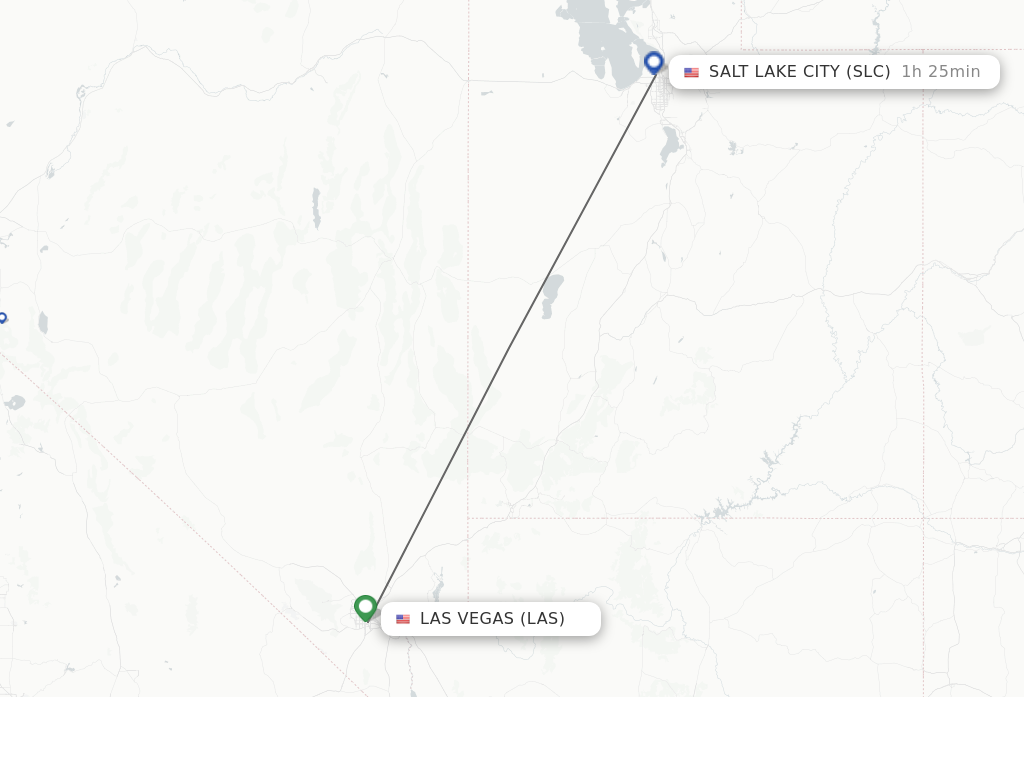
For travelers prioritizing speed and convenience, flying is the most efficient option. Both Salt Lake City International Airport (SLC) and Harry Reid International Airport (LAS) (formerly McCarran International Airport) in Las Vegas are major hubs served by numerous airlines.
The flight time between Salt Lake City and Las Vegas is remarkably short, typically around 1 hour and 15 minutes to 1 hour and 30 minutes in the air. This makes it an ideal option for business travelers or those looking for a weekend getaway without spending a significant portion of their time in transit.
However, the total travel time for a flight involves more than just the time spent in the air:
- Getting to the Airport: Factor in travel time to your departure airport, Salt Lake City International Airport (SLC) or Harry Reid International Airport (LAS), and parking or drop-off time.
- Airport Procedures: Arrive at least 2 hours before domestic flights to allow ample time for check-in, security screening, and boarding. This can vary based on the airport’s size and time of day.
- Waiting and Boarding: Time spent waiting at the gate and boarding the aircraft adds to the overall duration.
- Deplaning and Baggage Claim: Upon arrival in Las Vegas or Salt Lake City, you’ll need time to deplane and, if applicable, collect checked luggage.
- Ground Transportation: From the airport, you’ll need to arrange transportation to your final destination via taxi, rideshare, shuttle, or rental car.
When all these factors are considered, the total door-to-door travel time for a flight can range from 4 to 6 hours, depending on your efficiency and the airport’s operations.
Airlines that frequently operate this route include Delta Air Lines, Southwest Airlines, and Allegiant Air, among others. Booking flights in advance, especially during peak travel seasons or for major events in Las Vegas like the Super Bowl or CES, can help secure better fares and availability.
Bus and Rail Travel Options
While less common for this specific route due to the convenience of driving and flying, bus and rail services do exist, though they are significantly longer and often less direct.
Bus Services
Companies like Greyhound and sometimes smaller charter services operate routes between Salt Lake City and Las Vegas. These journeys are considerably longer than driving, often taking 9 to 12 hours or more, depending on the number of stops and layovers. The primary advantage of bus travel is its affordability, making it an attractive option for budget-conscious travelers. The route primarily follows I-15, with stops in various towns along the way.
Rail Services
Currently, there is no direct passenger rail service connecting Salt Lake City and Las Vegas. While Amtrak operates services in Utah and Nevada, connecting these two specific cities would involve multiple transfers and a very lengthy journey, making it impractical for most travelers. Future high-speed rail projects have been discussed for the region, but none are currently operational.
Choosing the Best Mode of Transport
The ideal way to travel between Salt Lake City and Las Vegas ultimately depends on your priorities:
- For Speed and Convenience: Flying is the undisputed winner. If your time is limited, or you simply want to reach your destination as quickly as possible, a flight is the best choice. Be prepared for the total journey time including airport procedures.
- For Flexibility and Exploration: Driving offers the most freedom. You can stop whenever and wherever you wish, explore scenic routes, and control your schedule entirely. It’s also often the most cost-effective option for groups or families. Be sure to factor in the extra time for potential traffic, construction, and necessary breaks.
- For Budget Travelers: The bus is typically the most economical option, though it comes with the longest travel times. It’s a viable choice if cost is your primary concern and you have ample time to spare.
- For a Unique Experience (Future Possibilities): While not currently an option, the development of high-speed rail could, in the future, offer an interesting alternative that combines speed and a more relaxed travel experience compared to flying.
Understanding the distances and transit times for each mode of transportation will empower you to make the most informed decision for your next trip between the vibrant city of Las Vegas and the gateway to the Rockies, Salt Lake City. Whether you choose the open road, the skies, or a more budget-friendly option, your journey awaits.
LifeOutOfTheBox is a participant in the Amazon Services LLC Associates Program, an affiliate advertising program designed to provide a means for sites to earn advertising fees by advertising and linking to Amazon.com. Amazon, the Amazon logo, AmazonSupply, and the AmazonSupply logo are trademarks of Amazon.com, Inc. or its affiliates. As an Amazon Associate we earn affiliate commissions from qualifying purchases.