
The allure of the Grand Canyon, a monumental testament to nature’s raw power and enduring beauty, often beckons visitors embarking on a trip to the vibrant city of Las Vegas. While Las Vegas dazzles with its glittering resorts, world-class entertainment, and unparalleled nightlife, the majestic expanse of the Grand Canyon offers a profound contrast—a journey into geological history and breathtaking serenity. The question, “How far is Las Vegas from the Grand Canyon?” is a common one for travelers looking to combine the best of both worlds: urban excitement and natural wonder.
The answer isn’t a single, simple distance, as the Grand Canyon is vast and features multiple accessible rims, each offering a unique perspective and varying travel times from Las Vegas. Depending on which rim you choose to visit—the West Rim, the South Rim, or the North Rim—your travel distance and experience will differ significantly. This guide will delve into the distances, travel times, and distinct characteristics of each major access point, helping you plan the perfect itinerary from the entertainment capital of the world to one of Earth’s most iconic natural landmarks. We’ll explore various transportation options, suggest essential tips for a memorable trip, and highlight the unique experiences awaiting you at each part of this extraordinary National Park. Whether you’re seeking a quick day trip or a more immersive multi-day adventure, understanding the logistics is the first step to unlocking an unforgettable Grand Canyon experience.

Navigating the Distances: Exploring the Grand Canyon’s Accessible Rims from Las Vegas
The Grand Canyon is immense, stretching over 277 miles long, up to 18 miles wide, and over a mile deep. Its sheer scale means that accessing different sections from Las Vegas involves distinct journeys. Each rim offers a unique vantage point, a different set of activities, and a varied travel experience, making your choice of rim a crucial decision based on your time constraints, interests, and desired level of adventure.
Grand Canyon West: The Closest Option for a Quick Day Trip
For those primarily based in Las Vegas and seeking the most time-efficient Grand Canyon experience, the Grand Canyon West is unequivocally the closest option. Located on the Hualapai Tribe reservation, this section of the canyon is designed for ease of access and boasts several unique attractions.
Distance and Travel Time:
The Grand Canyon West is approximately 120 miles (193 km) from the Las Vegas Strip.
The average driving time is about 2 to 2.5 hours, making it a very popular choice for day trips.
Key Attractions and Experiences:
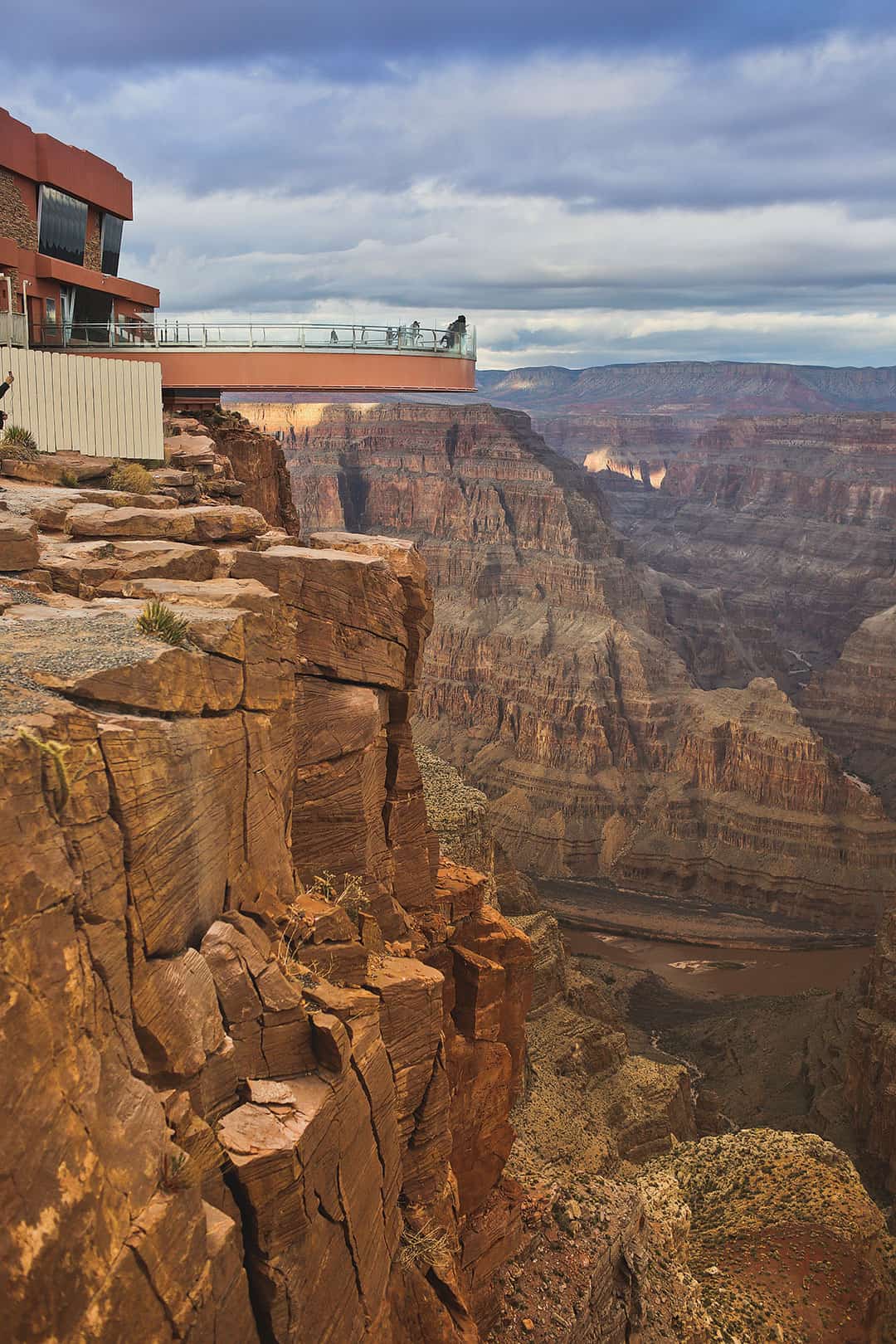
- Skywalk: The most famous attraction at the West Rim is the glass-bottomed Skywalk, an architectural marvel that extends 70 feet over the canyon rim, suspended 4,000 feet above the canyon floor. It offers unparalleled, dizzying views and a thrilling experience for those brave enough to step out onto the transparent walkway.
- Eagle Point: Named for a natural rock formation resembling an eagle, this viewpoint offers stunning vistas and is home to the Skywalk.
- Guano Point: Providing nearly 360-degree panoramic views of the canyon, Guano Point is another must-see. Visitors can hike to the “Highpoint” for even more expansive views.
- Hualapai Ranch: A Western-themed village offering horseback riding, wagon rides, and cowboy entertainment, providing a taste of the Old West.
- Colorado River Adventures: Helicopter tours from the rim down to the canyon floor and pontoon boat rides on the Colorado River are available, offering a different perspective of the canyon’s grandeur.
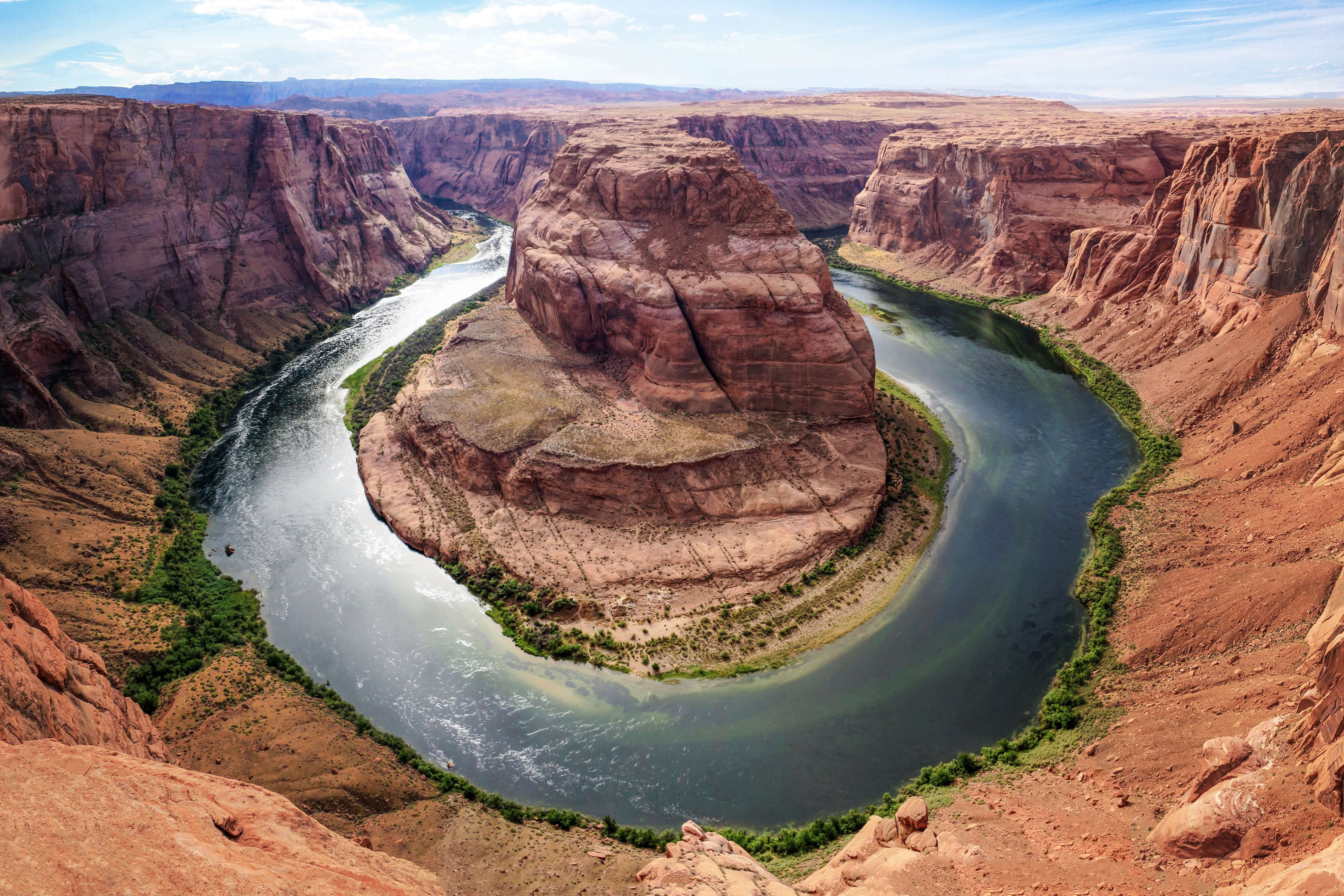
Considerations for Grand Canyon West:
It’s important to note that Grand Canyon West is not part of the Grand Canyon National Park system. It is operated by the Hualapai Tribe, and entrance fees differ from the National Park passes. Its proximity makes it ideal for those on a tight schedule or looking for a shorter, more structured tour experience from Las Vegas.
Grand Canyon South Rim: The Most Popular and Iconic Viewpoint
The Grand Canyon South Rim is the most visited and developed section of the Grand Canyon National Park, renowned for its classic, expansive vistas and a wealth of visitor services and activities. This is often what people envision when they think of the Grand Canyon.
Distance and Travel Time:
The Grand Canyon South Rim is considerably farther than the West Rim, situated approximately 280 miles (450 km) from Las Vegas.
Driving time typically ranges from 4.5 to 5 hours, without significant stops. This distance makes it less suitable for a casual day trip and is often better enjoyed as an overnight stay or a very long day trip.
Key Attractions and Experiences:
- Iconic Viewpoints: The South Rim offers numerous breathtaking viewpoints, including Mather Point, Yavapai Point, Desert View Watchtower, and Hopi Point (famous for sunsets). These points provide sweeping, panoramic views of the canyon’s widest and deepest sections.
- Hiking Trails: For the adventurous, the South Rim provides access to some of the most famous and challenging hiking trails, such as the Bright Angel Trail and the South Kaibab Trail, which descend into the canyon. Day hikes offer incredible perspectives from within the canyon, while multi-day excursions require permits and extensive planning.
- Grand Canyon Village: A historic village offering a variety of lodges, restaurants, gift shops, and the Grand Canyon National Park Visitor Center. This serves as the main hub for services and information.
- Scenic Drives: Hermit Road and Desert View Drive offer picturesque routes along the rim, with shuttle services available during peak seasons to reduce traffic and enhance the visitor experience.
- Museums and Educational Programs: The South Rim features several opportunities for learning about the canyon’s geology, history, and ecology, including ranger programs and museums.
Considerations for Grand Canyon South Rim:
Given the longer travel time, an overnight stay is highly recommended to fully appreciate the South Rim and enjoy activities like hiking or sunrise/sunset viewing. Accommodation options range from historic lodges like the El Tovar Hotel to more modern hotels within Grand Canyon Village or nearby towns like Tusayan and Williams. Booking well in advance, especially for peak seasons, is crucial.
Grand Canyon North Rim: The Secluded and Scenic Escape
The Grand Canyon North Rim offers a distinctly different experience compared to its southern counterpart. Higher in elevation, more remote, and open only seasonally (typically May 15 to October 15), it attracts fewer visitors and boasts a lusher, more forested landscape.
Distance and Travel Time:
The Grand Canyon North Rim is the farthest and most challenging to reach from Las Vegas.
It’s approximately 270 miles (435 km) from Las Vegas, but the driving time is considerably longer, around 5.5 to 6 hours, due to more winding roads and fewer direct routes. While the mileage is similar to the South Rim, the terrain and road conditions make the journey longer.
Key Attractions and Experiences:
- Peaceful Vistas: With fewer crowds, the North Rim offers a more serene and contemplative experience. Views from points like Bright Angel Point, Cape Royal, and Point Imperial are often characterized by deeper greens from the surrounding forests and a unique perspective into the canyon.
- Forests and Wildlife: The higher elevation means cooler temperatures and a more diverse ecosystem, including ponderosa pine forests, aspens, and a greater chance to spot wildlife such as deer, elk, and even bison in the surrounding Kaibab National Forest.
- Unique Hiking Opportunities: The North Rim offers its own set of challenging trails, including the North Kaibab Trail, which descends all the way to the Colorado River and is considered one of the toughest in the park. Shorter, scenic rim trails are also available.
- Grand Canyon Lodge North Rim: The only lodging facility directly on the North Rim, offering rustic charm and unparalleled views.
Considerations for Grand Canyon North Rim:
Due to its remoteness and seasonal access, visiting the North Rim requires more extensive planning. It is best suited for travelers seeking a quieter, more nature-focused experience and who are willing to spend at least one night in the area. Accommodation at the Grand Canyon Lodge North Rim sells out quickly, often a year in advance.
Transportation Options: Making Your Journey from Las Vegas Seamless
Once you’ve decided which rim of the Grand Canyon to visit, the next step is to choose your mode of transportation. From the bustling streets of Las Vegas to the tranquil majesty of the canyon, there are several convenient and exciting ways to travel. Each option offers a different balance of cost, comfort, speed, and scenic appeal, allowing you to tailor your journey to your personal travel style and budget.
Self-Driving: Flexibility and Scenic Stops
Renting a car and driving yourself offers the ultimate flexibility and is a popular choice for many visitors. This option allows you to explore at your own pace, make spontaneous stops, and customize your itinerary.
Advantages:
- Freedom: You dictate your schedule, choose your routes, and decide how long to spend at each viewpoint.
- Cost-Effective for Groups: If traveling with family or friends, a rental car can be more economical than individual tour tickets.
- Scenic Detours: On the way to the Grand Canyon South Rim, you can take detours to places like the Hoover Dam, a marvel of engineering, or historic towns along a section of Route 66 in Arizona, such as Kingman or Seligman. Towards the West Rim, you’ll pass through Boulder City and along Lake Mead.
Considerations:
- Navigation: While routes are generally straightforward, it’s wise to download offline maps as cell service can be spotty in remote areas.
- Fuel and Supplies: Ensure your vehicle is fueled up, and you have enough water and snacks, especially when heading to the more remote North Rim.
- Parking: During peak season, parking at popular viewpoints at the South Rim can be challenging, but shuttle buses are available within the park.
Bus Tours: Convenience and Expert Guidance
For those who prefer a hands-off approach, bus tours are an excellent option. Numerous tour operators in Las Vegas offer guided excursions to both the Grand Canyon West and South Rim.
Advantages:
- Hassle-Free: Transportation, navigation, and often meals are handled by the tour company. You simply relax and enjoy the scenery.
- Knowledgeable Guides: Tour guides provide valuable commentary on the canyon’s geology, history, and culture, enriching your experience.
- Social Aspect: A great way to meet fellow travelers.
- Safety: You avoid the stress of driving in unfamiliar territory, particularly after a long day of sightseeing.
Considerations:
- Fixed Itinerary: Tours follow a set schedule, offering less flexibility for spontaneous stops or extended time at specific locations.
- Crowds: Bus tours can sometimes feel crowded, especially during peak travel seasons.
- Limited to West and South Rims: Most bus tours focus on the West Rim for day trips and the South Rim for longer excursions, with the North Rim being less common due to its remoteness and seasonal access.
Air Tours: The Ultimate Grandeur and Time-Saving Luxury
For the most spectacular views and an incredibly efficient use of time, an air tour from Las Vegas to the Grand Canyon is an unforgettable luxury travel experience. Both helicopter and fixed-wing airplane tours are available.
Advantages:
- Breathtaking Aerial Views: Witness the immense scale and intricate beauty of the canyon from a unique vantage point, often including flyovers of the Hoover Dam and Lake Mead.
- Time-Saving: Air tours drastically cut down on travel time, allowing you to experience the Grand Canyon in just a few hours.
- Exclusive Experiences: Some helicopter tours land on the canyon floor at the West Rim for picnics or boat rides on the Colorado River.
Considerations:
- Cost: Air tours are typically the most expensive option.
- Limited Ground Time: While the aerial views are incredible, ground time at the canyon rims may be limited or non-existent depending on the tour package.
- Weather Dependent: Flights can be canceled or delayed due to adverse weather conditions.
Planning Your Grand Canyon Adventure: Tips for an Unforgettable Experience
A journey from the dazzling lights of Las Vegas to the ancient majesty of the Grand Canyon is a truly iconic American travel experience. To ensure your trip is as smooth and memorable as the canyon itself, careful planning is essential. From choosing the right time to visit to finding the perfect accommodation and knowing what to expect, these tips will help you craft an unforgettable adventure.
Choosing Your Grand Canyon Rim: Tailoring to Your Trip Style
Your choice of rim significantly impacts your travel time, the type of experience, and the overall atmosphere of your visit.
- For Speed and Thrills (Day Trip): If time is limited and you crave a unique experience like the Skywalk, the Grand Canyon West is your best bet. It’s easily accessible from Las Vegas for a half-day or full-day excursion.
- For Classic Vistas and Extensive Activities (Overnight Recommended): The Grand Canyon South Rim offers the most iconic views, extensive hiking trails, and comprehensive visitor services. It’s ideal for those who want a more immersive National Park experience, often requiring an overnight stay to fully appreciate.
- For Seclusion and Nature (Multi-Day, Seasonal): The Grand Canyon North Rim, open only in warmer months, provides a quieter, more forested setting. It’s perfect for nature lovers seeking solitude and more challenging backcountry experiences, best suited for a multi-day trip.
Accommodation: From Desert Retreats to National Park Lodges
Accommodation is a key consideration, especially if you plan to extend your stay beyond a day trip.
- Near Grand Canyon West: Options are limited directly at the West Rim (Hualapai Ranch offers rustic cabins). Many visitors return to Las Vegas for their accommodation or stay in nearby towns like Peach Springs.
- Near Grand Canyon South Rim: A wide range of options exists. Inside the park, historic lodges such as El Tovar Hotel, Bright Angel Lodge, Yavapai Lodge, and Maswik Lodge offer unparalleled access to the rim but book up extremely quickly, sometimes a year in advance. Outside the park, the town of Tusayan (just 10 minutes from the south entrance) offers several hotels like The Grand Hotel at the Grand Canyon. Further afield, the charming town of Williams on Route 66 or the larger city of Flagstaff provide more choices, though they add to your daily commute.
- Near Grand Canyon North Rim: The only lodging directly on the rim is the historic Grand Canyon Lodge North Rim. Alternatives involve staying in much smaller, more remote towns outside the park, requiring significant driving. Due to its limited capacity and seasonal opening, booking well in advance is crucial.
Best Time to Visit: Weather and Crowds
The timing of your visit can significantly impact your experience.
- Spring (April-May) and Fall (September-October): These are generally considered the best times to visit the Grand Canyon. The weather is mild, ideal for hiking, and the crowds are more manageable than in summer. The North Rim is typically open during these periods.
- Summer (June-August): While popular, summer brings intense heat (especially at the bottom of the canyon) and the largest crowds. Reservations for lodging and tours are essential. The South Rim can still be pleasant, but prepare for high temperatures during the day.
- Winter (November-March): The South Rim remains open year-round, offering a unique, tranquil experience with snow-dusted views, fewer crowds, and stunning photography opportunities. However, some roads and services may be closed, and temperatures can be very cold. The North Rim is closed during winter.
What to Pack and Prepare For: Essentials for Your Trip
Regardless of when you visit, certain preparations are universal:
- Hydration: Bring plenty of water, especially if hiking, as the desert climate is very dry.
- Layers: Temperatures can vary drastically between day and night, and between the rim and the canyon floor. Dress in layers.
- Sun Protection: Hat, sunglasses, and high-SPF sunscreen are essential to protect against the intense Arizona sun.
- Sturdy Footwear: Comfortable walking shoes are a must, and hiking boots are recommended if you plan to hit the trails.
- Snacks: While food options are available, having your own snacks can be convenient and cost-effective.
- Camera: You’ll want to capture the unparalleled beauty of the canyon.
- Park Pass/Entrance Fees: Be aware of the entrance fees for Grand Canyon National Park or the Hualapai Tribe (for Grand Canyon West). Consider purchasing an America the Beautiful Pass if you plan to visit multiple National Parks.
- Booking in Advance: For accommodation, popular tours (especially air tours), and even some restaurant reservations, booking well in advance is highly recommended, particularly for peak seasons.
Experiencing the Canyon: Activities Beyond the Viewpoints
The Grand Canyon offers a multitude of activities beyond simply gazing at its immensity:
- Hiking: From easy rim walks to challenging multi-day treks into the canyon.
- Mule Rides: A historic way to descend into the canyon, offering a unique perspective.
- Rafting: White-water rafting trips on the Colorado River provide an unparalleled adventure, ranging from single-day excursions to multi-week journeys.
- Helicopter and Airplane Tours: As mentioned, these offer breathtaking aerial views.
- Stargazing: Away from city lights, the Grand Canyon is an International Dark Sky Park, offering incredible opportunities for stargazing.
- Photography: The ever-changing light and shadow, combined with the canyon’s dramatic landscapes, make it a photographer’s paradise.
In conclusion, the journey from Las Vegas to the Grand Canyon is more than just covering distance; it’s transitioning from one extreme of human endeavor to another of natural grandeur. Whether you opt for the quick, thrilling visit to the West Rim, the classic, immersive experience of the South Rim, or the secluded beauty of the North Rim, careful planning will ensure your trip is filled with awe-inspiring moments and lasting memories. This geological masterpiece, just a drive or flight away, promises an escape from the ordinary and a deep connection with the raw power of nature.
LifeOutOfTheBox is a participant in the Amazon Services LLC Associates Program, an affiliate advertising program designed to provide a means for sites to earn advertising fees by advertising and linking to Amazon.com. Amazon, the Amazon logo, AmazonSupply, and the AmazonSupply logo are trademarks of Amazon.com, Inc. or its affiliates. As an Amazon Associate we earn affiliate commissions from qualifying purchases.