
There’s an undeniable magic that blankets New York when the first snowflakes begin to fall, transforming the bustling metropolis into a sparkling winter wonderland. For travelers dreaming of experiencing the iconic cityscape under a fresh layer of white, understanding when to expect this enchanting phenomenon is key to planning the perfect getaway. New York City, a global hub of culture, tourism, and lifestyle, offers an unparalleled winter experience, from the serene beauty of snow-dusted parks to the festive glow of holiday lights. Whether you’re planning a romantic escape, a family vacation, or a solo adventure, timing your visit to coincide with snowfall can elevate your journey from memorable to truly unforgettable. This comprehensive guide will delve into the typical timeline for snow in the Big Apple, explore the factors that influence its arrival, highlight must-see attractions, and provide essential tips for navigating and enjoying this magnificent city during the colder months. Get ready to discover the ultimate winter travel experience in one of the world’s most captivating destinations.

The Anticipation: Understanding New York’s Winter Climate
The anticipation of snow in New York builds as autumn leaves give way to crisp, colder air. While the first significant snowfall can sometimes feel like a surprise, historical weather patterns offer a reliable guide for eager visitors. Understanding the city’s climate and the typical progression into winter is essential for any traveler hoping to catch a glimpse of a snow-covered skyline.
Averages and Early Flurries
Historically, the metropolitan area of New York City typically sees its first snowfall sometime in late November or early December. It’s not uncommon for a few light flurries to dust the city around Thanksgiving, signaling the official start of the winter season. However, these early snowfalls are often minor, sometimes just enough to cover the ground temporarily before melting.
For more substantial, picturesque snow that lingers and transforms the city, visitors generally find better luck from mid-December through February. January and February are statistically the snowiest months, offering the highest probability of experiencing a significant accumulation. During these months, temperatures consistently drop below freezing, creating ideal conditions for snow to form and stick. The average annual snowfall in New York City is around 25 to 30 inches, though this can vary greatly year to year. Some winters might bring several large blizzards, while others might see lighter, more infrequent snow events. Travelers planning their trip purely for snow-watching should aim for late January to mid-February to maximize their chances.
Factors Influencing Snowfall
Several meteorological factors play a crucial role in determining when and how much snow New York receives. Its geographical location on the east coast of the United States, combined with various weather patterns, creates a dynamic winter environment.
Temperature: The most obvious factor is temperature. For snow to fall and accumulate, air temperatures must be at or below freezing (32°F or 0°C) from the cloud base to the ground. If temperatures are slightly above freezing near the surface, snow may turn to rain or a mix of rain and sleet before reaching the ground.
Moisture: Equally important is the presence of sufficient moisture in the atmosphere. Winter storms that bring significant snowfall to New York often originate as low-pressure systems over the Atlantic Ocean, drawing moisture inland. These systems, frequently referred to as Nor’easters, can deliver substantial amounts of snow, sometimes coupled with strong winds, creating blizzard conditions.
Atmospheric Pressure Systems: The interaction of high and low-pressure systems guides the path of winter storms. A cold high-pressure system positioned to the north or west of New York can provide the necessary cold air, while a low-pressure system moving up the coast can supply the moisture and lift needed for heavy precipitation. The precise track of these storms dictates whether New York City receives rain, a wintry mix, or a full-blown snow event. The timing of these factors aligning perfectly is what determines the arrival of that magical first snowfall and subsequent winter storms.

Iconic Winter Experiences and Attractions in New York
Once the snow begins to fall, New York City transforms into a postcard-perfect destination, offering a plethora of iconic winter experiences. From world-famous landmarks dusted in white to festive activities that capture the spirit of the season, a snowy visit to the Big Apple is an unforgettable journey into tourism and local culture.
Must-Visit Landmarks in the Snow
Many of New York’s most famous sites gain an extra layer of charm and beauty under a blanket of snow. These destinations become even more picturesque, offering unique photo opportunities and a sense of serene wonder amidst the urban bustle.
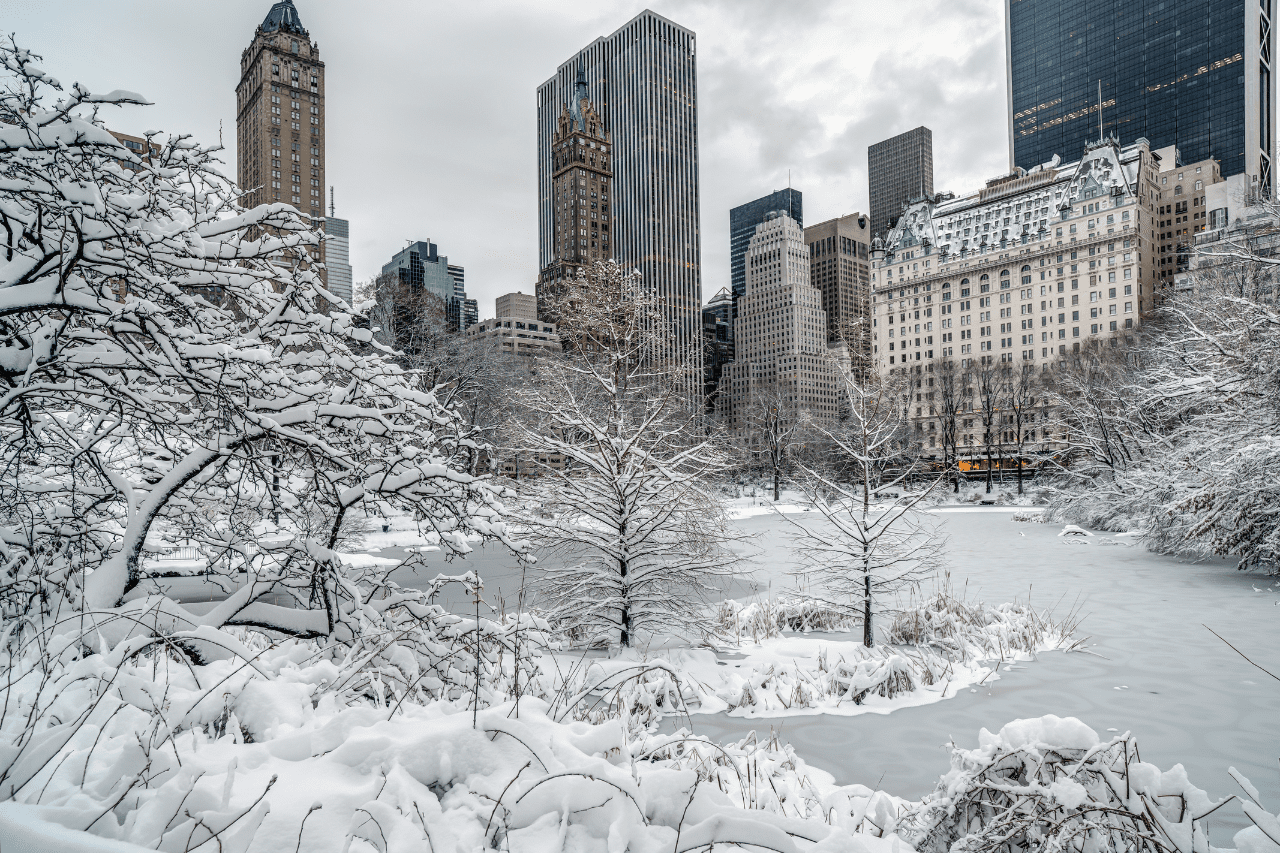
Central Park: Perhaps no place embodies the magic of a snowy New York more than Central Park. Miles of winding paths, frozen ponds, and snow-laden trees create a breathtaking landscape ideal for leisurely strolls, snowball fights, or even cross-country skiing. The iconic Wollman Rink, nestled within the park, becomes a bustling hub for ice skating, offering stunning views of the surrounding Manhattan skyline. A walk across the Bow Bridge or a visit to Belvedere Castle in the snow is a truly enchanting experience.
Rockefeller Center: During the holiday season, and often extending into January, Rockefeller Center is a beacon of winter festivities. The towering Christmas tree, sparkling with thousands of lights, and the famous ice-skating rink below create an atmosphere of unparalleled joy. Even after the tree comes down, the sheer architectural grandeur of the complex is impressive, made even more dramatic by falling snow. This area is a prime example of New York’s vibrant lifestyle and tourist appeal.
Times Square: While often chaotic, Times Square takes on a different kind of magic when snowflakes dance amidst its dazzling billboards. The reflective surfaces catch the light, creating an otherworldly glow. Experiencing the vibrant energy of this landmark during a snowfall is a unique contrast that captures the essence of New York City’s enduring spirit.
Brooklyn Bridge: Walking across the Brooklyn Bridge on a snowy day offers unparalleled panoramic views of the Manhattan skyline, the Statue of Liberty, and the distant borough of Brooklyn, all dusted in white. The intricate cables and Gothic arches become even more striking against a snowy backdrop, making for an unforgettable architectural and natural spectacle.
Empire State Building: Ascending to the observation decks of the Empire State Building provides a breathtaking bird’s-eye view of a snow-covered New York. Seeing the sprawling urban landscape transformed into a pristine, white tapestry is a truly awe-inspiring sight, allowing visitors to appreciate the city’s scale and beauty from a unique vantage point.
Festive Activities and Events
Beyond sightseeing, New York embraces winter with a host of seasonal activities that appeal to every traveler’s interest, from local culture to unique experiences.
Holiday Markets: The city is famous for its charming holiday markets, which typically run from late November through Christmas Eve, sometimes extending into the New Year. The Bryant Park Winter Village is a standout, featuring an ice-skating rink and dozens of artisanal vendors. The Union Square Holiday Market also offers a wide array of handcrafted goods and delectable treats, perfect for finding unique gifts and enjoying local flavors. These markets are a testament to New York’s vibrant tourism scene and its emphasis on unique shopping experiences.
Ice Skating Rinks: In addition to Wollman Rink in Central Park and the rink at Rockefeller Center, other popular ice-skating venues include the Rink at Brookfield Place and the outdoor rinks at various other parks. Each offers a different atmosphere, from bustling and festive to more serene, providing opportunities for both experienced skaters and novices to enjoy this classic winter pastime.
New Year’s Eve Celebrations: If your snowy visit extends to the end of December, New York City is synonymous with the world-renowned Times Square ball drop. While experiencing it firsthand requires careful planning and braving the crowds, the city offers countless other ways to celebrate the new year, from elegant galas at luxury hotels to fireworks displays. Even without attending the ball drop directly, the festive spirit permeates the entire city. These events showcase the vibrant lifestyle and diverse attractions that make New York a top travel destination.
Planning Your Snowy New York Getaway
Planning a winter trip to New York requires careful consideration, especially if you’re hoping for snow. From securing the right accommodation to knowing what to pack and how to navigate the city, these tips will ensure a comfortable and enjoyable experience amidst the enchanting winter landscape.
Accommodation Choices for Winter Travelers
New York City offers an extensive range of accommodation options to suit every budget and lifestyle, from opulent luxury hotels to cozy boutique apartments and budget-friendly stays. Booking in advance is highly recommended, especially if you’re traveling during the peak holiday season (mid-December to early January) or hoping to catch a specific snowfall period.
For those seeking a luxurious winter retreat, iconic hotels like The Plaza Hotel overlooking Central Park, the sophisticated St. Regis New York on Fifth Avenue, or the elegant Lotte New York Palace near Rockefeller Center offer unparalleled amenities and services. These establishments often feature exquisite dining, spa facilities, and breathtaking views, providing a warm and lavish sanctuary after a day exploring the snowy city. Many properties from well-known brands like Hilton and Marriott also offer excellent options across various price points, from full-service hotels to more extended stay residences, catering to different travel preferences.
If you prefer a more local experience, consider booking an apartment or boutique hotel in neighborhoods such as Greenwich Village, SoHo, or the Upper West Side. These areas provide a taste of local life, with charming streets, independent shops, and a more intimate atmosphere. For budget-conscious travelers, hostels and guesthouses are available, particularly in Brooklyn and parts of Queens, offering a cost-effective way to enjoy the city. Regardless of your choice, look for accommodations with good heating and perhaps a cozy common area to relax in after a chilly day out. Reviews and comparison websites on our platform can help you find the perfect stay.
Essential Packing and Travel Tips
Preparing for a winter trip to New York means prioritizing warmth and comfort.
Warm Clothing is Key: Layers are your best friend. Pack thermal underwear, warm sweaters, waterproof and windproof outer layers (jacket and pants), a warm hat that covers your ears, waterproof gloves or mittens, and a thick scarf.
Waterproof Footwear: Snow and slush can make sidewalks slippery and wet. Invest in waterproof boots with good traction to keep your feet dry and warm. Wool socks are also highly recommended.
Essentials: Don’t forget lip balm, moisturizer, and hand warmers, as the cold, dry air can be harsh on skin. A portable power bank for your phone is also useful, as cold weather can drain batteries faster.
Travel Insurance: For any winter trip, especially one where weather can cause delays or cancellations, comprehensive travel insurance is a wise investment. It can cover everything from flight disruptions to lost luggage or medical emergencies.
Flexibility: While planning for snow is exciting, weather is unpredictable. Remain flexible with your itinerary. Some outdoor activities might be postponed or canceled due to heavy snowfall or extreme cold.
Navigating the City During Snowfall
Experiencing New York in the snow is magical, but it also requires practical navigation strategies.
Public Transportation: The MTA subway system is often the most reliable way to get around New York City during or after a snowfall, as it runs underground and is less affected by surface conditions than buses or taxis. Be prepared for potential delays or service changes on surface routes.
Walk Safely: While walking through snow-dusted streets is enchanting, be mindful of slippery sidewalks, black ice, and falling snow or ice from buildings. Look up and watch your step.
Warm Up Regularly: Pop into one of New York’s’s countless cafes, museums, or shops to warm up with a hot drink or a comforting meal. This is also a great opportunity to soak in the local culture and escape the cold for a bit. Enjoy classic New York comfort food like a slice of pizza, a steaming bowl of ramen, or a hearty diner breakfast.
Embrace the Experience: Don’t let a little cold or snow deter you. The city takes on a unique character in winter, quieter and more reflective in some areas, yet still vibrant and bustling. Enjoy the slower pace, the stunning visuals, and the festive atmosphere.
Beyond the City: Exploring Upstate New York in Winter
While New York City offers a quintessential urban winter experience, the broader New York State also boasts incredible snowy landscapes and activities. For those with a love for outdoor adventures and scenic retreats, venturing beyond the five boroughs can complement your city trip with a completely different kind of winter magic, expanding your travel experiences and showcasing another facet of North America’s diverse attractions.
Winter Sports and Scenic Retreats
Upstate New York transforms into a premier destination for winter sports enthusiasts and nature lovers when the snow arrives. The region is dotted with majestic mountain ranges, picturesque towns, and vast wilderness areas perfect for skiing, snowboarding, and other cold-weather pursuits.
Catskill Mountains: Just a few hours’ drive north of New York City, the Catskill Mountains offer a serene escape with charming ski resorts like Hunter Mountain and Belleayre Mountain. These resorts provide slopes for all skill levels, from beginner runs to challenging black diamonds, along with snowboarding parks, tubing, and cross-country skiing trails. Many towns in the Catskills, such as Phoenicia or Windham, offer cozy accommodation options, from rustic cabins to boutique hotels, perfect for a weekend retreat.
Adirondack Mountains: Further north, the expansive Adirondack Mountains region is a winter paradise. Home to the Olympic village of Lake Placid, this area is renowned for its world-class skiing at Whiteface Mountain, ice climbing, snowshoeing, and dog sledding. Lake Placid itself offers a vibrant winter atmosphere, with a quaint main street, charming restaurants, and various winter festivals. The Adirondacks provide opportunities for a luxury travel experience with high-end resorts, as well as more budget-friendly options for those focused on outdoor activities.
Other Activities: Beyond skiing and snowboarding, Upstate New York offers opportunities for ice fishing, snowmobiling, and exploring snow-covered state parks. Many towns host winter carnivals and events, providing a glimpse into local culture and community spirit. The transition from the urban spectacle of Manhattan to the tranquil, snow-laden forests of Upstate New York highlights the incredible diversity of experiences available within a single state. Whether you’re seeking an adrenaline-pumping adventure or a peaceful scenic getaway, the snowy landscapes of Upstate New York provide the perfect complement to a city exploration. This region truly showcases the breadth of tourism offerings, catering to both the active lifestyle enthusiast and those seeking serene natural beauty.
Conclusion
The first snowfall in New York marks the beginning of a truly magical season, transforming the bustling metropolis into a breathtaking winter wonderland. While the exact timing can vary, travelers planning to witness this enchanting spectacle should aim for visits between late November and February, with January and February offering the highest probability of significant snow accumulation.
From the serene, snow-dusted paths of Central Park to the festive glow of Rockefeller Center and the iconic views from the Brooklyn Bridge, New York City offers a unique blend of landmark sightseeing, vibrant lifestyle, and cultural experiences made even more special by the snow. Whether you’re indulging in luxury travel with a stay at The Plaza Hotel, exploring local cuisine at a cozy café, or venturing beyond the city to the snowy peaks of the Catskill Mountains, a winter trip to New York promises unforgettable memories.
Remember to plan your accommodation in advance, pack wisely for the cold, and utilize the efficient public transportation system to navigate the city. Embrace the unpredictable nature of winter weather with flexibility and an open mind, and you’ll discover a side of New York that is both captivating and profoundly beautiful. So, prepare your warmest clothes, anticipate the glistening snow, and embark on an extraordinary winter adventure in one of the world’s most iconic destinations.
LifeOutOfTheBox is a participant in the Amazon Services LLC Associates Program, an affiliate advertising program designed to provide a means for sites to earn advertising fees by advertising and linking to Amazon.com. Amazon, the Amazon logo, AmazonSupply, and the AmazonSupply logo are trademarks of Amazon.com, Inc. or its affiliates. As an Amazon Associate we earn affiliate commissions from qualifying purchases.