
When planning a journey that bridges the glittering allure of Las Vegas with the rugged beauty of Arizona, the question of distance is paramount. This isn’t just about miles on a map; it’s about understanding the gateways to adventure, the diverse landscapes that unfold, and the myriad experiences awaiting travelers. Arizona, a state renowned for its dramatic canyons, vibrant deserts, and rich cultural tapestry, offers a stark yet complementary contrast to the non-stop energy of Las Vegas. Whether you’re seeking a quick scenic drive, a dedicated exploration of Grand Canyon National Park, or a deep dive into the historical depths of Tombstone, knowing the travel times and optimal routes is the first step in crafting an unforgettable trip.

The distance from Las Vegas to Arizona is not a singular figure. It varies significantly depending on your specific destination within the vast Grand Canyon State. Arizona is a large state, bordering Nevada, Utah, Colorado, New Mexico, and Mexico. Consequently, the proximity to Las Vegas can range from a few hours’ drive to a more substantial expedition. This article will guide you through the key distances, popular routes, and travel considerations, ensuring your transition from the neon glow to the natural wonders is as seamless and exciting as possible.
Navigating the Routes: Distance and Travel Times to Key Arizona Destinations
The journey from Las Vegas to Arizona is largely dictated by your chosen endpoint. The most common and iconic destination is, without a doubt, the majestic Grand Canyon. However, Arizona boasts a wealth of other attractions, each with its own unique distance and travel profile from Las Vegas. Understanding these variations is crucial for efficient planning, whether you’re looking for a short excursion or a multi-day road trip.
The Gateway to the Grand Canyon
The Grand Canyon National Park is a magnet for visitors arriving from Las Vegas. There are two primary entrances to consider for this natural wonder, each offering a distinct experience and travel time.
South Rim: The Classic Grand Canyon Experience
The most popular and accessible entrance to the Grand Canyon is the South Rim. This side of the park offers iconic viewpoints, extensive visitor facilities, and the most extensive trail networks. The drive from Las Vegas to the South Rim of the Grand Canyon is approximately 270-280 miles. This journey typically takes around 4 to 4.5 hours of driving, depending on traffic and the speed at which you traverse the highways. The route usually involves heading southeast from Las Vegas on US-93 S, crossing the Hoover Dam, and then continuing on AZ-66 E and AZ-64 S.
This route is not just a transit path; it’s an integral part of the travel experience. A stop at the historic Hoover Dam is practically a rite of passage, offering impressive engineering feats and stunning views of Lake Mead. Further along, the quirky town of Seligman, often cited as a birthplace of the historic Route 66, provides a nostalgic glimpse into a bygone era. Once you reach the Grand Canyon, prepare for awe-inspiring vistas at Mather Point, Yavapai Point, and Grandview Point, among others. Accommodation options range from historic lodges like the El Tovar Hotel to more modern facilities and campgrounds within the park and in nearby Tusayan.
West Rim: Skywalk and Proximity
For those seeking a shorter drive and a unique perspective, the West Rim of the Grand Canyon offers an alternative. This section is not part of the National Park but is on Hualapai tribal land and is home to the famous Grand Canyon Skywalk. The distance from Las Vegas to the West Rim is significantly shorter, around 120-130 miles. This translates to a driving time of approximately 2.5 to 3 hours. The most direct route involves heading northwest out of Las Vegas on US-95 N and then taking NV-163 E and Pierce Ferry Road.
The West Rim offers a different, more accessible experience of the canyon. The Grand Canyon Skywalk, a horseshoe-shaped glass bridge extending 70 feet over the canyon, provides a thrilling, albeit more commercialized, encounter with the immense drop. Other attractions at the West Rim include Eagle Point, Guano Point, and opportunities for helicopter tours and Hualapai cultural demonstrations. While it doesn’t offer the expansive vistas of the South Rim, its proximity makes it an attractive day trip or a shorter overnight stay for those with limited time.
Beyond the Grand Canyon: Other Arizona Gems
While the Grand Canyon often steals the spotlight, Arizona is brimming with diverse destinations, each offering unique travel experiences and varying distances from Las Vegas.
Sedona: Red Rocks and Spiritual Vibes
Sedona, famous for its vibrant red rock formations and renowned spiritual vortexes, is another popular destination accessible from Las Vegas. The drive to Sedona is approximately 280-300 miles, typically taking around 4.5 to 5 hours. The most common route involves heading south on US-93 S, then taking I-40 E towards Flagstaff, and finally heading south on AZ-89A.
This scenic route takes you through diverse landscapes, offering opportunities to stop in towns like Kingman or the mountain city of Flagstaff, which itself is a gateway to more northern Arizona attractions. In Sedona, visitors can explore art galleries, hike among the breathtaking red rocks (like Cathedral Rock or Bell Rock), experience a spa treatment, or participate in spiritual workshops. The town offers a wide range of accommodation, from luxury resorts and boutique hotels to cozy bed and breakfasts, catering to various budgets and preferences.
Phoenix and Scottsdale: Urban Sophistication and Desert Landscapes
The metropolitan heart of Arizona, comprised of Phoenix and its upscale neighbor Scottsdale, offers a different kind of experience. The distance to Phoenix from Las Vegas is approximately 300 miles, with a driving time of around 4.5 to 5 hours. The most direct route is typically I-11 S to US-93 S, continuing on I-10 E towards Phoenix.
Phoenix and Scottsdale are hubs of culture, dining, shopping, and outdoor adventure. Visitors can explore world-class museums, vibrant nightlife, championship golf courses, and stunning desert botanical gardens, such as the Desert Botanical Garden. The surrounding Sonoran Desert provides ample opportunities for hiking, exploring the Camelback Mountain, and enjoying the unique desert flora and fauna. Accommodation in this region is plentiful, ranging from sprawling resorts with extensive amenities to business-oriented hotels and charming boutique inns.
Tucson: History, Culture, and the Sonoran Desert
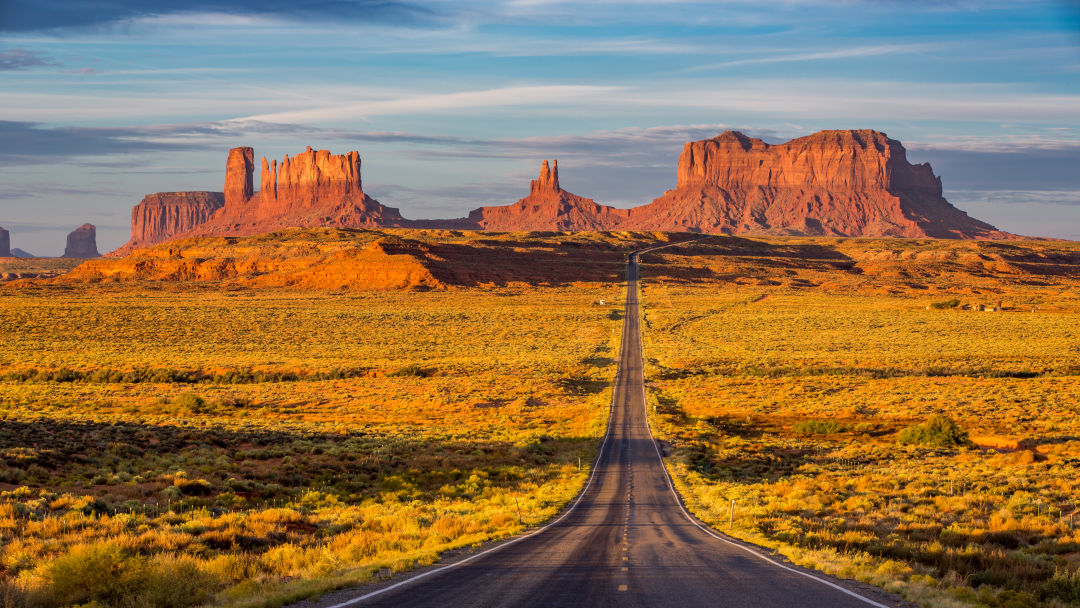
Further south, Tucson offers a rich blend of history, culture, and the captivating beauty of the Sonoran Desert. The drive from Las Vegas to Tucson is a longer one, around 470-480 miles, taking approximately 6.5 to 7.5 hours. The typical route involves heading south on I-11 S to US-93 S, continuing on I-10 E towards Tucson.
Tucson is a UNESCO City of Gastronomy, offering a vibrant culinary scene influenced by its Mexican heritage. The city is also home to the Saguaro National Park, the Arizona-Sonora Desert Museum, Mission San Xavier del Bac, and the historic downtown area with its vibrant arts and cultural scene. It’s an excellent destination for those interested in a more laid-back desert experience, rich history, and authentic Southwestern culture.
Planning Your Arizona Adventure: Travel Tips and Considerations
Embarking on a journey from Las Vegas to Arizona requires thoughtful planning to maximize your experience and ensure a smooth transition between these contrasting locales. Factors such as time of year, mode of transport, and desired activities will significantly influence your trip.
Choosing Your Mode of Transport
The most common and flexible way to travel from Las Vegas to Arizona is by car. Renting a car in Las Vegas provides the freedom to explore at your own pace, stop at roadside attractions, and navigate the diverse terrains of Arizona. Major car rental companies are readily available at McCarran International Airport (LAS) and throughout the city.
For those who prefer not to drive, flying into Phoenix Sky Harbor International Airport (PHX) or Tucson International Airport (TUS) from Las Vegas is an option. Several airlines operate direct flights, making this a quicker, albeit less scenic, way to reach Arizona. Once in Arizona, you can utilize ride-sharing services, public transportation in larger cities like Phoenix and Tucson, or book local tours and shuttles to reach specific attractions.
Bus services also operate between Las Vegas and major Arizona cities, offering a more budget-friendly alternative. However, these journeys can be longer, and you will have less flexibility for spontaneous stops.
The Best Times to Visit
The best time to visit Arizona from Las Vegas largely depends on the specific region and your tolerance for heat. The spring (March to May) and fall (September to November) offer the most pleasant weather across the state. During these seasons, temperatures are milder, making outdoor activities like hiking and exploring the Grand Canyon more enjoyable.
Summer (June to August) can be extremely hot, especially in the desert regions like Phoenix and Tucson, with temperatures frequently exceeding 100°F (38°C). However, this is also the monsoon season, which can bring dramatic thunderstorms and cooler air. The Grand Canyon‘s higher elevation offers some respite from the extreme heat, but it can still get warm.
Winter (December to February) is generally mild in southern Arizona, with comfortable temperatures perfect for exploring. However, the northern parts of the state, including the Grand Canyon‘s North Rim (which is often closed due to snow), can experience cold weather and snow.
Accommodation and Booking
Arizona offers a wide spectrum of accommodation options to suit every traveler’s needs and budget. In popular tourist destinations like the Grand Canyon, Sedona, Phoenix, and Tucson, you’ll find everything from luxurious resorts and boutique hotels to budget-friendly motels and vacation rentals.
Booking your accommodation in advance is highly recommended, especially during peak seasons and for popular locations such as inside Grand Canyon National Park. Hotels within the park, like those managed by Xanterra Parks & Resorts, often book up months, sometimes even a year, in advance. Nearby towns like Tusayan (for the South Rim) and Williams (a Route 66 town) also provide numerous lodging options.
For those seeking unique stays, consider glamping experiences near the Grand Canyon, spa resorts in Sedona, or historic hotels in Tombstone. Websites like Booking.com, Expedia, and Airbnb are excellent resources for comparing prices, reading reviews, and securing your ideal lodging.

Embracing the Lifestyle: From Luxury to Budget
The journey from Las Vegas to Arizona can be tailored to various lifestyles.
Luxury Travel: Indulge in the upscale resorts of Scottsdale with their world-class spas and golf courses, or experience fine dining in Phoenix. Consider a private helicopter tour over the Grand Canyon for an unparalleled perspective. Many luxury accommodations offer exclusive amenities and personalized services.
Budget Travel: Embrace the spirit of the open road with a road trip, staying in charming roadside motels along historic Route 66. Campgrounds in National Parks and national forests offer an affordable way to experience nature. Pack picnics and enjoy the stunning scenery without breaking the bank. Utilize public transport in cities or consider rideshares for shorter distances.
Family Trips: The Grand Canyon is an unforgettable destination for families, offering junior ranger programs and easy walking trails. Sedona provides opportunities for gentle hikes and stargazing. Phoenix has interactive museums like the Arizona Science Center and the Children’s Museum of Phoenix. Renting a spacious villa or apartment can provide more room and amenities for families.
Business Stays: For business travelers, Phoenix and Scottsdale offer a plethora of well-equipped hotels with business centers, conference facilities, and convenient access to commercial districts. While the primary focus might be business, the proximity to desert landscapes and cultural attractions allows for some leisure exploration.
By considering these distances, routes, and travel styles, your trip from the vibrant energy of Las Vegas to the breathtaking natural wonders and rich culture of Arizona will be an adventure thoughtfully planned and richly experienced.
LifeOutOfTheBox is a participant in the Amazon Services LLC Associates Program, an affiliate advertising program designed to provide a means for sites to earn advertising fees by advertising and linking to Amazon.com. Amazon, the Amazon logo, AmazonSupply, and the AmazonSupply logo are trademarks of Amazon.com, Inc. or its affiliates. As an Amazon Associate we earn affiliate commissions from qualifying purchases.