
Traveling between the glittering neon lights of Las Vegas and the rugged, mile-high vistas of Denver is a journey that captures the essence of the American West. Spanning two distinct landscapes—the harsh, beautiful Mojave Desert and the towering, snow-capped peaks of the Rocky Mountains—this route offers travelers a unique perspective on the geography of the United States. Understanding the distance, travel methods, and logistical nuances is essential for planning an efficient and enjoyable excursion between these two iconic cities.
Distance and Travel Logistics
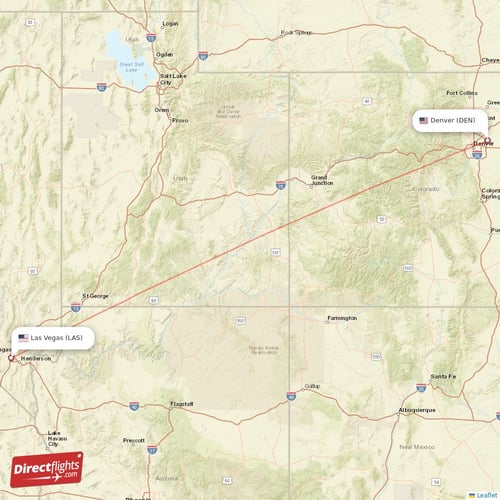
The physical distance between Las Vegas and Denver is approximately 750 miles when traveling by road. While this might seem like a straightforward trek, the drive takes roughly 11 to 12 hours of pure transit time, assuming consistent speeds and minimal traffic.

Driving the Interstate Route
Most travelers opt for the primary route via Interstate 15 and Interstate 70. Leaving the Nevada desert, the route winds through Utah, passing near breathtaking geological landmarks and through the heart of the Colorado plateau. This route is not merely a means of transportation; it is a scenic tour of some of the most dramatic landscapes in North America.
Air Travel Considerations
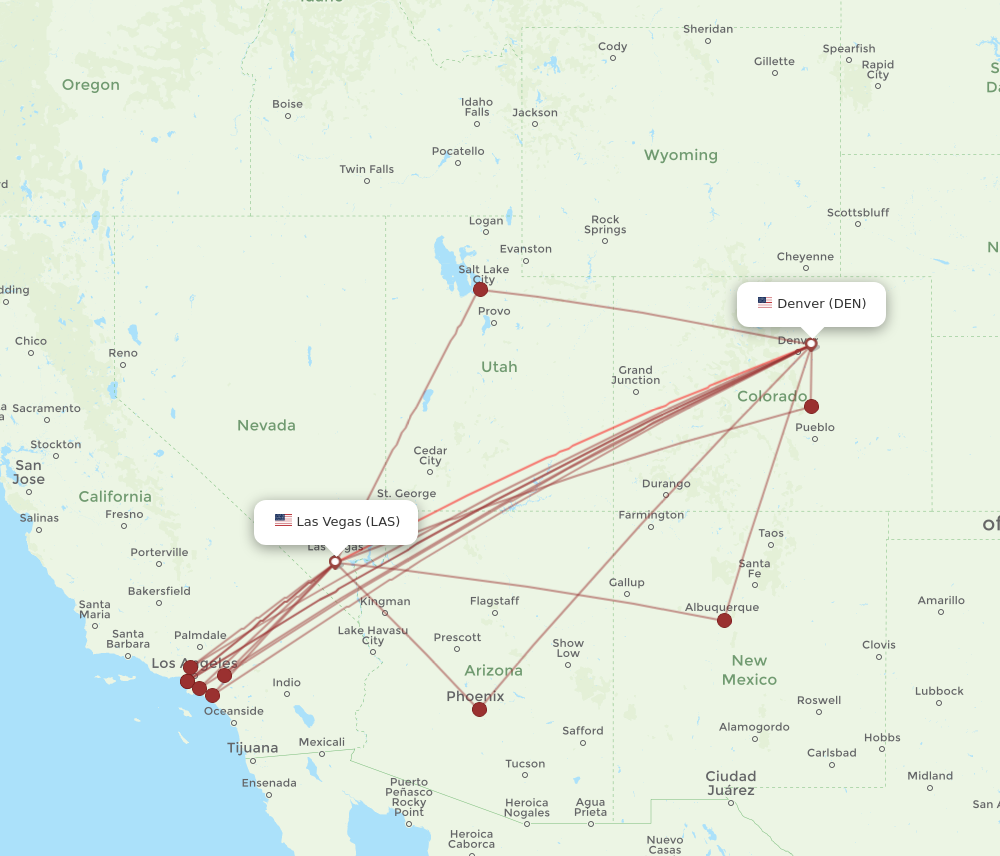
For those who prefer to minimize transit time, flying is the most efficient option. A direct flight between Harry Reid International Airport and Denver International Airport takes approximately one hour and 45 minutes to two hours in the air. When factoring in security, check-in, and boarding, the total time commitment is significantly shorter than the full-day drive. However, by flying, travelers miss the transition of environments that makes the overland journey so culturally and visually enriching.
The Road Trip Experience: A Scenic Progression
If you choose to drive, you are embarking on a journey that transitions from the high-energy, man-made entertainment capital of the world into the serene, natural grandeur of the Rocky Mountains. This transition requires careful planning regarding fuel, elevation changes, and weather conditions.
Navigating the Desert Stretches
The initial leg of the journey through the Mojave Desert requires vigilance. The climate is unforgiving, especially during the summer months. It is imperative to ensure your vehicle is in top condition and that you carry extra water. As you climb out of the basin, the landscape shifts into the high plains and canyons that define Southern Utah.
The Alpine Ascent
As you transition from Utah into Colorado, the scenery changes dramatically. The arid, red-rock vistas of the southwest give way to dense forests, deep valleys, and jagged, snow-dusted peaks. Interstate 70 in Colorado is famous for its steep inclines and high-altitude passes. Travelers must be mindful of their vehicle’s braking system and the potential for rapidly shifting weather conditions, which can introduce snow or ice even in shoulder seasons.
Essential Tips for the Journey
Whether you are traveling for business, pleasure, or a bit of both, there are several factors to consider to ensure your transition from Las Vegas to Denver is smooth.
Seasonal Travel Precautions
Winter travel requires particular caution. The mountain passes in Colorado are prone to heavy snowfall. It is common for highway authorities to mandate tire chains or all-wheel-drive vehicles during severe weather events. Always check the Department of Transportation websites for both Utah and Colorado before departing.
Hydration and Altitude
The change in altitude between Las Vegas, which sits at approximately 2,000 feet, and Denver, the “Mile High City” at 5,280 feet, can affect travelers sensitive to altitude. Staying hydrated and pacing physical activity upon arrival in Denver can help prevent altitude sickness, ensuring you can enjoy your time in the city immediately.
Strategic Stopovers
Because of the length of the journey, consider breaking the trip into two days if you want to explore the region properly. Towns along the Interstate 70 corridor offer unique opportunities to rest. Stopping in areas near Glenwood Springs or Grand Junction provides a perfect midpoint to refresh before the final push into the Front Range of Colorado.
Comparing Your Travel Options
Selecting the right mode of travel depends on your personal preferences and the purpose of your trip.
The Case for Driving
- Flexibility: You have the freedom to stop at national parks and roadside attractions.
- Cost: For families or groups, driving is often more economical than buying multiple plane tickets.
- Adventure: You experience the physical change in the American landscape firsthand.
The Case for Flying
- Speed: You bypass the fatigue of 12 hours behind the wheel.
- Safety: Especially during winter months, flying avoids the risks associated with mountain driving.
- Convenience: You arrive directly in the heart of Denver, ready to start your stay without the need for extensive vehicle recovery or maintenance.
Ultimately, the choice comes down to whether you view the journey as an obstacle to be overcome or an adventure to be savored. Both Las Vegas and Denver represent the pinnacle of their respective regions, and connecting them—whether by air or by land—is a reminder of the vast, diverse, and spectacular terrain that stretches across the American West. By preparing for the distance and respecting the environmental conditions of the route, you can ensure that your transition between these two iconic cities is a highlight of your travel experience. Regardless of your choice, the contrast between the lights of the Strip and the peaks of the Rocky Mountains makes for an unforgettable itinerary.
LifeOutOfTheBox is a participant in the Amazon Services LLC Associates Program, an affiliate advertising program designed to provide a means for sites to earn advertising fees by advertising and linking to Amazon.com. Amazon, the Amazon logo, AmazonSupply, and the AmazonSupply logo are trademarks of Amazon.com, Inc. or its affiliates. As an Amazon Associate we earn affiliate commissions from qualifying purchases.