
The iconic drive between Las Vegas and Reno is a quintessential Nevada experience, traversing a landscape as diverse as the destinations themselves. This journey, often undertaken for business, leisure, or to connect two of the state’s most celebrated cities, spans approximately 440 miles and can take anywhere from 6 to 9 hours of pure driving time, depending on the chosen route and the pace of your travels. Understanding the nuances of this route—its distances, time estimates, and the compelling attractions that dot its path—is crucial for any traveler seeking to make the most of this Nevada passage.
Navigating the Nevada Landscape: Routes and Realities
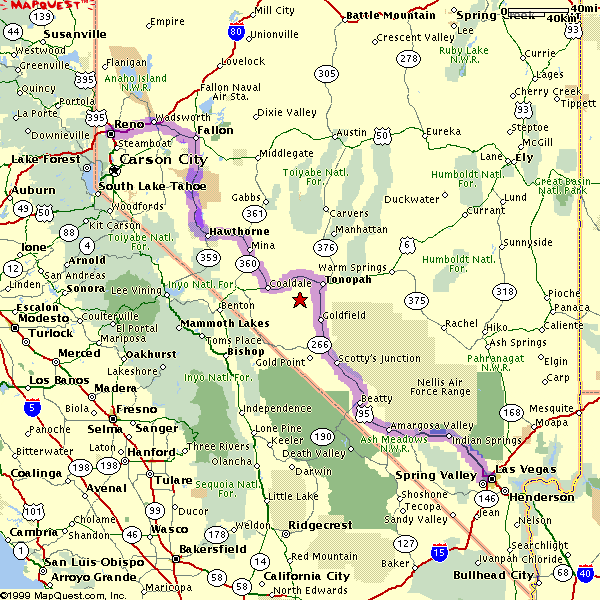
The primary corridor connecting the glitz of Las Vegas with the “Biggest Little City in the World,” Reno, is overwhelmingly dominated by U.S. Route 95 (US-95). This is the most direct and commonly used route, offering a scenic, albeit sometimes remote, journey through the heart of Nevada.
The Direct Route: US-95 North
The journey north from Las Vegas begins on US-95, which quickly leads you away from the urban sprawl and into the vast, open desert. This highway is your steadfast companion for the majority of the trip.
- Distance: Approximately 440 miles.
- Estimated Driving Time: 6 to 7 hours of pure driving, without stops. This is the most optimistic estimate, assuming ideal conditions, minimal traffic, and a steady pace.
- Key Segments: The route winds through towns like Pahrump (though often bypassed if heading directly north from Vegas), Beatty, and eventually passes near the gateway to Death Valley National Park, though a detour into the park would add significant time. Further north, it traverses the sparsely populated expanses of central Nevada, passing through towns such as Tonopah and Mina before reaching Hawthorne and eventually connecting with U.S. Route 50 (the “Loneliest Road in America”) before finally merging with Interstate 80 (I-80) near Fernley for the final stretch into Reno.
- Road Conditions: Generally well-maintained, especially the primary highway sections. However, drivers should be aware of long stretches with limited services, including gas stations and restaurants. It is highly advisable to ensure your vehicle is in good condition and that you have ample fuel and water, especially when traveling during extreme weather conditions.
- Scenery: The landscape transforms from the arid desert scrubland near Las Vegas to dramatic mountain ranges, expansive valleys, and the unique geological formations characteristic of the Great Basin. The sheer scale and emptiness of the Nevada desert are awe-inspiring.
Alternative Considerations: A Slightly Longer Path
While US-95 is the most direct, other routes exist, though they typically add considerable time and mileage. These might be considered for those seeking different scenery or wishing to visit specific locations not directly on the primary route.
- Via Interstate 15 and U.S. Route 50: This route would involve heading north from Las Vegas on I-15 towards Salt Lake City, then taking U.S. Route 50 west. This is a significantly longer and more circuitous route, not typically chosen for a direct transit between the two cities. The allure of US-50 is its remoteness, but it adds substantial distance and time for this specific journey.
- The Scenic Detour: For those with ample time and a desire for a more profound exploration of Nevada’s backcountry, one could theoretically craft a route involving smaller state highways and county roads. However, these routes are generally unpaved, poorly marked, and not recommended for standard vehicles or inexperienced desert drivers. Such a journey would require meticulous planning and would extend the travel time to several days.
Estimating Your Travel Time: Factors to Consider
While an average driving time is useful, several variables can significantly influence how long the drive from Las Vegas to Reno will actually take.
Practical Time Considerations
- Stops: The 6-7 hour estimate is for continuous driving. Realistically, you will need to stop for fuel, meals, and rest breaks. Many travelers choose to break the journey in Tonopah, which offers basic amenities and lodging. A leisurely pace with a few planned stops can easily push the total travel time to 8-9 hours or more.
- Traffic: While the vast majority of this route is through sparsely populated areas, traffic in and around Las Vegas during peak hours can add delays. Similarly, approaching Reno, especially on Interstate 80, can experience congestion.
- Weather: Nevada’s weather can be extreme. Summer temperatures can soar, requiring careful monitoring of your vehicle’s cooling system and ensuring adequate hydration. Winter months can bring snow and ice, particularly at higher elevations, potentially leading to temporary road closures or requiring chains. Always check weather forecasts and road conditions before departure, especially during winter.
- Vehicle Performance: Ensure your vehicle is up to the task. The desert climate and long stretches between services mean that a breakdown can be particularly problematic. Regular maintenance, including checking tires, fluids, and brakes, is essential.
The Pacing of the Journey
The drive is not merely about covering distance; it’s about experiencing the unique character of Nevada. The journey invites a slower pace for those who wish to immerse themselves in the landscape.
- The “Express” Drive: For those prioritizing speed, the focus will be on maintaining a consistent speed on US-95 and minimizing stops. This approach is best suited for business travelers or those on a tight schedule.
- The “Leisurely” Drive: This approach embraces the journey. It allows for spontaneous stops at roadside attractions, scenic overlooks, and small-town diners. Such a drive might involve an overnight stay in a place like Tonopah or Ely if a more northerly detour is taken, effectively turning the drive into a multi-day exploration.
Attractions and Points of Interest Along the Way
The route from Las Vegas to Reno is not devoid of interest, offering a glimpse into Nevada’s rich history, stark beauty, and unique character. While not as packed with tourist sites as some coastal routes, the journey itself is a significant part of the experience.
Desert Wonders and Historical Echoes
- Extraterrestrial Highway (State Route 375): While not directly on the main US-95 route, a significant detour east from Tonopah would take you onto SR-375, famously known as the Extraterrestrial Highway. This area is steeped in lore and tales of unexplained phenomena, with roadside attractions like the Little A’Le’Inn in Rachel. This detour adds considerable time but offers a unique Nevada experience for those interested in the unknown.
- Tonopah Historic Mining Park: Located in the heart of the Nevada desert, Tonopah was once a booming mining town. The Tonopah Historic Mining Park preserves the rich history of the area’s silver mining era, offering a fascinating glimpse into the past. It’s a perfect spot for a mid-journey stretch and a dose of local history.
- Hawthorne Army Ammunition Plant: Near the town of Hawthorne, you’ll find the expansive Hawthorne Army Ammunition Plant, a significant military installation. While not an attraction for tourists, its presence underscores the vast and often remote nature of Nevada’s industrial and defense landscape.
- Great Basin National Park Area: While Great Basin National Park is located further east of the direct US-95 route (requiring a significant detour via Ely and then State Route 487), its proximity to the general corridor makes it a worthwhile consideration for travelers with extra time. The park boasts ancient bristlecone pines, the Lehman Caves, and Wheeler Peak, offering breathtaking natural beauty and a stark contrast to the desert plains.
Approaching the Sierra Nevada
As you draw closer to Reno, the landscape begins to shift, hinting at the majestic Sierra Nevada mountains that border Nevada and California.
- Pyramid Lake: A significant natural wonder north of Reno, Pyramid Lake is renowned for its stunning turquoise waters and the iconic Pyramid rock. While requiring a slight deviation north of I-80, it offers a dramatic and beautiful introduction to the region’s natural splendor. The lake is sacred to the Paiute people, and respecting its cultural significance is paramount.
- Lake Tahoe: Though a bit further west from the direct route into Reno, the proximity of Lake Tahoe is undeniable. Travelers heading into Reno might consider a brief excursion to this world-famous alpine lake, renowned for its crystal-clear waters and surrounding recreational opportunities. The drive along the east shore of Lake Tahoe offers spectacular views before heading back towards Reno via U.S. Route 395.
Preparing for the Nevada Passage
A successful journey between Las Vegas and Reno hinges on thorough preparation. This is not a drive to undertake lightly, given the distances and the often-remote nature of the terrain.
Vehicle and Supplies Checklist
- Vehicle Inspection: Before you leave, ensure your vehicle is in top mechanical condition. Check tire pressure and tread, oil levels, coolant, brakes, and battery. A spare tire and the necessary tools for changing it are essential.
- Fuel: Never let your fuel tank drop below a quarter full. Gas stations can be many miles apart. Plan your refueling stops strategically, especially when leaving larger towns.
- Water and Food: Carry an ample supply of water, far more than you think you’ll need, particularly during warmer months. Non-perishable snacks are also advisable, as dining options can be limited between major towns.
- Navigation: While GPS is widely available, it’s wise to have a physical map of Nevada as a backup. Cell service can be spotty in vast stretches of the state.
- Emergency Kit: A basic emergency kit including a first-aid kit, flashlight, jumper cables, and blankets can be invaluable.
Safety and Communication
- Inform Someone: Let a friend or family member know your intended route and estimated arrival time. Check in with them periodically if possible.
- Stay Alert: The long, straight stretches of highway can be conducive to driver fatigue. Take breaks, switch drivers if possible, and pull over if you feel drowsy.
- Respect Wildlife: Be aware of wildlife, particularly at dawn and dusk, as animals like deer can dart onto the road.
- Emergency Services: In case of a serious emergency, call 911. Be prepared to give your precise location, as landmarks can be scarce.
The drive from Las Vegas to Reno is more than just a road trip; it’s an immersion into the rugged beauty and vastness of the American West. By understanding the distances, planning your route, and preparing for the journey, you can transform this trans-Nevada passage into an unforgettable part of your travel experience.
LifeOutOfTheBox is a participant in the Amazon Services LLC Associates Program, an affiliate advertising program designed to provide a means for sites to earn advertising fees by advertising and linking to Amazon.com. Amazon, the Amazon logo, AmazonSupply, and the AmazonSupply logo are trademarks of Amazon.com, Inc. or its affiliates. As an Amazon Associate we earn affiliate commissions from qualifying purchases.