
Embarking on a journey from the dazzling neon glow of Las Vegas to the sun-kissed shores of San Diego offers a quintessential American road trip experience, blending the vibrant energy of desert entertainment with the serene beauty of the Pacific Ocean. This popular route connects two of California and Nevada’s most iconic cities, attracting a diverse range of travelers from thrill-seekers and luxury vacationers to families seeking a memorable getaway. While the direct answer to “how far” is straightforward, the true essence of this trip lies in the myriad experiences available along the way and at each destination. Understanding the distance, various travel options, and potential stops is crucial for planning an adventure that perfectly aligns with your travel style, whether you’re looking for an efficient dash or a leisurely exploration. This guide will delve into everything you need to know, from mileage and driving times to must-see attractions, accommodation choices, and essential planning tips to transform a simple journey into an unforgettable expedition.
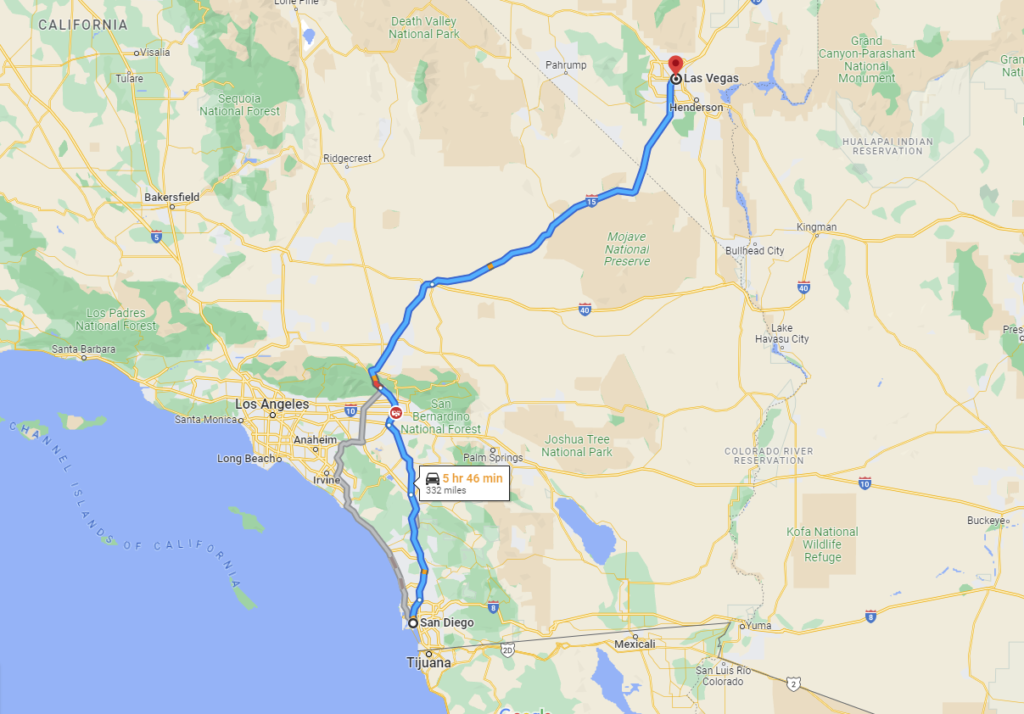
The Journey: Distance, Driving Routes, and Travel Times
The drive from Las Vegas to San Diego is a well-traveled path, primarily tracing the backbone of Southern California via major interstates. While the direct distance provides a foundational understanding, actual travel time can vary significantly based on traffic, chosen route, and the number of stops you make. Preparing for this journey involves more than just knowing the mileage; it means understanding the nuances of the roads that connect these two dynamic cities.
Direct Route: I-15 South
The most common and direct route connecting Las Vegas to San Diego is primarily via Interstate 15 South. This highway is a major artery, traversing diverse landscapes from the vast, open stretches of the Mojave Desert to the more populated corridors approaching Southern California’s urban centers. The approximate driving distance for this route is around 330 to 350 miles (530 to 560 kilometers), depending on your exact starting point in Las Vegas and your final destination within San Diego.
Under ideal conditions, with minimal traffic and no significant stops, the drive can typically be completed in about 4.5 to 5.5 hours. However, it’s prudent to factor in potential delays. Weekends, holidays, and peak travel times, especially when passing through areas like Barstow, Victorville, or the sprawling outskirts of Los Angeles (even if you’re not going directly into Los Angeles itself, traffic from the metro area can impact I-15 as it heads south), can extend this time considerably. Morning rush hour leaving Las Vegas or afternoon rush hour approaching San Diego (particularly through Temecula and the North County area) are common choke points. It’s always advisable to check real-time traffic updates before and during your journey to adjust your schedule accordingly.
Scenic Detours and Alternative Paths
While the I-15 offers the quickest path, those with more time might consider scenic detours that transform the drive into an adventure of its own. One popular option involves venturing slightly off the main highway to explore the natural beauty of the Mojave National Preserve. This vast wilderness offers stunning desert landscapes, volcanic cinder cones, Joshua tree forests, and sand dunes, providing a stark contrast to the urban environments on either end of your trip. Exploring the preserve can add several hours to your journey, but the unique photo opportunities and tranquil natural environment are often considered well worth the extra time.
Another captivating detour for nature lovers is a visit to Joshua Tree National Park. While this option significantly extends the drive, often requiring an overnight stay, it immerses travelers in a surreal desert ecosystem where two distinct desert environments meet. From I-15 South, you would typically exit near Barstow or Victorville and head east to reach the park. From Joshua Tree, you would then head southwest to rejoin the main route towards San Diego. These detours cater to a “Lifestyle” of adventure travel and offer a chance to engage with “Landmarks” of natural history, providing a memorable contrast to the glitz of Las Vegas and the coastal charm of San Diego.
Beyond the Wheel: Flights and Buses
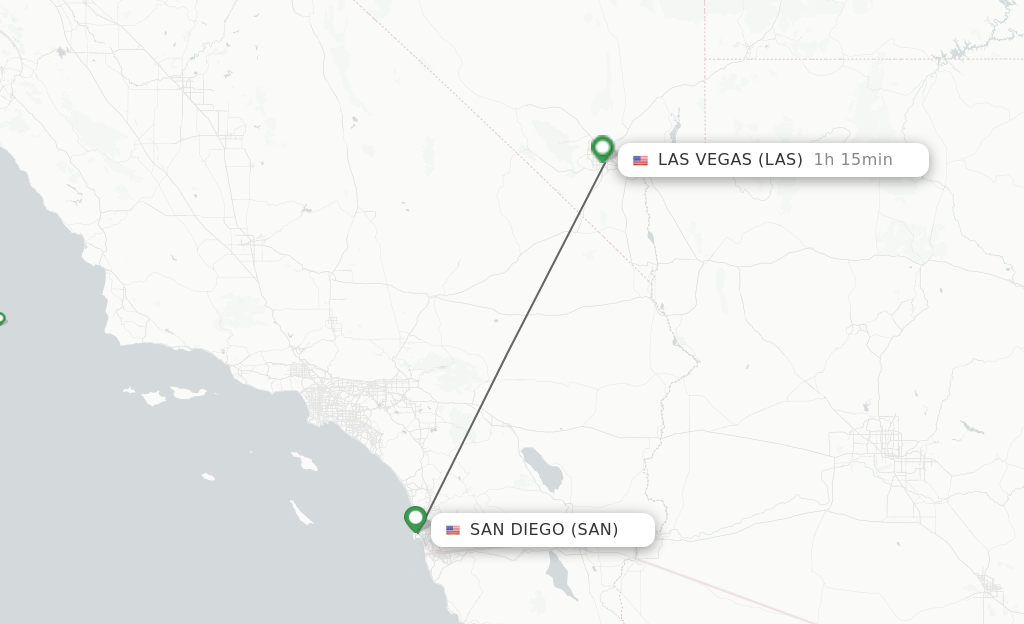
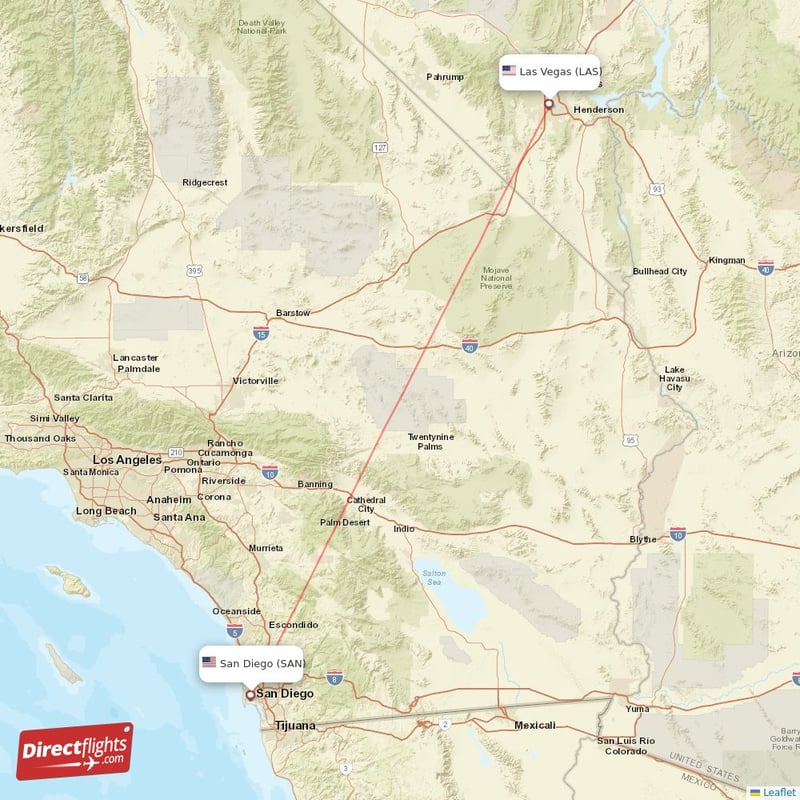
While driving offers flexibility and the chance to explore at your own pace, it’s not the only way to travel between Las Vegas and San Diego. For those prioritizing speed or avoiding driving, air travel is a convenient option. Numerous airlines offer direct flights between Harry Reid International Airport (LAS) in Las Vegas and San Diego International Airport (SAN). Flight times are typically around 1 hour and 15 minutes, not including airport travel and security. This is often the quickest method for business travelers or those on a tight schedule, aligning with a “Business Stays” lifestyle.
Bus services also connect the two cities, offering a more budget-friendly alternative. Companies like Greyhound and FlixBus operate daily routes, with travel times ranging from 6 to 9 hours, depending on the number of stops. While slower than driving or flying, buses can be an economical choice for “Budget Travel” and allow passengers to relax and enjoy the scenery without the stress of navigating traffic. Regardless of your chosen mode of transportation, understanding the options helps in crafting the perfect travel itinerary that fits your needs and preferences.
Unforgettable Stops Along the Way: Attractions and Experiences
The journey from Las Vegas to San Diego isn’t just about covering distance; it’s an opportunity to discover unique attractions and immerse yourself in distinct Californian and Nevadan landscapes. Turning the drive into a multi-day adventure or simply breaking up the journey with interesting stops can significantly enhance your travel experience, aligning with the “Travel Guides” and “Experiences” aspects of our website.
Desert Delights: From Baker to Barstow
As you head south from Las Vegas on I-15, you’ll quickly enter the vast expanse of the Mojave Desert. This stretch offers some quirky and memorable stops. The town of Baker, often referred to as the “Gateway to Death Valley,” is home to the world’s tallest thermometer, a 134-foot monument commemorating the highest temperature ever recorded in the USA. It’s a classic roadside attraction, perfect for a quick photo opportunity and a stretch. Nearby, the infamous Zzyzx Road offers a peculiar name and leads to a former health resort, now a desert research center, with a unique history that adds to the allure of the desert.
Further along I-15, near Barstow, lies the historic Calico Ghost Town. This silver mining town, preserved by Knott’s Berry Farm founder Walter Knott, offers a fascinating glimpse into the Old West. Visitors can explore authentic buildings, ride a miniature train, and even pan for gold, making it an excellent stop for “Family Trips” or anyone interested in “History” and “Landmarks.” These desert stops provide a blend of historical context and unique photo opportunities, breaking the monotony of the drive and enriching the overall journey.
Southern California Gems: Temecula and Beyond
As you transition from the desert landscape into the rolling hills of Southern California, the scenery transforms, giving way to vineyards and quaint towns. The Temecula Valley is a prominent highlight, renowned for its burgeoning wine country. With over 40 wineries, Temecula offers an unexpected opportunity for wine tasting, gourmet dining, and hot air balloon rides over picturesque vineyards. It’s an ideal stop for couples, groups, or anyone interested in local culture and culinary experiences, catering to a “Luxury Travel” or sophisticated “Lifestyle.” Many travelers opt to spend an afternoon or even an overnight stay here, enjoying the relaxed pace and the vibrant “Food” scene.
Beyond Temecula, as you approach San Diego, the journey becomes more coastal-influenced. You might consider a brief detour to explore the charming beach towns of North County San Diego, such as Carlsbad or Encinitas, before reaching the city center. These areas offer beautiful beaches, unique boutiques, and casual dining, giving you a taste of San Diego’s laid-back coastal vibe even before you fully arrive.
Iconic Landmarks and Natural Wonders
For those who chose a more extended route or are looking for additional natural immersion, the Mojave National Preserve and Joshua Tree National Park remain paramount as iconic “Landmarks” and “Natural” attractions. Mojave National Preserve offers unique desert wilderness experiences, from hiking among volcanic cones to exploring hidden canyons and vast sand dunes. It’s a place for quiet contemplation and awe-inspiring stargazing, a perfect counterpoint to the city lights.
Joshua Tree National Park, with its distinctive Joshua trees and massive rock formations, is a haven for hikers, rock climbers, and photographers. The park’s surreal landscape, where the Mojave and Colorado Deserts meet, creates a unique ecosystem and a truly memorable experience. While requiring a significant detour, a visit to either of these natural wonders enhances the road trip by providing unparalleled opportunities for outdoor activities and connecting with the stunning natural beauty of the American Southwest, enriching the “Tourism” and “Experiences” aspects of your travel.
Maximizing Your Stay: Accommodation and Lifestyle in Both Cities
Selecting the right accommodation is a cornerstone of any successful trip, and the options in Las Vegas and San Diego cater to every imaginable “Lifestyle” and budget. From opulent resorts and stylish boutique hotels to family-friendly suites and convenient apartments, understanding your choices is key to maximizing comfort and enjoyment. This section delves into the diverse lodging landscapes of both cities, offering insights into booking, amenities, and comparison.
Las Vegas: From Luxury Resorts to Boutique Stays
Las Vegas is synonymous with extravagant “Hotels” and “Resorts,” predominantly concentrated along the famous Las Vegas Strip. Here, you’ll find iconic properties such as the Bellagio with its famous fountains, Caesars Palace offering Roman-inspired grandeur, and the modern elegance of the ARIA Resort & Casino. These establishments are more than just places to sleep; they are destinations in themselves, offering extensive “Amenities” like world-class spas, multiple pools, gourmet restaurants, high-end shopping, and elaborate entertainment venues. Opting for a “Luxury Travel” experience in Las Vegas often means choosing one of these mega-resorts, where every need is anticipated.
Beyond the Strip, downtown Las Vegas, particularly around the Fremont Street Experience, offers a different vibe with more historic casinos and an increasingly vibrant arts scene. Here, you might find more “Budget Travel” options, smaller boutique hotels, or more local experiences. For “Family Trips,” many resorts offer specific family-friendly suites and pool areas, though the city generally caters to an adult audience. “Business Stays” are well-accommodated with numerous convention-centric hotels offering extensive meeting facilities and comfortable suites for productivity.
San Diego: Coastal Comfort and Urban Chic
San Diego’s accommodation scene beautifully mirrors its diverse geography and laid-back yet sophisticated atmosphere. From opulent beachfront resorts to charming urban boutique hotels and practical apartments for longer stays, the city caters to a broad spectrum of preferences. Iconic properties like the historic Hotel del Coronado offer timeless elegance and direct beach access, embodying “Luxury Travel” with unparalleled views of the Pacific Ocean. Downtown San Diego’s Gaslamp Quarter and bayside areas host numerous modern hotels such as the Manchester Grand Hyatt or The US Grant, a Luxury Collection Hotel, perfect for those seeking proximity to nightlife, dining, and “Business Stays” amenities.
For “Family Trips” or extended vacations, areas like Mission Bay and La Jolla provide excellent options, including resorts with expansive grounds, water sports access, and self-catering “Villas” or apartments. “Budget Travel” is achievable through various mid-range hotels or by exploring vacation rentals in neighborhoods slightly away from the main tourist hubs. Many properties boast desired “Amenities” like pools, fitness centers, and ocean-view dining, ensuring a comfortable and memorable “Accommodation” experience tailored to your specific travel style and needs in San Diego.
Booking Tips and Accommodation Considerations
When it comes to “Accommodation,” smart “Booking” strategies can significantly enhance your trip. Always start your search well in advance, especially if traveling during peak season or for major events in either city. Utilizing “Comparison” websites can help you find the best deals, but also check the official hotel websites for exclusive offers or loyalty program benefits. Reading recent “Reviews” is crucial for gauging the quality of service, cleanliness, and actual value of a property, helping you manage expectations and avoid disappointments. Pay attention to reviews that discuss specific “Amenities” important to you, whether it’s pet-friendly policies, parking availability, or the quality of Wi-Fi.
For “Long-term Stay” or those seeking more space and a home-away-from-home feel, consider apartment rentals or “Villas.” These often come equipped with kitchens, which can be a money-saver for “Budget Travel” and offer greater flexibility for “Family Trips.” Additionally, always consider the location in relation to your planned activities. In Las Vegas, being on the Strip or near Fremont Street dictates accessibility to major attractions. In San Diego, whether you prefer the urban energy of the Gaslamp Quarter, the beach vibe of Coronado, or the cultural richness near Balboa Park will influence your ideal lodging choice. Careful planning in this area ensures your stay is as comfortable and convenient as possible.
Experiencing the Best of Las Vegas and San Diego
The transition from Las Vegas to San Diego offers a fascinating study in contrasts, each city boasting a unique identity and a plethora of “Attractions,” “Activities,” and “Local Culture” to explore. Your “Travel” experience will be defined by how you immerse yourself in the distinctive charm of these two major USA destinations.
Las Vegas: Entertainment, Dining, and Nightlife
Las Vegas, the “Entertainment Capital of the World,” lives up to its name with an unrivaled array of spectacles. The Bellagio Fountains provide a mesmerizing water and light show, while world-class performers grace the stages of countless resorts, offering everything from Cirque du Soleil productions to headliner concerts. Beyond the shows, gambling remains a central “Activity,” with casinos like Caesars Palace and MGM Grand drawing millions.
The “Food” scene in Las Vegas is equally impressive, ranging from celebrity-chef restaurants to lavish buffets, catering to every palate and “Lifestyle,” be it “Luxury Travel” or “Budget Travel.” Nightlife thrives here, with opulent clubs, stylish lounges, and themed bars that keep the city awake well past dawn. For a different flavor of Las Vegas “Tourism,” the Fremont Street Experience in downtown offers a dazzling pedestrian mall with a massive LED canopy light show, live music, and vintage casinos, providing a vibrant, high-energy atmosphere distinct from the Strip.
San Diego: Beaches, Culture, and Culinary Delights
San Diego offers a more relaxed yet equally engaging experience, famous for its idyllic climate, stunning beaches, and rich “Local Culture.” Coronado Beach, consistently ranked among the best in the USA, is perfect for sunbathing and ocean strolls, embodying the quintessential coastal lifestyle. “Landmarks” like Balboa Park, a sprawling urban park, hosts 17 museums, beautiful gardens, and the renowned San Diego Zoo, making it a hub for “Tourism” and “Family Trips.”
The historic Gaslamp Quarter comes alive at night with its Victorian architecture, diverse restaurants, and bustling bars, while Old Town San Diego State Historic Park offers a step back in time to California’s birthplace. The USS Midway Museum, an authentic aircraft carrier, is another must-visit for history buffs. San Diego’s “Food” scene is celebrated for its fresh seafood, Mexican cuisine, and craft beer culture, with neighborhoods like Little Italy offering vibrant dining experiences. The relaxed pace and diverse “Activities” ensure there’s something for everyone, whether you’re seeking adventure or tranquility.
Integrating Local Culture and Activities
To truly appreciate both Las Vegas and San Diego, it’s important to venture beyond the main tourist areas and engage with the “Local Culture.” In Las Vegas, consider exploring the burgeoning arts district, attending a local concert, or dining at restaurants favored by residents for a different perspective on the city. For those interested in “Nature,” short trips to nearby sites like the Valley of Fire State Park or Red Rock Canyon National Conservation Area offer stunning desert scenery and hiking opportunities, a welcome escape from the urban core.
In San Diego, beyond the well-known attractions, explore the eclectic shops and cafes in neighborhoods like North Park or South Park, known for their craft breweries and independent boutiques. Visit the sealions at La Jolla Cove, take a surfing lesson at Pacific Beach, or stroll through a farmers’ market to taste local produce and artisanal goods. These “Tips” for deeper engagement transform a superficial visit into an enriching “Experience,” offering genuine insights into the distinctive lifestyles and local flavor of each destination.
Planning Your Ultimate Las Vegas to San Diego Adventure
Transforming the aspiration of a Las Vegas to San Diego trip into a flawless reality requires thoughtful planning. From practical road trip “Tips” to understanding the best times to travel and aligning your journey with your budget and “Lifestyle” choices, every detail contributes to a smoother, more enjoyable adventure. This section provides the essential “Travel Guides” to ensure your journey is as seamless as it is memorable.
Essential Road Trip Tips
For those embarking on the classic road trip, preparation is paramount. Before you set out, ensure your vehicle is in excellent condition: check tire pressure, oil levels, and fluid top-offs. A full tank of gas is a must before hitting the desolate stretches of the Mojave Desert. Pack an emergency kit including water, snacks, a first-aid kit, jumper cables, and a flashlight. Reliable GPS navigation is indispensable, but also consider having a physical map as a backup, especially if venturing into areas with spotty cell service like the Mojave National Preserve or Joshua Tree National Park.
Download offline maps for your route. If traveling with children, plan for frequent stops and bring plenty of entertainment to keep them engaged, aligning with a “Family Trips” approach. Allocate extra time for unexpected delays, traffic, or spontaneous stops at interesting roadside attractions like the World’s Tallest Thermometer in Baker. Comfort is key for long drives, so wear comfortable clothing and make sure your travel companions are also well-prepared.
Best Time to Travel
The timing of your trip significantly impacts the experience, primarily due to weather conditions and crowd levels. The spring (March to May) and fall (September to November) are generally considered the best times to travel from Las Vegas to San Diego. During these seasons, temperatures in the desert sections of the drive are pleasant, avoiding the extreme heat of summer or the cooler, sometimes wet, conditions of winter. Both Las Vegas and San Diego enjoy comfortable temperatures, ideal for outdoor “Activities” and exploring “Attractions.”
Summer (June to August) sees scorching temperatures in the Mojave Desert, often exceeding 100°F (38°C), which can make driving uncomfortable and outdoor activities risky. However, San Diego experiences its famous “June Gloom” during early summer, where coastal fog can linger until midday, though the weather is generally mild. Winter (December to February) offers cooler temperatures for the drive and in both cities, but Las Vegas can get quite chilly, and rain is more common in San Diego. Consider major holidays and events, as they can lead to increased traffic and higher “Accommodation” prices, impacting your “Budget Travel” plans.
Budgeting and Lifestyle Choices
Crafting a realistic budget is crucial for any trip. The cost of a Las Vegas to San Diego adventure can vary wildly depending on your chosen “Lifestyle.” For “Luxury Travel,” expect higher expenses for premium “Hotels,” fine dining, exclusive entertainment, and perhaps a rental car upgrade. Conversely, “Budget Travel” can be achieved by opting for more affordable “Accommodation” (like motels or apartments with kitchens), self-catering meals, and focusing on free or low-cost “Attractions.”
Factor in fuel costs, potential tolls, food, entrance fees for parks or museums, and “Accommodation.” If you’re planning “Family Trips,” remember to account for children’s activities and meal preferences. “Business Stays” might involve specific travel allowances, but it’s always wise to track expenses. Consider how long you plan to stay in each city and along the route; a longer stay generally means higher costs but also allows for a deeper immersion into the “Local Culture” and more relaxed “Experiences.” By aligning your budget with your desired travel “Lifestyle,” you can ensure a fulfilling and stress-free journey between these two captivating USA destinations.
LifeOutOfTheBox is a participant in the Amazon Services LLC Associates Program, an affiliate advertising program designed to provide a means for sites to earn advertising fees by advertising and linking to Amazon.com. Amazon, the Amazon logo, AmazonSupply, and the AmazonSupply logo are trademarks of Amazon.com, Inc. or its affiliates. As an Amazon Associate we earn affiliate commissions from qualifying purchases.