
Understanding the proximity between two significant Southern California locales, Los Angeles and Long Beach, is fundamental for any traveler planning an itinerary in the region. While often considered distinct entities, their close geographical relationship offers a wealth of exploration possibilities, blending the urban sprawl of a metropolis with the coastal charm of a vibrant port city. This exploration delves into the distances, travel times, and the unique connections that make these two destinations so intertwined.
Navigating the Distance: A Geographical Overview
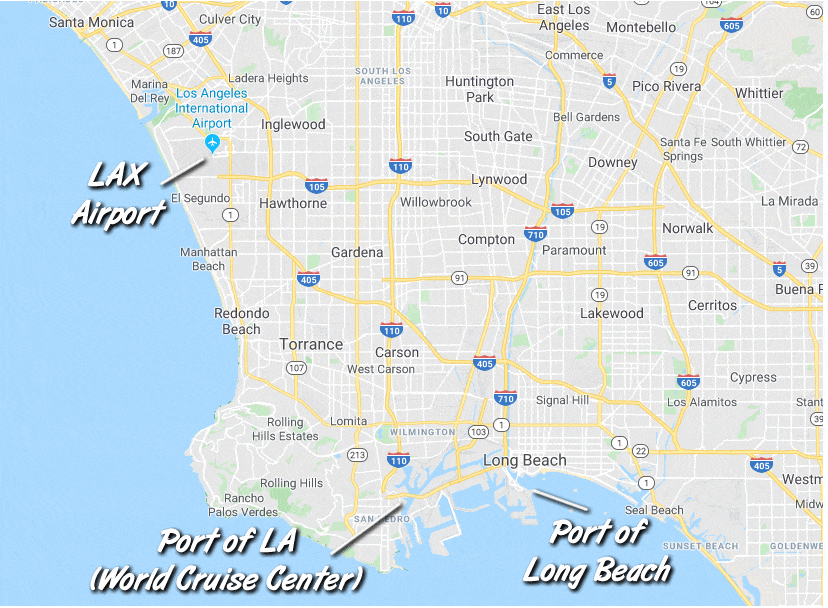
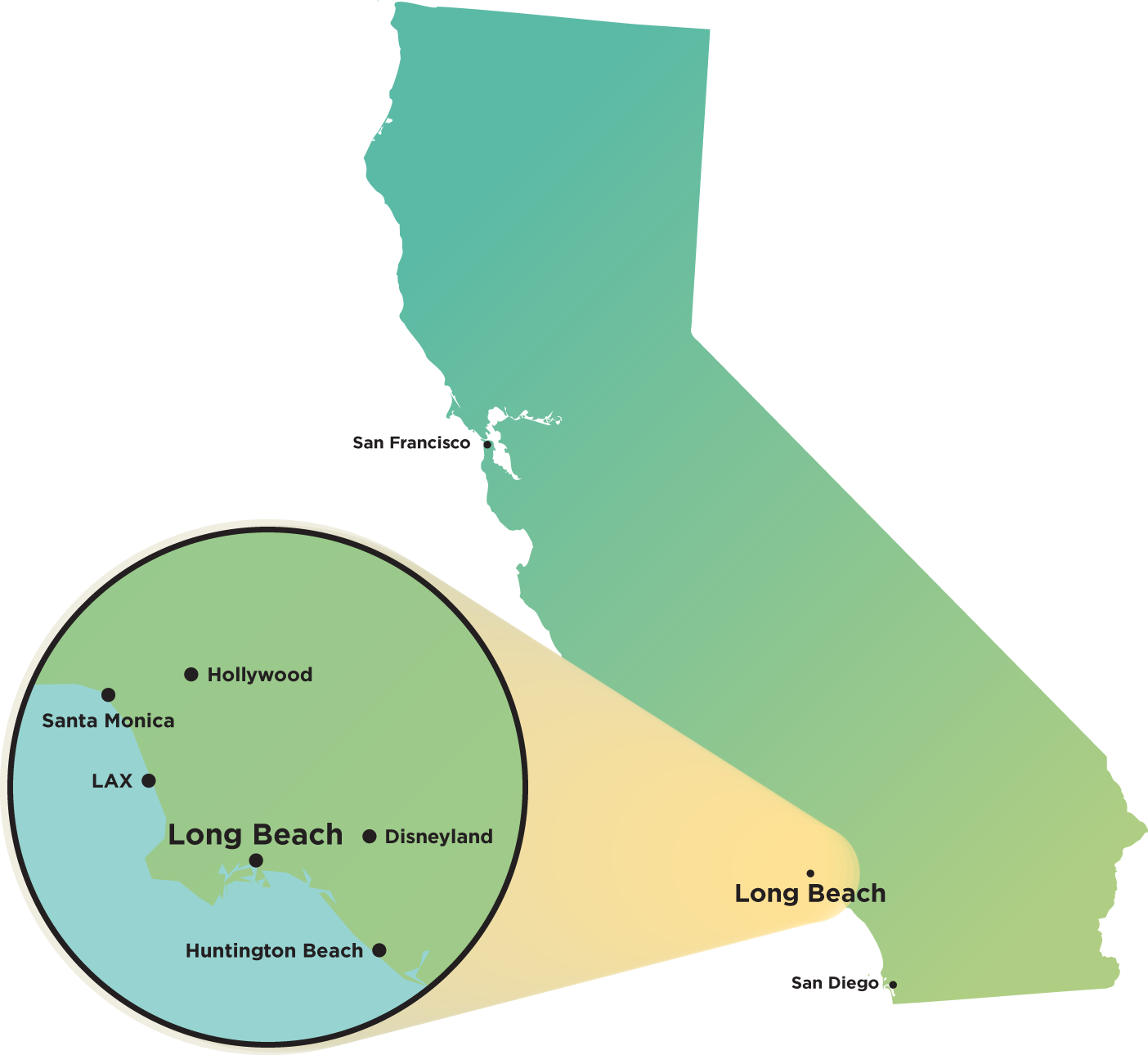
The question of “how far” is multifaceted, encompassing not just the straight-line distance but also the practicalities of travel routes, traffic conditions, and preferred modes of transportation. Geographically, Long Beach is situated in Los Angeles County, to the south of the main Los Angeles downtown core. This proximity means that the journey is relatively short, making day trips or seamless transitions between the two cities highly feasible.
Direct Distance and Key Corridors
The direct, or “as the crow flies,” distance between the centers of Los Angeles and Long Beach is approximately 22 miles (35 kilometers). However, this figure is largely theoretical for practical travel. The actual driving distance is influenced by the chosen route. The most common and direct routes utilize major freeways, primarily the I-710 South (Long Beach Freeway) which acts as a direct artery connecting the two. Other options include taking the I-110 South (Harbor Freeway) which merges into the I-405 South (San Diego Freeway), both ultimately leading towards the Long Beach area.
Factors Influencing Travel Time
The most significant variable in determining travel time between Los Angeles and Long Beach is undoubtedly traffic. Southern California is notorious for its congested roadways, and travel times can fluctuate dramatically depending on the time of day, day of the week, and specific events occurring in either city.
- Peak Hours: During typical morning (6 AM – 9 AM) and evening (4 PM – 7 PM) commutes, the drive can extend considerably, potentially doubling or even tripling the off-peak travel time. A journey that might take 30-40 minutes in light traffic could easily become an hour or more during rush hour.
- Off-Peak Hours: Traveling outside of these peak commuting windows, such as mid-day, on weekends, or late at night, offers a much smoother experience. During these times, the drive can often be completed in 30 to 45 minutes, depending on the exact starting and ending points.
- Special Events: Major sporting events at venues like the SoFi Stadium in Inglewood (near Los Angeles), concerts, or festivals in either Los Angeles or Long Beach can also lead to localized traffic slowdowns and extended travel times.
Modes of Transportation: Options for Every Traveler
The choice of transportation between Los Angeles and Long Beach is diverse, catering to different preferences, budgets, and convenience needs.
Driving and Ride-Sharing
Driving a personal vehicle or utilizing ride-sharing services like Uber or Lyft is perhaps the most common method. The freeways offer a relatively direct path, and the flexibility of a car is appealing for exploring beyond the immediate city centers. Parking can be a consideration in both cities, particularly in popular downtown areas or near major attractions, but is generally more readily available and less expensive in Long Beach compared to some parts of Los Angeles.
Public Transportation: A Greener Alternative
For those seeking a more sustainable or cost-effective option, public transportation is a viable choice.
Metro Rail
The Los Angeles County Metropolitan Transportation Authority (Metro) operates a comprehensive rail and bus network. Travelers can take the Metro A Line (Blue Line) from various points in Los Angeles, including downtown, directly to Long Beach. The A Line terminates in downtown Long Beach, providing convenient access to the waterfront, the Aquarium of the Pacific, and the Shoreline Village. The journey typically takes around 45-60 minutes, depending on the starting station in Los Angeles. This is an excellent option for avoiding traffic congestion and enjoying a relaxed ride.
Amtrak
For a faster and more comfortable rail experience, Amtrak offers services between Los Angeles Union Station and the Long Beach Transit Gallery. The Pacific Surfliner route provides scenic views along the coast and is significantly faster than the Metro rail, often completing the journey in around 30-40 minutes. This option is ideal for travelers prioritizing speed and comfort, though it is typically more expensive than the Metro.
Bus Services
Several bus lines also connect the two cities, offering another layer of public transit options, although they are generally slower than the rail services due to frequent stops and traffic interaction.
Practicalities for Travelers: Bridging the Gap
The close proximity between Los Angeles and Long Beach presents numerous opportunities for travelers to experience the best of both worlds. Whether you are staying in one city and planning day trips to the other, or moving between accommodations, understanding the travel dynamics is key to a well-planned vacation.
Day Trip Potential
The short travel time makes day trips between Los Angeles and Long Beach exceptionally easy.
- From Los Angeles to Long Beach: Visitors based in Los Angeles can easily spend a day exploring Long Beach’s attractions. This could include a visit to the historic Queen Mary, exploring the marine life at the Aquarium of the Pacific, strolling through the shops and restaurants of Shoreline Village, or enjoying the beaches.
- From Long Beach to Los Angeles: Conversely, those staying in Long Beach can readily access Los Angeles for its world-renowned museums like the Getty Center or the LACMA, iconic landmarks such as the Griffith Observatory, theme parks like Universal Studios Hollywood, or the entertainment hubs of Hollywood.
Accommodation Hubs and Proximity
The choice of accommodation can be significantly influenced by the desire to access both cities. Staying in areas of Los Angeles that are closer to the southern edge, such as those near the I-710 South, can make travel to Long Beach more convenient. Similarly, choosing accommodation in northern Long Beach can reduce travel times into certain parts of Los Angeles. Many travelers opt to base themselves in one city and make day trips to the other, leveraging the efficient transit options available. For instance, a traveler might choose to stay at a hotel near the Long Beach Convention & Entertainment Center and then use the Metro A Line to explore downtown Los Angeles.
Considerations for a Connected Experience
When planning your journey, it is advisable to consult real-time traffic applications, such as Google Maps or Waze, to get the most accurate estimated travel times for your specific departure and arrival points, as well as your chosen time of travel. For those relying on public transport, checking the schedules for Metro or Amtrak in advance is always recommended. Understanding these distances and travel dynamics allows for a more fluid and enjoyable exploration of the diverse offerings that lie within the interconnected urban and coastal landscape of Southern California.
LifeOutOfTheBox is a participant in the Amazon Services LLC Associates Program, an affiliate advertising program designed to provide a means for sites to earn advertising fees by advertising and linking to Amazon.com. Amazon, the Amazon logo, AmazonSupply, and the AmazonSupply logo are trademarks of Amazon.com, Inc. or its affiliates. As an Amazon Associate we earn affiliate commissions from qualifying purchases.