
The allure of the American Southwest is undeniable, drawing millions of travelers each year to its vast deserts, iconic cities, and breathtaking natural wonders. For many, a journey through this region often involves traversing between two of its most prominent metropolises: Los Angeles and Phoenix. Whether you’re embarking on a classic West Coast road trip, seeking a change of scenery from the bustling entertainment capital to the vibrant desert oasis, or simply planning your next adventure, understanding the distance and the various ways to cover it is crucial for seamless travel planning.
The question of “How far is [Los Angeles] from [Phoenix]?” is more than just a simple measurement of miles; it opens up a world of travel possibilities, each offering a unique perspective on the diverse landscapes and cultures of California and Arizona. From the convenience of a short flight to the freedom of a scenic road trip, the journey between these two vibrant cities can be as much a part of the experience as the destinations themselves. This guide will delve into the specifics of the distance, explore the most popular travel methods, and highlight what makes each leg of the journey a memorable part of your tourism experience.
Understanding the Distance and Travel Time
The geographical separation between Los Angeles and Phoenix is a key factor in planning your travel. While they are geographically close enough for a relatively short trip, the nature of the journey can significantly impact your time and overall experience.
Driving Distance and Time
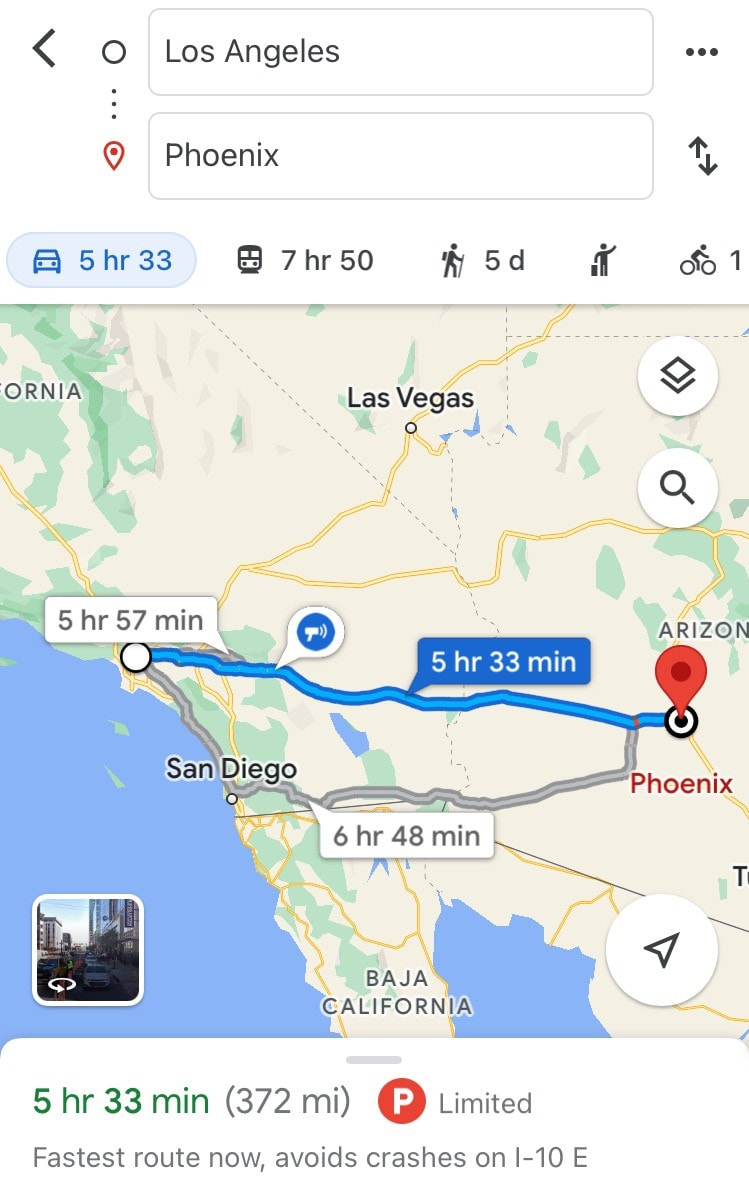
The most popular way to travel between Los Angeles and Phoenix for many is by car. This offers the ultimate freedom to explore at your own pace and discover hidden gems along the way. The primary route typically follows Interstate 10 (I-10) East from the Los Angeles Basin into Arizona.
The direct driving distance is approximately 370-380 miles (around 595-612 kilometers), depending on your exact starting point in the sprawling Los Angeles area and your final destination in Phoenix. This distance translates to an estimated driving time of 5 to 6 hours under ideal conditions, without accounting for significant traffic delays, rest stops, or extended sightseeing.
However, it’s crucial to factor in the realities of driving in and around these major metropolitan areas. Leaving Los Angeles can often involve navigating heavy traffic, especially during peak commuting hours. Similarly, entering Phoenix can present its own set of congestion. Therefore, a more realistic total travel time for the drive might lean towards 6.5 to 7.5 hours, allowing for a couple of short breaks for fuel, snacks, and stretching your legs.
For those who embrace the spirit of travel and lifestyle, this drive offers a fantastic opportunity to experience the changing landscapes. As you leave the coastal plains of California, you’ll gradually ascend into the arid beauty of the Mojave Desert. The scenery shifts from urban sprawl to rugged mountains, vast stretches of Joshua trees, and iconic desert flora. Notable stops along I-10 can include towns like Palm Springs, a popular desert resort town known for its mid-century modern architecture and celebrity history, or the Joshua Tree National Park, a haven for hikers and nature enthusiasts. Further into Arizona, the landscape becomes even more dramatically desert, with saguaro cacti dotting the horizon as you approach Phoenix.
Flying Distance and Time
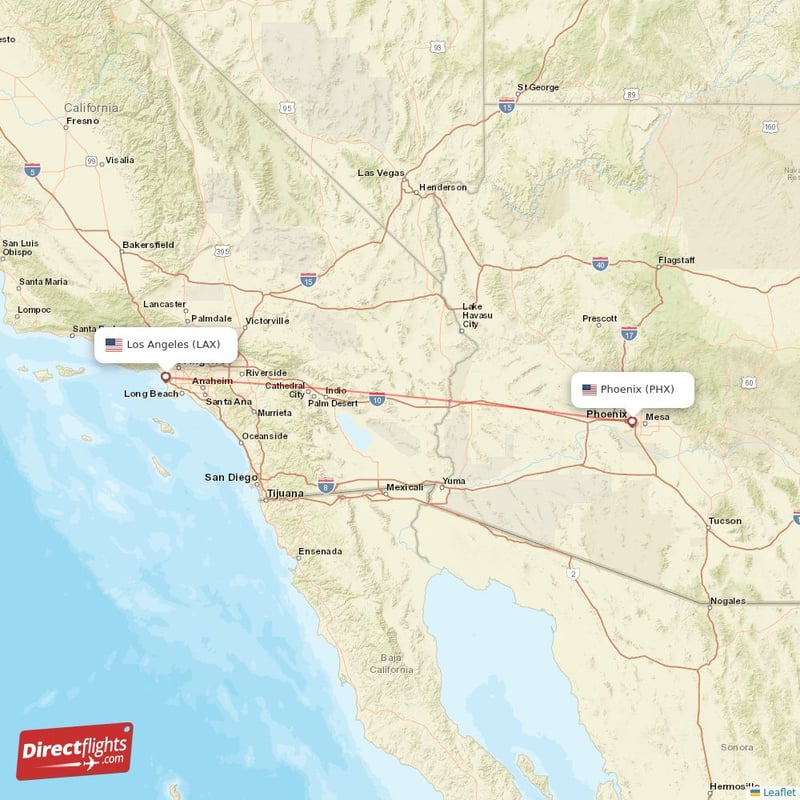
For travelers prioritizing speed and efficiency, flying is the most practical option. Numerous airlines offer direct flights between Los Angeles International Airport (LAX) and Phoenix Sky Harbor International Airport (PHX). These airports are major hubs, ensuring frequent flight availability throughout the day.
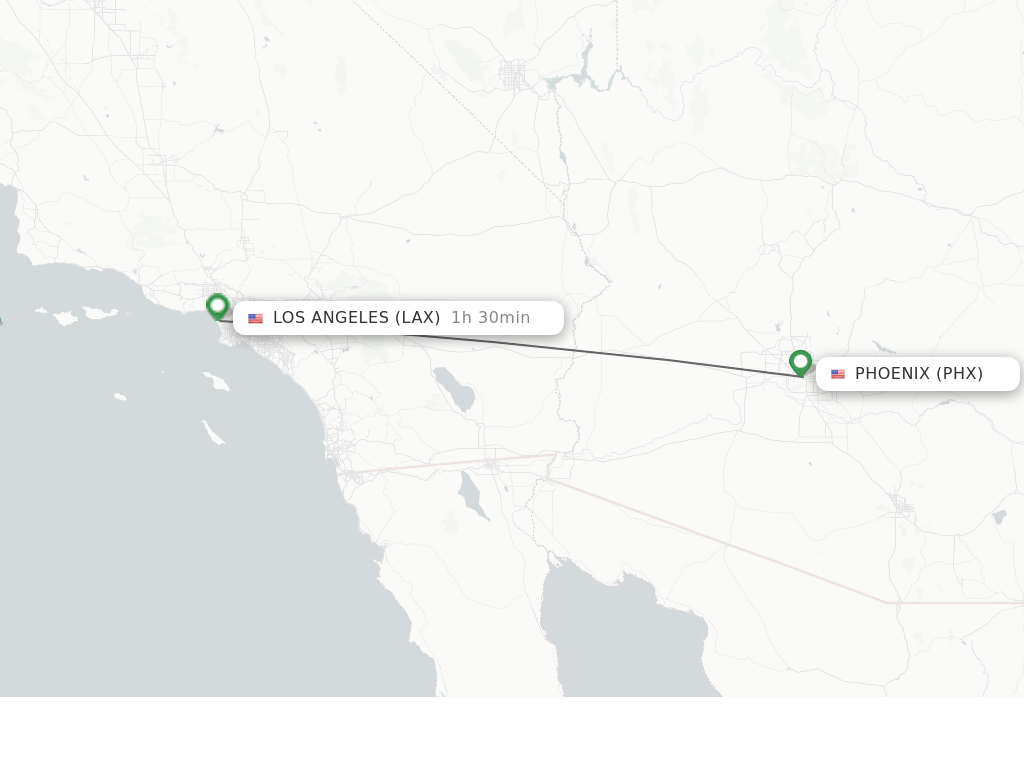
The actual flight time is remarkably short, typically around 1 hour to 1 hour and 20 minutes. This makes it a very convenient option for those on a tight schedule or who prefer to minimize travel time between cities. The aerial view of the journey offers a different perspective, showcasing the vastness of the desert terrain from above and the urban grids of both Los Angeles and Phoenix expanding outward.
However, it’s important to remember that the total travel time for a flight extends beyond the airborne minutes. You must factor in travel to and from the airports, check-in procedures, security screening, boarding, deplaning, and baggage claim. Depending on the airport and time of day, this can add several hours to your journey. Therefore, when considering flying, a realistic estimate for the entire door-to-door travel experience might be between 4 to 6 hours. This still makes it significantly faster than driving for many, especially when traffic in Los Angeles is a major concern.
For business travelers or those seeking a quick weekend getaway, flying is often the preferred method. The convenience of arriving in Phoenix ready to explore its many attractions, hotels, and resorts without the fatigue of a long drive is a major advantage.
Exploring Your Travel Options
Beyond the fundamental distance, the “how” of traveling from Los Angeles to Phoenix presents a spectrum of choices, each catering to different preferences in lifestyle, budget, and desired experience. Whether you crave the open road, the speed of air travel, or the more leisurely pace of a train, there’s an option to suit your needs.
The Classic Road Trip: Embracing the Journey
The drive from Los Angeles to Phoenix is a quintessential American road trip experience, offering a tangible connection to the diverse landscapes and cultural nuances of the Southwest. This option appeals to those who appreciate the freedom to stop, explore, and immerse themselves in the journey.
Scenic Routes and Roadside Attractions
While the most direct route is I-10, road trippers can opt for slightly more scenic detours that offer a deeper dive into the region’s character. One popular variation involves taking a portion of the historic Route 66 before rejoining I-10. This historic highway, often called the “Mother Road,” winds through quirky towns and offers a glimpse into America’s past.
Along the I-10 corridor, you’ll encounter a range of potential stops that enhance the travel experience. As mentioned, Palm Springs is a significant draw, offering a chance to relax by a pool at a chic resort, explore its renowned art galleries, or appreciate its unique architectural heritage. Further east, towns like Quartzsite, Arizona, are known for their gem and mineral shows and vast flea markets, appealing to collectors and bargain hunters.
For nature lovers, a detour to Joshua Tree National Park provides an opportunity to hike among the distinctive Joshua trees and explore unique rock formations. While this adds significant time to the journey, it’s a worthwhile endeavor for those seeking to connect with the raw beauty of the desert.
Planning Your Road Trip
Successful road trips require careful planning, especially for a journey of this length. Consider these aspects:
- Vehicle Preparation: Ensure your vehicle is in good condition, with properly inflated tires, adequate fluid levels, and a functioning air conditioning system, which is essential for desert travel.
- Accommodation: Decide whether you plan to drive straight through or break up the journey. If stopping, research hotels, motels, or apartments in towns along your route. Palm Springs offers numerous resorts and hotels for an overnight stay.
- Supplies: Carry plenty of water, snacks, a first-aid kit, and a good map or GPS device. Mobile phone service can be spotty in desert areas.
- Timing: Departing early in the morning, especially from Los Angeles, can help you avoid the worst of the traffic.
The road trip allows for a more intimate connection with the landscapes and the spirit of tourism in the region, offering spontaneous discoveries and a sense of adventure that complements a lifestyle focused on exploration.
Air Travel: Speed and Convenience
For many, the decision to fly between Los Angeles and Phoenix is driven by the undeniable efficiency and time-saving benefits. It’s the quickest way to bridge the ~375-mile gap, allowing travelers to maximize their time at their destination.
Major Airports and Flight Options
The primary airports serving this route are:
- Los Angeles International Airport (LAX): One of the busiest airports in the world, LAX handles a vast number of domestic and international flights. It is served by numerous airlines, offering frequent direct flights to Phoenix.
- Phoenix Sky Harbor International Airport (PHX): Often referred to as the “longest runway in the world” due to its impressive length, PHX is a major hub for air travel in the Southwest. It is well-connected to LAX with many daily departures and arrivals.
Several airlines operate direct routes, including major carriers and budget-friendly options. Booking in advance is often recommended, especially during peak travel seasons, to secure the best fares.
Maximizing Your Flight Experience
While flights are quick, optimizing your airport experience can make the entire process smoother.
- Airport Transportation: Plan your journey to and from the airports. Los Angeles has various options, including ride-sharing services, taxis, and public transportation, though the latter can be time-consuming. Phoenix also offers shuttle services, ride-sharing, and rental cars.
- Airport Amenities: Both airports offer a range of amenities, including dining options, lounges, and shops. If you have a layover or an extended wait, these can make your time more comfortable.
- Baggage Considerations: Be mindful of airline baggage policies and fees, especially if you’re traveling with a lot of luggage.
Air travel is ideal for those whose lifestyle demands efficiency, such as business travelers or those planning short weekend getaways to explore Phoenix’s vibrant attractions and landmarks.
Other Travel Methods: A Look at Alternatives
While driving and flying are the dominant modes of transport between Los Angeles and Phoenix, other options exist for those seeking different experiences or who prefer not to drive or fly.
Train Travel
Amtrak offers train services that can connect Los Angeles and Phoenix, though it’s not a direct route. Passengers typically travel from Los Angeles to Tucson, and then take a bus or shuttle to Phoenix.
The train journey is significantly longer than driving, often taking upwards of 10-12 hours for the train portion alone, plus the time for the connecting bus. However, it offers a more relaxed pace and a chance to see the scenery unfold without the stress of driving. Train travel can be an attractive option for those who enjoy the journey itself and appreciate a more nostalgic form of travel. Sleeping accommodations are available on longer routes, adding to the comfort.
Bus Services
Several intercity bus companies operate routes between Los Angeles and Phoenix. These are typically the most budget-friendly options, appealing to budget travel enthusiasts.
Bus journeys can take anywhere from 5.5 to 8 hours, depending on the specific route and number of stops. While less comfortable than train or air travel, modern buses often offer amenities like Wi-Fi and power outlets, allowing passengers to work or entertain themselves during the trip. This can be a viable option for solo travelers or those looking to minimize travel costs while still reaching their destination.
Arriving in Phoenix: Your Desert Destination Awaits
Regardless of how you choose to travel from Los Angeles, your arrival in Phoenix marks the beginning of an adventure in a city known for its vibrant desert charm, rich history, and diverse attractions. Understanding what awaits you upon arrival can enhance your tourism experience.
Phoenix’s Appeal and Attractions
Phoenix, the capital of Arizona, is renowned for its stunning desert landscapes, abundant sunshine, and a thriving cultural scene. Often called the “Valley of the Sun,” it offers a unique blend of outdoor adventure and urban sophistication.
- Natural Wonders: The city is surrounded by majestic mountains, including the iconic Camelback Mountain and Papago Park, offering incredible hiking and panoramic views. The Desert Botanical Garden is a must-visit for its diverse collection of desert flora, showcasing the beauty and resilience of life in arid environments.
- Cultural Experiences: Phoenix boasts a dynamic arts and culture scene, with museums like the Heard Museum, dedicated to Native American art and culture, and the Phoenix Art Museum. The city also has a burgeoning culinary scene, with a wide array of restaurants offering everything from authentic Mexican cuisine to innovative farm-to-table dishes.
- Outdoor Activities: Beyond hiking, visitors can enjoy golf on world-class courses, explore the ruins of ancient civilizations, or take a day trip to nearby Grand Canyon National Park. The surrounding Sonoran Desert provides ample opportunities for exploration, from scenic drives to jeep tours.
Accommodation Options in Phoenix
Once you’ve arrived, finding the perfect place to stay is key to a comfortable and enjoyable visit. Phoenix and its surrounding areas, including Scottsdale, offer a wide range of accommodation options to suit every lifestyle and budget.
- Luxury Resorts: For those seeking indulgence, Phoenix and Scottsdale are dotted with luxurious resorts offering world-class amenities, championship golf courses, and opulent spa services. Think of properties like the Arizona Biltmore, A Waldorf Astoria Resort, or the numerous high-end resorts along the famous “Resort Corridor” in Scottsdale.
- Boutique Hotels: Boutique hotels offer a more intimate and unique lodging experience, often with stylish decor and personalized service. These can be found in the downtown areas or in charming neighborhoods.
- Apartments and Vacation Rentals: For longer stays or for families and groups, renting an apartment or a private villa through platforms like Airbnb or Vrbo can provide more space, privacy, and the convenience of a kitchen. This is ideal for those who prefer a home-away-from-home feel and for long-term stay arrangements.
- Budget-Friendly Hotels: Numerous chain hotels and motels are available throughout the metropolitan area, offering reliable and affordable accommodation for budget travel or for those who prioritize spending their funds on experiences rather than lodging.
Whether you arrive by car, plane, train, or bus, the journey from Los Angeles to Phoenix is a straightforward passage that unlocks a world of desert adventures and urban exploration. Understanding the distances and travel times allows for informed decisions, ensuring your trip is as enjoyable and seamless as possible, whether you’re seeking luxury or budget travel, family fun or solo exploration.
LifeOutOfTheBox is a participant in the Amazon Services LLC Associates Program, an affiliate advertising program designed to provide a means for sites to earn advertising fees by advertising and linking to Amazon.com. Amazon, the Amazon logo, AmazonSupply, and the AmazonSupply logo are trademarks of Amazon.com, Inc. or its affiliates. As an Amazon Associate we earn affiliate commissions from qualifying purchases.