
Embarking on a journey through California often brings to mind the vibrant, sun-soaked beaches of Los Angeles and the fog-kissed, iconic hills of San Francisco. These two metropolitan titans stand as cornerstones of the Golden State, each offering a distinct flavor of California dream. While their allure is undeniable, a common question for any traveler planning an epic California adventure is: “How far apart are they, and what’s the best way to bridge the distance?”
Beyond a simple mileage count, the journey between Los Angeles and San Francisco is an experience in itself, a narrative woven into the fabric of American road trip lore. Whether you’re seeking the fastest route, the most scenic drive, or a convenient alternative, understanding the logistical nuances is key to planning an unforgettable trip. This comprehensive guide will delve into the distances, travel times, various modes of transport, and the incredible sights and experiences that await you, transforming a simple question of distance into an exploration of the ultimate California itinerary. From luxurious resorts to budget-friendly stays, and iconic landmarks to hidden cultural gems, we’ll explore how to make the most of your travel between these two magnificent cities.
The Definitive Distance and Travel Times
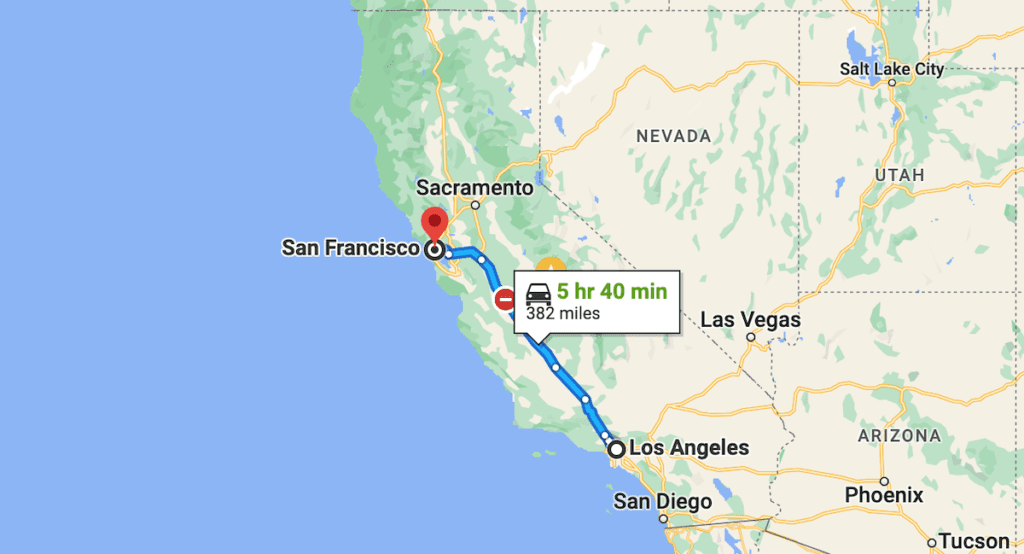
The geographical separation between Los Angeles and San Francisco is significant, yet highly manageable, making a combined visit a popular choice for many travelers. The exact distance can vary slightly depending on your starting and ending points within each sprawling city and the specific route you take. Generally, the straight-line distance, or as the crow flies, is approximately 350 miles (560 kilometers). However, for practical travel purposes, you’ll be covering a greater distance over land or air.
By Car: Driving the Classic California Route
Driving is arguably the most popular way to travel between Los Angeles and San Francisco, offering flexibility and the quintessential American road trip experience. There are primarily two main routes, each with its own character and travel time.
The fastest and most direct route is via Interstate 5 (I-5). This route covers approximately 380 miles (612 kilometers) and, without significant stops or traffic, typically takes around 5.5 to 6.5 hours. I-5 is a largely flat, multi-lane highway that cuts through the agricultural heartland of California’s Central Valley. While it’s efficient, it’s not the most scenic drive, often characterized by vast farmlands and a more utilitarian landscape. Fuel stops and fast-food options are plentiful along this corridor. This route is ideal for business travelers, those on a tight schedule, or families prioritizing speed.

Alternatively, the US-101 offers a more scenic, though slightly longer, journey. Spanning approximately 400-420 miles (640-675 kilometers), this route typically takes around 6.5 to 8 hours of driving time, not accounting for stops. US-101 hugs the coast for portions, passing through charming coastal towns like Santa Barbara and San Luis Obispo, as well as wine country regions. It offers more visual variety and opportunities for brief detours into quaint communities. While generally faster than Highway 1, it still allows for a more pleasant driving experience than I-5.
By Air: The Quickest Connection
For those prioritizing speed above all else, flying is undoubtedly the quickest way to travel between Los Angeles and San Francisco. Numerous daily flights connect the major airports of both cities.
The primary airports are Los Angeles International Airport (LAX) and San Francisco International Airport (SFO). Direct flight times are typically around 1 hour and 15 minutes to 1 hour and 30 minutes. When factoring in travel to and from airports, security checks, and boarding, the total door-to-door travel time can easily extend to 4-5 hours.
Additionally, several smaller airports serve these regions:
- Near Los Angeles: Hollywood Burbank Airport (BUR), Long Beach Airport (LGB), and John Wayne Airport (SNA).
- Near San Francisco: Oakland International Airport (OAK) and San Jose International Airport (SJC).
Choosing these alternative airports can sometimes offer cheaper fares or more convenient locations depending on your specific accommodation, but flight frequency might be lower. For quick business trips or those with limited vacation time, flying is the most practical choice.
By Train or Bus: A More Relaxed Pace
For travelers who prefer to sit back, relax, and enjoy the journey without the stress of driving or airport procedures, trains and buses offer viable, often budget-friendly, alternatives.
By Train: Amtrak operates services that connect Southern California with the Bay Area. The most common route involves the Pacific Surfliner from Los Angeles to San Luis Obispo, then a bus connection or the Coast Starlight further north. While scenic, especially the coastal portions, the train journey is considerably longer than driving or flying, typically taking between 9 to 12 hours, including transfers. It’s a great option for those who enjoy slow travel, reading, or working while gazing out the window at California’s diverse landscapes.
By Bus: Numerous bus companies, including Greyhound, FlixBus, and others, offer daily services between Los Angeles and San Francisco. These are generally the most economical options. Travel times vary by operator and number of stops, but generally range from 6.5 to 10 hours. Buses provide a straightforward, no-frills way to travel, often with amenities like Wi-Fi and power outlets. They are popular among budget travelers, students, and those who don’t want to worry about parking or navigating city traffic.
Embarking on the Ultimate California Road Trip: Scenic Routes and Must-See Stops
While a direct dash between Los Angeles and San Francisco is entirely feasible, many travelers choose to transform this journey into an unforgettable California road trip. The route offers some of the most stunning coastal scenery and diverse attractions in the United States. This approach aligns perfectly with the website’s focus on destinations, attractions, and experiences.
The Iconic Pacific Coast Highway (Highway 1)
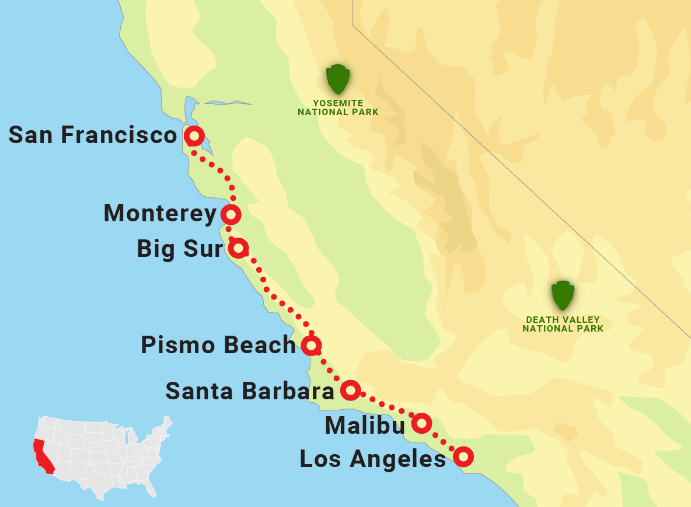
For an unparalleled scenic adventure, the Pacific Coast Highway (PCH), also known as Highway 1, is legendary. This route adds significant mileage and time but delivers breathtaking vistas at every turn. While the actual distance covered can be upwards of 450-500 miles (725-800 kilometers) from Los Angeles to San Francisco, the driving time alone, without stops, could be 10-12 hours. However, to truly savor the experience, you should plan for a minimum of 2-3 days, and ideally 4-5 days, to explore the incredible landmarks along the way.
Key stops and experiences along Highway 1 include:
- Santa Barbara: Known as the “American Riviera,” this city boasts stunning beaches, Spanish Colonial architecture, and a vibrant food scene. It’s an excellent first stop from LA.
- San Luis Obispo: A charming college town with a historic mission, a lively downtown, and nearby wine regions.
- Hearst Castle: A majestic estate offering a glimpse into early 20th-century grandeur. Advance booking for tours is highly recommended.
- Big Sur: This dramatic stretch of coastline is arguably the most famous and photographed section of Highway 1. With its towering redwood forests, rugged cliffs, and panoramic ocean views, it’s a place of unparalleled natural beauty. Allow ample time for stops at viewpoints and short hikes.
- Monterey: Home to the world-renowned Monterey Bay Aquarium and historic Cannery Row. It’s a fantastic stop for families and marine enthusiasts.
- Carmel-by-the-Sea: A picturesque village straight out of a fairytale, famous for its art galleries, boutique shops, and charming cottages. Don’t miss the scenic 17-Mile Drive nearby.
Navigating Highway 1 requires attention, as sections can be winding, and rockslides or road closures can occur, particularly during wet seasons. Always check road conditions before departing, especially for the Big Sur portion. This journey is a destination in itself, appealing to those seeking an experience rich in natural beauty and unique cultural stops, aligning with an elevated lifestyle and travel experience.
Inland Detours and Hidden Gems
While the coastal route captivates, California’s interior also offers incredible detours if you have extra time. From Los Angeles, you could consider a longer loop that includes:
- National Parks: Yosemite National Park (about 6-7 hours from LA), Sequoia National Park (about 4 hours from LA), or Death Valley National Park (about 4-5 hours from LA) offer starkly different but equally mesmerizing landscapes.
- Napa Valley and Sonoma County: Once you reach the Bay Area, consider extending your trip north to California’s renowned wine regions for world-class tastings and culinary experiences. These are typically a 1-2 hour drive north of San Francisco.
- Lake Tahoe: For outdoor enthusiasts, Lake Tahoe offers year-round activities, from skiing in winter to hiking and water sports in summer. It’s a significant detour (about 3-4 hours east of Sacramento), but a rewarding one.
These inland detours can transform a two-city trip into a grand tour of California, catering to various interests from nature and adventure to gastronomy and history.
Planning Your Twin-City Adventure: Accommodation, Attractions, and Local Culture
Once you’ve decided on your mode of transport and journey style, the next step is to plan your stays and experiences in Los Angeles and San Francisco. Both cities are global hubs for tourism, offering a staggering array of accommodations and activities to suit every taste, budget, and lifestyle.
Exploring the Vibrant Tapestry of Los Angeles
Los Angeles, the sprawling entertainment capital, promises endless excitement.
- Iconic Attractions: Immerse yourself in the magic of Hollywood by strolling the Hollywood Walk of Fame and visiting the Griffith Observatory for stunning city views and celestial wonders. Dive into movie magic at Universal Studios Hollywood or experience the timeless joy of Disneyland Park in nearby Anaheim. Art lovers will appreciate the extensive collections at the Getty Center, while sun-seekers can unwind at Santa Monica Pier or Venice Beach.
- Accommodation in LA: The city offers an incredible diversity of places to stay. For luxury travel, consider the opulent hotels in Beverly Hills like The Beverly Wilshire or beachfront resorts in Santa Monica such as the Shutters on the Beach. Major chains like Marriott, Hilton, and Hyatt offer a wide range of options across different neighborhoods, from bustling downtown to trendy West Hollywood. For budget travelers, hostels and extended-stay apartments are available, particularly in areas like Hollywood and near major transport hubs. Booking platforms allow for easy comparison and finding deals, whether you’re seeking a short-term stay or a longer exploration of the city’s vibrant culture.
- Local Culture & Food: LA is a melting pot of cultures, reflected in its diverse culinary scene. From authentic Mexican taquerias to Michelin-starred restaurants, the food experiences are endless. Explore vibrant neighborhoods like Koreatown, Little Ethiopia, or the historic Grand Central Market for a taste of local life.
Discovering the Charm of San Francisco
San Francisco, with its iconic landmarks and unique charm, offers a different, yet equally captivating, experience.
- Must-See Attractions: No visit is complete without seeing the majestic Golden Gate Bridge – consider walking or biking across for stunning views of the San Francisco Bay. Take a ferry to the infamous Alcatraz Island for a fascinating historical tour. Explore the bustling Fisherman’s Wharf, marvel at the sea lions at Pier 39, or ride a historic cable car up and down the city’s famous hills. Wander through the vibrant streets of Chinatown, the oldest Chinatown in North America, or admire the architectural beauty of the Palace of Fine Arts.
- Accommodation in San Francisco: San Francisco offers a blend of historic hotels, modern boutique stays, and luxury options. Union Square is a popular area for upscale hotels, including the Ritz-Carlton and Four Seasons, providing easy access to shopping and theaters. For a more bohemian vibe, look for hotels in the Mission District or Haight-Ashbury. Due to the city’s compact nature and popularity, accommodation can be pricey, so booking in advance is crucial, especially during peak season. Consider serviced apartments for longer stays or for families seeking more space.
- Local Culture & Food: San Francisco is a foodie paradise, known for its sourdough bread, fresh seafood, and innovative cuisine. Explore the diverse eateries in the Mission District, enjoy clam chowder at Fisherman’s Wharf, or discover world-class dining in the Financial District. The city’s tech influence, stemming from nearby Silicon Valley, also shapes its modern, dynamic culture.
Tailoring Your Journey: Lifestyle, Budget, and Travel Tips
The journey between Los Angeles and San Francisco can be entirely customized to fit your specific travel lifestyle, budget, and purpose.
Luxury vs. Budget Travel
Luxury Travel: For those seeking an indulgent experience, consider flying business or first class, booking stays at five-star hotels and resorts in both cities (e.g., beachfront villas in Santa Monica or historic grand hotels in San Francisco), hiring a private car service for transfers, and enjoying gourmet dining experiences. A luxury road trip might involve a high-end rental car, staying at boutique hotels along Highway 1, and splurging on fine dining in Carmel-by-the-Sea or Napa Valley.
Budget Travel: If you’re on a tighter budget, opt for bus travel or carpooling. Seek out hostels, budget-friendly hotels, or vacation rentals booked well in advance. Embrace public transportation within cities (both LA and SF have extensive, though sometimes challenging, public transit systems). Focus on free attractions like parks, beaches, and walking tours. Enjoy street food, farmers’ markets, and cooking some meals in self-catering accommodation. Many iconic landmarks, like the Golden Gate Bridge or the Hollywood Sign, are free to admire.
Family, Business, or Solo Adventures
- Family Trips: For families, the road trip offers unparalleled flexibility. Stops like Disneyland Park near LA, the Monterey Bay Aquarium, and Pier 39 in San Francisco are major draws. Consider booking family-friendly suites or apartments with amenities like pools. Rental cars are almost a necessity for families in LA due to its vastness, while San Francisco’s walkable nature makes public transport a fun option.
- Business Stays: If traveling for business, flying is usually the most efficient. Hotels near convention centers or business districts (like Downtown LA or San Francisco’s Financial District) with good connectivity are crucial. Look for hotels offering business amenities, executive lounges, and proximity to major corporate campuses in Silicon Valley (if visiting SF).
- Solo Adventures: Solo travelers have the freedom to choose any mode of transport and set their own pace. Hostels are great for meeting other travelers. Engaging with local culture, taking walking tours, and exploring independent eateries can make for a rich solo experience. Both cities are relatively safe for solo exploration, though standard urban precautions apply.
Essential Travel Tips for a Seamless Experience
- Best Time to Visit: Spring (April-May) and Fall (September-October) generally offer the most pleasant weather, fewer crowds, and moderate temperatures for both cities. Summers can be hot in LA and foggy in San Francisco (often called “June Gloom”), while winters are mild but can bring rain.
- Booking in Advance: Especially for popular attractions like Alcatraz Island, Universal Studios Hollywood, and highly-rated accommodations, book tickets and rooms several weeks, if not months, ahead, particularly during peak seasons.
- Rental Cars: If you plan on driving, reserve your rental car well in advance, especially if you need specific types of vehicles or are traveling during busy periods. Be aware of parking costs in both cities, which can be substantial.
- Public Transportation: Familiarize yourself with each city’s public transport system. San Francisco has a comprehensive network of buses, Muni metro, streetcars, and cable cars. Los Angeles also has a growing Metro rail and bus system, but due to its sheer size, driving is often more practical for exploring widespread attractions.
- Packing Essentials: Layers are always a good idea in California, especially in San Francisco, where temperatures can shift rapidly. Comfortable walking shoes are a must for exploring both cities.
The question of “How far is Los Angeles from San Francisco?” transcends mere mileage. It opens the door to a world of travel possibilities, from swift air connections to legendary road trips. Whether you seek the efficiency of a direct flight, the immersive beauty of Highway 1, or the relaxed pace of train travel, the journey between these two iconic California cities is rich with potential. By carefully considering your travel style, budget, and desired experiences, you can transform a simple transit into a highlight of your California adventure, discovering the diverse landscapes, vibrant cultures, and unforgettable landmarks that define the Golden State. Start planning your epic California journey today, and prepare to be captivated by everything these incredible destinations have to offer.