
Embarking on a journey between Los Angeles and San Francisco is more than just covering a geographical distance; it’s an exploration of California‘s diverse landscapes, vibrant cultures, and iconic attractions. These two metropolises, each a global hub in its own right, offer distinct experiences, from the sun-drenched beaches and entertainment capital of Los Angeles to the fog-kissed hills and tech innovation of San Francisco. For travelers, understanding the various ways to traverse this distance, the time involved, and the potential adventures along the way is key to planning an unforgettable California escape.
The question “How far is Los Angeles from San Francisco?” goes beyond a simple number. It encompasses the choice between a quick flight, a scenic train ride, a budget-friendly bus trip, or the quintessential California road trip. Each mode of transport offers a unique perspective on the Golden State, catering to different travel styles, budgets, and time constraints. Whether you’re a luxury traveler seeking efficiency, a budget-conscious adventurer, or someone yearning for the freedom of the open road, this comprehensive guide will help you navigate the journey between these two magnetic cities, turning a simple commute into an integral part of your California experience.
The Geographical Reality: Distance and Driving Routes
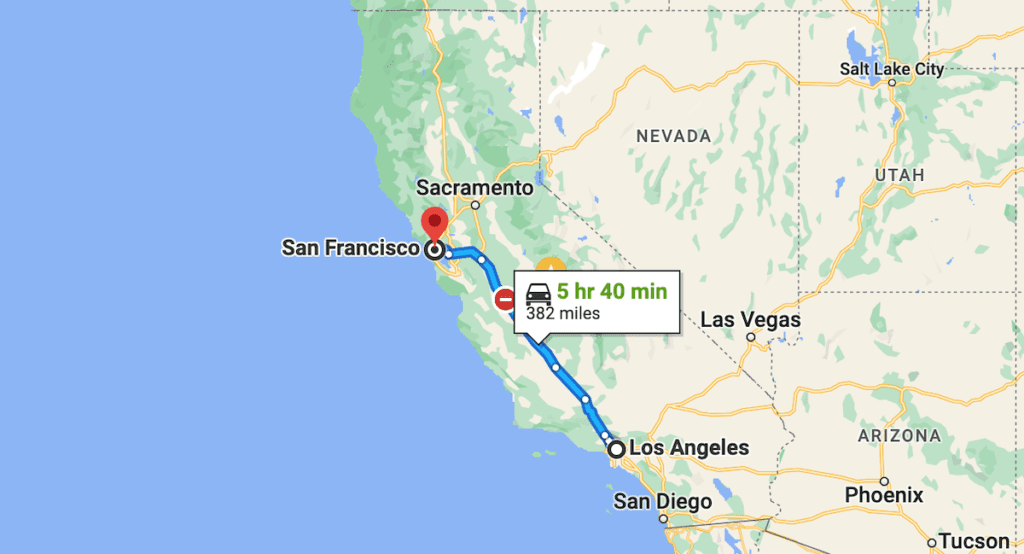
At its core, the distance between Los Angeles and San Francisco can be quantified, but the journey itself is far more intricate. Approximately 380 to 400 miles (about 610 to 645 kilometers) separate the two cities, depending on your exact starting and ending points within each metropolitan area. This distance translates into varying travel times, significantly influenced by the chosen mode of transportation and, for drivers, the route taken and prevailing traffic conditions.
The Major Driving Routes
For those opting for the classic California road trip, there are three primary routes, each offering a distinct experience:
-
Interstate 5 (I-5): The Fastest Option
- Distance: Approximately 380 miles (612 km).
- Driving Time: Roughly 5.5 to 6.5 hours, without significant stops or heavy traffic.
- Experience: I-5 is the most direct and efficient route, cutting through the vast Central Valley. While fast, it’s often considered less scenic, characterized by agricultural landscapes and fewer major points of interest directly on the highway. This route is ideal for travelers prioritizing speed and minimal distractions. Amenities like gas stations and fast-food restaurants are readily available, but picturesque stops are scarce. Traffic can be an issue, particularly around major cities like Los Angeles, Burbank, and Oakland, especially during rush hour.
-
U.S. Route 101 (US-101): The Scenic Inland Coastal Drive
- Distance: Approximately 400 miles (644 km).
- Driving Time: Generally 7 to 8 hours, though easily extended with stops.
- Experience: US-101 offers a more varied and engaging drive than I-5, weaving through charming coastal towns, rolling hills, and vineyards. While not as direct as I-5, it provides a glimpse into California’s cultural heartland, passing near cities like Santa Barbara, San Luis Obispo, and Monterey. This route is a popular choice for those wanting a balance between efficiency and scenery, with plenty of opportunities for brief detours to explore local attractions, enjoy fresh seafood, or simply take in the views.
-
Highway 1 (Pacific Coast Highway – PCH): The Iconic Coastal Epic
- Distance: Approximately 450-500 miles (725-800 km), depending on specific detours.
- Driving Time: A minimum of 9-10 hours, but realistically 2-3 days with proper stops.
- Experience: For the ultimate California road trip, Highway 1 is unparalleled. This legendary route hugs the dramatic California coastline, offering breathtaking vistas, rugged cliffs, and iconic landmarks like Big Sur, Carmel-by-the-Sea, and the Golden Gate Bridge (as you approach San Francisco). While significantly longer and slower due to its winding nature, lower speed limits, and numerous scenic overlooks, it transforms the journey into the destination itself. This route is best suited for travelers with ample time, who wish to immerse themselves in California’s natural beauty and charm, stopping at picturesque towns, tasting local wines, and exploring state parks.
Understanding these routes is the first step in deciding how you want your California adventure to unfold. Each path between Los Angeles and San Francisco promises a unique story, whether it’s one of efficient transit or a leisurely exploration.
Choosing Your Mode of Transport: Beyond the Wheel
While driving is a quintessential California experience, it’s far from the only option for traveling between Los Angeles and San Francisco. Depending on your priorities – be it speed, comfort, budget, or environmental impact – other modes of transport offer compelling alternatives.
Flying: The Quickest Link
For those prioritizing speed, flying is hands down the fastest way to get from Los Angeles to San Francisco.
- Flight Time: Direct flights typically take around 1 hour and 15 minutes to 1 hour and 30 minutes.
- Total Travel Time: When factoring in travel to and from airports, security checks, and boarding, the total door-to-door time can be 4-5 hours.
- Airports: Los Angeles is served by LAX (Los Angeles International Airport) as its primary hub, but Burbank (Hollywood Burbank Airport) and Long Beach (Long Beach Airport) offer convenient alternatives, often with shorter lines. In San Francisco, SFO (San Francisco International Airport) is the main gateway, with Oakland (Oakland International Airport) providing another accessible option, particularly for those staying in the East Bay.
- Cost: Prices can vary wildly depending on the airline, booking in advance, and time of year. While generally more expensive than bus or train, competitive fares can sometimes be found.
- Pros: Unbeatable speed, ideal for business travelers or those with limited time.
- Cons: Less scenic, can be costly, and the environmental footprint is higher. Airport logistics (getting to/from, security) can negate some of the time savings.
Train: A Scenic and Relaxing Journey
Amtrak provides a more leisurely and often scenic way to travel between the two cities, offering a chance to relax and enjoy the landscape without the stresses of driving.
- Routes: The most direct Amtrak route involves a combination of train and bus services. The “Pacific Surfliner” from Los Angeles to San Luis Obispo, followed by an Amtrak Thruway Bus to San Francisco, is one option. The “Coast Starlight” is a long-distance overnight train that goes directly from Los Angeles to Oakland/Emeryville, then a short bus connection to San Francisco. The “San Joaquins” route goes through the Central Valley, also involving a bus connection at either end.
- Duration: The total journey can take anywhere from 9 to 12 hours, depending on the route and connections.
- Cost: Mid-range, typically more than a bus but less than a last-minute flight.
- Pros: Comfortable seating, ample legroom, dining car, stunning coastal views on certain segments (especially the “Pacific Surfliner” and “Coast Starlight”), and a relaxed atmosphere. It’s a great option for those who enjoy slow travel.
- Cons: Significantly longer than flying or direct driving.
Bus: The Budget-Friendly Choice
Bus travel remains the most economical option for many, ideal for budget travelers or those not in a rush.
- Companies: Major operators include Greyhound, FlixBus, and various regional services.
- Duration: Typically 7 to 9 hours, depending on the number of stops and traffic.
- Cost: Generally the cheapest mode of transport.
- Pros: Very affordable, no need to worry about driving, parking, or gas. Some modern buses offer amenities like Wi-Fi and power outlets.
- Cons: Can be less comfortable than train or plane, subject to traffic delays, and less flexible with schedules.
Each transportation method caters to different travel philosophies. Your ideal choice will depend on a careful balance of cost, time, convenience, and your desire for either a swift passage or an integral part of your California adventure.
Making the Journey an Experience: Planning Your California Adventure
For many, the distance between Los Angeles and San Francisco isn’t just a stretch of miles to be covered, but an invitation to explore. Turning the transit into a curated travel experience is especially true for those choosing the scenic drives, offering a myriad of attractions, diverse landscapes, and opportunities to delve into California’s rich lifestyle.
The Ultimate Road Trip: Exploring Highway 1 and US-101
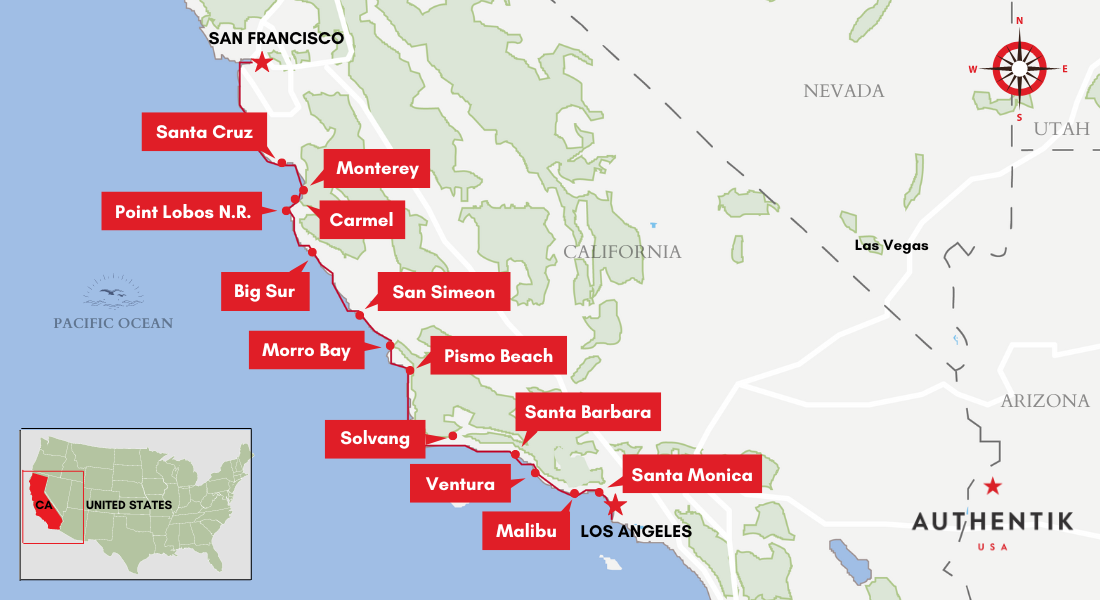
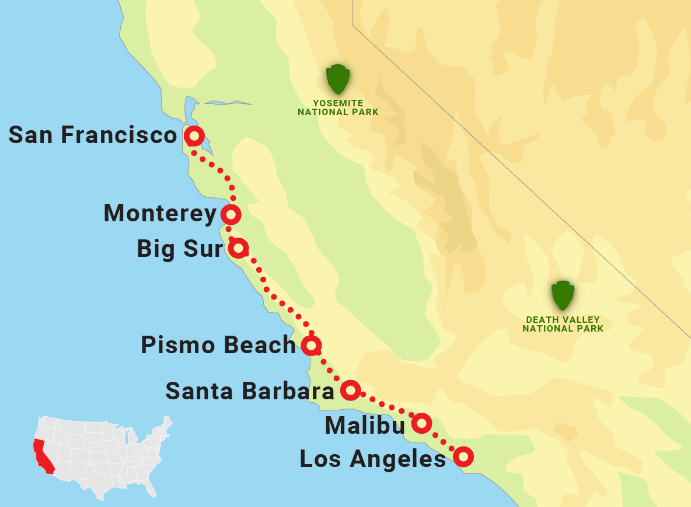
If you have two to three days to spare, the Highway 1 coastal drive (often combined with sections of US-101) offers an unparalleled travel experience. This route allows you to immerse yourself in the natural beauty, local culture, and unique landmarks that define California.
Key Stops and Attractions:
-
Santa Barbara: The American Riviera
Just a couple of hours north of Los Angeles, Santa Barbara is renowned for its Spanish colonial architecture, pristine beaches, and sophisticated wine country. Spend a few hours strolling along Stearns Wharf, exploring the mission, or enjoying a meal in the Funk Zone. Accommodation options range from luxury resorts like the Ritz-Carlton Bacara to charming boutique hotels. -
Pismo Beach & San Luis Obispo: Central Coast Charms
Further north, Pismo Beach is famous for its pier, ATV rentals on the sand dunes, and, of course, clam chowder. A short drive inland brings you to San Luis Obispo, a vibrant college town with a historic mission, a lively downtown, and the quirky Bubblegum Alley. Consider staying at one of the many comfortable motels or a quaint bed and breakfast. -
Hearst Castle: A Glimpse into Grandeur
Perched majestically overlooking the Pacific, Hearst Castle is a National Historic Landmark and former estate of newspaper magnate William Randolph Hearst. Tours of this opulent mansion and its stunning grounds offer a fascinating dive into history, art, and extravagant architecture. Booking tickets in advance is highly recommended. -
Big Sur: Where Mountains Meet the Sea
The crown jewel of Highway 1, Big Sur is a dramatic stretch of coastline offering some of the most spectacular scenery in the world. Key photo opportunities include the iconic Bixby Bridge and panoramic viewpoints like McWay Falls. Hiking trails abound in areas like Pfeiffer Big Sur State Park. Due to its remote nature, accommodation here can be pricey, ranging from rustic cabins to luxury resorts. Be aware that road closures due to landslides can sometimes affect this section of Highway 1, so always check conditions before you travel. -
Carmel-by-the-Sea & Monterey: Coastal Elegance and Marine Life
North of Big Sur, Carmel-by-the-Sea is a fairytale village known for its art galleries, charming cottages, and white sand beach. Adjacent to it, Monterey boasts historic Cannery Row and the world-renowned Monterey Bay Aquarium. Don’t miss the picturesque 17-Mile Drive, a scenic toll road through Pebble Beach offering stunning ocean views and famous golf courses. Both cities offer a wide array of hotels, from budget-friendly options to luxury suites. -
Santa Cruz: Surf City Vibes
Closer to San Francisco, Santa Cruz offers a laid-back surf culture with its iconic Santa Cruz Beach Boardwalk, redwood forests, and vibrant downtown. It’s a great spot for a final stretch of beach time before heading into the urban landscape of San Francisco.
Accommodation and Culinary Delights Along the Way
Throughout your journey, whether short or extended, you’ll find an array of accommodation options. From luxury resorts offering spa amenities and fine dining experiences in Santa Barbara and Monterey, to quaint bed and breakfasts in Carmel-by-the-Sea, and budget-friendly motels in smaller towns, there’s something for every preference and lifestyle. For those seeking unique stays, look for glamping sites in Big Sur or vacation rentals that allow for a longer, more immersive stay in a local community.
Food is also a highlight of any California road trip. Indulge in fresh seafood along the coast, sample farm-to-table cuisine in wine country, or enjoy classic California roadside diners. Each stop offers a taste of local culture and ingredients, making every meal part of the overall experience.
Planning Your Adventure: Tips and Considerations
- Best Time to Travel: Spring and fall generally offer the most pleasant weather for driving Highway 1, with fewer crowds than summer. Big Sur can experience fog, especially in early summer (June Gloom), so be prepared for varying visibility.
- Booking Ahead: Especially during peak season or holidays, popular hotels and attractions like Hearst Castle or the Monterey Bay Aquarium should be booked in advance.
- Car Rental: If flying into Los Angeles and planning a road trip, booking a rental car that can be dropped off in San Francisco (or vice-versa) is convenient, though one-way fees may apply.
- Flexibility: While planning is good, allow for spontaneity. Some of the best discoveries are made when you veer off the main path or decide to spend an extra hour enjoying a stunning view.
- Safety: Always be mindful of road conditions, especially on winding coastal roads. Keep an eye on your fuel level, as gas stations can be sparse in remote areas like Big Sur.
The journey from Los Angeles to San Francisco is more than a calculation of distance; it’s an opportunity to craft a travel narrative filled with breathtaking scenery, cultural immersion, and unforgettable moments. Whether you prioritize luxury travel with resort stays and gourmet dining or a budget-friendly adventure exploring national parks and local eateries, California offers a diverse palette for every type of traveler. By thoughtfully selecting your route and mode of transport, you can ensure that the journey itself becomes a cherished part of your Golden State memories.