
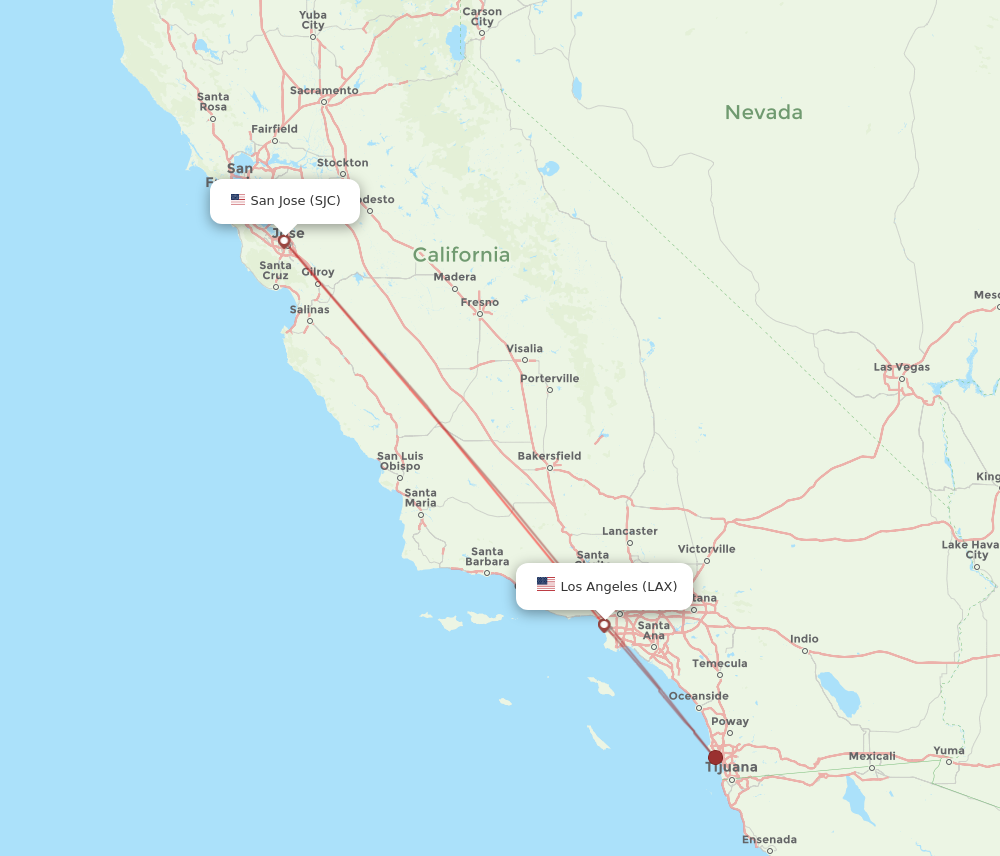
The question of “How Far Is Los Angeles From San Jose?” is a common one for travelers looking to explore the diverse landscapes and vibrant cities of California. While both are prominent hubs within the Golden State, they are separated by a considerable, yet manageable, distance that offers a variety of travel options and experiences. Understanding this geography is the first step in planning a seamless journey, whether you’re seeking a scenic road trip, a quick flight, or a comfortable train ride.
The approximate driving distance between Los Angeles and San Jose is around 350 miles (563 kilometers), depending on the specific route taken. This journey typically takes about 5 to 6 hours of pure driving time, but this estimate rarely accounts for the inevitable stops for fuel, food, and rest, as well as potential traffic delays, particularly around major metropolitan areas like Los Angeles itself and the southern reaches of the San Francisco Bay Area.
Navigating the Distance: Driving Options and Considerations
Embarking on a road trip from Los Angeles to San Jose is a classic California adventure, offering a chance to witness the state’s varied scenery unfold. The most direct route generally involves taking the I-5 North freeway for the majority of the journey. This freeway is known for its efficiency, often allowing for consistent speeds. However, it can also be characterized by long stretches of relatively monotonous landscape, primarily agricultural fields, and is notorious for heavy truck traffic.
The I-5 North Route
The I-5 North is the most common and generally the quickest driving route. Starting from Los Angeles, you’ll merge onto the I-5 North and continue for several hundred miles. Key cities you’ll pass or skirt around include Bakersfield, Kettleman City, and Coalinga. The landscape is largely defined by the San Joaquin Valley, a vast agricultural heartland. While not visually dramatic, it offers a glimpse into California’s economic backbone.
Considerations for the I-5 North:
- Traffic: Expect significant traffic leaving Los Angeles, especially during peak hours. Similarly, traffic can build up as you approach the San Jose area.
- Services: While there are numerous rest stops and gas stations along the I-5, they can sometimes be spread out. It’s advisable to keep your fuel tank at least half-full.
- Scenery: The I-5 route is primarily functional rather than scenic. If stunning vistas are a priority, alternative routes might be more appealing, though they will likely add considerable time.
- Rest Stops: Numerous truck stops and fast-food chains line the I-5, offering convenient places to refuel and grab a bite. Larger towns like Bakersfield provide more extensive dining and lodging options if you plan to break up the drive.
Alternative Scenic Routes
For those who prefer a more picturesque journey, several alternative routes exist, though they extend the travel time significantly. One such option is to take US-101 North for a portion of the trip, especially as you get closer to the coast. This route offers more varied scenery, passing through charming towns and rolling hills.
A more ambitious scenic drive would involve a coastal detour, potentially following parts of Highway 1. This would, however, turn a 5-6 hour drive into a multi-day expedition, involving significant detours and slower speeds. This is best suited for travelers who are not pressed for time and wish to experience the dramatic California coastline, including iconic spots like Big Sur.
Flying to San Jose: The Fastest Way to Connect
For many travelers, the most efficient method of traversing the distance between Los Angeles and San Jose is by air. Numerous daily flights connect Los Angeles International Airport (LAX) and other Los Angeles area airports, such as Hollywood Burbank Airport (BUR) or John Wayne Airport (SNA), to San Jose International Airport (SJC).
Airport Logistics and Flight Durations
The flight time itself is remarkably short, typically lasting around 1 to 1.5 hours. This brevity makes air travel an attractive option for those with limited time or who prefer to maximize their stay in either city. However, it’s crucial to factor in the total travel time, which includes getting to the airport, check-in procedures, security screening, boarding, the flight, deplaning, and then traveling from San Jose International Airport (SJC) to your final destination in San Jose.
- Departure Airports:
- Los Angeles International Airport (LAX): The largest and busiest airport in the Los Angeles area, offering the most flight options.
- Hollywood Burbank Airport (BUR): A smaller, more convenient airport for some Los Angeles residents, often with easier parking and shorter security lines.
- John Wayne Airport (SNA) in Orange County: Another viable option for those in the southern Los Angeles region.
- Arrival Airport:
- San Jose International Airport (SJC): Located conveniently close to downtown San Jose and Silicon Valley business districts.
Airlines and Booking Tips
Major airlines like American Airlines, United Airlines, and Southwest Airlines operate frequent routes between Los Angeles and San Jose. Booking in advance, especially during peak travel seasons or holidays, is highly recommended to secure the best fares and flight times. Checking flight comparison websites can help identify the most economical and convenient options. Consider the total cost, including baggage fees and transportation to and from airports, when comparing prices.
The Amtrak Experience: A Relaxing Rail Journey
For travelers who enjoy a more relaxed pace and the opportunity to see the countryside without the stress of driving, the Amtrak train offers a compelling alternative. The train journey from Los Angeles to San Jose is a scenic and comfortable way to travel, though it is significantly longer than flying or driving directly.
The Coast Starlight Route
The primary Amtrak route connecting these two cities is the Coast Starlight. This renowned train line offers breathtaking views as it winds its way along the coast for a significant portion of the journey before heading inland towards San Jose. The route typically departs from Los Angeles Union Station and arrives at San Jose Diridon Station.
The total travel time for the Amtrak Coast Starlight is approximately 9 to 11 hours, making it an all-day affair. While this is considerably longer than driving or flying, it provides a unique travel experience. Passengers can relax in comfortable seating, enjoy onboard dining options, and take in the ever-changing California landscape. The train route often passes through cities like Santa Barbara, San Luis Obispo, and Salinas, offering glimpses of coastal towns and agricultural regions.
Amenities and What to Expect
Amtrak trains offer various seating options, from coach seats to private rooms. Coach seats are generally spacious and comfortable for daytime travel. For overnight journeys or for those seeking more privacy and amenities, sleeper cars are available, offering beds and access to private lounges.
Onboard amenities typically include:
- Dining Car: Offers a range of meals and beverages, often with panoramic windows for scenic views.
- Lounge Car: A communal space with comfortable seating, perfect for socializing or enjoying the views.
- Wi-Fi: Available on many routes, though signal strength can vary.
- Power Outlets: Convenient for keeping devices charged.
Booking tickets in advance is advisable, especially for sleeper accommodations, as they tend to sell out quickly. Amtrak also offers various fare types, including discounts for seniors, students, and military personnel.
Factors Influencing Travel Time
Several factors can significantly influence the total travel time between Los Angeles and San Jose, regardless of the chosen mode of transportation. Understanding these variables can help in realistic trip planning.
Time of Day and Day of the Week
As with any major travel route, the time of day and day of the week play a crucial role. Traveling during rush hour, particularly when departing Los Angeles or approaching San Jose on a weekday, can add substantial delays to driving times. Similarly, major holidays or long weekends will see increased traffic and potentially higher airfares and fuller train schedules. Opting for travel during off-peak hours or midweek can often result in a smoother and quicker journey.
Traffic Congestion
Los Angeles is synonymous with traffic, and any travel originating from or passing through the greater Los Angeles metropolitan area is susceptible to significant congestion. The I-5 freeway, while a direct route, can become heavily burdened, especially around junctions and through urban centers. Similarly, the approach to San Jose from the south can experience slowdowns due to the concentration of businesses and residential areas in Silicon Valley.
Weather Conditions
While California is often perceived as having idyllic weather, adverse conditions can impact travel. Heavy rain can lead to reduced visibility and slower driving speeds. Fog, particularly along the coast if a scenic route is chosen, can also be a factor. Although less common on the direct I-5 route, severe weather events can occasionally affect flight schedules and train operations. Monitoring weather forecasts and traffic conditions before and during your journey is a prudent practice.
Road Construction and Detours
Major freeways, including the I-5, often undergo maintenance and construction projects. These can lead to lane closures, reduced speed limits, and significant delays. Caltrans, California’s Department of Transportation, provides real-time traffic information, including updates on construction and accidents, which can be invaluable for drivers. Planning your route with these possibilities in mind can help mitigate unexpected delays.
Conclusion: Choosing Your Path to San Jose
The distance between Los Angeles and San Jose is more than just miles; it represents a spectrum of travel experiences. Whether you crave the freedom of the open road, the speed of air travel, or the contemplative journey by train, California offers a route to suit every traveler’s needs and preferences.
Driving offers flexibility and the chance for spontaneous exploration, with the I-5 providing a direct, albeit utilitarian, path, while scenic alternatives beckon those with more time. Flying is the undisputed champion of speed, shrinking the journey to a mere couple of hours in the air, though requiring careful management of airport logistics. The Amtrak Coast Starlight presents a unique opportunity to relax and witness the diverse beauty of the Golden State unfold outside your window.
Ultimately, the “how far” becomes less about the mileage and more about the journey you choose to embrace. By considering the various modes of transportation, potential delays, and the unique experiences each offers, travelers can confidently plan their trip from the sprawling metropolis of Los Angeles to the innovative heart of San Jose.
LifeOutOfTheBox is a participant in the Amazon Services LLC Associates Program, an affiliate advertising program designed to provide a means for sites to earn advertising fees by advertising and linking to Amazon.com. Amazon, the Amazon logo, AmazonSupply, and the AmazonSupply logo are trademarks of Amazon.com, Inc. or its affiliates. As an Amazon Associate we earn affiliate commissions from qualifying purchases.