
The journey from the bustling coastal metropolis of Los Angeles to the tranquil shores of Hawaii is one of the most popular travel routes in the United States. Spanning a significant portion of the Pacific Ocean, this trek represents a transition from the fast-paced lifestyle of California to the relaxed “Aloha Spirit” of the islands. Understanding the distance, flight logistics, and the geographic relationship between these two iconic locations is essential for any traveler planning a trip to the Hawaiian Islands.
Understanding the Geographic Distance and Flight Times
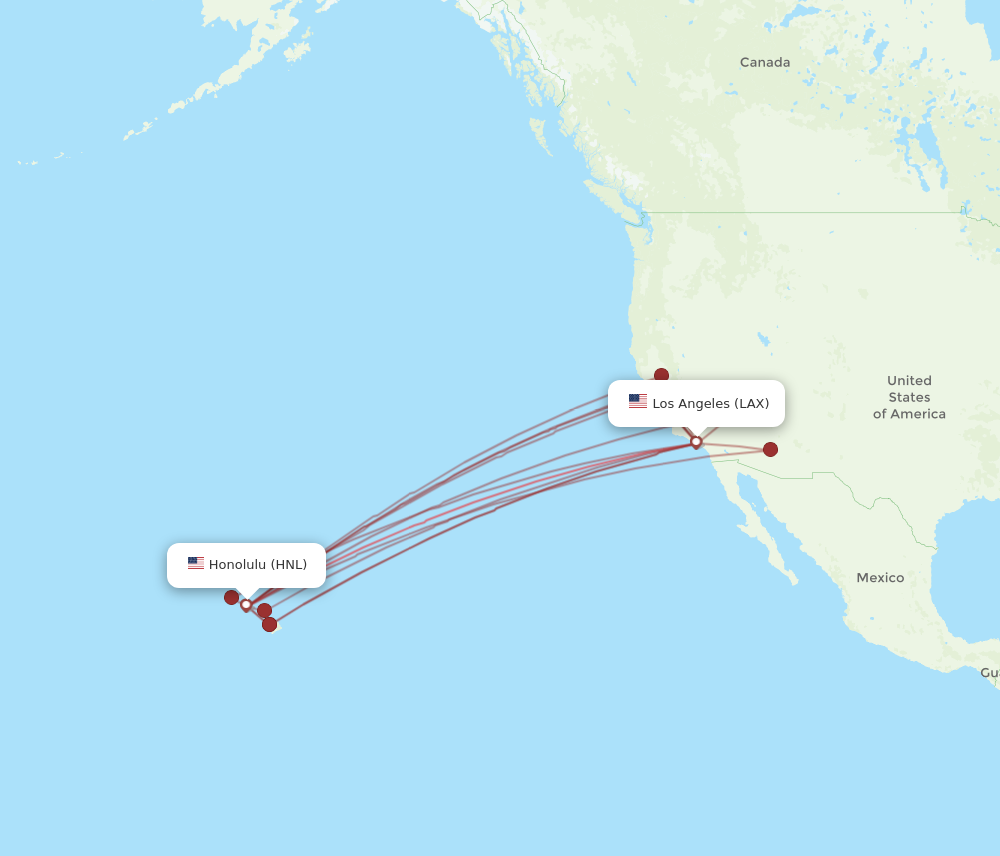
When asking “how far is Los Angeles to Hawaii,” the answer depends slightly on which island you are targeting. On average, the straight-line distance from Los Angeles International Airport to Daniel K. Inouye International Airport in Honolulu is approximately 2,556 miles (4,113 kilometers). This vast expanse of water makes Hawaii one of the most isolated inhabited landmasses on Earth.
Nautical Miles vs. Statute Miles
In aviation and maritime contexts, distance is often measured in nautical miles. The distance from Los Angeles to Oahu is roughly 2,221 nautical miles. For most travelers, however, statute miles (the standard 5,280 feet per mile) are the common point of reference. Regardless of the unit, the journey covers nearly the same distance as a flight from Los Angeles to New York City, highlighting just how deep into the Pacific Ocean the archipelago sits.
Average Flight Duration
For most commercial flights departing from LAX, the duration of the flight is between 5 hours and 30 minutes to 6 hours. This timeframe can fluctuate based on weather conditions, the specific island destination, and the aircraft type. Flights to Kauai, being the westernmost of the primary islands, may take slightly longer than a flight to the Big Island, though the difference is usually negligible in the context of a transpacific journey.
The Impact of Jet Streams
A fascinating aspect of traveling between North America and Polynesia is the influence of the jet stream. When flying west from California to Hawaii, aircraft often fly against prevailing headwinds, which can add time to the journey. Conversely, the return flight from Honolulu to Los Angeles often benefits from a tailwind, frequently shaving 30 to 45 minutes off the travel time. It is not uncommon for a return trip to take just under 5 hours.
Key Destinations in the Hawaiian Islands from LAX
While Honolulu is the primary gateway, Los Angeles offers direct access to several other major islands. Each destination offers a unique experience, and the distance varies slightly depending on which runway you touch down on.
Honolulu and Oahu
Oahu is the most visited island and serves as the cultural and economic hub of the state. Home to Waikiki and Pearl Harbor, it is the most frequent destination for flights originating in Southern California. The flight path typically takes passengers directly over the vast blue of the Pacific Ocean until the volcanic peaks of Diamond Head come into view.
Maui and the Valley Isle
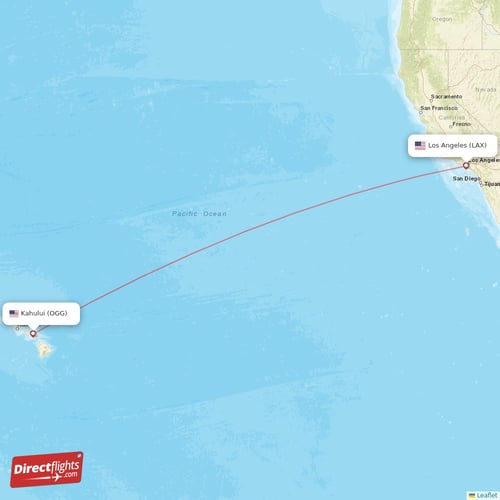
Flights from Los Angeles to Kahului Airport on Maui cover a distance of about 2,485 miles. Maui is a favorite for travelers seeking a mix of luxury and adventure. From the sunrise at Haleakala National Park to the winding curves of the Road to Hana, the distance traveled is rewarded with some of the most diverse landscapes in the world.
The Big Island (Hawaii Island)
The Big Island is the largest in the chain and is serviced by Kona International Airport on the west side and Hilo International Airport on the east. A flight from LAX to Kona is approximately 2,504 miles. This island is famous for the Hawaii Volcanoes National Park, where travelers can witness the raw power of active volcanic activity.
Kauai and Lanai
Kauai, known as the Garden Isle, is roughly 2,615 miles from Los Angeles. It is home to the stunning Na Pali Coast State Park and the deep crevices of Waimea Canyon State Park. While smaller islands like Lanai and Molokai are accessible, they typically require a connecting flight from Honolulu or Maui, adding to the total travel distance and time.
Logistics of the Transpacific Journey
Navigating the logistics of a flight from Los Angeles to Hawaii is relatively straightforward due to the high volume of daily flights. However, there are several key factors that define the experience.
Major Airlines Operating the Route
Because the Los Angeles to Hawaii corridor is so lucrative, nearly every major domestic carrier operates this route. Hawaiian Airlines is a popular choice for those wanting to start their vacation the moment they board, often providing island-inspired meals and hospitality. Other major players include United Airlines, American Airlines, Delta Air Lines, Alaska Airlines, and Southwest Airlines.
Departure from Los Angeles International Airport (LAX)
While LAX is the primary departure point, travelers in the Greater Los Angeles Area can also find flights from Long Beach Airport, John Wayne Airport in Orange County, Ontario International Airport, and Hollywood Burbank Airport. Each of these airports provides a different level of convenience, though LAX offers the most frequent non-stop service to the widest variety of islands.
Time Zone Transitions
One of the most important travel tips for this route involves the time difference. Hawaii follows Hawaii-Aleutian Standard Time (HST), which does not observe Daylight Saving Time. Depending on the time of year, Hawaii is either two or three hours behind Pacific Standard Time. While the flight is roughly six hours, the time difference often makes it feel like you’ve arrived only a few hours after you left, allowing for a full afternoon of exploration upon arrival.
Factors Influencing Your Travel Experience
The distance between Los Angeles and Hawaii is constant, but the experience of crossing it can change based on several variables.
Best Times to Fly
From a travel perspective, the “distance” can feel shorter if you choose flights that align with your natural rhythm. Many travelers prefer the early morning departures from California, which arrive in Hawaii just in time for hotel check-ins and a sunset dinner. Others opt for the “red-eye” return flights, leaving Honolulu late at night and arriving in Los Angeles as the sun rises, maximizing their final day on the beach.
In-Flight Amenities and Comfort
Given that the flight is roughly the same length as a transcontinental trip to the East Coast, comfort is a priority. Most airlines offer various classes of service, from basic economy to lie-flat first-class pods. For a six-hour journey over the ocean, many travelers find that upgrading to a seat with extra legroom or better entertainment options significantly enhances the experience of crossing those 2,500 miles.
Seasonal Weather Patterns
The Pacific Ocean can be unpredictable. During the winter months, North Pacific storms can lead to increased turbulence on the flight path between North America and Hawaii. Additionally, the winter months see the arrival of the “Kona winds,” which can occasionally affect flight approaches and departures in the islands. Despite these variations, the route remains one of the safest and most consistently operated in the world.
Planning Your Arrival in the Aloha State
Once you have crossed the 2,500 miles of ocean and touched down, the travel experience shifts from the air to the ground. Understanding the layout of your destination airport is the final step in the journey.
Ground Transportation Upon Arrival
At Daniel K. Inouye International Airport in Honolulu, the transition from the terminal to the tropical air is seamless. Travelers have access to a wide array of rental car agencies, ride-sharing services, and shuttles that head toward Waikiki or the North Shore. On the outer islands like Maui or Kauai, renting a car is often considered essential to bridge the distance between the airport and the remote natural attractions.
Inter-Island Connectivity
If your travel plans include visiting multiple islands, the “distance” continues with short inter-island hops. These flights are typically very short, ranging from 20 to 50 minutes. For example, the flight from Honolulu to Kahului Airport is only about 100 miles. These flights provide spectacular aerial views of the archipelago, including the smaller islands of Molokai and Lanai.
Cultural Expectations and First Steps
Traveling to Hawaii is unique because, while it is a part of the United States, it possesses a distinct cultural heritage. Travelers are encouraged to respect the local environment and traditions from the moment they arrive. Whether it is visiting the Hanauma Bay nature preserve or exploring the historic sites of Downtown Honolulu, the journey from Los Angeles is more than just a measurement of miles; it is a gateway to a different world.
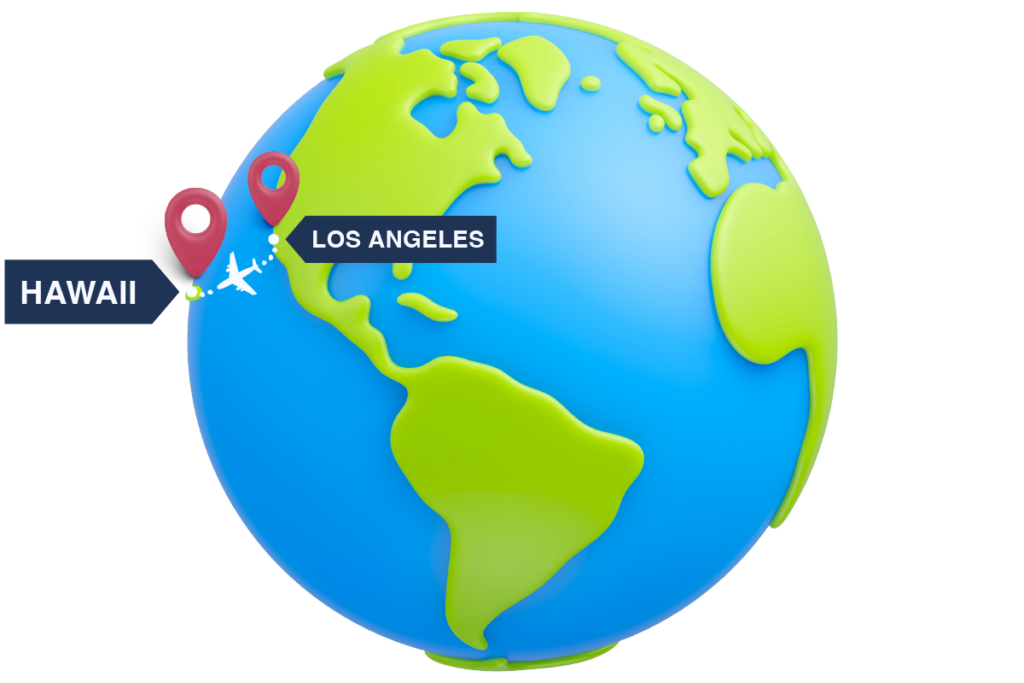
The distance from Los Angeles to Hawaii is a bridge between the continental United States and the heart of the Pacific. By understanding the flight times, the geographic scale, and the various gateways available, travelers can better prepare for a seamless transition to one of the world’s most beautiful destinations. Whether you are flying for business or a long-awaited vacation, the 2,500-mile journey is the start of an unforgettable experience in the Central Pacific.
LifeOutOfTheBox is a participant in the Amazon Services LLC Associates Program, an affiliate advertising program designed to provide a means for sites to earn advertising fees by advertising and linking to Amazon.com. Amazon, the Amazon logo, AmazonSupply, and the AmazonSupply logo are trademarks of Amazon.com, Inc. or its affiliates. As an Amazon Associate we earn affiliate commissions from qualifying purchases.