
The journey from Los Angeles, California, to Las Vegas, Nevada, is an iconic American road trip, drawing millions each year to traverse the vast Mojave Desert in pursuit of sun, entertainment, or adventure. Whether you’re planning a quick getaway, a family vacation, a luxury escape, or a budget-friendly excursion, understanding the distance, travel time, and various transportation options is crucial for a seamless experience. This guide will delve into all aspects of this popular route, offering insights into travel logistics, what to see and do along the way, and tips for planning your perfect trip, aligning with the diverse interests of travelers exploring destinations, accommodations, and unique lifestyle experiences.
The Definitive Distance and Driving Time
The straight shot between Los Angeles and Las Vegas is one of the most frequently traveled routes in the Western United States. It’s a journey that perfectly encapsulates the allure of the American road trip, blending vast desert landscapes with anticipation for the bustling city at the end.
The Most Direct Route: Interstate 15 North
For most travelers, the primary artery connecting these two vibrant cities is Interstate 15 (I-15) North. The distance typically ranges from 270 to 280 miles (approximately 435 to 450 kilometers), depending on your exact starting point in Los Angeles and your destination in Las Vegas.
Under ideal conditions, with minimal traffic and good weather, the drive can be completed in approximately 4 to 5 hours. However, “ideal conditions” can often be elusive, especially on this popular corridor. Traffic congestion is a significant factor, particularly when departing Los Angeles on Friday afternoons or returning on Sunday evenings. Holiday weekends can stretch the journey considerably, sometimes turning a four-hour drive into a seven or eight-hour ordeal. To mitigate this, many experienced travelers recommend departing early in the morning on weekdays or very late at night. Fuel stops are readily available along I-15, but prices can fluctuate. It’s often advisable to fill up before leaving urban areas.
Alternative Routes and Scenic Detours
While Interstate 15 is the most efficient, some travelers prefer to take a more scenic or adventurous path. These alternatives generally add significant time and distance to your trip but offer a chance to explore lesser-known areas and iconic landmarks.
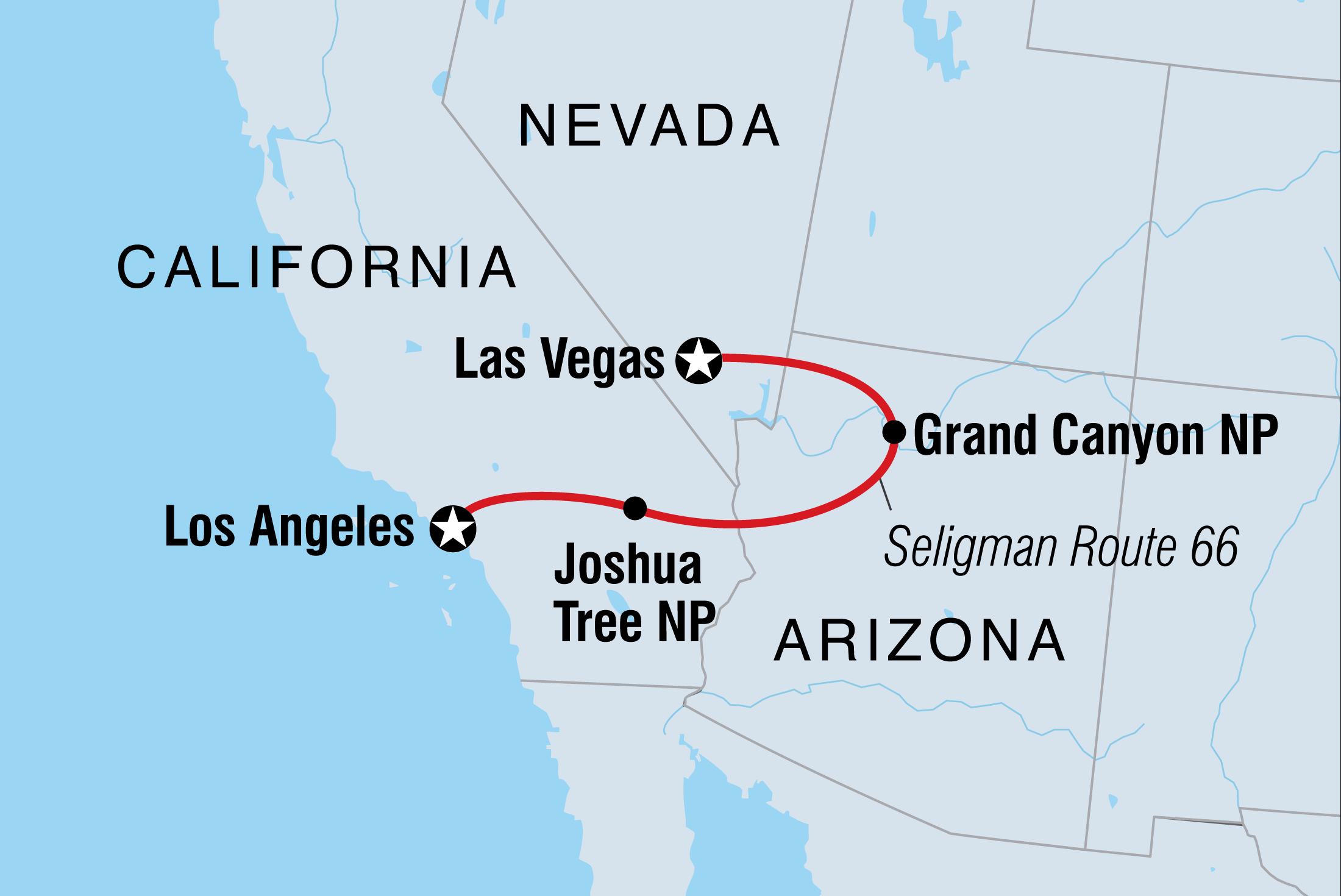
One popular detour for history buffs and road trip purists is a segment of historic Route 66. Exiting Interstate 15 at Barstow and taking a portion of Route 66 through towns like Amboy offers a glimpse into a bygone era of American travel, complete with classic diners and quirky roadside attractions. This option will easily add an hour or two to your journey, but for many, the charm is worth the extra time.
For the truly adventurous, an even longer detour could involve a northern route through parts of Death Valley National Park. This would transform your journey into a multi-day adventure, adding several hours and hundreds of miles. While offering breathtaking desert landscapes and unique experiences, it requires careful planning, especially regarding fuel and water, given the park’s extreme conditions. This route is not recommended as a direct alternative but rather as a distinct travel experience in itself, offering incredible natural landmarks for those interested in exploring beyond the direct path.
Beyond the Wheel: Exploring Other Transportation Options
While driving remains the most popular choice for flexibility and the classic American road trip experience, it’s certainly not the only way to travel between Los Angeles and Las Vegas. Depending on your budget, time constraints, and travel preferences, several other options are available, catering to different lifestyle choices.
The Convenience of Air Travel
For those prioritizing speed and convenience, flying is an excellent option. The flight duration between Los Angeles International Airport (LAX) and Harry Reid International Airport (LAS) in Las Vegas is incredibly short, often around 1 hour to 1 hour and 15 minutes. Several airlines, including Southwest Airlines, Spirit Airlines, Delta Air Lines, American Airlines, and United Airlines, offer multiple daily flights, making it a highly accessible route.
While the flight time itself is minimal, remember to factor in time for getting to and from the airports, security checks, and potential delays. All in all, door-to-door travel time by air can still amount to 3-5 hours, comparable to driving without traffic. However, flying saves you from the stress of driving, potential traffic jams, and parking fees in Las Vegas. It’s a popular choice for business travelers or those on a tight schedule, focusing on the destination rather than the journey itself.
Budget-Friendly Bus and Train Services
For budget-conscious travelers or those who prefer to sit back and relax without the responsibilities of driving, bus and train services offer viable alternatives.
Bus Services: Greyhound and other regional bus lines operate regular services between Los Angeles and Las Vegas. The bus journey typically takes longer than driving, averaging 5 to 7 hours, depending on the number of stops and traffic conditions. While slower, it’s often the most economical option, with tickets usually significantly cheaper than flights or the cost of gas for a car. Bus travel allows you to enjoy the scenery without needing to navigate or worry about parking, making it a stress-free option for those looking to save money on transportation.
Train Services: While there isn’t a direct high-speed rail line connecting Los Angeles and Las Vegas, Amtrak offers routes that can get you close or combine with bus transfers. This option is generally much longer and less direct than driving or flying, often taking 8+ hours and involving transfers. It caters to a niche traveler who values the experience of train travel, the ability to stretch out, and perhaps work or read during the journey. However, for sheer efficiency, it’s typically not the top choice for this specific route.
Elevating Your Journey: Must-See Stops and Attractions
The trip from Los Angeles to Las Vegas isn’t just about the destination; it’s also about the journey and the myriad attractions both cities and the route itself have to offer. Integrating these into your itinerary transforms a simple drive into a memorable travel experience.
Pre-Vegas Exploration: The Wonders of Los Angeles
Before you hit the road to Las Vegas, take some time to immerse yourself in the vibrant culture and famous landmarks of Los Angeles. Known as the entertainment capital, Los Angeles offers an unparalleled array of attractions. Walk among the stars on the Hollywood Walk of Fame, marvel at the luxury homes in Beverly Hills, or soak up the sun at beaches like Santa Monica Pier, offering stunning views of the Pacific Ocean. For theme park enthusiasts, Universal Studios Hollywood provides cinematic thrills, while Disneyland Park in Anaheim offers magical experiences for all ages. Exploring the local culture, diverse food scenes, and various neighborhoods can easily fill days before you even think about the desert ahead.
The Road to Vegas: Iconic Stops
The drive through the Mojave Desert might seem barren, but it’s punctuated with intriguing stops that break up the journey and offer unique photo opportunities and historical insights.
- Barstow: Roughly halfway, Barstow is a classic desert town and a hub for historic Route 66 enthusiasts. You can visit the Mojave River Valley Museum or explore the many Route 66 themed diners and shops.
- Calico Ghost Town: Just outside Barstow, this old silver mining town is a fantastic historical landmark. Preserved as a regional park, it offers a peek into the Wild West, complete with tours, shops, and historical exhibits. It’s an excellent family-friendly stop that adds a touch of history to your travel experience.
- Zzyzx Road: While not a destination in itself, this peculiar exit sign always sparks curiosity. It leads to the California State University Desert Studies Center and a former mineral springs resort, making for an interesting, albeit short, detour for those curious about its unique name and history.
- Baker & The World’s Tallest Thermometer: Known as the “Gateway to Death Valley,” Baker is home to the colossal World’s Tallest Thermometer, a kitschy but iconic roadside attraction. It’s a great spot to stretch your legs and grab some refreshments.
- Primm: Just before crossing into Nevada, Primm offers a collection of casinos, outlet shopping, and even a roller coaster. It’s often the first taste of Las Vegas’s gambling scene for those driving from California.
- Hoover Dam and Lake Mead: Although a slight detour off I-15 near Las Vegas, the Hoover Dam is a monumental feat of engineering and a national historic landmark. Pair it with a visit to Lake Mead, one of the largest reservoirs in North America, for stunning views and a dose of history before hitting the bright lights of Las Vegas.
Unveiling the Magic of Las Vegas
Upon arrival, Las Vegas unfolds as a dazzling playground of entertainment, offering something for every type of tourist. Beyond the famous casinos and resorts that line The Strip, the city boasts world-class dining, spectacular shows, vibrant nightlife, and luxurious spas. Explore the unique themed hotels like Bellagio with its famous fountains, the ancient Roman grandeur of Caesars Palace, or the romantic canals of the Venetian Resort. Downtown, the Fremont Street Experience offers a different kind of energy with its dazzling light canopy and live entertainment.
For those seeking outdoor adventures, Las Vegas serves as an excellent base for day trips to natural wonders like the awe-inspiring Grand Canyon National Park, the striking red rock formations of Red Rock Canyon National Conservation Area, or the fiery landscapes of Valley of Fire State Park. Las Vegas truly offers a complete tourism experience, from high-octane excitement to serene natural beauty.
Planning Your Perfect Getaway: Accommodation and Lifestyle
A memorable trip between Los Angeles and Las Vegas requires careful consideration of accommodation and how your travel style fits into the overall experience. Whether you’re seeking luxury, sticking to a budget, traveling with family, or on a business trip, both cities offer a wealth of choices.
Finding Your Ideal Stay in Los Angeles
Los Angeles is vast and diverse, and your accommodation choice can significantly impact your experience. For a glamorous stay, consider luxury hotels in areas like Beverly Hills or West Hollywood, offering exquisite suites and top-tier amenities. If you’re looking for vibrant city life and cultural experiences, Downtown Los Angeles boasts a range of boutique hotels and modern apartments. Beach lovers might opt for resorts or villas in Santa Monica or Malibu, providing easy access to the Pacific Ocean and a more relaxed atmosphere. Budget travelers can find numerous motels and mid-range hotels spread across various neighborhoods, especially further from the prime tourist spots. Booking in advance, especially during peak season, is always recommended to secure the best rates and desired amenities.
Discovering Accommodations in Las Vegas
Las Vegas is renowned for its spectacular hotels and resorts, particularly along The Strip. These establishments are often destinations in themselves, offering lavish suites, world-class dining, sprawling casinos, and incredible entertainment. Iconic resorts like Bellagio, Caesars Palace, the Venetian Resort, MGM Grand, and Wynn Las Vegas provide ultimate luxury travel experiences with extensive amenities including spas, multiple pools, high-end shopping, and acclaimed restaurants.
For those seeking a different vibe, Downtown Las Vegas offers historic hotels and a more classic casino experience, often at more accessible price points. Off-Strip options also exist, providing quieter stays with local charm. Whether you’re seeking a family-friendly resort with large pools and kid-friendly activities (like MGM Grand or New York-New York Hotel & Casino), a romantic couples’ retreat (perhaps Paris Las Vegas or Bellagio), or a budget-conscious stay, Las Vegas has an accommodation to match every need. Utilizing booking comparison sites and checking for package deals (flight+hotel) can often yield significant savings.
Tailoring Your Trip: Luxury, Budget, and Family Travel
The beauty of the Los Angeles to Las Vegas journey lies in its adaptability to different travel lifestyles.
- Luxury Travel: Indulge in five-star hotels, private transfers, gourmet dining, and exclusive experiences in both cities. From high-roller suites in Las Vegas to private tours of Hollywood, a luxury trip is all about unparalleled service and lavish amenities.
- Budget Travel: Opt for economical motels, utilize bus services, pack your own snacks for the road, and take advantage of free attractions like walking The Strip or exploring Fremont Street Experience. Look for hotel deals during off-peak seasons or weekdays for the best value.
- Family Trips: Plan stops like Calico Ghost Town or Hoover Dam on your drive. In Los Angeles, Disneyland Park and Universal Studios Hollywood are must-visits. In Las Vegas, many resorts offer family-friendly pools, arcades, and shows (e.g., The LINQ Promenade or the observation deck at the Strat Hotel, Casino & Skypod). Always check age restrictions for certain shows or activities in Las Vegas.
- Business Stays: If traveling for work, both cities offer convention centers and business-friendly hotels with amenities like meeting rooms, high-speed internet, and executive lounges. Proximity to your conference or meeting location should be a key factor in your accommodation choice.
Essential Tips for a Smooth Los Angeles to Las Vegas Adventure
To ensure your journey from Los Angeles to Las Vegas is as enjoyable and stress-free as possible, keep these practical tips in mind.
Best Time to Travel
The weather in the Mojave Desert can be extreme. Summers (June to September) bring scorching temperatures, often exceeding 100°F (38°C), making driving uncomfortable and increasing the risk of vehicle issues. Spring (March to May) and Fall (October to November) offer the most pleasant weather, with warm days and cooler nights, ideal for both driving and exploring. Winters (December to February) are mild, though temperatures can drop significantly, especially at night. Weekday travel generally means lighter traffic compared to weekends, particularly Fridays and Sundays, which are notorious for heavy congestion as people head to or from Las Vegas.
Packing Essentials
Given the desert climate, hydration is key. Always carry plenty of water, especially if driving. Sunscreen, hats, and sunglasses are essential year-round. Dress in layers, as desert temperatures can fluctuate dramatically between day and night. If you plan to hike or explore national parks, comfortable walking shoes are a must. Don’t forget chargers for your electronic devices, and perhaps a portable power bank for those longer stretches without power outlets.
Safety and Etiquette
Before embarking on a road trip, ensure your vehicle is in good condition, especially tires and fluid levels. Keep your gas tank topped up, as some stretches of Interstate 15 have limited services. Be mindful of speed limits, particularly when passing through small towns. When visiting casinos or entertainment venues in Las Vegas, always gamble responsibly. Be aware of your surroundings, especially in crowded tourist areas, and safeguard your valuables. Always confirm booking details for hotels and attractions, especially if traveling during peak times, to avoid any last-minute inconveniences.
The distance from Los Angeles to Las Vegas is more than just miles on a map; it’s a gateway to diverse experiences, from the glitz of Hollywood to the neon glow of The Strip. Whether you choose the direct highway or opt for scenic detours, the journey promises adventure and memories tailored to your unique travel style.
LifeOutOfTheBox is a participant in the Amazon Services LLC Associates Program, an affiliate advertising program designed to provide a means for sites to earn advertising fees by advertising and linking to Amazon.com. Amazon, the Amazon logo, AmazonSupply, and the AmazonSupply logo are trademarks of Amazon.com, Inc. or its affiliates. As an Amazon Associate we earn affiliate commissions from qualifying purchases.