
The vibrant tapestry of Southern California is a captivating blend of iconic cities, diverse cultures, and stunning coastal landscapes. At its heart lies the sprawling metropolis of Los Angeles, a global hub for entertainment, business, and innovation. Just a stone’s throw away, yet distinct in its own right, is Long Beach, a thriving urban port city known for its scenic waterfront, historic attractions, and relaxed maritime charm. For residents, business travelers, and tourists alike, understanding the connection, distance, and nuances of traveling between these two significant urban centers is crucial for planning an efficient and enjoyable experience. This guide delves into the practicalities of the journey, explores the wealth of attractions each city offers, and provides essential tips for navigating this popular Southern California corridor.
Whether you’re planning a day trip from the bustling streets of LA to the serene shores of Long Beach, commuting for work, or embarking on a multi-day exploration of the region, the journey between these two cities is more than just a matter of miles; it’s an opportunity to experience different facets of the California lifestyle. From the endless freeways to the burgeoning public transportation networks, and from the star-studded sidewalks of Hollywood to the majestic presence of the Queen Mary, this article aims to be your definitive guide to understanding the distance, travel options, and the myriad of experiences that await you in both Los Angeles and Long Beach.
The Straightforward Answer: Distance and Proximity
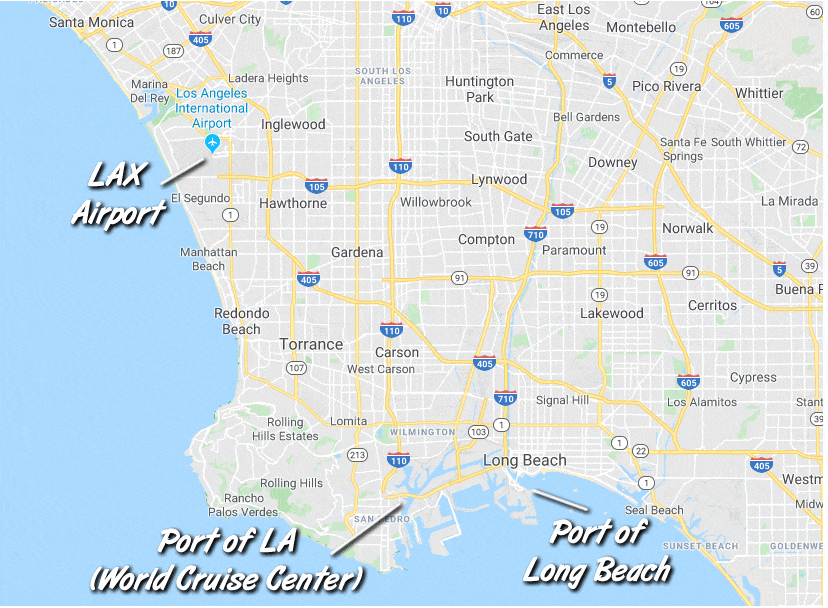
When asking “how far is Los Angeles to Long Beach?”, the most common answer typically hovers around 20 to 25 miles (approximately 32 to 40 kilometers). This seemingly short distance, however, is subject to the unique geographical and infrastructural realities of Southern California. The precise mileage can vary slightly depending on your specific starting point in Los Angeles and your final destination in Long Beach, as well as the particular route taken. For instance, traveling from Downtown Los Angeles to Downtown Long Beach will generally fall within this range.
Geographical Overview and Core Distance
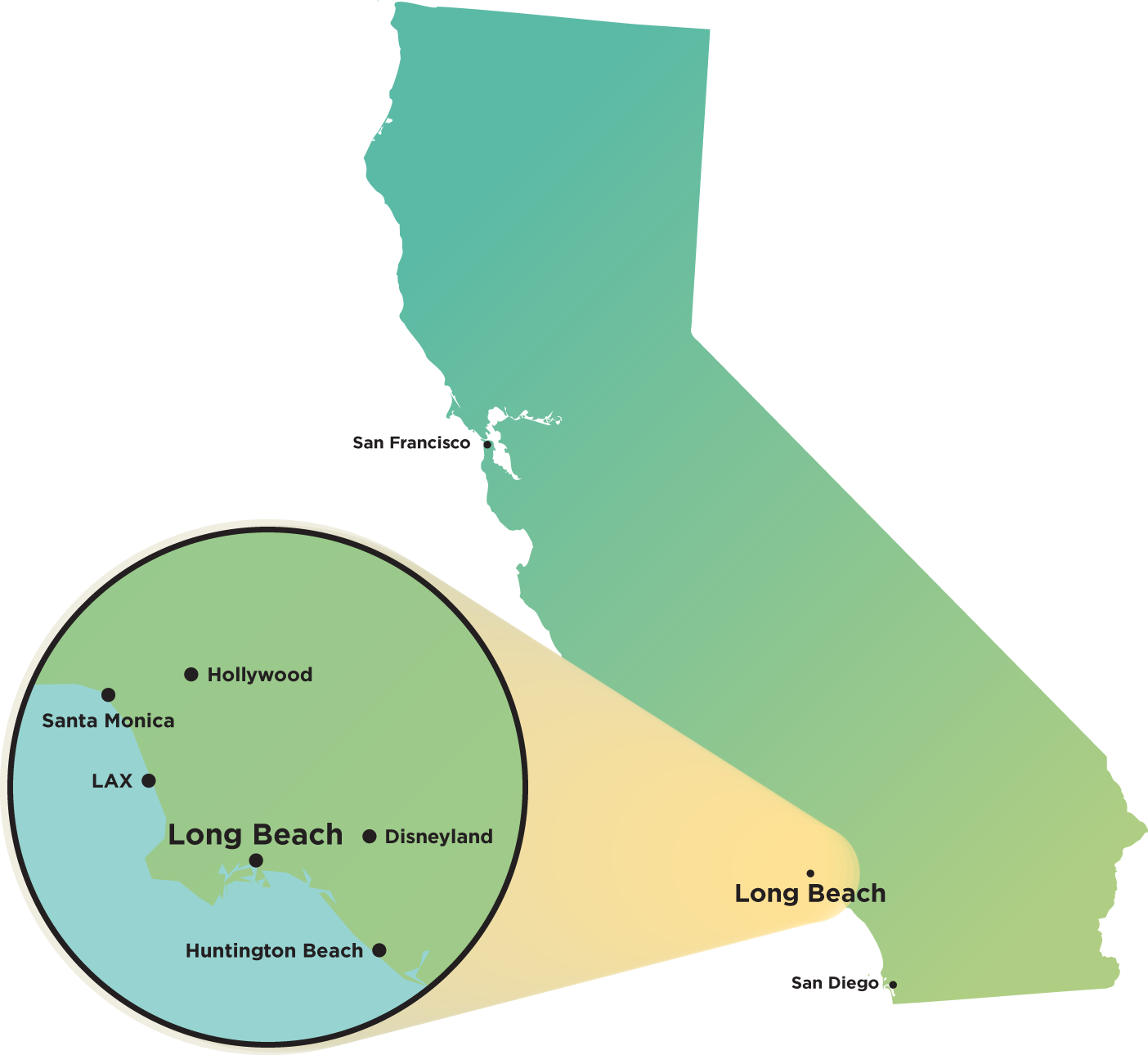
The two cities are situated along the Pacific Coast, with Long Beach positioned directly south of the main metropolitan areas of Los Angeles County. This coastal proximity means that the drive often offers glimpses of the ocean or travels through diverse suburban landscapes. The relatively short distance is a significant factor in making inter-city travel between them a frequent occurrence for both daily commuters and weekend explorers. It allows for convenient day trips, facilitating easy access to the distinct attractions and local culture each city has to offer without requiring extensive travel time. This close relationship means that many residents of one city often work, dine, or seek entertainment in the other, blurring the lines of what constitutes a separate journey versus a routine commute. Furthermore, this proximity supports a robust tourism industry, with visitors often combining trips to both locations to experience a broader spectrum of Southern California’s offerings. The continuous urban sprawl of Los Angeles and its surrounding areas seamlessly transitions into Long Beach, making the journey feel less like traveling between two distinct cities and more like moving through different neighborhoods of a vast metropolitan area.
Navigating the Southern California Corridor: Travel Options and Timeframes
While the physical distance between Los Angeles and Long Beach is manageable, the time it takes to traverse this corridor can fluctuate wildly due to Southern California’s notorious traffic. Understanding the various modes of transportation and their associated timeframes is essential for planning your journey.
Driving: The Most Common Route
Driving is arguably the most popular way to travel between Los Angeles and Long Beach, offering flexibility and convenience. Several major freeways connect the two cities:
- I-710 South (Long Beach Freeway): This is the most direct and frequently used route, leading straight from East Los Angeles to Downtown Long Beach and the port areas.
- I-110 South (Harbor Freeway): Originating from Downtown Los Angeles, this freeway connects to the I-405 South (San Diego Freeway) which then leads to Long Beach.
- I-405 South (San Diego Freeway): For those starting in West LA or the LAX area, the I-405 is often the preferred choice, connecting directly to Long Beach.
Under ideal traffic conditions (typically late at night or very early morning), the drive can take as little as 25-30 minutes. However, during peak commute hours (roughly 6 AM – 9 AM and 3 PM – 7 PM on weekdays), this journey can easily stretch to 60-90 minutes, or even longer depending on accidents or road closures. Utilizing real-time navigation apps is highly recommended to mitigate delays. For those without their own vehicle, car rental services are widely available in Los Angeles, and ride-sharing apps like Uber and Lyft offer convenient point-to-point transportation, though fares can surge significantly during high-demand periods. Parking, particularly in popular areas of both cities, should also be factored into your planning.
Public Transportation: A Greener Alternative
For a more economical and environmentally friendly option, public transportation provides a viable alternative to driving.
- Metro A Line (Blue Line): This light rail line is the most direct public transit link between Downtown Los Angeles and Downtown Long Beach. The journey typically takes about 50-60 minutes, offering a relatively consistent travel time regardless of surface street traffic. The A Line stops at various points of interest in both cities, making it convenient for tourism and daily commutes.
- Bus Services: Metro Bus and Long Beach Transit operate numerous routes that connect the two cities and their surrounding communities. While often slower than the light rail, buses can provide more localized access depending on your exact departure and arrival points.
- Metrolink: While not a direct line between the immediate downtowns of LA and Long Beach, Metrolink commuter rail services can be used to connect to other parts of Los Angeles County and transfer to the Metro A Line or bus services if your starting point is outside Downtown LA.
Public transportation costs are generally much lower than driving (especially when factoring in gas and parking) or ride-sharing services. Passes are available for frequent travelers, and the systems are relatively easy to navigate for visitors. It’s an excellent choice for those looking to avoid the stress of driving in heavy traffic.
Other Considerations: Cycling and Taxi Services
For the adventurous, cycling is an option, though the distance and freeway crossings make it more suitable for dedicated cyclists rather than casual riders. There are bike paths and lanes, particularly closer to the coast, but navigating the full distance requires careful planning. Traditional taxi services are also available, providing a similar door-to-door convenience as ride-sharing apps but often at a higher price point. For those arriving at Los Angeles International Airport (LAX) or Long Beach Airport (LGB), dedicated airport shuttle services can also be arranged.
Beyond the Miles: Exploring Los Angeles and Long Beach
The journey between Los Angeles and Long Beach isn’t just about covering distance; it’s about connecting two distinct worlds, each offering a plethora of attractions and experiences that embody the Southern California spirit. From world-class landmarks to vibrant culinary scenes and diverse accommodation options, both cities promise memorable stays.
Discovering the Allure of Los Angeles
Los Angeles is a city of dreams, known globally for its Hollywood glamor, expansive beaches, and cultural institutions. A visit here can encompass everything from movie magic to natural beauty.
- Iconic Landmarks and Attractions: No trip to LA is complete without a stroll along the Hollywood Walk of Fame, a visit to the Griffith Observatory for stunning city views and stargazing, or a day spent at Santa Monica Pier enjoying the ocean breeze and amusement park rides. Art enthusiasts will appreciate the vast collections at the Getty Center or the Los Angeles County Museum of Art (LACMA). For family fun, the magic of Disneyland Park in nearby Anaheim is often a highlight of an LA trip.
- Cuisine and Local Culture: Los Angeles is a melting pot of cultures, reflected in its incredibly diverse food scene. From gourmet Michelin-starred restaurants in Beverly Hills to authentic taco trucks in East LA and Koreatown, there’s something to satisfy every palate. Explore vibrant neighborhoods like Chinatown, Little Tokyo, and Olvera Street to immerse yourself in the city’s rich cultural tapestry.
- Accommodation in LA: As a major global city, Los Angeles offers an extensive range of hotels and accommodation options. Travelers can choose from ultra-luxury resorts in Bel-Air or along the coastline, chic boutique hotels in West Hollywood, and a plethora of budget-friendly hotels and apartments scattered throughout the city. Booking in advance, especially during peak season, is highly recommended to secure the best rates and locations.
Unveiling the Charms of Long Beach
Long Beach presents a more relaxed, yet equally engaging, atmosphere. Its focus on its working port, revitalized downtown, and charming waterfront makes it a fantastic destination for a different kind of Southern California adventure.
- Key Attractions: The undeniable centerpiece of Long Beach is the historic Queen Mary, a majestic ocean liner that now serves as a floating hotel, museum, and event venue. Nearby, the Aquarium of the Pacific offers an immersive journey through the marine life of the Pacific Ocean, making it a perfect spot for family trips. Shoreline Village provides a picturesque waterfront experience with shops, restaurants, and harbor cruises. For a Venetian-like charm, explore the canals of Naples Island.
- Water Activities and Dining: Given its coastal location, Long Beach is a haven for water activities, including kayaking, paddleboarding, and whale watching tours. The dining scene is diverse, with numerous seafood restaurants along the waterfront, trendy eateries in the East Village Arts District, and casual cafes throughout the city.
- Accommodation in Long Beach: Long Beach offers a range of hotels to suit various preferences. For those seeking luxury with stunning harbor views, the Hyatt Regency Long Beach and the Hotel Maya – a DoubleTree by Hilton Hotel offer premium amenities. There are also many comfortable and budget-friendly hotels and motels available, particularly near the airport and along major thoroughfares. Many visitors also opt for vacation rentals for a more local feel, especially for longer stays.
Making the Most of Your Journey: Tips for Travelers
Understanding the distance and what each city has to offer is just the beginning. Effective planning can significantly enhance your travel experiences between Los Angeles and Long Beach, ensuring a smooth and enjoyable trip.
Planning Your Visit
- Best Time to Travel: Southern California generally boasts pleasant weather year-round. However, for avoiding crowds and extreme heat, spring (April-May) and fall (September-October) are often ideal. Weekdays outside of peak commute hours are best for driving.
- Considering Your Purpose: Are you on a business stay, a family trip, a romantic getaway, or a solo adventure? Your purpose will dictate your itinerary and preferred mode of transportation. For instance, business travelers might prioritize direct routes and efficient timing, while tourists might prefer scenic drives or public transit that allows them to soak in the surroundings.
- Booking in Advance: Especially for popular attractions, tours, and accommodation, booking well in advance can save you money and ensure availability. This is particularly true for hotels during high season or major events. Utilize online booking platforms for comparisons and reviews.
Lifestyle and Budget Considerations
The lifestyle and budget you envision for your trip will significantly influence your choices.
- Luxury Travel vs. Budget Travel: Both Los Angeles and Long Beach cater to a spectrum of budgets. For luxury travel, consider upscale resorts, fine dining experiences, private tours, and chauffeured transportation. On a budget, leverage public transportation, explore free attractions (like beaches and parks), and opt for more affordable eateries or accommodation like hostels or guesthouses.
- Family Trips: Both cities offer numerous family-friendly activities. In LA, consider Universal Studios Hollywood or the California Science Center. In Long Beach, the Aquarium of the Pacific and waterfront activities are big hits.
- Utilizing Travel Guides and Tourism Tips: Before your trip, consult comprehensive travel guides and online tourism tips for up-to-date information on events, restaurant recommendations, and hidden gems. Many local tourism boards offer free maps and brochures that can be invaluable. Don’t forget to check for deals on attractions or hotel packages for additional savings.
In conclusion, the distance between Los Angeles and Long Beach is relatively short, making the journey between these two dynamic Southern California cities highly accessible. While traffic can certainly extend travel times, a variety of transportation options, from driving to public transit, ensure that you can choose the method best suited to your needs. More importantly, this short distance opens up a world of diverse travel experiences, allowing you to seamlessly transition from the glitz and glamour of LA to the maritime charm of Long Beach. By planning wisely and embracing the unique offerings of each destination, your journey through this vibrant corridor promises to be as enriching as the destinations themselves.
LifeOutOfTheBox is a participant in the Amazon Services LLC Associates Program, an affiliate advertising program designed to provide a means for sites to earn advertising fees by advertising and linking to Amazon.com. Amazon, the Amazon logo, AmazonSupply, and the AmazonSupply logo are trademarks of Amazon.com, Inc. or its affiliates. As an Amazon Associate we earn affiliate commissions from qualifying purchases.