
Step into almost any hotel elevator, gaze at the panel of floor numbers, and you might notice something peculiar: the number 13 is often conspicuously absent. It’s a phenomenon that puzzles many travelers, leading them to wonder if they’ve simply overlooked it or if there’s a deliberate reason behind its omission. This widespread practice, particularly prevalent in Western hospitality, isn’t an architectural oversight but rather a fascinating intersection of ancient superstition, modern psychology, and shrewd business strategy. The absence of the 13th floor is a testament to the enduring power of belief, even in our technologically advanced world, shaping everything from building design to guest experiences across the global tourism landscape.
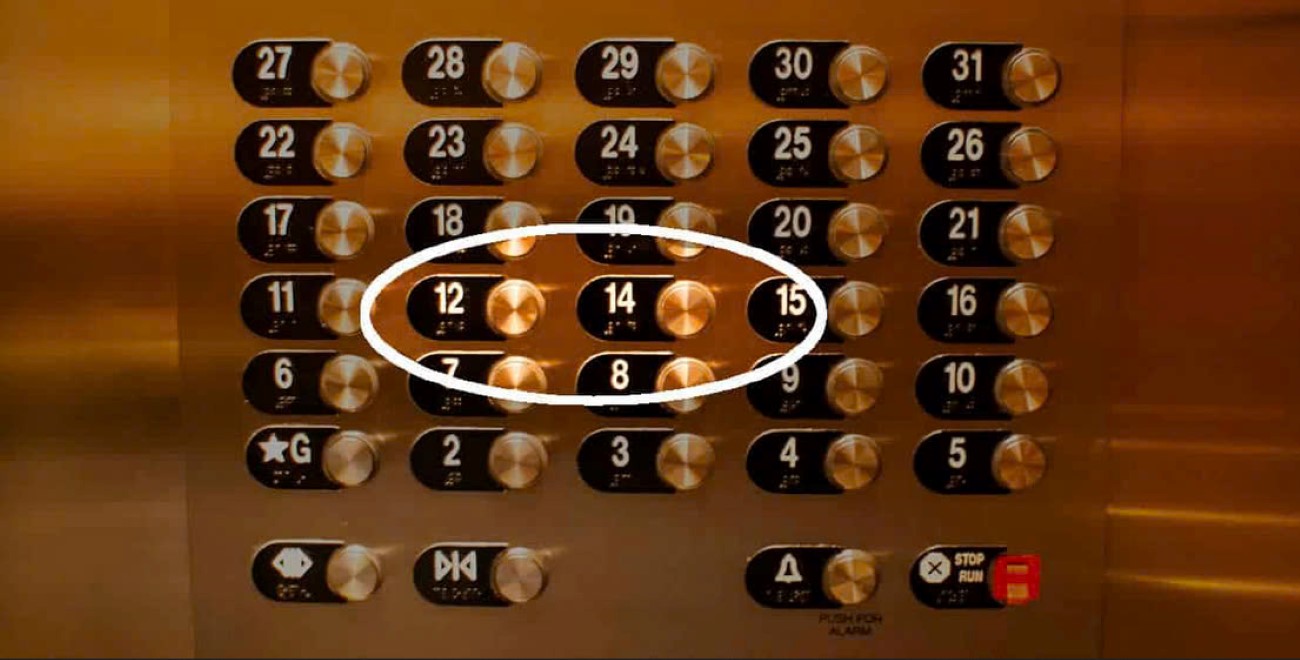
This isn’t just about a quirky tradition; it reflects a deep understanding of human psychology and guest comfort within the highly competitive hotel industry. Hotels, after all, are in the business of providing sanctuary, relaxation, and positive memories. For many, the number 13 carries a heavy connotation of bad luck and misfortune, an association so potent that its mere presence could deter bookings or induce anxiety. By skipping the 13th floor, hoteliers aim to preemptively address these concerns, ensuring a more comfortable and seemingly safer environment for their guests. This practice offers a unique glimpse into how cultural beliefs influence practical decisions in travel and accommodation, making it a compelling topic for anyone interested in the nuances of global hospitality.
The Roots of a Peculiar Superstition: Triskaidekaphobia
The phenomenon of the missing 13th floor is deeply rooted in a specific phobia known as triskaidekaphobia, the irrational fear of the number 13. While the term itself might sound complex, the fear it describes is remarkably common and has a rich, multifaceted history that spans continents and centuries. This isn’t just a fleeting anxiety; for many, it’s a deeply ingrained cultural belief that impacts daily decisions, including where they choose to stay when traveling. Understanding triskaidekaphobia is key to unraveling the mystery behind the missing hotel floor, revealing how ancient myths and historical events continue to shape modern practices in the hospitality industry.
The impact of this phobia is so profound that it extends beyond personal anxieties, influencing public spaces and commercial enterprises, most notably hotels. The industry, ever sensitive to guest perceptions and comfort, has largely adopted the practice of omitting the 13th floor to ensure a more welcoming and worry-free experience for a significant portion of their clientele. This strategic decision highlights how businesses in the travel sector often go to great lengths to accommodate even the most unconventional beliefs, demonstrating a commitment to guest satisfaction that transcends mere amenities or services.
Historical and Cultural Connections to the Number 13
The origins of triskaidekaphobia are shrouded in a blend of historical events, religious doctrines, and mythological tales. One of the most frequently cited reasons for the number 13’s ominous reputation stems from the Last Supper, where 13 individuals were present—Jesus and his 12 apostles—with Judas Iscariot, the betrayer, being the 13th guest. This biblical connection has cast a long shadow, particularly within Western Christian cultures, linking the number directly to betrayal, death, and misfortune. The resonance of this narrative has made the number 13 a symbol of ill omen for many, translating into a cautious approach when encountering it in various contexts.
Beyond religious texts, Norse Mythology also contributes to the number’s negative image. The tale recounts how an evil god, Loki, intruded upon a banquet of 12 gods, making him the 13th guest and subsequently leading to the death of Balder, the god of light and purity. This myth reinforces the idea that 13 represents an unwelcome addition, disrupting harmony and bringing about tragedy. Such powerful narratives, passed down through generations, solidify the number’s association with bad luck and contribute to its widespread avoidance.
In more recent history, the ill-fated Apollo 13 mission, though ultimately a testament to human ingenuity and survival, began with a significant oxygen tank explosion on April 13, 1970, at 13:13 CST (1:13 PM). While the crew miraculously returned safely, the incident further cemented the number 13’s association with misfortune and peril in the public consciousness. Additionally, the cultural phenomenon of Friday the 13th has become synonymous with bad luck, further perpetuating the superstition through popular culture, films, and everyday expressions. These varied historical and cultural touchstones coalesce to create a formidable psychological barrier around the number 13, making its avoidance a seemingly rational choice for many, especially in the context of travel where comfort and peace of mind are paramount.
The Psychology Behind Numerical Aversions
The human mind is adept at pattern recognition and, sometimes, pattern creation, even when none truly exist. This is where the psychology of numerical aversions comes into play. Triskaidekaphobia, like other phobias, isn’t just about a number; it’s about the perceived consequences associated with it. For individuals who believe in its ill effects, encountering the number 13 can trigger genuine anxiety, stress, and a feeling of impending doom. This psychological discomfort is not to be underestimated, especially in environments designed for relaxation and enjoyment like hotels.
Hotels, as primary providers of accommodation, are keenly aware that guest comfort extends beyond physical amenities to psychological well-being. A guest who is anxious about staying on the 13th floor, for example, might have a less positive experience, leading to negative reviews, reduced loyalty, and a reluctance to return. This potential for a self-fulfilling prophecy – where a guest’s belief in bad luck might lead them to perceive negative events more acutely, or even inadvertently cause minor mishaps – further motivates hotels to sidestep the issue entirely.
The decision to skip the 13th floor is, therefore, a strategic acknowledgment of this psychological reality. It’s a preventive measure that caters to a significant segment of the traveling public, ensuring that their stay is free from any numerical anxieties. This proactive approach reflects a deep understanding of customer psychology within the hospitality sector, demonstrating that sometimes, the most effective customer service involves addressing unspoken fears and cultural sensitivities. By eliminating the source of potential distress, hotels reinforce their brand image as safe, welcoming, and thoughtful sanctuaries for travelers from all walks of life.
Navigating the Hospitality Landscape: The 13th Floor Dilemma
The decision to omit the 13th floor is a tangible manifestation of a hotel’s strategy to enhance guest experience and optimize business operations. It’s a peculiar dilemma where superstition and practicality intertwine, dictating aspects of building design and room numbering in thousands of establishments worldwide. This isn’t merely a quaint tradition; it’s a calculated move by an industry that thrives on reputation and repeat business. For hoteliers, the question isn’t whether the number 13 is actually unlucky, but rather if enough guests believe it is, making the omission a necessary consideration for successful operation.
This strategic choice impacts everything from elevator programming to marketing brochures, ensuring a seamless and worry-free stay for travelers. It underscores the unique challenges and considerations within the hospitality sector, where cultural nuances and psychological comfort often take precedence alongside luxury amenities and prime locations. The careful navigation of this dilemma highlights the industry’s commitment to creating an inclusive and reassuring environment for its diverse global clientele.
Guest Comfort and Business Strategy
At its core, the practice of skipping the 13th floor is a blend of prioritizing guest comfort and implementing sound business strategy. For many travelers, especially those from Western cultures or who are simply superstitious, the thought of staying on the 13th floor can evoke a sense of unease or even dread. This isn’t just about a mild preference; for some, it’s a genuine concern that could lead them to specifically request a different floor or even choose an entirely different hotel. Hotels, in their pursuit of excellent customer service and high occupancy rates, cannot afford to ignore such sentiments.
Major hotel chains, acutely aware of market preferences and customer psychology, have largely adopted this policy. You’ll find the 13th floor conspicuously absent in many properties belonging to prominent brands like Hilton, Marriott, Sheraton, Four Seasons, and Hyatt across USA, Canada, the UK, and much of Europe. This isn’t a mandate but a widely accepted best practice, stemming from decades of understanding guest behaviors and preferences. By simply omitting the 13th floor, these hotels eliminate a potential source of anxiety or dissatisfaction, ensuring that guests focus solely on enjoying their stay.
From a business perspective, the decision to skip the 13th floor minimizes the risk of vacant rooms and negative reviews. An empty “unlucky” room or floor translates directly into lost revenue. Moreover, dealing with numerous guest requests to change rooms due to floor number superstitions can be a logistical headache for front desk staff. By preemptively addressing the superstition, hotels streamline their operations, reduce potential conflicts, and project an image of being thoughtful and accommodating. It’s a relatively simple solution that yields significant returns in terms of guest satisfaction and operational efficiency, proving that sometimes, understanding cultural nuances is just as important as offering luxurious amenities.
Renaming, Skipping, and Alternative Floor Designations
While the most common approach is simply to skip the 13th floor altogether, presenting the 14th floor directly after the 12th, the industry employs several creative solutions to address the triskaidekaphobia phenomenon. These alternative designations aim to maintain numerical order while circumventing the “unlucky” number, showcasing the ingenuity within hotel operations to cater to guest sensitivities.
One popular method is renaming the 13th floor to something entirely different. For instance, some hotels might label it as “12A” or “M” (as in “Mezzanine” or the 13th letter of the alphabet). This approach allows the hotel to utilize the physical space corresponding to the 13th level without overtly associating it with the number. This is particularly common in older buildings or those where structural constraints make a complete renumbering impractical. These subtle shifts in nomenclature can make a world of difference for superstitious guests, providing them with peace of mind without significantly altering the building’s internal logic.
Another strategy involves using the number 13 for non-guest-facing areas. In some hotels, the 13th floor might house administrative offices, mechanical rooms, or staff break areas. This way, the floor exists and serves a functional purpose, but it remains invisible to the general guest population, effectively removing the “problem” from the guest experience. This clever allocation of space ensures that no floor goes unused, while still upholding the tradition of not having a guest-accessible 13th floor.
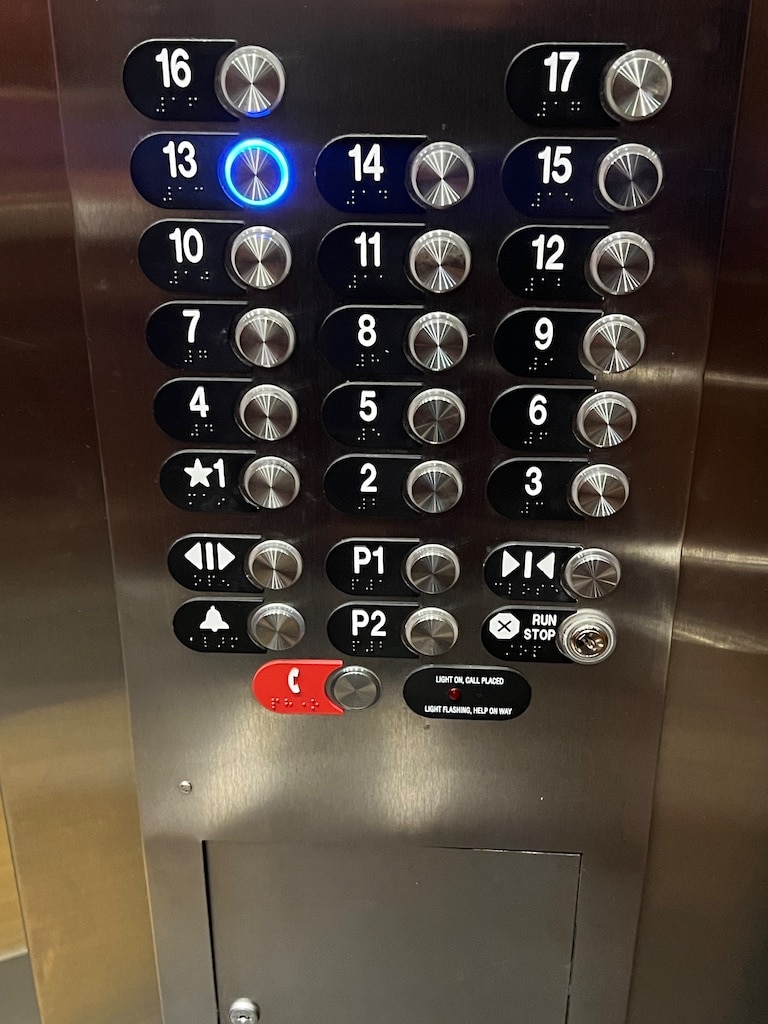
The most straightforward and widely adopted solution, however, remains simply skipping from 12 to 14. In essence, what is structurally the 13th floor becomes the 14th floor in the elevator panel and room numbering. For example, a hotel in New York City with 20 stories might actually only have 19 numbered floors for guests, with the “14th floor” actually being the 13th physical level. This method is seamless and requires minimal explanation, as most guests are already accustomed to this industry standard. These varied approaches demonstrate the flexibility and guest-centric focus of the hospitality industry, constantly adapting to cultural beliefs and psychological comfort to create a welcoming environment for all travelers.
Global Perspectives on Numerology in Accommodation
While the aversion to the number 13 is predominantly a Western phenomenon, numerical superstitions are far from universal. Different cultures around the world hold their own unique beliefs about lucky and unlucky numbers, which similarly influence architectural design and accommodation practices. This global tapestry of numerology provides a fascinating insight into how cultural values shape the international hospitality landscape, highlighting the diverse considerations hoteliers must navigate.

Perhaps the most prominent example of a non-Western numerical superstition is tetraphobia, the fear of the number 4, which is widespread in East Asian cultures. In languages like Mandarin, Cantonese, Japanese, and Korean, the word for “four” sounds very similar to the word for “death.” Consequently, you’ll frequently find the number 4 omitted from floor numbers in hotels, hospitals, and residential buildings across China, Japan, Korea, Vietnam, Singapore, Malaysia, and Hong Kong. In these regions, skipping the 4th floor, and sometimes even the 14th, 24th, and so on (as they contain a 4), is as common as skipping the 13th floor in the West. This demonstrates a mirror image of the triskaidekaphobia phenomenon, tailored to specific cultural linguistics and beliefs.
Conversely, some numbers are revered for their auspiciousness. The number 8, for instance, is considered extremely lucky in Chinese culture because its pronunciation sounds similar to the word for “wealth” or “prosperity.” Therefore, floors containing the number 8, such as the 8th or 18th, might be particularly sought after in hotels in these regions, sometimes even commanding higher prices or offering premium suites. Hotels in China or Hong Kong might emphasize the presence of such numbers, rather than their absence, as a marketing advantage.
This global perspective underscores the adaptability required in the international tourism and accommodation sectors. Hoteliers operating worldwide must be culturally sensitive, understanding and respecting local customs and beliefs to provide a truly welcoming and comfortable experience for all guests. The decision to skip or highlight certain numbers is a subtle yet significant way in which hotels demonstrate their commitment to cultural understanding, ensuring that their spaces resonate positively with diverse travelers from across the globe.
Beyond the Thirteenth: Other Numerical Superstitions in Hotels
The omission of the 13th floor is perhaps the most well-known numerical superstition in hotels, but it’s by no means the only one. The intricate world of numerology, combined with cultural beliefs and even modern social trends, has led to other instances of numerical adjustments in the hospitality industry. These additional considerations highlight how hotels constantly adapt to the varied sensitivities and preferences of their diverse clientele, going beyond the conventional to ensure maximum comfort and satisfaction.
These practices, while sometimes seemingly minor, contribute significantly to the overall guest experience, reflecting a deeper understanding of the subtle psychological factors that influence travel and accommodation choices. By acknowledging and addressing these nuanced beliefs, hotels reinforce their position as thoughtful and guest-centric establishments.
The Fear of Four: Tetraphobia in East Asia
As previously touched upon, tetraphobia, the fear of the number 4, is a deeply ingrained superstition in many East Asian cultures. This fear stems from the phonetic similarity between the word for “four” and the word for “death” in languages like Mandarin, Cantonese, Japanese, and Korean. For travelers and residents in countries like China, Japan, Korea, and Vietnam, the presence of the number 4 can evoke feelings of unease, misfortune, or even impending doom.
Consequently, hotels in these regions almost universally omit the 4th floor, jumping directly from 3 to 5 on elevator panels and in room numbering schemes. This practice extends beyond just the 4th floor; often, any floor number containing a 4, such as 14, 24, 34, and so on, will also be skipped. In some high-rise buildings, this can lead to a significant number of floor omissions, illustrating the profound impact of this superstition on architecture and design. For example, a 30-story hotel in Shanghai might only have 20-22 numbered floors for guests after removing all floors containing the number 4.
This meticulous attention to numerical detail underscores the importance of cultural sensitivity in the global hospitality industry. While a Western visitor might be perplexed by the absence of the 4th floor, for local guests and many Asian travelers, it is a comforting and expected norm. Hotels that acknowledge and incorporate these cultural nuances are perceived as more respectful and welcoming, building trust and loyalty among their target demographic. It’s a powerful example of how localized beliefs can shape universal design principles in the realm of accommodation.
Modern Taboos and Room Numbering
Beyond ancient superstitions, modern cultural phenomena and subcultures also occasionally influence room numbering and hotel practices, albeit less universally than triskaidekaphobia or tetraphobia. These instances are often more niche, reflecting specific social trends or pop culture references that hotels, particularly those catering to younger or more niche demographics, might choose to acknowledge or avoid.
One notable example revolves around the number 420. In cannabis culture, “420” is a code term for consuming cannabis, especially around 4:20 PM, and is often associated with the date April 20 (4/20). While not a superstition in the traditional sense, some hotels, particularly in regions where cannabis is legal or has a significant cultural presence, might choose to omit room number 420. The rationale here isn’t fear of bad luck, but rather to prevent potential issues like drug use in the room, unauthorized “tributes” to the number (such as theft of the room number sign), or simply to avoid attracting a specific type of clientele they might not wish to overtly cater to. It’s a subtle nod to contemporary culture, demonstrating how even non-superstitious associations can influence practical decisions in hotel management.
Another less common, but emerging, trend involves the avoidance of certain numerical sequences or symbols that have become associated with negative online trends, cyberbullying, or specific extremist groups. While not as widespread as the 13th or 4th floor omissions, these cases highlight a growing awareness within the hospitality industry of the broader social and cultural landscape, including digital ones.
These modern taboos, though diverse in their origins and impact, reflect a continuing trend: hotels are highly responsive entities. They understand that every detail, from the grand architecture to the minutiae of room numbering, contributes to the guest’s perception of comfort, safety, and belonging. By navigating these complex layers of belief and cultural association, hotels strive to create an inclusive and pleasant environment for every traveler, ensuring their experience is defined by positive memories rather than numerical anxieties.
The Enduring Impact on Travel and Tourism
The systematic omission of the 13th floor, along with other numerical adjustments in hotels worldwide, serves as a compelling case study in the enduring power of human belief systems on practical industries like travel and tourism. This practice, initially driven by ancient superstitions, has evolved into a standard operating procedure, demonstrating how deeply cultural values are interwoven with commercial decisions. It’s more than just an architectural quirk; it reflects a nuanced understanding of guest psychology and market demands, showcasing the industry’s commitment to creating comfortable and welcoming environments for a diverse global clientele.
The impact of these numerical adjustments extends beyond mere convenience. It influences the perception of safety, luxury, and cultural sensitivity, shaping the overall brand identity of hotels and the experiences of countless travelers. As the world becomes increasingly interconnected, understanding and respecting these diverse beliefs remains paramount for sustained success in the hospitality sector.
Balancing Tradition with Modernity
The decision to skip the 13th floor, and other numerically ‘unlucky’ floors, represents a fascinating tightrope walk between honoring deeply ingrained traditions and embracing the rational demands of modernity. In an era dominated by science, data, and logic, the persistence of superstitions in a major global industry like hospitality might seem anachronistic. Yet, hotels continue to invest in this practice not out of their own belief in the supernatural, but out of a pragmatic understanding of their customers. They recognize that a significant portion of their clientele, irrespective of their personal education or beliefs, may still harbor a subconscious or even conscious aversion to certain numbers.
This balance is crucial for the tourism sector, which thrives on making people feel at ease and at home, even when they are far from it. For a hotel, ignoring these deeply held beliefs could lead to tangible negative consequences: reduced bookings for “unlucky” rooms or floors, increased requests for room changes, and potential negative online reviews that cite discomfort or perceived bad omens. In a highly competitive market, the cost of accommodating a superstition is often far less than the cost of ignoring it.
Moreover, the practice itself has become a tradition, expected by many travelers. It’s a subtle assurance, a silent promise that the hotel understands and cares about the unspoken anxieties of its guests. This act of acknowledging cultural nuances builds trust and rapport, which are invaluable assets in the service industry. It demonstrates that while hotels are equipped with modern amenities and cutting-edge technology, they remain deeply human-centric, prioritizing emotional comfort alongside physical luxury. Thus, the absence of the 13th floor stands as a testament to the industry’s astute ability to blend age-old traditions with contemporary business strategies, creating spaces that are both efficient and psychologically comforting.
The Economic and Experiential Implications for Travelers
The absence of the 13th floor, and similar numerical adjustments, carries both subtle economic and significant experiential implications for travelers. While seemingly minor, these decisions by hotels collectively shape the perceived value and comfort of an accommodation, influencing booking choices and overall satisfaction.
From an economic standpoint, the primary implication is the avoidance of potentially vacant rooms. If a significant percentage of guests were to avoid booking or staying on a “13th floor,” that would represent a direct loss of revenue for the hotel. By renumbering, hotels ensure that all available rooms have an equal chance of being booked, maximizing their occupancy rates and profitability. This also streamlines operations, as staff spend less time managing requests for floor changes due to superstition, freeing them to focus on other aspects of guest service. While the cost of renumbering or adjusting elevator panels is minimal, the potential cost of unbooked rooms is substantial.
For travelers, the experiential implications are more personal. The absence of the 13th floor contributes to a subconscious sense of safety and peace of mind. For those with triskaidekaphobia, or even just a mild aversion, knowing that they won’t accidentally be assigned to an “unlucky” floor removes a potential source of anxiety. This allows them to fully relax and enjoy their stay, focusing on the amenities, services, and local attractions rather than worrying about numerical omens. It contributes to a seamless and positive travel experience, which is the ultimate goal of the hospitality industry.
Conversely, for travelers who are not superstitious, the missing 13th floor might be a curious observation, but rarely a detractor. Most are either unaware or simply accustomed to the practice. In a sense, they benefit from the hotel’s efforts to cater to others, as the general atmosphere of comfort and efficiency is enhanced for everyone.
Ultimately, the enduring tradition of omitting the 13th floor reflects a profound understanding of human nature within the travel and tourism industry. It highlights how psychological comfort, cultural sensitivity, and shrewd business strategy converge to create an optimal environment for guests. This practice ensures that regardless of their personal beliefs, travelers can enjoy a worry-free stay, fostering positive memories and encouraging future adventures with a sense of security and well-being.
LifeOutOfTheBox is a participant in the Amazon Services LLC Associates Program, an affiliate advertising program designed to provide a means for sites to earn advertising fees by advertising and linking to Amazon.com. Amazon, the Amazon logo, AmazonSupply, and the AmazonSupply logo are trademarks of Amazon.com, Inc. or its affiliates. As an Amazon Associate we earn affiliate commissions from qualifying purchases.