
The question of distance between two of Southern California’s most iconic cities, Los Angeles and San Diego, is more than just a geographical inquiry; it’s a gateway to understanding the diverse travel opportunities available along this popular stretch of coastline. Whether you’re planning a day trip, a weekend getaway, or integrating these cities into a larger California adventure, knowing the mileage, travel times, and the most efficient routes is paramount to a seamless and enjoyable journey. This guide delves into the specifics of traversing the approximately 120 miles that separate these two vibrant metropolises, exploring various modes of transport and highlighting the unique experiences that punctuate the route.
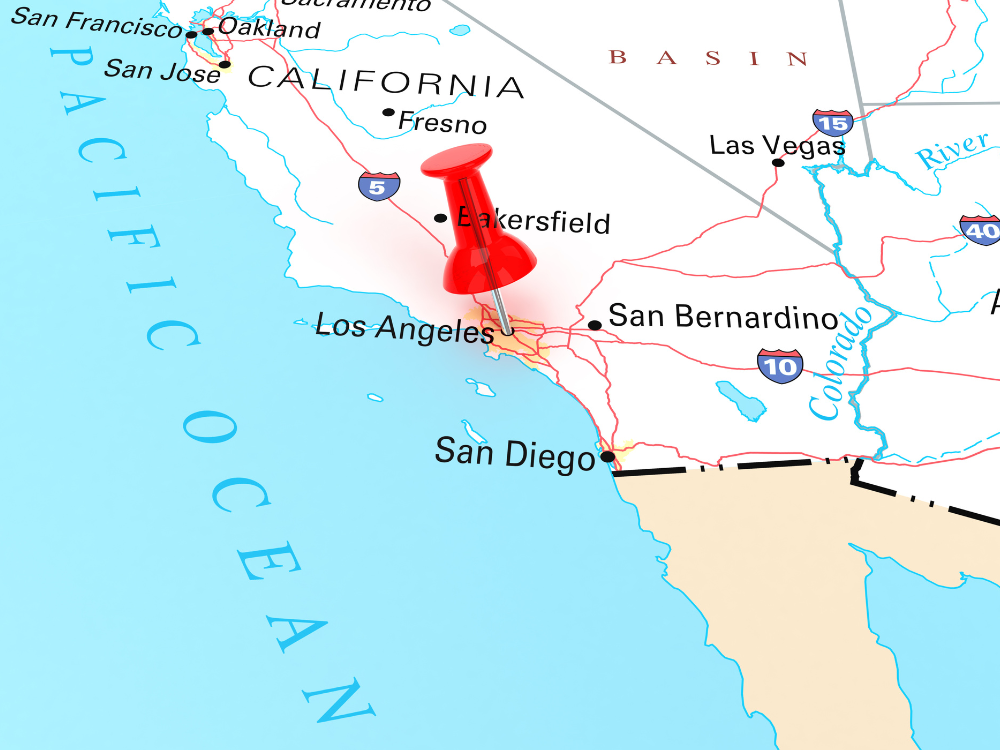
Understanding the Distance and Travel Times
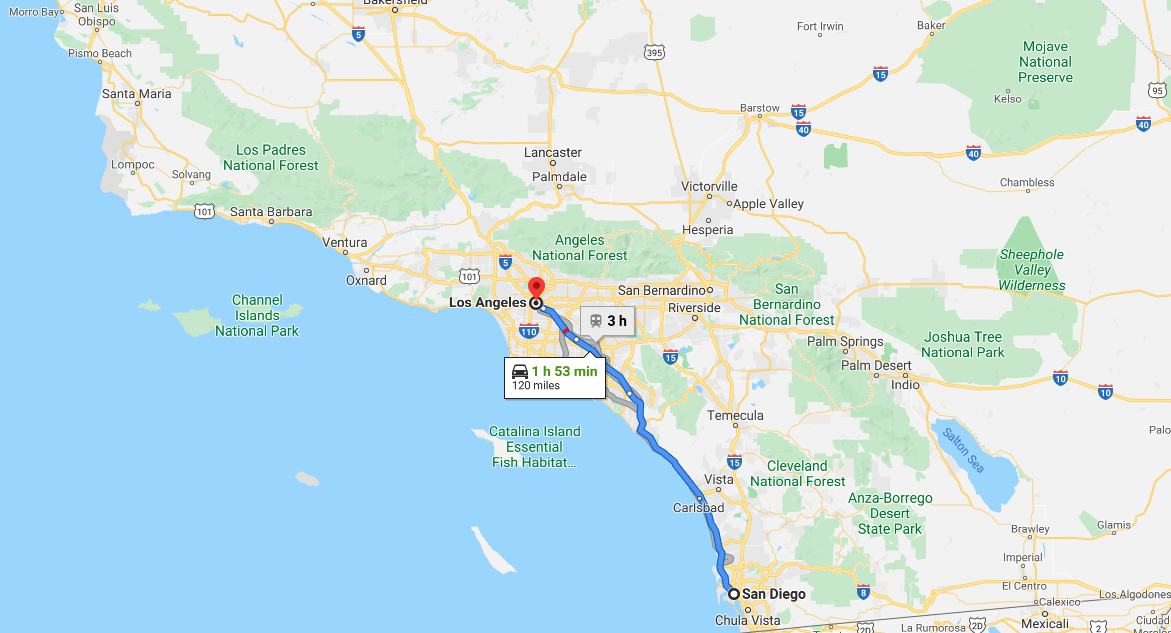
The physical distance between downtown Los Angeles and downtown San Diego is roughly 120 miles. However, actual travel time can vary dramatically based on several factors, most notably traffic conditions, the chosen mode of transportation, and the specific starting and ending points within each sprawling city.
Driving Distances and Routes
The most common way to travel between Los Angeles and San Diego is by car. The primary driving route is via Interstate 5 (I-5) South.
- I-5 South: This is the most direct and often the quickest route, especially outside of peak hours. The drive typically takes between 2 to 3 hours without significant traffic delays. However, Los Angeles and Orange County traffic can be notoriously unpredictable. During weekday rush hours (typically 6-10 AM and 3-7 PM), the journey can extend to 4 or even 5 hours. Weekend traffic, particularly on Sundays as people return to Los Angeles from beach towns, can also be substantial.
- Alternative Routes: For those seeking a more scenic, albeit slower, experience, the Pacific Coast Highway (PCH), also known as Highway 1, can be incorporated for portions of the journey. While not a direct route for the entire stretch, it offers stunning coastal views through cities like Laguna Beach and Dana Point. Combining parts of I-5 with state routes like CA-73 and CA-241 can also offer slight variations, though these often involve toll roads.
Public Transportation Options
For travelers who prefer not to drive, several public transportation options provide convenient and often less stressful ways to cover the distance between Los Angeles and San Diego.
- Amtrak Pacific Surfliner: This is an exceptionally popular and scenic choice. The train route runs along the coast for a significant portion of the journey, offering beautiful ocean views. Trains depart from Los Angeles Union Station and arrive at the Santa Fe Depot in San Diego. The journey typically takes around 2 hours and 45 minutes to 3 hours, with varying schedules throughout the day. The advantage of taking the train is avoiding traffic altogether and arriving directly in the city centers, which are well-connected to local public transport and attractions.
- Intercity Buses: Several bus companies, including Greyhound and services like FlixBus, offer routes between Los Angeles and San Diego. These services are generally more budget-friendly than the train. Travel times are comparable to driving, ranging from 2.5 to 4 hours depending on traffic and the number of stops. Depots are typically located in accessible downtown areas.
Planning Your Journey: Considerations for Travelers
When planning a trip from Los Angeles to San Diego, a few key considerations can help optimize your travel experience.
Timing Your Travel
- Avoiding Peak Traffic: If driving, the most crucial advice is to avoid traveling during typical rush hour periods. Departing early in the morning (before 6 AM) or later in the evening (after 7 PM) can significantly reduce travel time. Mid-day travel on weekdays is also generally smoother than during peak commuting hours.
- Weekend Travel: Weekends can be busy, especially on Fridays heading south and Sundays heading north. Consider departing on a Thursday evening or Friday morning to get ahead of the weekend rush.
- Holidays and Special Events: Be aware of major holidays and local events in both Los Angeles and San Diego, as these can dramatically impact traffic and accommodation availability.
Choosing Your Transportation
The best mode of transportation depends on your priorities:
- For Convenience and Scenery: The Amtrak Pacific Surfliner is an excellent choice for its relaxed atmosphere, ocean views, and direct city-center arrival.
- For Flexibility and Exploration: Driving offers the most flexibility, allowing you to stop at points of interest along the way. However, it comes with the stress of potential traffic and parking challenges in both cities.
- For Budget-Conscious Travelers: Intercity buses provide an economical option, though they may involve more stops and less comfort than train travel.
Considerations for Road Tripping
If you opt to drive, consider incorporating stops at notable attractions along the I-5 corridor:

- Orange County Coastal Towns: Cities like Laguna Beach offer beautiful art galleries and stunning beaches. Dana Point is a picturesque harbor town.
- San Clemente: Known for its Spanish colonial architecture and pier.
- Oceanside: Home to a historic pier and a significant harbor.
- Carlsbad: Famous for its flower fields (seasonal) and family-friendly attractions like LEGOLAND California.
These stops can break up the drive and add an element of discovery to your journey.
Exploring the Golden Corridor: Destinations Along the Way
The stretch of Southern California coastline between Los Angeles and San Diego is often referred to as the “Golden Corridor” due to its desirable climate, beautiful beaches, and affluent communities. While the direct journey can be completed in a few hours, this region is rich with potential detours and destinations that can transform a simple transit into a memorable travel experience.
The Charm of Orange County
Orange County serves as a significant intermediate zone, boasting a diverse array of attractions.
- Laguna Beach: This artistic enclave is renowned for its vibrant arts scene, numerous galleries, and beautiful coves. Its picturesque Main Beach and the annual Festival of Arts are major draws. The scenic drive along Coast Highway through Laguna Beach is a highlight in itself.
- Newport Beach and Balboa Island: Newport Beach offers upscale shopping and dining, a bustling harbor with luxury yachts, and the iconic Balboa Pier. Balboa Island, accessible via a charming ferry, provides a quaint village atmosphere with unique boutiques and frozen banana treats.
- Huntington Beach: Known as “Surf City USA,” this city is a mecca for surfers and beach enthusiasts. Its long pier is a popular spot for fishing and strolling, and the lively Main Street offers numerous surf shops and restaurants.
The Coastal Vistas of San Diego County
As you venture further south into San Diego County, the landscape continues to offer appealing stops before reaching the city of San Diego itself.
- Encinitas: This laid-back beach town has a bohemian vibe and is known for its Swami’s Beach, a popular surfing spot, and the Self-Realization Fellowship Encinitas Temple, with its stunning ocean views.
- Solana Beach and Del Mar: These charming coastal communities offer boutique shopping, excellent dining, and beautiful stretches of sand. Del Mar is also famous for its historic racetrack, the Del Mar Racetrack.
- La Jolla: Just north of the city of San Diego, La Jolla is an affluent seaside village renowned for its dramatic coastline, including the famous La Jolla Cove where seals and sea lions often bask. It’s also a hub for upscale shopping, fine dining, and art galleries.
These stops offer a chance to experience the diverse coastal culture of Southern California, making the journey between Los Angeles and San Diego a destination in itself. Whether you are looking for a quick transfer or a leisurely exploration, understanding the distance and planning your route can unlock a wealth of experiences.
Connecting to San Diego: Arrival and Initial Exploration
Upon arriving in San Diego, whether by car or train, you’ll find yourself in a city celebrated for its pleasant climate, extensive beaches, and numerous attractions. The distance you’ve traveled forms the prelude to an entirely new set of adventures.
Navigating San Diego Upon Arrival
- By Car: If you’ve driven, you’ll likely enter San Diego via I-5 North or I-805 North. Parking can be a consideration, especially in popular areas like the Gaslamp Quarter or near Balboa Park. Many hotels offer parking, though fees can be substantial.
- By Train: Arriving at the Santa Fe Depot places you in the heart of downtown San Diego. From here, the city’s MTS trolley system, local buses, ride-sharing services, and taxis are readily available to take you to your accommodation or any of the city’s world-class attractions.
Immediate Attractions
San Diego offers a wealth of activities right from your point of arrival:
- Gaslamp Quarter: A vibrant historic district known for its Victorian architecture, eclectic restaurants, lively bars, and entertainment venues. It’s an ideal place to start exploring the city’s nightlife and culinary scene.
- Balboa Park: This magnificent urban cultural park is home to numerous museums, gardens, and the famous San Diego Zoo. It’s a perfect destination for a leisurely afternoon of exploration and discovery.
- Waterfront and Embarcadero: Explore the USS Midway Museum, visit the Maritime Museum, or simply enjoy a stroll along the waterfront, taking in views of the bay and the Coronado Bridge.
The journey from Los Angeles to San Diego is more than just covering miles; it’s about embracing the varied landscapes and experiences that define Southern California. Whether you prioritize speed, scenery, or budget, there’s a travel solution that fits your needs, opening the door to the countless wonders that await in these two beloved cities.
LifeOutOfTheBox is a participant in the Amazon Services LLC Associates Program, an affiliate advertising program designed to provide a means for sites to earn advertising fees by advertising and linking to Amazon.com. Amazon, the Amazon logo, AmazonSupply, and the AmazonSupply logo are trademarks of Amazon.com, Inc. or its affiliates. As an Amazon Associate we earn affiliate commissions from qualifying purchases.