
Embarking on a journey from the sprawling metropolis of Los Angeles to the dazzling oasis of Las Vegas is a classic American road trip, a rite of passage for many seeking adventure, entertainment, and a change of pace. The question of “How far is Los Angeles to Vegas?” is more than just a geographical query; it’s the first step in planning an exciting escape. While the distance might seem straightforward, the experience of getting there is rich with possibilities, offering various travel methods, scenic detours, and considerations for different travel styles.
The distance between these two iconic destinations is approximately 270 miles (about 435 kilometers) when traveling by road. This figure, however, is just a starting point. The actual travel time can vary significantly based on the mode of transportation, traffic conditions, and whether you choose to make stops along the way. Whether you’re a seasoned traveler or planning your first excursion, understanding the nuances of this journey will help you make the most of your trip to the Entertainment Capital of the World.
Planning Your Journey: Modes of Transport and Time Considerations
The allure of Las Vegas beckons millions of visitors annually, and the proximity of Los Angeles makes it an accessible getaway. The most popular ways to bridge the gap between these two vibrant cities are by car, bus, or plane. Each offers a distinct experience, catering to different preferences in terms of cost, convenience, and the overall travel adventure.
Driving: The Classic California-Nevada Road Trip
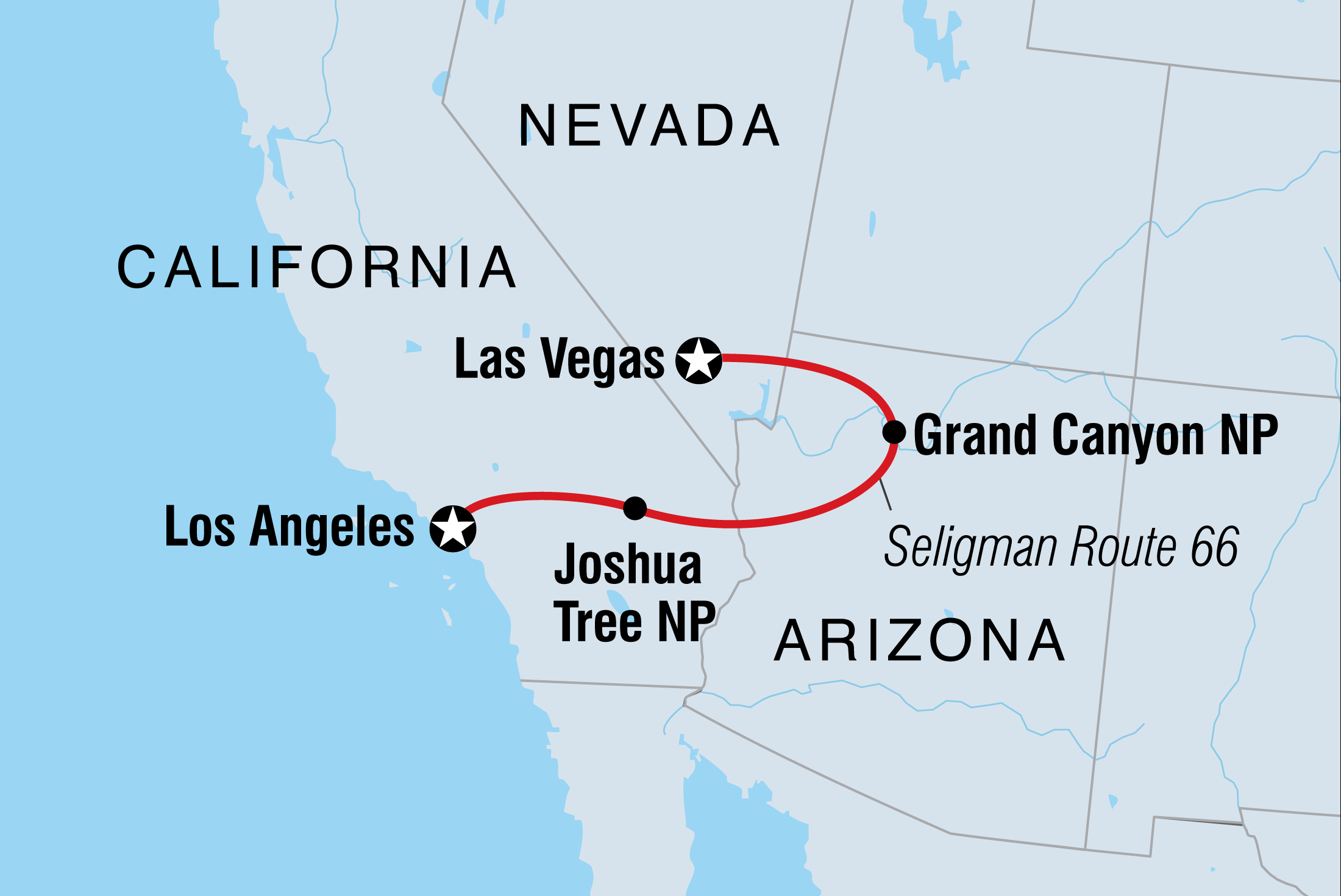
The drive from Los Angeles to Las Vegas is a quintessential experience, offering a sense of freedom and the opportunity to soak in the changing landscapes of Southern California and the Mojave Desert. The most direct route is via Interstate 15 North (I-15 N). This highway is the backbone of this journey, stretching across vast desert expanses dotted with Joshua trees and rugged mountains.
Estimated Driving Time:
Under ideal conditions, with minimal traffic and no stops, the drive can take approximately 4 to 5 hours. However, it’s crucial to factor in potential delays. Los Angeles is notorious for its traffic, especially during peak hours, weekends, and holidays. Leaving early in the morning, particularly on a Friday or Saturday, can significantly reduce your travel time. Similarly, returning to Los Angeles on a Sunday afternoon can also lead to considerable congestion.
Key Considerations for Driving:
- Traffic: As mentioned, traffic is the biggest variable. Always check real-time traffic conditions before departing and consider alternative routes if necessary, though I-15 N is generally the most efficient.
- Fuel: Ensure your vehicle is fueled up before you leave Los Angeles. While there are gas stations along I-15 N, prices can sometimes be higher in more remote desert areas.
- Breaks: The drive, though relatively short, can become monotonous. Plan for at least one stop to stretch your legs, grab a snack, or use the facilities. Popular stopping points include Barstow, a city with various amenities, and the infamous Calico Ghost Town, offering a glimpse into the Old West.
- Vehicle Condition: Ensure your car is in good condition, especially the tires and cooling system, as desert temperatures can be extreme, particularly during the summer months.
- Navigation: GPS or a reliable navigation app is essential. Cell service can be spotty in some desert areas, so downloading offline maps is a wise precaution.
The drive itself can be an experience. The transition from the urban sprawl of Southern California to the stark beauty of the Mojave Desert is a visual spectacle. As you get closer to Las Vegas, the landscape begins to change, and the anticipation builds with the first glimpse of the city’s iconic skyline on the horizon.
Flying: The Speediest Option
For those who prioritize speed and efficiency, flying from Los Angeles to Las Vegas is the quickest way to reach your destination. Several airlines operate frequent flights between the major airports serving both metropolitan areas.
Airports Involved:
- Los Angeles Area Airports: Los Angeles International Airport (LAX), Hollywood Burbank Airport (BUR), Long Beach Airport (LGB), and Ontario International Airport (ONT) are common departure points.
- Las Vegas Airport: The primary arrival airport is McCarran International Airport (LAS), now known as Harry Reid International Airport.
Flight Duration and Total Travel Time:
The actual flight time is remarkably short, typically around 1 hour to 1 hour and 15 minutes. However, the total travel time involves getting to the airport, check-in, security, boarding, deplaning, and then traveling from Harry Reid International Airport to your hotel on the Las Vegas Strip. This process can add several hours, bringing the total door-to-door time to roughly 4 to 6 hours, comparable to driving, but without the flexibility.
Pros and Cons of Flying:
- Pros: Fastest way to cover the distance, avoids traffic, can be cost-effective if booked in advance.
- Cons: Less flexibility, airport hassles, requires additional transportation upon arrival in Las Vegas to reach your final destination.
When considering flying, compare prices across different airlines and departure airports. Booking in advance often yields better deals, especially if your travel dates are flexible.
Bus Travel: A Budget-Friendly and Relaxing Alternative
For budget-conscious travelers or those who prefer to relax and let someone else do the driving, taking a bus from Los Angeles to Las Vegas is a viable and increasingly popular option. Several bus companies, including Greyhound, FlixBus, and others, offer regular services.
Estimated Travel Time:
Bus journeys typically take longer than driving, ranging from 6 to 9 hours, depending on the route, the number of stops, and traffic conditions. While this is the longest travel option in terms of time, it often comes with the lowest price tag.
Benefits of Bus Travel:
- Cost-Effective: Bus tickets are generally the cheapest way to travel between the two cities.
- Relaxation: You can sit back, enjoy the scenery, read a book, or even catch up on sleep without the stress of driving. Many modern buses offer amenities like Wi-Fi and power outlets.
- Convenience: Bus stations are often located in convenient, central locations, and you don’t have to worry about parking in Las Vegas.
- Eco-Friendly: Opting for a bus is often a more environmentally friendly choice compared to individual car travel.
Things to Note:
- Stops: Buses make scheduled stops, which extend the travel time.
- Comfort: While amenities have improved, bus travel can be less comfortable than a private car or a plane for some travelers.
- Luggage: Be mindful of luggage restrictions.
When choosing a bus, research the different companies to compare schedules, prices, and onboard amenities. Websites like Wanderu or Busbud can help you compare options from various providers.
Exploring the Route: Detours and Desert Wonders
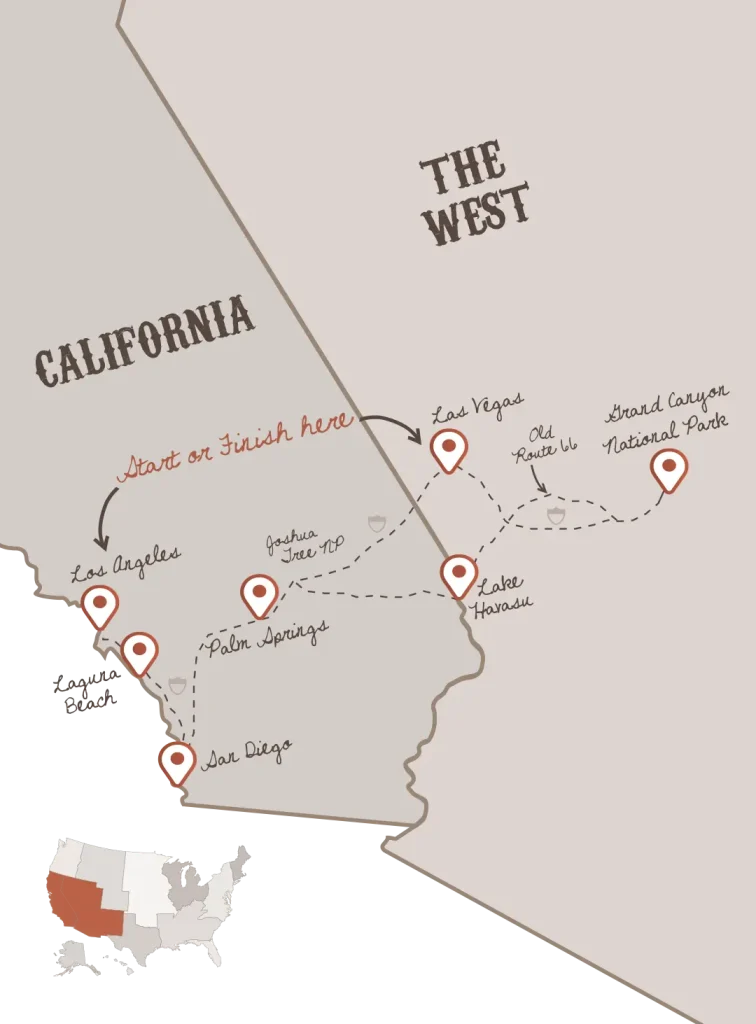
The journey between Los Angeles and Las Vegas is more than just a transit from point A to point B; it’s an opportunity to explore the unique landscapes and historical sites of the Mojave Desert. While the most direct route is I-15 N, several detours can enrich your trip, transforming it into a true exploration of Southern California and the gateway to the American West.
Scenic Stops and Historical Sites
The desert is not as barren as it might seem at first glance. With a bit of planning, you can discover fascinating places that offer a break from the highway and a deeper appreciation for the region’s natural beauty and history.
- Calico Ghost Town: Located near Yermo, this preserved silver mining town offers a step back in time. You can explore the old buildings, take a mine tour, and learn about the area’s boom-and-bust history. It’s a popular, albeit touristy, stop that provides a tangible link to the Wild West era.
- Mojave National Preserve: For nature enthusiasts, a detour into the Mojave National Preserve is highly recommended. This vast expanse of desert wilderness features striking landscapes, including the unique Joshua Tree forests, towering sand dunes (Kelso Dunes), and volcanic cinder cones. You can opt for scenic drives, short hikes, or simply pull over to admire the vastness and solitude.
- Zzyzx Road: While not a destination in itself, the peculiar name of Zzyzx Road often sparks curiosity. This exit from I-15 N leads to a desert oasis and a research facility, but the name alone has made it a quirky landmark.
- Baker, California: Known as the “Gateway to Death Valley,” Baker is a small town famous for the World’s Tallest Thermometer and its alien-themed attractions. It’s a classic roadside stop for a photo opportunity and a quick refuel.
These stops add to the overall distance and travel time, so it’s essential to factor them into your itinerary, especially if you’re driving. A leisurely trip with several stops could easily extend to a full day or even an overnight stay, offering a more immersive experience of the desert environment.
Adapting Your Trip to Your Travel Style
The “how far” question also depends on how you wish to travel. Your personal preferences for accommodation, activities, and budget will dictate the best approach.
Luxury and Lifestyle Considerations
For those seeking a luxurious escape, the journey can be as refined as the destination. This might involve:
- Private Jet: Chartering a private jet offers the ultimate in speed, comfort, and exclusivity. The journey time from the Los Angeles area to Las Vegas would be minimal, with highly personalized service.
- High-End Rental Car: Renting a premium vehicle for the road trip allows for a comfortable and stylish drive. You can choose a vehicle that suits your taste, whether it’s a sleek sports car or a spacious luxury SUV.
- Luxury Hotels in Las Vegas: Upon arrival, your choice of accommodation will significantly impact your lifestyle experience. Options range from opulent suites at the Bellagio and Wynn Las Vegas to exclusive villas at properties like the Four Seasons Hotel Las Vegas. These establishments offer world-class amenities, fine dining, and personalized service, catering to a discerning clientele.
- Fine Dining and Entertainment: Las Vegas is renowned for its culinary scene and extravagant entertainment. From Michelin-starred restaurants to spectacular resident shows and exclusive clubs, the city provides endless opportunities for a lavish lifestyle experience.
Budget Travel and Family Trips
For travelers on a tighter budget or those planning a family adventure, different strategies come into play:
- Budget-Friendly Accommodation: While luxury resorts dominate the Las Vegas Strip, there are more affordable options off-Strip or in nearby areas. Consider hotels like the Ellis Island Hotel Casino & Brewery or look into vacation rentals or apartments for longer stays, which can offer significant savings and more space, especially for families.
- Cost-Effective Transportation: As discussed, buses are the most economical way to travel. If driving, carpooling can reduce fuel costs.
- Family-Friendly Attractions: Las Vegas offers more than just adult-oriented entertainment. Many resorts have fantastic pool complexes, arcades, and family-friendly shows. Attractions like the Shark Reef Aquarium at Mandalay Bay, the Discovery Children’s Museum, and the thrilling rides at the Stratosphere Tower provide entertainment for all ages. The natural wonders surrounding Las Vegas, such as Red Rock Canyon National Conservation Area, also offer affordable outdoor activities.
- Food on a Budget: Explore the diverse dining options beyond the high-end restaurants. Las Vegas has numerous casual eateries, food courts, and buffets that offer value for money. Many off-Strip casinos also provide more reasonably priced dining experiences.
Ultimately, the journey from Los Angeles to Las Vegas is a flexible one, adaptable to any traveler’s needs and desires. Whether you measure the distance in miles or in hours, the experience is a gateway to one of the most unique and exciting destinations in the United States.
LifeOutOfTheBox is a participant in the Amazon Services LLC Associates Program, an affiliate advertising program designed to provide a means for sites to earn advertising fees by advertising and linking to Amazon.com. Amazon, the Amazon logo, AmazonSupply, and the AmazonSupply logo are trademarks of Amazon.com, Inc. or its affiliates. As an Amazon Associate we earn affiliate commissions from qualifying purchases.