
Planning a picturesque getaway from the bustling streets of Boston to the serene shores of Martha’s Vineyard? This idyllic island destination, renowned for its charming towns, pristine beaches, and vibrant cultural scene, beckons travelers seeking a quintessential New England escape. While geographically distinct, the journey between these two iconic Massachusetts locations is surprisingly accessible, offering a range of travel experiences from swift flights to scenic ferry rides. Understanding the distance and the various transportation options is the first step in crafting your perfect island adventure. Whether you envision a luxurious retreat, a budget-friendly family vacation, or an immersive exploration of local culture and landmarks, Martha’s Vineyard promises an unforgettable experience just a stone’s throw (or a short ferry ride) from the city. This comprehensive guide will illuminate the exact distance, detail the best ways to get there, and provide invaluable tips for making your trip from Boston to Martha’s Vineyard seamless and enjoyable.

Unveiling the Distance: Miles and Maritime Miles
Understanding “how far” isn’t just about a number on a map; it’s about appreciating the journey itself. The distance to Martha’s Vineyard from Boston can be viewed from a few perspectives: the direct geographical measurement, and the more practical travel distance that factors in road and sea routes.
The Straight-Line Perspective (As the Crow Flies)
As the crow flies, the approximate direct distance from Boston to Martha’s Vineyard (specifically to Vineyard Haven, one of the island’s main ports) is roughly 70 to 75 miles (about 113-121 kilometers). This aerial measurement provides a basic understanding of the geographical separation but, naturally, doesn’t reflect the actual travel required by land and sea. This relatively short distance highlights the island’s accessibility, making it an attractive destination for weekend trips or longer vacations for residents and visitors to Boston. The proximity allows for various transportation choices, each offering its own blend of speed, cost, and scenic beauty.
The Practical Travel Distance (Road and Sea)
When planning your journey, the practical travel distance is what truly matters. Since Martha’s Vineyard is an island, your trip will inevitably involve a combination of land travel to a ferry terminal, followed by a sea voyage. The most common ferry departure points for Martha’s Vineyard are located on Cape Cod, primarily Woods Hole, with other options from Hyannis, Falmouth, and New Bedford.
The driving distance from Boston to Woods Hole is approximately 75 to 80 miles (120-129 kilometers). This segment typically takes about 1.5 to 2 hours, depending on traffic, especially during peak season summer weekends when the roads leading to Cape Cod can become quite congested. Once you reach the ferry terminal, the sea journey across to Martha’s Vineyard adds another 45 minutes to 1.5 hours, depending on the specific ferry route and destination port (Vineyard Haven, Oak Bluffs, or Edgartown).
Therefore, the total practical travel time from Boston to Martha’s Vineyard can range from 3 to 4.5 hours or more when combining driving and ferry travel. While this might seem like a substantial journey, the anticipation of reaching the island’s tranquil beauty makes every mile and nautical mile worthwhile.
Navigating the Journey: Your Travel Options from Boston to Martha’s Vineyard
Getting to Martha’s Vineyard from Boston offers a variety of choices, each catering to different preferences for speed, cost, and convenience. From driving to a ferry terminal to taking a direct flight, understanding these options is key to planning your ideal island escape.
By Road and Ferry: The Classic Martha’s Vineyard Experience
This is arguably the most popular and quintessential way to reach Martha’s Vineyard. It involves driving from Boston to one of the main ferry ports on Cape Cod or in New Bedford, then boarding a ferry for the final leg of the journey.
The primary ferry operator is the Steamship Authority, which offers year-round service from Woods Hole to Vineyard Haven and seasonal service to Oak Bluffs. The drive from Boston to Woods Hole typically takes about 1.5 to 2 hours, covering approximately 75 miles. The ferry ride itself from Woods Hole is about 45 minutes.
Key considerations for driving and taking the ferry:
- Bringing a Car: The Steamship Authority is the only ferry service that transports vehicles to Martha’s Vineyard. Vehicle reservations are highly competitive and should be made months in advance, especially for summer travel. This option provides maximum flexibility once on the island but comes with a higher cost and the hassle of securing reservations.
- Parking Off-Island: Many visitors opt to leave their cars in one of the long-term parking lots near the Woods Hole terminal (operated by the Steamship Authority with shuttle services) and travel as foot passengers. This is generally more cost-effective and stress-free.
- Other Ferry Services: Seasonal passenger-only ferries also depart from Hyannis (Hy-Line Cruises, 1 hour ferry to Oak Bluffs or Edgartown), Falmouth (Island Queen, 35 minutes to Oak Bluffs), and New Bedford (Seastreak, 1 hour 45 minutes to Oak Bluffs or Vineyard Haven). These provide alternative ports with varying driving distances from Boston and ferry durations. The New Bedford ferry can be appealing as it avoids the worst of Cape Cod traffic.
By Air: The Swift and Scenic Route
For those prioritizing speed and a bird’s-eye view, flying is the quickest way to reach Martha’s Vineyard. Several regional airlines offer direct flights from Boston Logan International Airport (BOS) to Martha’s Vineyard Airport (MVY).
- Flight Duration: The flight itself is remarkably short, typically lasting only 30 to 40 minutes.
- Airlines: Carriers like Cape Air and other regional services operate these routes, especially during the peak summer season.
- Cost: While faster, flying is generally the most expensive option, with prices fluctuating significantly based on demand and booking lead time.
- Convenience: Landing directly on the island means no need for ferry transfers, making it ideal for short stays or those with limited time. Upon arrival at Martha’s Vineyard Airport, taxis, ride-shares, and rental cars are available to take you to your accommodation.
By Bus and Ferry: A Hassle-Free Alternative
If you prefer to avoid driving altogether, a convenient option is to take a bus directly from Boston to one of the ferry terminals. Plymouth & Brockton offers bus service from South Station in Boston to Woods Hole, timed to connect with Steamship Authority ferries.
- Journey Time: The bus ride to Woods Hole typically takes around 2 to 2.5 hours, followed by the 45-minute ferry ride.
- Cost-Effective: This option can be more economical than driving and paying for parking, and certainly cheaper than flying.
- Relaxed Travel: It allows you to relax and enjoy the scenery without the stress of navigating traffic or finding parking. Passengers simply walk onto the ferry as foot passengers.
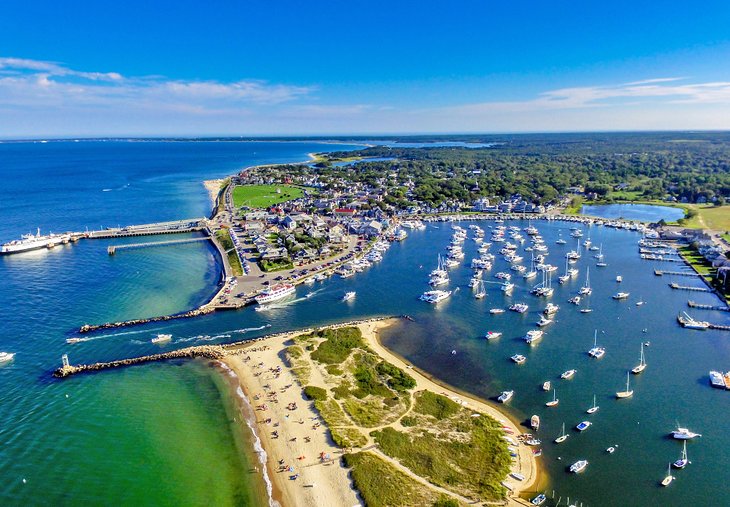
Essential Considerations for Your Martha’s Vineyard Getaway
Beyond the journey itself, a successful trip to Martha’s Vineyard involves careful planning regarding when to visit, where to stay, and how to explore the island’s many treasures.
Best Time to Visit and Booking Tips
Martha’s Vineyard has distinct seasons, each offering a unique charm:
- Summer (June-August): This is peak season, characterized by warm weather, bustling towns, and a full calendar of events. While lively, it also means higher prices, larger crowds, and the necessity of booking everything – ferries, accommodations, and even popular restaurant reservations – months in advance.
- Shoulder Seasons (May, September, October): These months offer a wonderful balance. The weather is still pleasant, crowds are thinner, and prices for hotels and ferries are often more reasonable. Many shops and restaurants remain open, especially in September, making it a favorite for those seeking a more relaxed yet vibrant experience.
- Off-Season (November-April): Much of the island goes into hibernation. While quiet and beautiful for peaceful retreats, many businesses close, and ferry schedules are reduced. However, for those seeking solitude and dramatic coastal scenery, it can be a magical time.
Booking Advice: Regardless of when you travel, always book your ferry tickets (especially if bringing a car) and accommodations as early as possible. This is particularly crucial for summer and holiday weekends.
Accommodation on Martha’s Vineyard: From Cozy Inns to Luxurious Resorts
Martha’s Vineyard offers a diverse range of accommodation options to suit every taste and budget, from quaint bed and breakfasts to opulent resorts and charming vacation rentals.
- Edgartown: Known for its elegant white-clapboard homes, upscale boutiques, and fine dining, Edgartown offers luxurious hotels and historic inns, perfect for a sophisticated getaway.
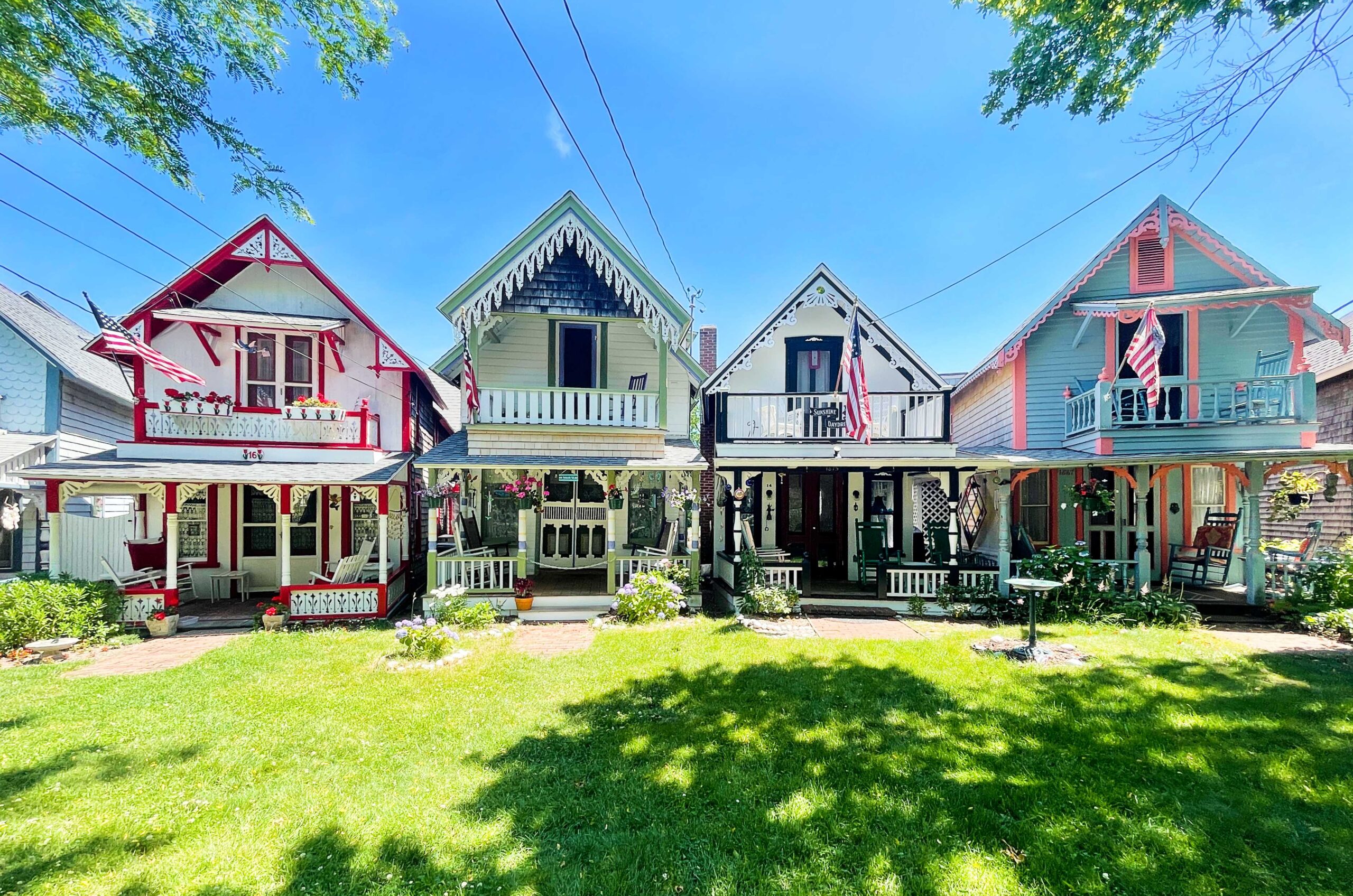
- Oak Bluffs: Vibrant and lively, Oak Bluffs is famous for its colorful Gingerbread Houses of the Methodist Camp Ground, its lively harbor, and family-friendly atmosphere. Here you’ll find a mix of hotels, guesthouses, and vacation rentals.
- Vineyard Haven: As the main year-round port, Vineyard Haven has a more working-town feel, offering convenient access to ferries and a good selection of shops and restaurants. Accommodation here ranges from inns to small hotels.
- Up-Island Towns (e.g., Aquinnah, Menemsha): For a more secluded and rustic experience, consider staying in the quieter “up-island” towns, where you might find charming cottages or larger vacation homes amidst natural beauty.
Booking reviews and comparing amenities is crucial to finding the perfect spot, whether you seek suites with ocean views, family-friendly resorts, or secluded villas.
Exploring the Island: Getting Around Martha’s Vineyard
Once on the island, you have several options for getting around:
- Buses: The Martha’s Vineyard Transit Authority (VTA) operates an extensive bus network connecting all the main towns and popular attractions. It’s an affordable and convenient way to explore, especially if you didn’t bring a car.
- Bicycles: Martha’s Vineyard is incredibly bike-friendly, with numerous scenic bike paths. Rentals are widely available in all major towns.
- Car Rentals: Available at Martha’s Vineyard Airport and in major towns. Useful for exploring more remote areas like Aquinnah Cliffs or Chappaquiddick Island.
- Taxis/Ride-Shares: Available, but can be expensive, especially during peak season.
What to See and Do: Top Attractions and Experiences
Martha’s Vineyard boasts a wealth of attractions and activities:
- Beaches: Relax on sandy shores like South Beach (Katama Beach), State Beach, or the serene Lobsterville Beach.
- Lighthouses: Visit iconic landmarks such as the Gay Head Lighthouse atop the stunning Aquinnah Cliffs, or the Edgartown Lighthouse.
- Charming Towns: Explore the unique character of Edgartown, Oak Bluffs, and Vineyard Haven, each with its own shops, galleries, and restaurants.
- Natural Beauty: Hike or bike through scenic trails, explore the Chappaquiddick Wildlife Refuge, or simply soak in the picturesque landscapes that inspired films like Jaws.
- Food Scene: Indulge in fresh seafood, farm-to-table dining, and classic island treats. Don’t miss the chance to try a lobster roll or visit a local clam shack. For a true institution, try breakfast at Black Dog Tavern in Vineyard Haven.
Crafting Your Martha’s Vineyard Experience: Lifestyle & Leisure
Martha’s Vineyard is more than just a destination; it’s a lifestyle experience waiting to be discovered. The island caters to an incredibly diverse range of preferences, ensuring that every traveler, from the luxury seeker to the budget-conscious family, finds their perfect slice of paradise.
Catering to Every Traveler: Luxury, Budget, and Family Travel
- Luxury Travel: For those seeking an opulent escape, Martha’s Vineyard offers high-end resorts, private villa rentals, gourmet dining experiences, and exclusive activities like sailing charters or rounds at prestigious golf courses such as the Farm Neck Golf Club. Edgartown and certain up-island areas are particularly known for their sophisticated offerings and discreet charm, perfect for an indulgent retreat or a romantic couple’s escape.
- Budget Travel: While often associated with luxury, Martha’s Vineyard can be enjoyed on a more modest budget. Opt for off-season travel, utilize the efficient public bus system instead of renting a car, stay in charming guesthouses or rental apartments, and enjoy casual eateries or prepare your own meals from local markets. Many of the island’s best attractions – its beaches, lighthouses, and bike paths – are free or low-cost. Packing a picnic for a beach day is a delightful and economical way to enjoy the scenery.
- Family Trips: The island is a fantastic destination for families. Oak Bluffs offers fun attractions like the Flying Horses Carousel and numerous ice cream shops, while the calm waters of State Beach are ideal for young swimmers. Bicycle rentals provide an active way for families to explore together, and the various towns offer kid-friendly activities and eateries. Vacation rentals, including apartments and villas, often provide more space and amenities for families compared to traditional hotel rooms.
Culinary Delights and Local Culture
The island’s local culture is deeply intertwined with its history, natural beauty, and vibrant community. From lively summer festivals to tranquil off-season art exhibits, there’s always something to engage with. The food scene is a major draw, boasting an abundance of fresh, locally sourced ingredients. Seafood is king here, with restaurants serving up everything from casual clam bakes to exquisite fine dining experiences featuring scallops, oysters, and the freshest catch of the day. Farmers’ markets offer a taste of the island’s agricultural bounty, while local bakeries and cafes provide delightful treats and coffee. Exploring the distinct character of each town – from the historic whaling town feel of Edgartown to the Victorian charm of Oak Bluffs and the artistic vibe of Vineyard Haven – is part of the immersive cultural experience.
Conclusion
The journey from Boston to Martha’s Vineyard is more than just covering miles; it’s an anticipated transition from urban energy to island tranquility. While the direct distance is a mere 70-75 miles, the practical travel, combining road and ferry, typically spans 3 to 4.5 hours, making it an accessible yet distinct escape. Whether you choose the scenic route by car and ferry, the swift flight, or the convenient bus and ferry combination, each option offers a unique perspective on the beautiful journey.
Martha’s Vineyard stands ready to welcome you with its diverse accommodations, from luxurious resorts to cozy inns, and an array of activities catering to every lifestyle. From the iconic Gingerbread Houses of Oak Bluffs to the dramatic Aquinnah Cliffs and the tranquil beauty of its many beaches, the island promises rich cultural experiences, delectable culinary adventures, and unforgettable memories. Planning your trip well in advance, especially during peak seasons, will ensure a smooth and enjoyable experience. So, pack your bags, choose your adventure, and prepare to discover the enduring charm of Martha’s Vineyard, a timeless gem just a short journey from the heart of Boston.
LifeOutOfTheBox is a participant in the Amazon Services LLC Associates Program, an affiliate advertising program designed to provide a means for sites to earn advertising fees by advertising and linking to Amazon.com. Amazon, the Amazon logo, AmazonSupply, and the AmazonSupply logo are trademarks of Amazon.com, Inc. or its affiliates. As an Amazon Associate we earn affiliate commissions from qualifying purchases.