
The question “How far is Mesa, Arizona from Phoenix?” is a common one, reflecting the close relationship between these two vibrant cities in the heart of the Sonoran Desert. While Phoenix proudly stands as the state capital and the fifth-largest city in the United States, Mesa is an equally significant, dynamic urban center. As a key component of the expansive Greater Phoenix Area, Mesa isn’t just a neighboring city; it’s an integral part of the region’s diverse fabric, offering a unique blend of cultural experiences, outdoor adventures, and burgeoning economic opportunities. For travelers, understanding the proximity and connectivity between Mesa and Phoenix is essential for planning seamless journeys, exploring myriad attractions, and choosing the perfect accommodation.
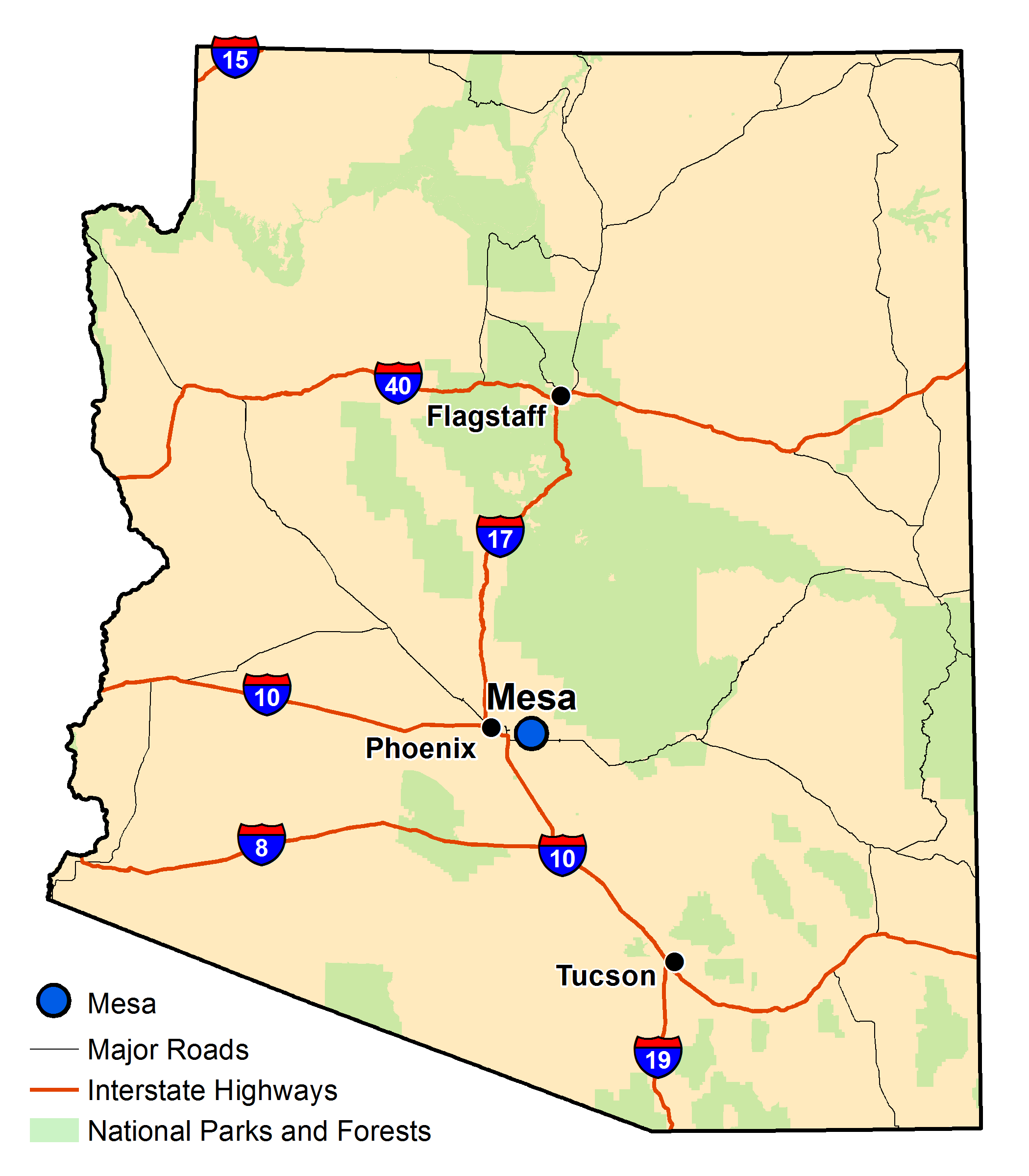
This article delves into the practicalities of travel between these two Arizona powerhouses, providing insights into distances, transportation, and the distinct charms each city offers. Whether you’re a tourist seeking sun-drenched landscapes and authentic Southwestern culture, a business traveler attending conferences, or considering a long-term stay, knowing the lay of the land will significantly enhance your experience. From world-class resorts and luxury travel options to budget-friendly stays and family trips, the Greater Phoenix Area caters to every lifestyle, with Mesa playing a crucial role in expanding the breadth of available experiences.
The Proximity Factor: Understanding the Distance Between Mesa and Phoenix
Despite their individual identities, Mesa and Phoenix are geographically very close, blurring the lines of where one city ends and the other begins within the sprawling urban landscape of the Valley of the Sun. This close proximity means that exploring both cities, whether for attractions, dining, or business, is not only feasible but highly recommended to get a comprehensive taste of what central Arizona has to offer.
The Straight Answer: Miles and Minutes
Generally, Mesa is located to the east of Phoenix. The exact distance can vary slightly depending on your specific starting point in one city and your destination in the other, but on average, the heart of Mesa is approximately 15 to 20 miles from Downtown Phoenix.
In terms of travel time by car, this typically translates to a drive of about 20 to 30 minutes under normal traffic conditions. However, like any major metropolitan area, rush hour traffic (usually between 7-9 AM and 4-6 PM on weekdays) can extend this commute significantly, sometimes to 45 minutes or even an hour. Planning your travel outside these peak times is advisable for a smoother journey. Rideshare services like Uber and Lyft are readily available in both cities, offering convenient door-to-door transportation. The cost will vary based on distance, time of day, and demand, but it’s a popular option for those without a rental car or who prefer not to drive.
Navigating the Urban Sprawl: Getting Around the Valley
The infrastructure connecting Mesa and Phoenix is robust, primarily relying on an extensive network of freeways. The most common routes include:
- US-60 (Superstition Freeway): This is a primary east-west artery that runs directly through Mesa and connects to Phoenix, offering a straightforward path between the two.
- Loop 202 (Red Mountain Freeway / Santan Freeway): This comprehensive loop encircles much of the Greater Phoenix Area, with sections like the Red Mountain Freeway providing quick access between Mesa and other parts of Phoenix and Scottsdale.
- Interstate 10 (I-10): While not running directly through central Mesa, I-10 is a major north-south corridor that can be accessed from Mesa via other freeways, making it crucial for connecting to wider parts of the region or for travel to and from Sky Harbor International Airport.
For those preferring public transportation, the Valley Metro Rail extends into Mesa, providing light rail service that connects Downtown Mesa with Tempe, Phoenix Sky Harbor International Airport, and Downtown Phoenix. This offers an economical and environmentally friendly alternative to driving, especially for accessing attractions located near rail stations. Valley Metro also operates an extensive bus system throughout the region, offering further connectivity.
Car rental services are available at Sky Harbor International Airport and various locations in both cities, providing maximum flexibility for exploring at your own pace. Given the vastness of the Greater Phoenix Area and the array of natural and urban attractions, having a vehicle is often the most convenient option for tourists.
Mesa: A Destination in Its Own Right
While often overshadowed by its larger neighbor, Mesa is far from just a suburb. It is a vibrant, growing city with a distinct personality, rich history, and a plethora of attractions that appeal to a wide range of interests, from culture enthusiasts to outdoor adventurers. As a destination, Mesa stands strong, offering unique experiences that complement a visit to the wider Greater Phoenix Area.
Top Attractions and Activities in Mesa
Mesa’s appeal lies in its diverse offerings:
- Mesa Arts Center: This architectural gem is the largest comprehensive arts campus in Arizona, housing multiple theaters, art galleries, and studios. It’s a hub for live performances, exhibitions, and educational programs, making it a must-visit for anyone interested in the performing or visual arts.
- Arizona Museum of Natural History: Step back in time and explore the natural and cultural history of the Southwest. The museum is famous for its dinosaur exhibits, including a three-story waterfall and prehistoric creatures, alongside displays on Native American cultures and Arizona’s mining heritage.
- Outdoor Adventures by the Salt River and Saguaro Lake: East of Mesa, the Tonto National Forest provides incredible opportunities for outdoor recreation. Saguaro Lake is a popular spot for boating, fishing, paddleboarding, and kayaking, surrounded by stunning desert landscapes. The Salt River itself is famous for tubing during the warmer months, offering a unique, leisurely float experience with opportunities to spot wild horses.
- Usery Mountain Regional Park: Located on the eastern edge of Mesa, this park offers miles of hiking and biking trails suitable for all skill levels, with panoramic views of the Valley of the Sun and the distinctive Usery Mountains. It’s an ideal place to experience the natural beauty of the Sonoran Desert up close.
- Downtown Mesa: The historic downtown area has undergone significant revitalization, boasting a vibrant arts scene, local shops, diverse restaurants, and regular community events. It’s a charming area to stroll, dine, and experience local Mesa culture.
Accommodation Options in Mesa

Mesa offers a wide array of accommodation options to suit various preferences and budgets, from well-known hotel chains to unique local stays. Many travelers find that staying in Mesa can often be more cost-effective than staying directly in Phoenix or Scottsdale, especially during peak seasons.
- Hotels and Resorts: You’ll find numerous reputable hotel brands, including the Delta Hotels by Marriott Phoenix Mesa, known for its comfortable rooms and resort-style amenities, and the Hyatt Place Phoenix/Mesa, which offers spacious suites and complimentary breakfast, catering to both business and leisure travelers. Many hotels feature amenities like swimming pools, fitness centers, and on-site dining, perfect for family trips or a relaxing getaway.
- Extended-Stay Apartments: For those planning a longer visit or a business stay, Mesa has several extended-stay properties offering apartment-style living with kitchenettes and extra space, providing a home-away-from-home experience.
- Boutique Hotels and Vacation Rentals: For a more personalized experience, look for smaller boutique hotels or consider vacation rentals (Airbnb, VRBO) that offer local charm and flexibility, especially in areas like Downtown Mesa or near popular attractions. These options can be excellent for experiencing local culture more deeply.
Exploring Phoenix: Capital City Adventures
As the bustling capital of Arizona, Phoenix offers a distinct urban experience filled with world-class museums, iconic natural landmarks, a thriving culinary scene, and lively entertainment options. Its close proximity to Mesa means that visitors can easily blend the cultural and outdoor activities of Mesa with the metropolitan allure of Phoenix.
Must-Visit Phoenix Landmarks and Experiences
Phoenix’s attractions cater to a diverse audience:
- Desert Botanical Garden: A true gem of the Sonoran Desert, this garden showcases an incredible collection of desert plants from around the world. It offers stunning walking trails, educational exhibits, and often hosts special events and art installations, making it a serene escape and a photography paradise.
- Heard Museum: Dedicated to advancing American Indian art and culture, the Heard Museum features extensive collections, traditional and contemporary art, outdoor sculptures, and frequently hosts cultural festivals. It provides a profound insight into the diverse Indigenous heritage of the Southwest.
- Papago Park: Home to the Desert Botanical Garden and Phoenix Zoo, Papago Park is also famous for its unique geological formations, most notably Hole-in-the-Rock, which offers easy hiking and spectacular views of the city, especially at sunset.
- Camelback Mountain: For adventurous hikers, Camelback Mountain provides challenging trails and rewarding panoramic vistas of the entire Valley of the Sun. Its distinctive camel-like shape makes it a prominent landmark on the Phoenix skyline.
- Downtown Phoenix: This bustling urban core is home to sports arenas like Footprint Center (for the Phoenix Suns) and Chase Field (for the Arizona Diamondbacks), a vibrant dining scene with award-winning restaurants, lively nightlife, and cultural institutions like the Phoenix Art Museum and Arizona Science Center.
Where to Stay: Phoenix Hotels and Resorts
Phoenix is renowned for its luxurious resorts and diverse accommodation options, catering to every style of travel, from indulgent getaways to budget-conscious stays.
- Luxury Resorts: The city boasts some of the country’s most iconic resorts, offering unparalleled amenities. Examples include the historic Arizona Biltmore, a Waldorf Astoria Resort known for its Frank Lloyd Wright-influenced architecture and multiple pools, and The Phoenician, a Luxury Collection Resort, Scottsdale, offering sprawling grounds, a championship golf course, and exquisite dining. These resorts are perfect for those seeking a pampered experience with top-tier service.
- Business and Boutique Hotels: In Downtown Phoenix, you’ll find numerous high-rise hotels ideal for business travelers, offering proximity to convention centers and corporate offices. Boutique hotels throughout areas like Midtown Phoenix and Uptown Phoenix provide unique character and personalized service.
- Family-Friendly Options: Many resorts and hotels throughout Phoenix and nearby Scottsdale cater specifically to families, featuring elaborate pool complexes with waterslides, kids’ clubs, and spacious suites.
- Vacation Rentals: Similar to Mesa, vacation rentals are popular in Phoenix for travelers looking for more space, privacy, or a residential experience, often allowing for longer stays.
Planning Your Trip: Logistics and Lifestyle
The synergy between Mesa and Phoenix makes planning a trip to the Greater Phoenix Area an exciting endeavor. Whether you decide to base yourself in one city and explore the other, or move between them, understanding the logistics and appreciating the local lifestyle will significantly enhance your travel experience.
Seamless Travel Between Mesa and Phoenix
Integrating visits to both Mesa and Phoenix into your itinerary is straightforward due to their excellent connectivity.
- Strategic Commuting: If you’re driving, aiming to travel between the cities outside of morning and evening rush hours (7-9 AM and 4-6 PM on weekdays) will save considerable time and reduce stress. Weekends generally offer much lighter traffic.
- Ride-Sharing and Public Transport: For events, concerts, or evenings out, utilizing ride-sharing apps is a convenient option, allowing you to avoid parking hassles. The Valley Metro Rail is particularly useful if your destinations are near its stations, offering a stress-free way to traverse from Downtown Mesa to Downtown Phoenix.
- Cost-Effective Accommodation: Many visitors choose to stay in Mesa for its generally more affordable accommodation options while still having easy access to all that Phoenix has to offer. This strategy allows for a blend of budget-conscious travel with luxury experiences in dining and attractions.
- Combined Itineraries: A perfect itinerary might involve spending a few days immersing yourself in Mesa’s outdoor activities and local culture, perhaps by the Salt River or at the Mesa Arts Center, and then transitioning to Phoenix for its vibrant city life, museums, and upscale dining. This approach ensures you experience the best of both worlds.

Lifestyle and Cultural Insights
The lifestyle in the Greater Phoenix Area is heavily influenced by its desert environment and rich Southwestern heritage, creating a unique backdrop for both residents and visitors.
- Culinary Scene: Both Mesa and Phoenix boast incredible food scenes. From authentic Mexican cuisine and contemporary Southwestern fare to farm-to-table restaurants and diverse international eateries, there’s something to satisfy every palate. Mesa is particularly known for its “Fresh Foodie Trail,” highlighting local farms and culinary experiences.
- Events and Festivals: The region hosts numerous events throughout the year. Spring Training baseball is a major draw in February and March, with several Cactus League stadiums located across the Valley, including Sloan Park in Mesa (home of the Chicago Cubs) and American Family Fields of Phoenix (home of the Milwaukee Brewers). Art walks, music festivals, and cultural celebrations are also common, reflecting the area’s vibrant community spirit.
- Outdoor Living: The desert climate encourages an active, outdoor-focused lifestyle. Hiking, biking, golfing, and water sports are immensely popular. Even during the hotter summer months, early morning activities or exploring the many air-conditioned indoor attractions are popular pastimes.
- Shopping: From high-end luxury boutiques at Scottsdale Fashion Square to unique local shops in Downtown Mesa and Roosevelt Row in Phoenix, shopping opportunities abound for every taste and budget.
- Family-Friendly Environment: Both cities offer a wealth of activities suitable for families, including zoos, children’s museums, splash pads, and nature centers, ensuring that family trips are filled with engaging and educational experiences.
In conclusion, Mesa is not just “near” Phoenix; it is a thriving, easily accessible partner in the expansive Greater Phoenix Area. The distance, a mere 15-20 miles, makes it incredibly convenient to explore the unique charms of both cities in one comprehensive travel experience. Whether you’re drawn by the cultural richness of the Mesa Arts Center, the natural beauty of Saguaro Lake, the bustling urban landscape of Downtown Phoenix, or the serene tranquility of the Desert Botanical Garden, the Valley of the Sun promises an unforgettable journey filled with diverse attractions, comfortable accommodations, and a lifestyle that beautifully blends desert adventure with metropolitan sophistication.