
The question “How far is Mexico from California?” might seem straightforward, but the answer is wonderfully complex, revealing the multifaceted nature of travel between these two vibrant regions. It’s not just a matter of miles; it encompasses geographical proximity, diverse landscapes, varied travel experiences, and the rich cultural exchange that defines the borderlands and beyond. For travelers in California looking to explore the delights of Mexico, understanding this dynamic distance is the first step in planning an unforgettable journey.
From the immediate, bustling border crossings to the far-flung tropical paradises accessible by air, the “distance” between Mexico and California is measured not only in kilometers but also in the time, effort, and mode of transportation chosen. This article serves as a comprehensive guide for those eager to bridge that gap, offering insights into the proximity, travel options, and essential considerations for a smooth and enriching trip.
The Immediate Proximity: A Shared Border
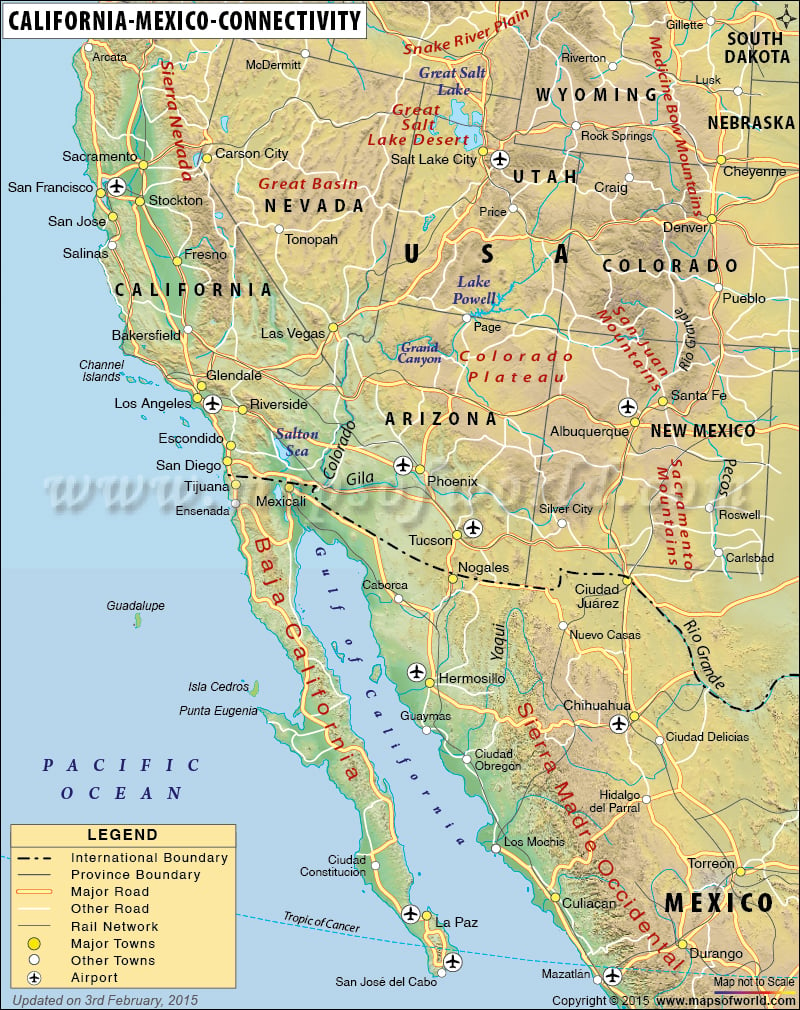
One of the most defining characteristics of the relationship between California and Mexico is their shared border. For many Californians, Mexico isn’t “far” at all; it’s just across the street, metaphorically speaking. The United States-Mexico border is one of the busiest land borders in the world, facilitating millions of crossings annually for tourism, commerce, and family visits.
Understanding the California-Mexico Border
The state of California shares a 140-mile long international border with the Mexican state of Baja California. This proximity means that a significant portion of Mexico is quite literally next door to California. The border itself is a vibrant, sometimes chaotic, but always fascinating zone where two cultures intertwine. Travelers can experience this unique blend firsthand simply by driving or walking across one of the official ports of entry.
The geographical closeness makes spontaneous day trips or weekend getaways a common occurrence for residents of southern California. This ease of access has fostered strong economic and cultural ties, making Baja California a natural extension for many Californian adventurers seeking new experiences without venturing too far from home.
Key Border Crossing Points
Several official border crossings connect California to Baja California, each serving different purposes and offering varying levels of convenience. Understanding these points is crucial for anyone planning to drive or walk into Mexico.
- San Ysidro/Tijuana: This is the busiest land border crossing in the Western Hemisphere, connecting San Diego, California, with Tijuana, Baja California. It’s incredibly popular for pedestrians and vehicles, though wait times can be significant, especially during peak hours or holidays. Tijuana itself is a major metropolitan area offering a wide array of cultural, culinary, and entertainment options immediately upon crossing.
- Otay Mesa/Tijuana: Located a few miles east of San Ysidro, the Otay Mesa crossing primarily caters to commercial traffic but also serves private vehicles and pedestrians. It can sometimes offer shorter wait times than San Ysidro, making it an attractive alternative for those traveling to or through the eastern parts of Tijuana.
- Calexico/Mexicali: Further east in California’s Imperial Valley, this crossing connects the city of Calexico with Mexicali, the capital of Baja California. It’s another busy port of entry, crucial for agricultural trade and regional travel.
- Tecate/Tecate: This smaller, more relaxed crossing point connects the city of Tecate on both sides of the border. It’s often preferred by travelers seeking to avoid the heavy traffic of San Ysidro or Otay Mesa, especially for those heading to points inland in Baja California.
For current wait times at these crossings, travelers can consult the U.S. Customs and Border Protection website or various mobile applications designed for border commuters.
Varying Distances: California to Popular Mexican Destinations
While the border is immediately accessible, Mexico is a vast country with a multitude of destinations. The “distance” therefore depends heavily on where in Mexico you wish to go.
Northern Baja California: A Quick Escape
For many Californians, the northern part of Baja California is an extension of their weekend travel possibilities.
- Tijuana: Zero miles from San Ysidro, Tijuana is instantly accessible.
- Rosarito: Approximately 20 miles south of the Tijuana border, Rosarito is a popular beach town, about a 30-45 minute drive from the border, depending on traffic.
- Ensenada: Around 60-70 miles south of the Tijuana border, Ensenada is a major port city and cruise ship destination, typically a 1.5 to 2-hour drive.
- Valle de Guadalupe: Mexico’s burgeoning wine country is inland from Ensenada, roughly 70-80 miles from the Tijuana border, and about a 1.5 to 2-hour drive.
These destinations are easily reachable by car, making them ideal for short trips from southern California.
Central Mexico: A Further Journey
Venturing into central Mexico from California typically involves air travel due to the significant distances.
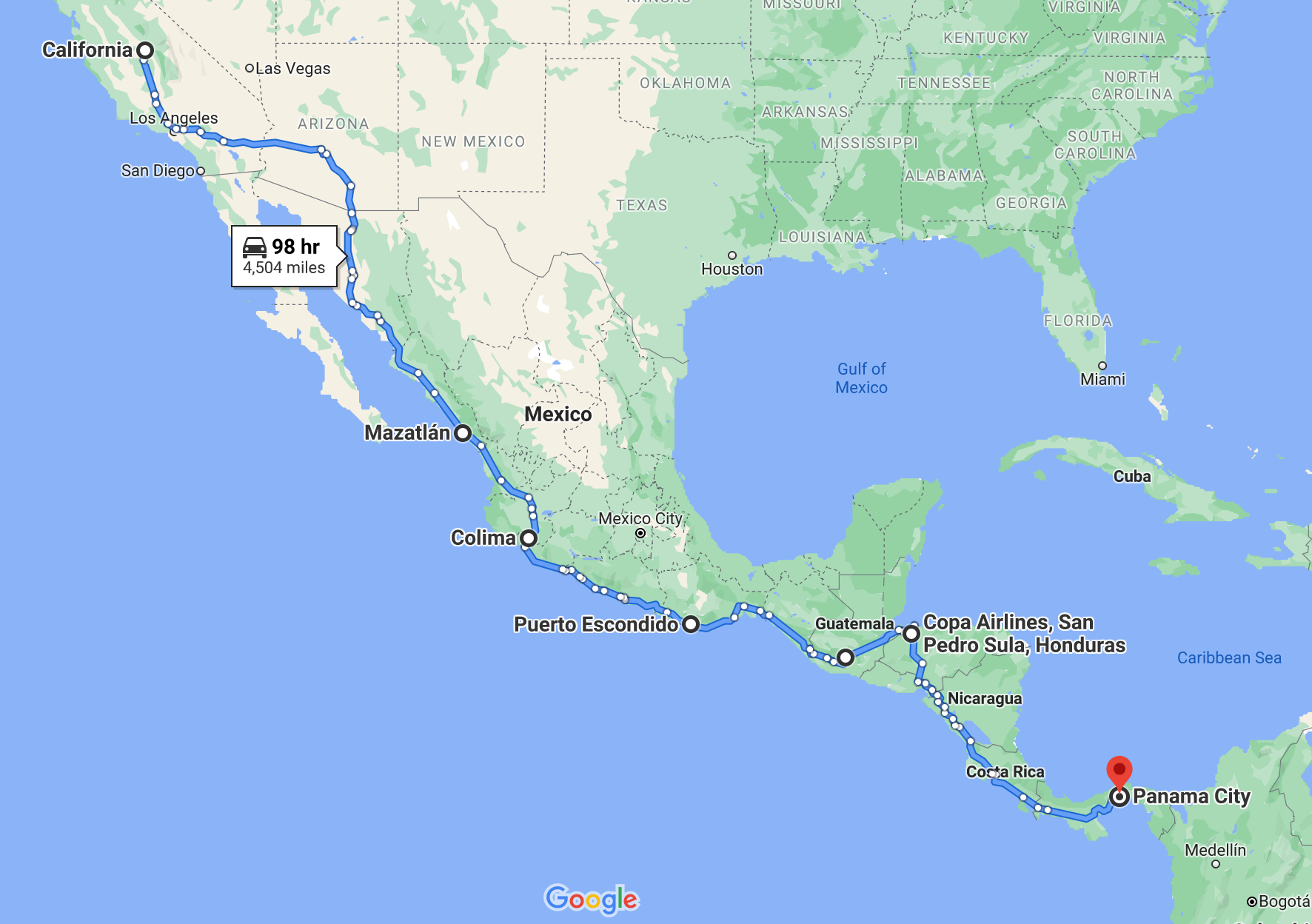
- Guadalajara: As one of Mexico’s largest cities, Guadalajara is approximately 1,600-1,800 miles southeast of Los Angeles. A direct flight from Los Angeles (LAX) usually takes around 3 hours. Driving would be a multi-day journey, crossing numerous states in both countries.
- Mexico City: The capital city is even further, roughly 2,000-2,200 miles from Los Angeles. Non-stop flights from California (e.g., LAX, San Francisco) typically range from 4 to 5 hours. Destinations like Puebla or Oaxaca would involve a similar flight duration to Mexico City, followed by ground transport or a connecting flight.
Southern Mexico: A Cross-Country Expedition
The popular beach resorts and ancient ruins of southern Mexico represent the furthest destinations from California.
- Cancun / Riviera Maya (Yucatán Peninsula): These Caribbean gems are approximately 2,500-2,700 miles from Los Angeles or San Francisco. Direct flights from major California airports can take 5 to 6 hours.
- Puerto Vallarta: Located on Mexico’s Pacific Ocean coast, Puerto Vallarta is about 1,500 miles from Los Angeles, with direct flights typically lasting around 3 hours.
These distances clearly illustrate that while a portion of Mexico is incredibly close, exploring the breadth of the country often necessitates air travel for efficiency and comfort.
Modes of Travel: Reaching Mexico from California
The choice of transportation largely dictates the perceived distance and overall travel experience.
Driving Across the Border
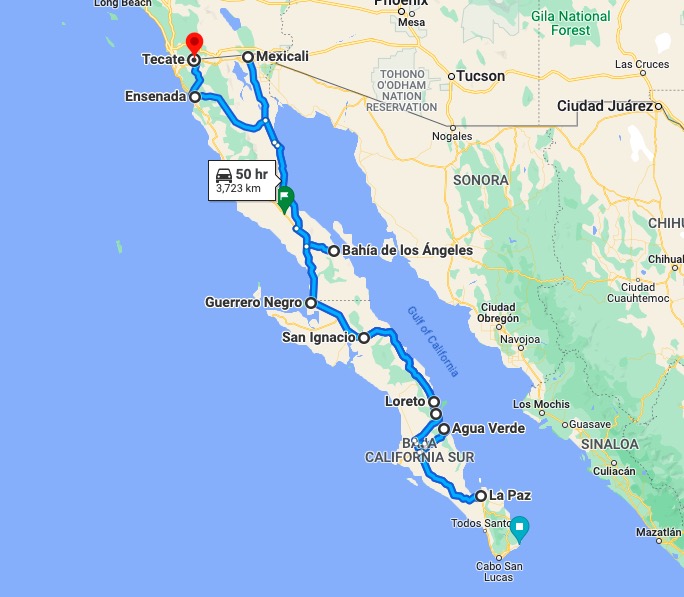
Driving offers unparalleled flexibility for exploring Baja California. Travelers can bring their own vehicle, but essential preparations are key:
- Vehicle Insurance: U.S. auto insurance is generally not valid in Mexico. It is mandatory to purchase Mexican liability insurance, which can be acquired online or at offices near the border crossings.
- Documentation: Besides personal identification (passport, passport card, or enhanced driver’s license), you’ll need your vehicle’s registration. If you plan to travel beyond the “border zone” (generally 20-30 km from the border), a Temporary Import Permit (TIP) for your vehicle is required.
- Tolls and Fuel: Mexican highways often have tolls, payable in pesos. Fuel prices can differ from the U.S., and it’s advisable to fill up before crossing if prices are favorable.
Driving across the border is a right of passage for many Californians and offers a road trip adventure into a new country.
Air Travel: Efficiency and Reach
For destinations beyond Baja California, air travel is the most practical and time-efficient option. Major California airports (Los Angeles International Airport – LAX, San Francisco International Airport – SFO, San Diego International Airport – SAN) offer numerous direct flights to key Mexican cities and tourist hubs.
- Airlines: Major carriers like Aeromexico, Volaris, VivaAerobus, and U.S. airlines such as American, Delta, United, Southwest, and Alaska Airlines operate frequent routes.
- Booking: Booking in advance, especially during peak seasons, is advisable to secure better fares. Consider flying into regional airports in Mexico if your final destination is not a major city, as this can sometimes save time and money on ground transportation.
- Customs and Immigration: Upon arrival in Mexico, travelers go through immigration and customs procedures, similar to any international flight.
Public Transportation and Other Options
For those without a car or preferring not to drive, public transportation is a viable alternative.
- Buses: From the San Ysidro border, numerous bus lines offer comfortable and affordable travel to various destinations within Baja California and beyond. This is an excellent option for budget travelers or those who prefer to sit back and enjoy the scenery.
- Taxis/Rideshares: Taxis are readily available at border crossings and within Mexican cities. Rideshare apps like Uber and Didi also operate in many Mexican urban areas, offering convenience and transparent pricing.
- Walking: For those simply visiting Tijuana for a day, walking across the border at San Ysidro is a common practice. This avoids vehicle wait times and parking hassles.
Planning Your Journey: Essential Travel Considerations
Regardless of how “far” you’re traveling, proper planning is paramount for a safe and enjoyable trip to Mexico.
Required Documentation
- Passport: A valid passport is essential for all U.S. citizens traveling to Mexico by air and is the preferred document for land crossings under the Western Hemisphere Travel Initiative (WHTI).
- Mexican Tourist Permit (FMM): For stays longer than 7 days, or if traveling beyond the immediate border zone, a Mexican Tourist Permit (Forma Migratoria Múltiple – FMM) is required. This can often be obtained from airlines for air travel or at border crossings for land travel.
- Other IDs: A passport card, enhanced driver’s license, or a SENTRI or Global Entry card can expedite land border crossings.
Safety and Security Tips
While millions of Californians travel to Mexico safely each year, it’s wise to remain informed and exercise caution:
- Research Destinations: Understand local conditions and any travel advisories for your specific destination.
- Stay Aware: Be mindful of your surroundings, especially in crowded areas.
- Secure Valuables: Keep your passport, money, and other important documents secure and out of sight.
- Transportation: Use reputable taxis or rideshares, especially at night.
- Emergency Contacts: Know the local emergency numbers and share your itinerary with someone back home.
Cultural Nuances and Practical Advice
Beyond the logistical distances, preparing for cultural differences enhances the travel experience.
- Currency: The official currency is the Mexican Peso. While U.S. dollars are often accepted in tourist areas, especially near the border, using pesos generally ensures better rates. ATMs are widely available in cities.
- Language: Spanish is the official language. Learning a few basic phrases will go a long way in connecting with locals and navigating your journey. English is common in major tourist destinations.
- Tipping: Tipping practices are similar to the U.S., with 10-20% customary for good service in restaurants and for guides.
- Pace of Life: Be prepared for a more relaxed pace in many parts of Mexico, often referred to as “Mexican time.”
Beyond Distance: The Rich Tapestry of Mexican Travel
The answer to “How far is Mexico from California?” transcends mere mileage. It speaks to a proximity that allows for effortless border hops, and a vastness that invites epic air journeys. What truly makes Mexico an irresistible destination for Californians is the incredible diversity of experiences it offers, all within a manageable reach.
Diverse Landscapes and Experiences
From the rugged desert landscapes and stunning coastlines of Baja California to the colonial charm of central Mexican cities, the ancient Mayan ruins of the Yucatán Peninsula, and the vibrant metropolitan energy of Mexico City, Mexico presents a smorgasbord of natural beauty and historical wonders. Travelers can surf the waves in Rosarito, savor gourmet cuisine in Valle de Guadalupe, explore art in Tijuana, hike volcanoes near Puebla, or relax on the pristine beaches of Cancun. Each destination offers its own unique flavor, making repeat visits eternally rewarding.
Culinary Delights and Cultural Immersion
For many, travel to Mexico is a gastronomic pilgrimage. Recognized by UNESCO as an Intangible Cultural Heritage of Humanity, Mexican cuisine is diverse, flavorful, and deeply rooted in history. From street tacos and tamales to sophisticated haute cuisine, the food is an experience in itself. Beyond food, the country’s rich indigenous heritage, vibrant arts scene, traditional music, and colorful festivals offer endless opportunities for cultural immersion, whether in a bustling market in Oaxaca or a mariachi plaza in Guadalajara.
In conclusion, Mexico is as far or as near as you choose to make it from California. It’s a neighbor providing immediate access to new cultures and experiences, and it’s a vast, exciting country whose furthest reaches are just a few hours away by plane. For any Californian with a passion for travel, adventure, and discovery, Mexico stands ready to welcome you, no matter the distance.
LifeOutOfTheBox is a participant in the Amazon Services LLC Associates Program, an affiliate advertising program designed to provide a means for sites to earn advertising fees by advertising and linking to Amazon.com. Amazon, the Amazon logo, AmazonSupply, and the AmazonSupply logo are trademarks of Amazon.com, Inc. or its affiliates. As an Amazon Associate we earn affiliate commissions from qualifying purchases.