
Planning a trip across the Sunshine State is a quintessential American experience. For many travelers landing in Florida, the route between the vibrant, coastal energy of Miami and the magical, entertainment-driven atmosphere of Orlando is a primary itinerary leg. Understanding the distance, travel time, and logistics of this journey is essential for optimizing your vacation time.
Understanding the Geographic Distance and Drive Time
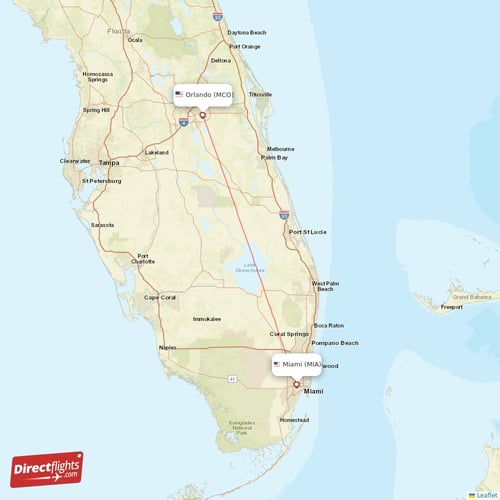
The distance between Miami and Orlando is approximately 235 to 250 miles, depending on your specific starting point and final destination within each metropolitan area. On average, the drive takes between three and a half to four and a half hours under normal traffic conditions.
The Primary Route: Florida’s Turnpike
The most direct and commonly used route is Florida’s Turnpike. This toll road offers a relatively straight path heading north through the heart of the peninsula. Travelers often prefer this route because it bypasses much of the local urban congestion found on Interstate 95. Utilizing this highway allows for a more consistent pace, though it is important to remember that it is a toll-heavy road. Ensure your rental car is equipped with an electronic toll pass, such as SunPass, to avoid delays at toll booths.
The Alternative: Interstate 95
For those who prefer to stay closer to the Atlantic Ocean coastline for part of the journey, Interstate 95 is a viable alternative. This route takes you past coastal hubs like West Palm Beach and Fort Pierce before cutting inland toward Orlando. While scenic, this route is frequently subject to heavy traffic, especially during morning and evening rush hours in the South Florida region.
Transportation Modes: Choosing How to Travel
Depending on your comfort levels, budget, and time constraints, there are several ways to bridge the gap between these two iconic cities.
Rental Cars and Private Vehicles
Driving remains the most popular choice for families and groups. Having a vehicle provides the flexibility to stop at various Florida landmarks along the way. Whether you want to grab a quick lunch in Jupiter or take a detour through the Everglades, a private vehicle puts you in control of your schedule.
Intercity Rail: Brightline
A significant development in regional transit is the Brightline high-speed rail service. This modern, comfortable train connects MiamiCentral station directly to the Orlando International Airport. This option has revolutionized travel between the two cities, offering a stress-free alternative to driving. With comfortable seating, onboard dining, and reliable Wi-Fi, it allows passengers to arrive in Orlando refreshed and ready for the theme parks, bypassing the frustrations of highway traffic entirely.
Bus and Coach Services
Budget-conscious travelers often opt for bus lines like Greyhound or FlixBus. These services offer multiple daily departures and arrive at central hubs. While the travel time is generally longer than driving, it is a cost-effective way to move between South Florida and Central Florida.
Essential Tips for a Smooth Journey
Traveling in Florida requires a bit of foresight, particularly regarding the state’s unpredictable weather and high traffic volumes.
Timing Your Departure
Traffic on the major arteries can be grueling. It is highly recommended to avoid traveling during weekday rush hours (7:00 AM – 9:00 AM and 4:00 PM – 6:30 PM) in either Miami or Orlando. If you are driving on a weekend, prepare for increased volume as local residents head to the beaches or the theme parks. Departing early in the morning, ideally before 7:00 AM, can save you significant time and lower your stress levels.
Weather Considerations
Florida is famous for its sudden, intense thunderstorms, especially during the summer months. These downpours can reduce visibility to nearly zero on the highway. Always keep your headlights on and maintain a safe following distance. If the rain becomes too heavy, it is safer to pull off at a rest stop or gas station—many of which are well-maintained along Florida’s Turnpike—and wait for the cell to pass.
Planning for Stops
The journey is long enough to warrant at least one or two breaks. If you find yourself in need of a stretch, consider stopping in towns like Port St. Lucie or Melbourne. These locations offer a variety of dining options, ranging from quick-service cafes to local sit-down restaurants that provide a welcome change of pace from standard highway fast food.

Beyond the Drive: Connecting Two Worlds
While the distance between Miami and Orlando is relatively short by national standards, the cultural difference between the two is vast.
Miami offers a global, cosmopolitan vibe with its Art Deco architecture, world-class nightlife in South Beach, and a deep-rooted Latin American culture. Conversely, Orlando is the undisputed theme park capital of the world, home to Walt Disney World Resort and Universal Orlando Resort.
By understanding the logistics of your transit, you allow yourself the ability to transition smoothly between these two unique worlds. Whether you choose the efficiency of the Brightline or the freedom of a rental car, the drive is a vital part of the Florida experience. Pack your patience, prepare your favorite travel playlist, and enjoy the transition from the turquoise waters of the coast to the magical horizons of the interior. Remember that in Florida, the journey is just as much a part of the memory as the destination itself. By keeping these tips in mind, you can ensure that your transition between these two powerhouses of United States tourism is seamless, safe, and enjoyable.
LifeOutOfTheBox is a participant in the Amazon Services LLC Associates Program, an affiliate advertising program designed to provide a means for sites to earn advertising fees by advertising and linking to Amazon.com. Amazon, the Amazon logo, AmazonSupply, and the AmazonSupply logo are trademarks of Amazon.com, Inc. or its affiliates. As an Amazon Associate we earn affiliate commissions from qualifying purchases.