
The sun-drenched coastlines of Southeast Florida hold two of the state’s most iconic and vibrant cities: Fort Lauderdale and Miami. Often considered distinct entities, these metropolitan hubs are, in fact, remarkably close, making travel between them not just feasible but an integral part of the quintessential South Florida experience. Whether you’re a seasoned traveler exploring the diverse attractions of the Sunshine State, a business professional commuting between urban centers, or a tourist eager to soak in both the serene beauty of the “Venice of America” and the pulsating energy of the “Magic City,” understanding the distance and myriad travel options is key to a seamless journey.
This proximity isn’t merely a geographical detail; it’s a gateway to an expanded vacation, allowing visitors to effortlessly blend the laid-back charm of Fort Lauderdale’s canals and beaches with Miami’s world-renowned Art Deco glamour, diverse culinary scene, and vibrant nightlife. Our comprehensive guide delves into the exact distances, expected travel times, various transportation methods, and practical tips to ensure your inter-city adventure is as smooth and enjoyable as the destinations themselves. From luxurious resort stays to budget-friendly adventures, and from family-friendly outings to high-energy excursions, the journey between these two jewels of Florida is an experience in itself, promising convenience, stunning views, and an abundance of opportunities to create lasting memories.
The Proximity Paradox: More Than Just Miles
While distinct in their individual characters, the relatively short distance separating Fort Lauderdale and Miami creates a unique travel advantage. It’s a connection that allows visitors to easily access the best of both worlds, transforming a single-city trip into a multi-faceted exploration of South Florida’s rich offerings. This closeness is central to many travel itineraries, facilitating everything from day trips to extended stays that strategically incorporate the highlights of both destinations.
Understanding the Distance & Travel Time
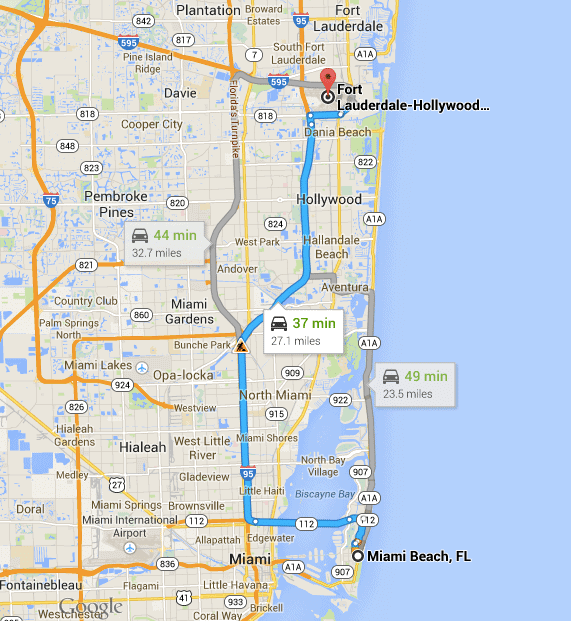
The actual distance between Fort Lauderdale and Miami can vary slightly depending on your exact starting and ending points within each city, but generally, it spans approximately 25 to 30 miles (40 to 48 kilometers). This is a very manageable distance, especially when considering the excellent infrastructure connecting the two cities.
When it comes to travel time, driving is the most common method, and under optimal conditions – meaning no heavy traffic – the journey can take anywhere from 30 to 45 minutes. However, it’s crucial for travelers to factor in potential traffic delays, especially during peak hours such as morning and evening commutes, or on weekends when many locals and tourists head to the beaches or popular attractions. During these times, travel time could extend to an hour or even slightly more. Planning your travel outside of these peak periods can significantly reduce your time on the road, allowing for more time enjoying your destination. For those using public transport, the travel time can be quite predictable and often very efficient, offering a stress-free alternative to driving.

The Scenic Routes: Choosing Your Journey
The primary artery connecting Fort Lauderdale and Miami is Interstate 95 (I-95), a major north-south highway that runs along the East Coast of the United States. This is the most direct and fastest route for drivers. While it offers efficiency, the scenery primarily consists of urban landscapes and highway views.
For those who prefer a slightly more scenic, albeit potentially longer, drive, alternatives like U.S. Route 1 (US-1) or the Florida Turnpike are available. US-1, also known locally as Federal Highway, runs closer to the coast, passing through various towns and commercial districts. While it involves more traffic lights and lower speed limits, it offers a glimpse into local life and opportunities to stop at smaller shops or eateries along the way. The Florida Turnpike is a toll road that typically offers smoother, less congested travel than I-95, making it a good option for those willing to pay a small fee for potentially quicker transit, especially during heavy traffic periods on the interstate. Each route provides a different perspective on the vibrant corridor that links these two dynamic Florida cities.
Navigating Your Way: Transportation Options
Traveling between Fort Lauderdale and Miami is remarkably straightforward, thanks to a robust network of transportation options designed to suit every preference and budget. Whether you prioritize speed, flexibility, cost-effectiveness, or a unique experience, there’s a mode of transport ready to take you from one city to the other. Understanding these options is crucial for seamless travel planning, allowing you to optimize your time and enjoy the journey as much as the destination.
Driving: Freedom and Flexibility
For many visitors, especially those on a family trip or those planning to explore areas outside the immediate city centers, driving remains the preferred method of travel. Renting a car provides unparalleled freedom and flexibility to set your own schedule, make spontaneous stops, and reach destinations not easily accessible by public transit. Numerous car rental agencies operate at both Fort Lauderdale-Hollywood International Airport (FLL) and Miami International Airport (MIA), as well as in downtown areas, offering a wide range of vehicles to fit any need.
When driving, it’s important to be aware of tolls, particularly on the Florida Turnpike and some express lanes on I-95. Many rental cars come equipped with a SunPass transponder, making electronic toll collection hassle-free. Ride-sharing services like Uber and Lyft are also widely available, offering a convenient door-to-door service without the need to worry about navigation or parking. Parking, especially in popular areas of Miami Beach or downtown Miami, can be expensive and sometimes challenging to find, so factoring this into your budget and planning is advisable. Many hotels, especially resorts, offer valet parking, which can be a convenient albeit higher-cost option for accommodation.
Public Transportation: Efficient & Eco-Friendly
South Florida boasts excellent public transportation links between Fort Lauderdale and Miami, offering a cost-effective and often stress-free alternative to driving.
- Brightline: This inter-city express passenger rail service is arguably the most convenient and luxurious way to travel between the two cities. Brightline offers comfortable seating, Wi-Fi, food and beverage service, and a quick journey time of approximately 30-40 minutes between Fort Lauderdale Station and MiamiCentral Station. It’s an excellent option for business travelers or tourists seeking a premium experience without the hassle of traffic.
- Tri-Rail: As a commuter rail line, Tri-Rail provides a more budget-friendly option, connecting Miami-Dade, Broward, and Palm Beach Counties. The journey takes approximately 45-60 minutes, depending on the number of stops. It’s a reliable choice for daily commuters and leisure travelers alike, with stations conveniently located near major attractions and transportation hubs. From Miami Airport Station, travelers can connect to Metrorail for access to downtown Miami and Brickell.
- Bus Services: Various bus companies, including local public transit like Broward County Transit (BCT) and Miami-Dade Transit, as well as intercity services like FlixBus and Greyhound, offer routes between the cities. While generally slower than rail or driving, buses are often the most economical choice.
Alternative & Unique Travel
Beyond the conventional, a few other options cater to specific travel styles or offer a different perspective on the journey. Shuttles and private transfers are available for those who prefer a personalized, direct service without the need to navigate public transport or drive. These can be particularly useful for groups or those with significant luggage. While not a direct travel method between the city centers, Fort Lauderdale’s renowned Water Taxi system offers a charming way to explore its canals and connect to various points of interest, which could be an interesting first leg of a multi-modal journey if you’re starting within its waterways. For the adventurous and fit, cycling along A1A (the scenic coastal highway) is technically possible, offering breathtaking ocean views, though it’s a significant undertaking given the distance and South Florida’s heat and traffic.
Exploring the Destinations: Fort Lauderdale & Miami Unveiled
The journey between Fort Lauderdale and Miami isn’t just about covering miles; it’s about connecting two distinct worlds, each offering a unique flavor of the Florida experience. While their proximity allows for easy transitions, delving into what makes each city special enriches the overall travel narrative, transforming a simple trip into a comprehensive exploration of South Florida’s diverse appeal.
Fort Lauderdale: The Venice of America
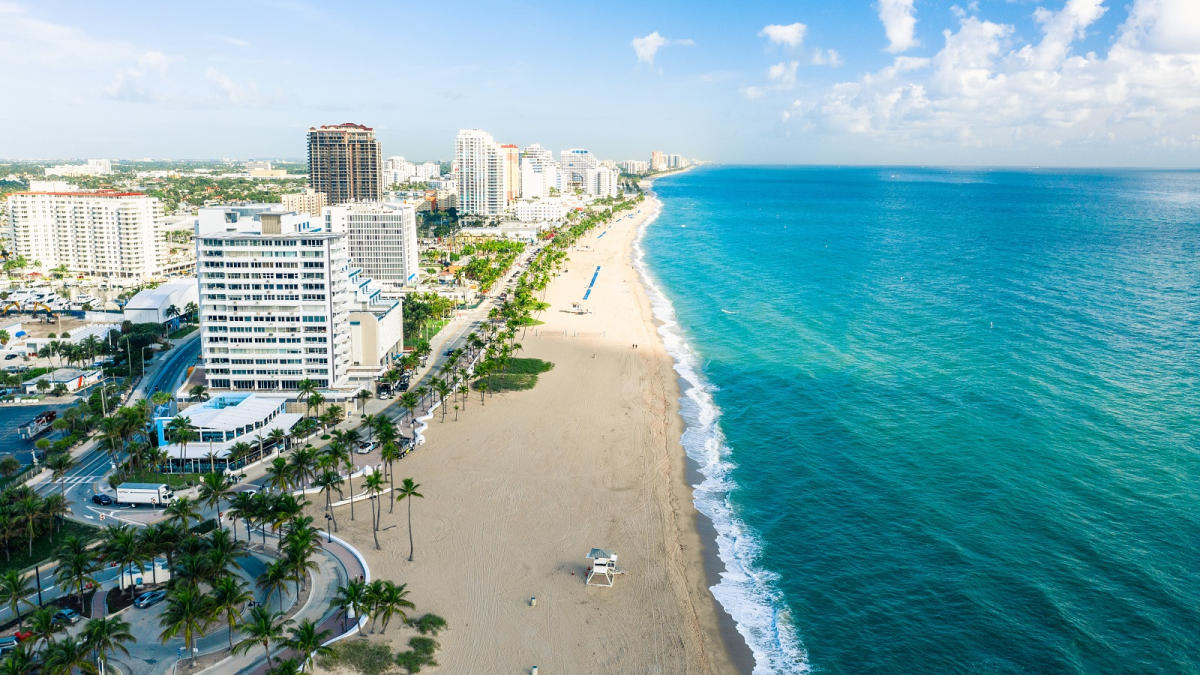
Often dubbed the “Venice of America” due to its intricate network of canals and waterways, Fort Lauderdale offers a slightly more relaxed pace than its southern neighbor. The city is a paradise for those who love boating, beautiful beaches, and outdoor activities.
- Key Attractions: The iconic Las Olas Boulevard is a must-visit, boasting an array of boutiques, art galleries, and acclaimed restaurants, perfect for an evening stroll or a gourmet meal. Fort Lauderdale Beach provides miles of pristine sands and warm Atlantic Ocean waters, ideal for sunbathing, swimming, or water sports. For nature enthusiasts, Hugh Taylor Birch State Park offers a tranquil oasis with nature trails, canoeing, and picnicking opportunities. The Riverwalk Arts & Entertainment District is home to the Broward Center for the Performing Arts and the Museum of Discovery and Science, providing cultural enrichment for all ages.
- Lifestyle: Fort Lauderdale’s lifestyle leans towards upscale casual, with a strong emphasis on outdoor living, yachting, and a vibrant culinary scene that ranges from fresh seafood shacks to fine dining establishments. It’s a city that effortlessly blends resort-style luxury with a laid-back coastal vibe, making it popular for both family trips and romantic getaways.
- Accommodation: The city offers a wide array of accommodation options, from luxurious beachfront resorts like the Ritz-Carlton, Fort Lauderdale and the W Fort Lauderdale, to boutique hotels along the canals, and various vacation rentals suitable for long-term stays. Many hotels boast stunning ocean views and amenities such as private pools, spa services, and direct beach access.
Miami: The Magic City’s Allure
Just a short drive south, Miami explodes with a captivating blend of Latin American energy, Art Deco glamor, and a relentless beat that keeps the city alive day and night. It’s a global hub for art, fashion, culture, and entertainment, drawing visitors from all corners of the world.
- Key Attractions: South Beach is synonymous with Miami, famous for its pastel-hued Art Deco Historic District, iconic lifeguard stands, and vibrant scene. Ocean Drive pulses with energy, lined with trendy restaurants and bars. For art lovers, the Wynwood Walls offer an immersive outdoor street art experience, while the Pérez Art Museum Miami (PAMM)) and the Phillip and Patricia Frost Museum of Science provide world-class cultural insights. Little Havana invites visitors to immerse themselves in Cuban culture, from the aroma of freshly brewed coffee to the rhythm of salsa music. Biscayne National Park offers an incredible natural escape, with opportunities for snorkeling, kayaking, and exploring the diverse marine ecosystem.
- Lifestyle: Miami’s lifestyle is dynamic and cosmopolitan, known for its high fashion, cutting-edge culinary scene, and electrifying nightlife, particularly in areas like South Beach and Brickell. It caters to luxury travel, business stays, and those seeking an energetic urban experience, but also offers budget-friendly options and family attractions.
- Accommodation: The range of accommodation in Miami is vast, from opulent resorts like Fontainebleau Miami Beach and The Setai, to chic boutique hotels in South Beach, to business-oriented hotels in downtown Miami and Brickell. There are also numerous apartments and villas available for short-term and long-term stays, particularly appealing for those looking for more space or a home-away-from-home experience. Reviews and comparison tools are essential for booking the perfect fit.
Making the Most of Your Journey: Tips for Travelers
Seamless travel between Fort Lauderdale and Miami is not just about knowing the distance or choosing a mode of transport; it’s also about strategic planning and embracing local insights. By considering your accommodation options, understanding the best times to visit, and being aware of cultural nuances, you can transform a simple transit into an integral and enjoyable part of your South Florida adventure.
Accommodation Choices: From Luxury to Budget
Choosing the right accommodation significantly impacts your travel experience and budget. Both Fort Lauderdale and Miami boast an impressive spectrum of lodging, catering to every traveler’s needs and desires.
- Luxury Travel: For those seeking opulent experiences, beachfront resorts in Fort Lauderdale like the Pelican Grand Beach Resort offer private balconies with ocean views and world-class amenities. In Miami, South Beach is home to iconic luxury hotels such as The Breakers or The Betsy Hotel, renowned for their design, service, and prime locations. These establishments often feature gourmet dining, exclusive spa services, and direct access to pristine beaches.
- Budget Travel: Travelers on a tighter budget will find a variety of options, including well-regarded chain hotels located slightly away from the immediate beachfront, as well as charming guesthouses and hostels in both cities. Websites specializing in accommodation booking are invaluable for comparing prices, reading reviews, and finding deals. Look for properties near Tri-Rail or Brightline stations for easy access to inter-city transport.
- Family Trips: Resorts and hotels catering specifically to families often provide larger suites, kid-friendly pools, and planned activities. Vacation rentals, including apartments and villas, are also an excellent choice for families, offering more space, kitchen facilities, and a sense of home. Look for options with amenities like laundry services and proximity to family attractions.
- Business Stays & Long-term Stays: Many downtown hotels in both Fort Lauderdale and Miami are equipped with business centers, meeting rooms, and executive lounges. For longer visits, serviced apartments or extended-stay hotels offer practical solutions, often including kitchenettes and living areas, providing comfort and convenience for those requiring more than a traditional hotel room.
Seamless Travel Planning & Local Insights
Effective planning is paramount for a stress-free journey.
- Best Time to Visit: The peak tourist season in South Florida is typically from November to April, offering cooler, drier weather perfect for outdoor activities. This also means higher prices for flights and accommodation, and more crowded attractions. Shoulder seasons (late April to May, and September to October) can offer a good balance of pleasant weather and fewer crowds. Summer is hot and humid with a higher chance of rain, but also offers the lowest prices.
- Booking in Advance: Especially during peak season or for special events (like Art Basel in Miami), booking your flights, hotels, and even popular tours well in advance is highly recommended to secure the best rates and availability. Utilizing comparison websites can help ensure you’re getting a competitive deal.
- Local Culture and Food: Embrace the distinct cultural vibes of each city. In Fort Lauderdale, enjoy fresh seafood and explore the arts scene along Las Olas Boulevard. In Miami, dive into the vibrant Latin American culinary landscape in Little Havana or experience the high-energy dining of South Beach. Don’t hesitate to ask locals for recommendations – they often know the best hidden gems.
- Safety Tips: As with any major urban area, remain aware of your surroundings, especially at night. Utilize reputable transportation services, secure your valuables, and follow general travel safety guidelines.
- Flexibility: While planning is key, allow for some flexibility in your itinerary. South Florida is full of unexpected delights, and a willingness to deviate from the plan can lead to some of the most memorable experiences, from stumbling upon a local festival to discovering a secluded beach.
In conclusion, the journey between Fort Lauderdale and Miami is much more than a simple commute. It’s an opportunity to experience the diverse beauty and culture of Florida’s southeastern coast, offering a blend of relaxation, adventure, and urban excitement. By leveraging the efficient transportation networks and planning with an awareness of each city’s unique charm, travelers can seamlessly connect these two magnificent destinations and curate an unforgettable travel story.
LifeOutOfTheBox is a participant in the Amazon Services LLC Associates Program, an affiliate advertising program designed to provide a means for sites to earn advertising fees by advertising and linking to Amazon.com. Amazon, the Amazon logo, AmazonSupply, and the AmazonSupply logo are trademarks of Amazon.com, Inc. or its affiliates. As an Amazon Associate we earn affiliate commissions from qualifying purchases.