
The sun-drenched shores of Florida beckon travelers with their diverse offerings, from the vibrant pulse of Miami to the laid-back charm of Key West. For many planning a journey through this captivating state, a common question arises: “How far is Miami, Florida from Key West, Florida?” This distance, while seemingly straightforward, unlocks a world of exploration, revealing scenic drives, unique attractions, and the distinct cultural tapestry that bridges these two iconic destinations. The answer isn’t just a number; it’s an invitation to embark on an unforgettable adventure through the Florida Keys.
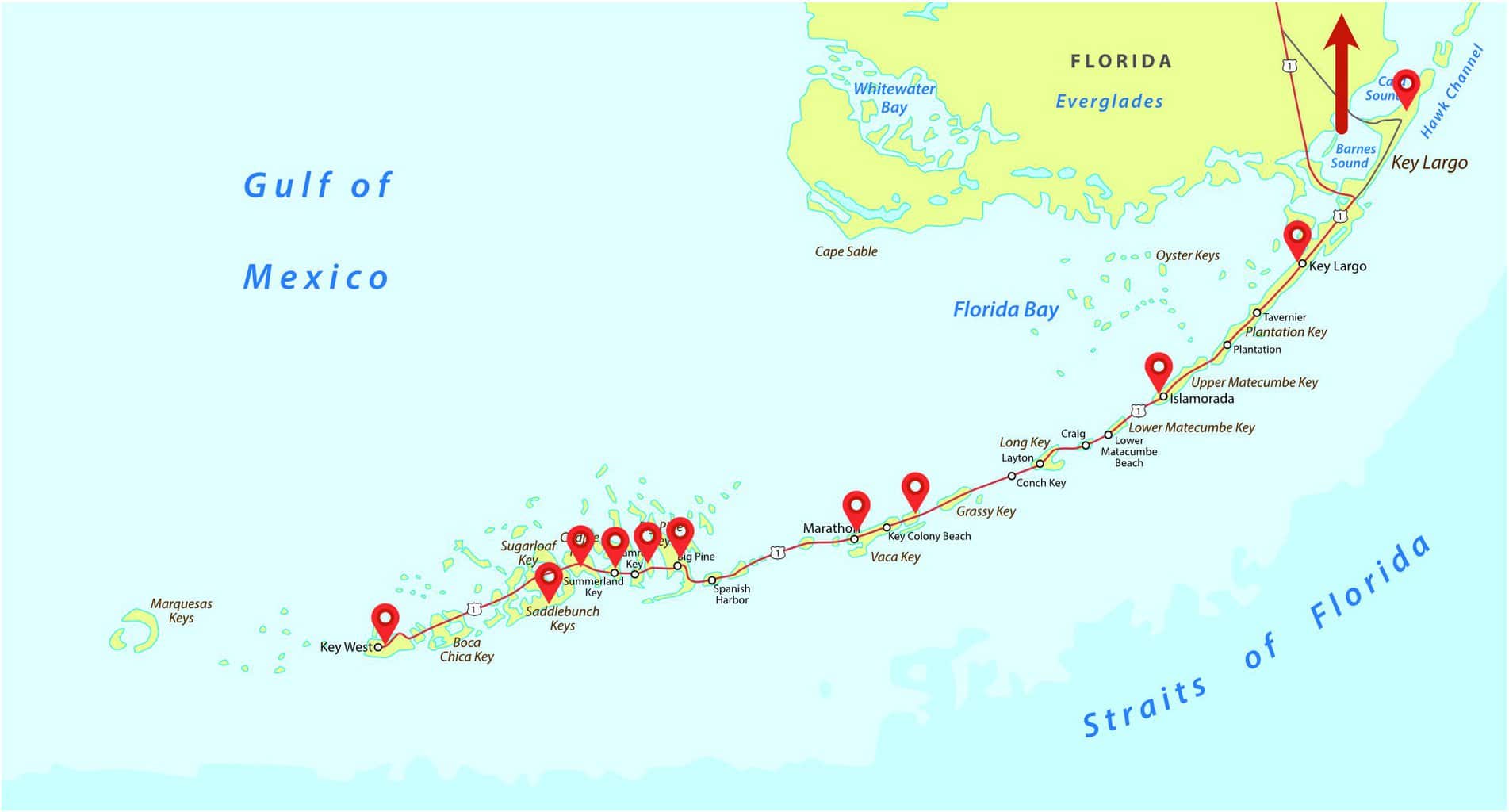
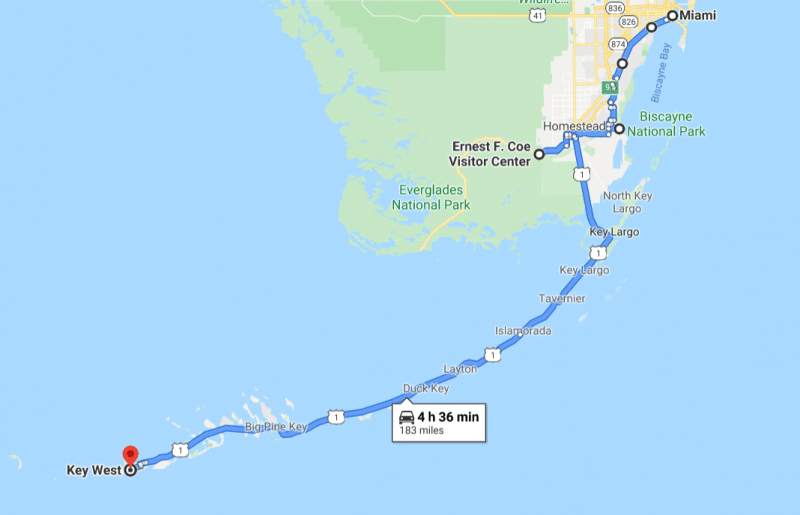
The primary mode of travel connecting Miami and Key West is undoubtedly by road, traversing the legendary Overseas Highway. This engineering marvel, stretching approximately 160 miles (about 257 kilometers), is more than just a route; it’s an experience. The drive itself is a significant part of the allure, winding through a chain of islands, each with its own character and charm. Expect the journey to take anywhere from 3.5 to 4 hours of continuous driving, without any stops. However, this is rarely the case for travelers seeking to truly savor the Florida Keys. Many opt to break up the drive, transforming it into a multi-day exploration, allowing them to discover the hidden gems scattered along the way.
The Journey: Navigating the Overseas Highway
The adventure from Miami to Key West begins as you leave the bustling metropolis and head south towards the archipelago. The Overseas Highway, primarily US Route 1, is your gateway to paradise. This historic highway, built upon the remnants of Henry Flagler’s Overseas Railroad, offers breathtaking panoramic views of the turquoise waters, dotted with lush green islands. The drive is an integral part of the Florida Keys experience, offering a visual feast that changes with every mile.
Driving Time and Distance
As mentioned, the direct driving time between Miami and Key West is typically around 3.5 to 4 hours. The total distance is approximately 160 miles. However, this figure is a baseline for uninterrupted travel. The reality for most travelers is a much more immersive journey. Speed limits vary along the route, with sections of the Overseas Highway having lower limits to ensure safety on the bridges and through the island towns. Factor in potential traffic, especially when departing Miami or approaching Key West during peak travel times, and the drive can easily extend.
Experiencing the Scenic Drive
The beauty of the Overseas Highway lies in its uninterrupted vistas of the Atlantic Ocean and the Gulf of Mexico. The highway itself is an attraction, with seven different bridges, each offering unique perspectives. The iconic Seven Mile Bridge is a highlight, a testament to human ingenuity and a gateway to the lower keys. As you progress south, the landscape transforms. Florida City marks the southern edge of mainland Florida, and from here, the true island-hopping begins.
- Homestead and Florida City: These are often the last major urban centers before embarking on the island chain. Many travelers fuel up, grab last-minute snacks, and stock up on essentials here.
- Key Largo: The “Dive Capital of the World,” Key Largo is the first island you’ll encounter. It offers opportunities for snorkeling, diving, and exploring the vibrant marine life at John Pennekamp Coral Reef State Park.
- Islamorada: Known as the “Fishing Capital of the World,” Islamorada is a paradise for anglers and offers a more relaxed vibe. It’s also home to the Theater of the Sea, a marine mammal park.
- Marathon: Situated in the middle keys, Marathon is a popular stop for its beautiful beaches and the Dolphin Research Center. It’s also home to the Pigeon Key Foundation, offering a glimpse into the history of the Overseas Railroad.
- Big Pine Key: Famous for its protected Key Deer, Big Pine Key offers a more natural and less developed feel. The National Key Deer Refuge is a must-visit for wildlife enthusiasts.
- Lower Keys: As you approach Key West, the islands become smaller and more numerous, each offering a unique charm.
Travel Options and Considerations
While the drive is the most popular way to travel between Miami and Key West, other options exist, each with its own set of advantages and considerations. Understanding these alternatives can help you tailor your trip to your specific needs and preferences, whether you’re seeking a luxurious escape or a budget-friendly adventure.
Driving Your Own Vehicle
For many, the freedom of a road trip is unparalleled. Driving your own car or a rental vehicle offers the flexibility to stop whenever and wherever you please. This is particularly appealing for those who want to explore the various attractions and smaller towns along the Overseas Highway.
- Pros: Ultimate flexibility, ability to carry more luggage, opportunity for spontaneous stops, cost-effective for groups or families.
- Cons: Parking can be challenging and expensive in Key West, potential for traffic delays, fuel costs.
When planning your drive, consider the time of year. The weather in Florida can be quite variable. The dry season, from roughly November to April, generally offers pleasant temperatures and less humidity, making it ideal for outdoor activities and scenic drives. The wet season, from May to October, can bring heavy rainfall and higher temperatures, though afternoon thunderstorms are common and often short-lived. Hurricane season, officially from June 1st to November 30th, also warrants attention, and it’s advisable to stay informed about weather forecasts if traveling during this period.
Shuttle Services and Guided Tours
If you prefer not to drive, several shuttle services and guided tours operate between Miami and Key West. These services can be a convenient option, especially if you plan to enjoy the local libations in Key West.
- Shuttle Services: These typically offer direct transportation from Miami (often from airports or designated pick-up points) to Key West. They are a good compromise between driving yourself and flying.
- Pros: Relaxing journey, no need to worry about navigation or parking, often more affordable than flying.
- Cons: Less flexibility in terms of stops, fixed departure and arrival times.
- Guided Tours: These can range from day trips to multi-day excursions, often including stops at popular attractions along the way. Some tours may even offer overnight stays in the keys.
- Pros: Informative commentary, curated itinerary, often includes entrance fees to attractions, no planning required.
- Cons: Can be more expensive, less freedom to explore independently.
Popular tour operators often include stops at Key Largo for snorkeling or glass-bottom boat tours, and at Marathon for a chance to see the Dolphin Research Center. Some longer tours might even include kayaking excursions or visits to historical sites.
Flying to Key West
While there are no direct commercial flights from Miami International Airport (MIA) to Key West International Airport (EYW) for most major airlines, some smaller carriers or charter services might offer this route. However, for most travelers, flying would involve a connecting flight, often through another Florida city, or driving to Miami and then catching a flight from Key West.
- Pros: Fastest way to reach Key West if direct flights were readily available, can be cost-effective if booked in advance.
- Cons: Limited direct flight options from Miami, potential for expensive last-minute bookings, requires transportation from Key West airport to your accommodation.
Given the relatively short distance and the scenic nature of the drive, flying is generally not the most practical or enjoyable option for traveling between Miami and Key West unless time is extremely limited.
Accommodations and Experiences in Key West
Once you’ve made the journey from Miami to Key West, you’ll find a wealth of accommodations and experiences awaiting you. Key West is renowned for its unique atmosphere, historic architecture, and vibrant nightlife. Whether you’re seeking luxury or a budget-friendly stay, there’s something for everyone.
Lodging Options
Key West offers a diverse range of lodging, from charming bed and breakfasts to luxurious resorts and private villas.
- Hotels and Resorts: Many establishments are located in or near the historic district, offering easy access to attractions.
- The Marquesa Hotel: Known for its historic charm and excellent dining.
- Sunset Key Cottages: A luxurious private island resort offering an exclusive experience.
- The Southernmost Beach Resort: Located at the southern end of Key West, offering beautiful ocean views.
- Kimpton Winslow’s बंगले: A boutique hotel with a historic feel.
- Guesthouses and Bed & Breakfasts: These often provide a more intimate and personalized experience, reflecting the island’s laid-back ambiance. Many are housed in beautifully restored Victorian homes.
- Vacation Rentals and Apartments: For longer stays or families, renting a villa or apartment can offer more space and the convenience of a kitchen.
When booking your accommodation, consider its location relative to your interests. Staying near Duval Street offers proximity to nightlife and restaurants, while locations slightly further afield might provide a more peaceful retreat. Many accommodations offer amenities like swimming pools, complimentary breakfast, and bicycle rentals, which are a popular way to explore the compact island.

Must-Do Activities and Landmarks
Key West is brimming with attractions and activities that cater to a wide array of interests. From historical sites to natural wonders, there’s no shortage of things to see and do.
- Mallory Square Sunset Celebration: A daily ritual where street performers, artisans, and locals gather to watch the sunset over the Gulf of Mexico. It’s a quintessential Key West experience.
- Ernest Hemingway Home and Museum: Visit the former residence of the Nobel Prize-winning author and see the famous six-toed cats.
- The Little White House: The winter residence of President Harry S. Truman, offering a glimpse into presidential history.
- Fort Zachary Taylor State Park: A historic fort and a popular spot for swimming, snorkeling, and picnicking.
- Duval Street: The heart of Key West‘s entertainment district, famous for its lively bars, restaurants, and unique shops.
- Key West Butterfly and Nature Conservatory: A magical indoor rainforest habitat filled with hundreds of exotic butterflies.
- Mel Fisher Maritime Museum: Explore artifacts salvaged from shipwrecks, including famous treasure.
Key West offers a unique blend of history, culture, and natural beauty, making the journey from Miami a rewarding adventure. Whether you choose to make the drive in one go or transform it into a multi-day exploration, the path to Key West is as memorable as the destination itself. The distance, approximately 160 miles, is a small price to pay for the unforgettable experiences that await you in this charming island paradise.