
Traveling between two of Florida’s most dynamic and popular cities, Miami and Tampa, is a common journey for both tourists and residents alike. While both boast unique charms, from Miami’s vibrant cultural scene and stunning beaches to Tampa’s historic districts, burgeoning food scene, and family-friendly attractions, understanding the distance and various travel options is key to planning a seamless trip. This guide delves into the precise logistics of traversing the Sunshine State, offering insights into routes, travel times, and modes of transport.
The Straightforward Route: Distance and Driving Time
The most common and often preferred method of travel between Miami and Tampa is by car. The journey offers a direct insight into Florida’s diverse landscapes, from the bustling urban corridors to the vast, flat expanses of the interior.

Unpacking the Miles: Road vs. Air
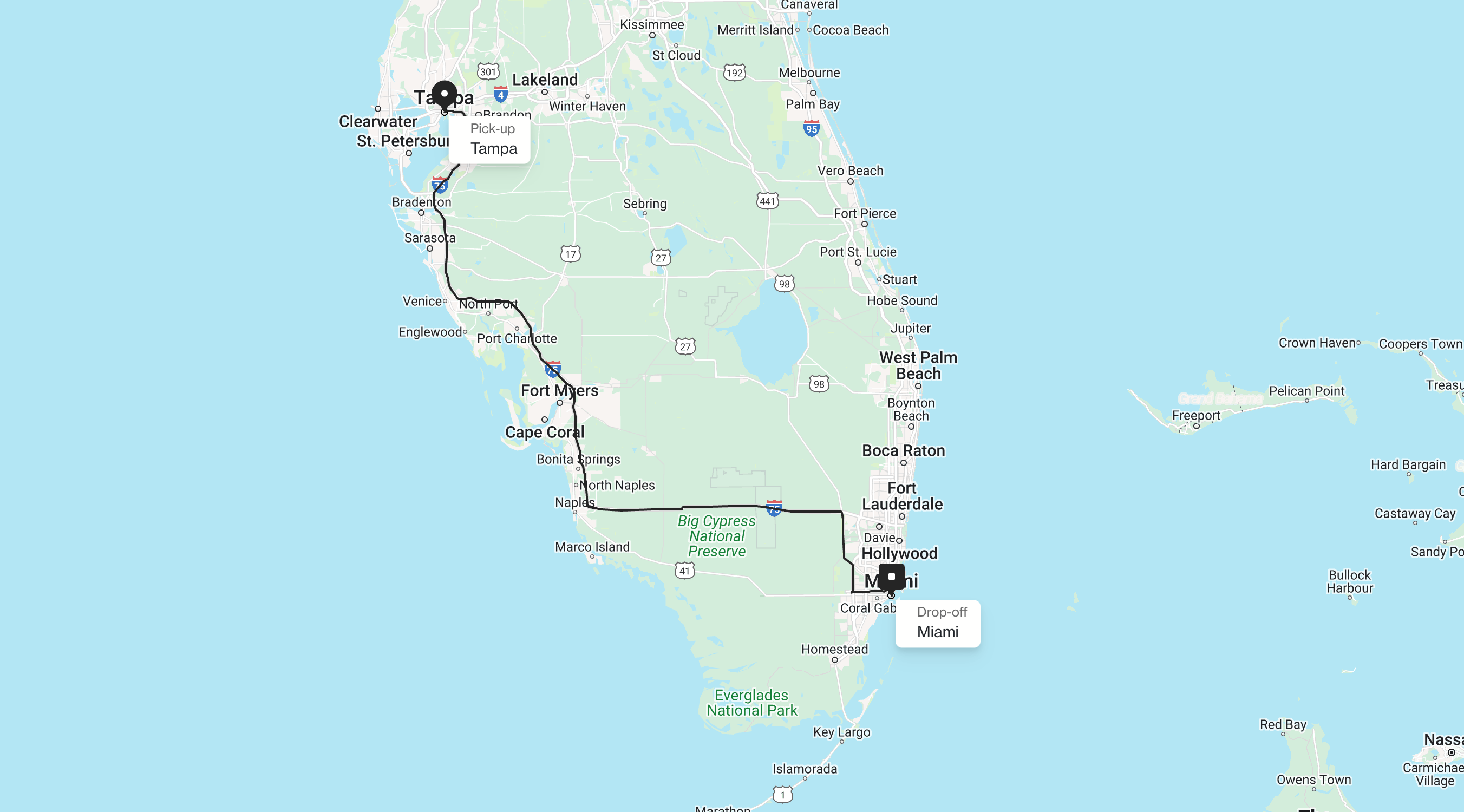
The direct, “as the crow flies” distance between Miami and Tampa is roughly 200 miles (322 kilometers). However, ground travel naturally follows existing road networks, which invariably adds to the overall mileage. The typical driving distance spans approximately 280 to 290 miles (450 to 467 kilometers), depending on the specific starting and ending points within each metropolitan area and the chosen route.
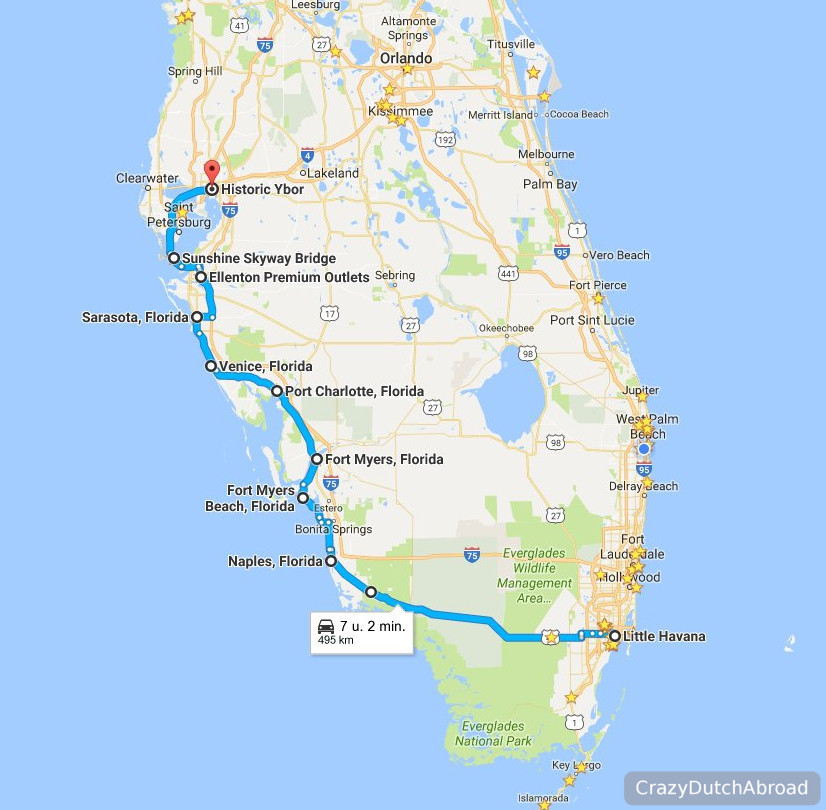
The primary route connecting these two major cities involves utilizing Interstate 75 for a significant portion of the drive. From Miami, travelers typically head west on I-75, which then turns north after crossing the state. This segment of I-75 between Naples and Fort Lauderdale is famously known as “Alligator Alley,” cutting directly through the Everglades. Another common approach for those starting further north or east of Miami might involve portions of Florida’s Turnpike before connecting to I-75.
Estimating Travel Duration
Under ideal driving conditions—minimal traffic, no significant construction, and optimal weather—the drive between Miami and Tampa can be completed in approximately 3.5 to 4.5 hours. However, it is crucial to factor in variables that can significantly extend this duration.
Traffic is the most unpredictable and impactful factor. Both Miami and Tampa are large metropolitan areas known for their rush hour congestion, especially during weekday mornings (7:00 AM – 9:00 AM) and afternoons (4:00 PM – 6:00 PM). Weekends, particularly holiday weekends, can also see increased traffic volume on I-75 as people travel to and from coastal destinations. Therefore, planning your departure to avoid these peak times can save considerable time and frustration.
Tolls are another consideration. Traveling on Alligator Alley and sections of Florida’s Turnpike involves tolls. While these roads are generally well-maintained and offer efficient travel, the cost should be accounted for. Many toll booths in Florida are electronic, requiring a SunPass transponder or “Tolls By Mail” billing, so it’s wise to be prepared for cashless tolls. Stops for fuel, food, or rest breaks will naturally add to the overall travel time, so a realistic estimate for a comfortable drive with one or two stops would typically be closer to 5 hours.
Comprehensive Transportation Options Between Florida’s Major Hubs
While driving is the most common, a range of transportation options exists for traveling between Miami and Tampa, each with its own advantages regarding cost, convenience, and travel experience.
Driving: The Most Popular Choice
The flexibility offered by driving makes it an appealing option for many. It allows travelers to set their own schedule, make spontaneous stops, and carry more luggage without extra fees. Rental cars are widely available at both Miami International Airport (MIA) and Tampa International Airport (TPA), as well as various city locations. However, as noted, the potential for traffic delays and the cost of tolls and fuel can accumulate. For families or groups, sharing the cost of a rental car and fuel often makes driving the most economical per-person choice. Utilizing a GPS system that includes real-time traffic updates is highly recommended to navigate potential bottlenecks and select the most efficient route.
Bus Services: Budget-Friendly and Convenient
For those seeking a more economical alternative to driving, intercity bus services provide a viable option. Companies like Greyhound and FlixBus operate multiple daily routes between Miami and Tampa.
Bus journeys typically take longer than driving, often ranging from 5 to 7 hours, depending on the number of stops and the specific route. This duration includes time spent at various terminals for passenger pick-ups and drop-offs. While the travel time is longer, the primary advantage is cost savings, as bus tickets are generally significantly cheaper than fuel, tolls, and car rental expenses. Furthermore, passengers can relax, work, or enjoy the scenery without the stress of driving. Departure and arrival points are usually at central bus stations in each city, which are often accessible via local public transport or rideshare services.
Rail Travel: A Relaxed Alternative
Amtrak offers train service between Miami and Tampa via its Silver Star route. This option provides a unique and often more relaxed travel experience compared to driving or bus travel. The main stations are MiamiCentral in Miami and Tampa Union Station in Tampa.
However, train travel between these two cities is considerably slower than other modes. Due to the rail network’s routing, which often takes a more inland and circuitous path, and the numerous stops along the way, the journey can take anywhere from 6 to 8 hours or even longer. Despite the longer duration, passengers can enjoy spacious seating, dining car services, and the ability to move around during the trip. This can be an attractive option for those who prefer not to drive, enjoy the tranquility of train travel, or are looking for a more environmentally conscious way to travel. Tickets should be booked in advance for the best fares and availability.
Flying: The Fastest, But Not Always the Quickest Door-to-Door
For the absolute quickest travel time between the two cities in terms of actual transit, flying is the top choice. Direct flights typically last around 1 hour. Major airports serving the Miami area include Miami International Airport (MIA) and Fort Lauderdale-Hollywood International Airport (FLL), while Tampa is served by Tampa International Airport (TPA) and St. Pete–Clearwater International Airport (PIE).
However, it’s crucial to consider the total door-to-door travel time. This includes getting to the airport, check-in, security screening, potential delays, boarding, flight time, deplaning, baggage claim, and finally, transport from the arrival airport to your final destination. When all these factors are combined, the total time for flying can easily add up to 3 to 5 hours, making it comparable to, or sometimes even longer than, a direct drive during non-peak hours. The cost of flights can also vary dramatically, sometimes being more expensive than driving, especially if booking last minute or during peak travel seasons. However, for those prioritizing speed for the flight segment itself, or for business travelers with tight schedules, flying remains an excellent option.
Enhancing Your Journey: Stops and Scenic Detours
While the primary goal might be to get from Miami to Tampa, the journey itself can be an integral part of the travel experience, especially if you opt for driving. Florida’s unique geography offers several fascinating points of interest along or near the direct routes.
Coastal Gems and Nature Escapes
If time allows for a detour, particularly on the Gulf Coast side, cities like Naples, Fort Myers, and Sarasota offer stunning beaches, vibrant arts scenes, and excellent dining. While these detours add significant time (using US-41 or US-19 instead of I-75 for extended periods), they transform a simple drive into a multi-destination adventure.
Closer to the main route, a quintessential Florida experience awaits at the Everglades National Park. Alligator Alley traverses the northern edge of this vast wetland ecosystem, and several exits provide access to visitor centers, airboat tours, and walking trails. It’s an unparalleled opportunity to witness Florida’s unique wildlife, including alligators, birds, and even the elusive Florida panther, making for an unforgettable stop.
Urban Explorations Mid-Journey
For those heading north from Miami or looking for a different vibe before turning west, a stop in Fort Lauderdale can be a rewarding experience. Known as the “Venice of America” due to its extensive canal system, Fort Lauderdale offers beautiful beaches, a lively Las Olas Boulevard, and a sophisticated culinary scene. It’s a quick and easy detour from I-95 before connecting to I-75 or Florida’s Turnpike for the westward leg of the journey. Even a brief stop to stretch your legs and grab a meal can break up the drive and add another dimension to your South Florida experience.
Choosing Your Optimal Travel Experience
The best way to travel from Miami to Tampa ultimately depends on individual priorities, whether they be speed, cost, comfort, or the desire for a scenic journey.
Prioritizing Convenience and Speed
If your absolute priority is the shortest time spent actively traveling between the two cities, a direct flight is unmatched, provided you account for airport logistics. For door-to-door convenience and flexibility, especially with luggage or multiple passengers, driving remains a strong contender, particularly outside of peak traffic hours. The direct I-75 route offers the most straightforward and fastest driving experience.
Balancing Budget and Flexibility
For budget-conscious travelers, intercity bus services like Greyhound or FlixBus are the most economical choice. While they require more travel time, the cost savings can be significant. If you’re traveling with a group or family, sharing fuel and toll costs in a personal vehicle can also prove to be very cost-effective and offers unmatched flexibility to stop whenever desired.
Seeking Comfort and Relaxation
For those who prefer a journey without the stresses of driving, or who simply enjoy the experience of rail travel, Amtrak’s Silver Star provides a comfortable and relaxing alternative. Though it is the slowest option, the ability to stretch out, enjoy onboard amenities, and watch the Florida landscape pass by can be a welcome escape from highway traffic.
Ultimately, the distance between Miami and Tampa is substantial enough to warrant careful consideration of your travel method. Each option offers a distinct set of trade-offs, making the “best” choice a personal one. By understanding the mileage, estimated travel times, and available transportation, you can confidently plan a trip that perfectly aligns with your travel style and preferences.
LifeOutOfTheBox is a participant in the Amazon Services LLC Associates Program, an affiliate advertising program designed to provide a means for sites to earn advertising fees by advertising and linking to Amazon.com. Amazon, the Amazon logo, AmazonSupply, and the AmazonSupply logo are trademarks of Amazon.com, Inc. or its affiliates. As an Amazon Associate we earn affiliate commissions from qualifying purchases.