
The allure of the Bahamas has long captivated residents and visitors of Miami. With its crystalline waters, vibrant coral reefs, and laid-back island charm, the archipelago represents a readily accessible tropical escape for those in South Florida. Understanding the distance, travel times, and various transportation options is key to planning a seamless getaway. This guide delves into the geographical proximity and logistical considerations for journeying from Miami to the Bahamas, focusing on the practicalities of making this dream vacation a reality.
Geographical Proximity and Key Distances
The Bahamas is an archipelago consisting of over 700 islands and cays, spread across the Atlantic Ocean. The closest islands to Miami lie in the northwestern part of the chain, commonly referred to as the Abaco Islands and Grand Bahama Island.

The Northern Bahamas: Closest Neighbors
The most direct and commonly traveled routes from Miami are to Grand Bahama Island and the Abaco Islands.
- Miami to Freeport, Grand Bahama Island: This is arguably the shortest and most popular route. The direct distance between Miami and Freeport on Grand Bahama Island is approximately 180-200 miles (290-320 kilometers). This relatively short distance makes it an ideal destination for weekend trips and short breaks.
- Miami to the Abaco Islands: The Abaco Islands, a chain of roughly 120 islands and cays, are also in close proximity. Key destinations within the Abacos such as Marsh Harbour are around 200-220 miles (320-355 kilometers) from Miami. The larger islands like Great Abaco offer a more extensive experience with diverse attractions.
Distances to Other Popular Islands
While the northern islands are the closest, Miami serves as a convenient hub for reaching other popular Bahamian destinations, though these involve slightly longer travel times and potentially more complex itineraries.
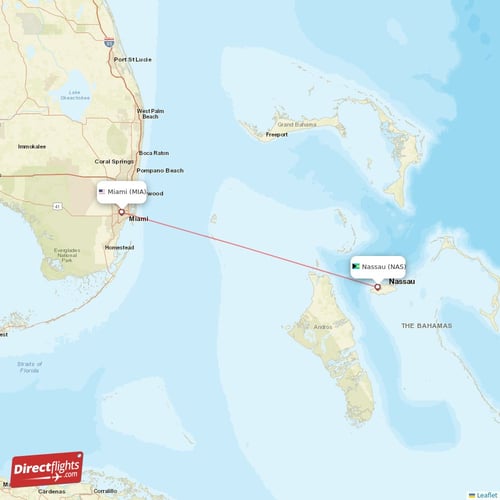
- Miami to Nassau, New Providence Island: Nassau, the capital city and a major tourist hub, is located on New Providence Island. The distance from Miami to Nassau is approximately 220-250 miles (355-400 kilometers). This is a very popular route, with frequent flights and ferry services.
- Miami to the Exuma Cays: The stunning Exuma Cays, famous for their swimming pigs and turquoise waters, are further south. The distance to Georgetown, the main settlement in Exuma, is roughly 350-400 miles (560-640 kilometers) from Miami. Reaching Exuma typically involves a flight, often with a connection in Nassau.
Travel Times and Modes of Transportation
The journey from Miami to the Bahamas can be accomplished through several modes of transport, each offering a different experience and time commitment.
Air Travel: The Fastest Route
For most travelers, flying is the most efficient way to reach the Bahamas from Miami.
-
Direct Flights: Numerous airlines offer direct flights from Miami International Airport (MIA) and Fort Lauderdale-Hollywood International Airport (FLL) to various Bahamian airports.
- Miami to Freeport (Grand Bahama Island): Flight times are typically around 45-60 minutes.
- Miami to Marsh Harbour (Abaco Islands): Direct flights can take approximately 50-70 minutes.
- Miami to Nassau (New Providence Island): These are very frequent and short flights, usually taking 45-60 minutes.
- Miami to Georgetown (Exuma): Direct flights are less common, but non-stop options can be around 1 hour 30 minutes. More commonly, a layover in Nassau will extend the total travel time.
-
Connecting Flights: For islands not served by direct routes, connections in Nassau or sometimes Freeport are standard. These can add several hours to the total travel time.
- Private Charters: For those seeking ultimate flexibility and convenience, private jet charters are available from Miami to many Bahamian destinations. This option significantly reduces travel time and eliminates airport wait times, but comes at a premium cost.
Sea Travel: A Scenic Alternative
While less common than flying for longer distances, sea travel offers a more leisurely and scenic approach to reaching the Bahamas from Miami.
-
Cruise Ships: Miami is a major departure point for Bahamian cruises. These typically visit ports like Nassau, Freeport, and private islands owned by cruise lines. Cruise durations vary from short weekend getaways to week-long itineraries, offering a comprehensive experience without the need for separate bookings for accommodation and dining. The journey to the Bahamas is part of the vacation itself, with multiple days often spent at sea or at various islands.
-
Ferries: For the closest destinations, such as Grand Bahama Island, ferry services have historically operated from Fort Lauderdale (which is in close proximity to Miami). These can take several hours, often a full day, but offer a more immersive experience of the ocean journey. However, ferry services can be subject to cancellations due to weather conditions. It’s crucial to check current schedules and availability.
-
Private Yachts and Boats: For experienced boaters or those chartering a vessel, sailing from Miami to the Bahamas is an adventurous option. The journey to Grand Bahama Island or the Abaco Islands can take anywhere from 10-15 hours or more, depending on boat speed and weather. This requires proper navigation skills, knowledge of Bahamian customs and immigration procedures, and significant preparation.
Planning Your Trip: Considerations and Tips
When planning a trip from Miami to the Bahamas, several factors come into play beyond just the distance.
Customs and Immigration
As you are traveling between countries, you will need to clear customs and immigration. For air travel, this is typically done upon arrival in the Bahamas. For those arriving by private boat or yacht, specific Bahamian port-of-entry procedures must be followed. U.S. citizens returning from the Bahamas will also need to clear U.S. Customs and Border Protection upon re-entry into the United States.
Weather and Seasonality
The weather in the Bahamas is generally warm and pleasant year-round. However, the peak tourist season runs from mid-December to mid-April, when temperatures are milder and humidity is lower. The hurricane season officially runs from June 1st to November 30th, with the highest risk typically occurring between August and October. Travelers should monitor weather forecasts closely, especially when planning sea travel or during these months.
Choosing Your Destination
The proximity to Miami makes Grand Bahama Island and the Abaco Islands excellent choices for shorter trips. If you’re seeking a more bustling city experience, Nassau on New Providence Island is a great option. For those looking for more remote, pristine beauty and opportunities for diving and fishing, the Exumas or other outer islands might be worth the slightly longer journey.

Budget and Logistics
- Flights: Prices for flights from Miami to the Bahamas can vary significantly based on the season, booking time, and airline. Booking in advance is generally recommended, especially during peak times.
- Accommodation: The Bahamas offers a wide range of accommodation options, from luxury resorts like Atlantis Paradise Island and Baha Mar in Nassau to charming boutique hotels and vacation rentals on the Out Islands. Prices will fluctuate based on location, amenities, and time of year.
- Activities: Popular activities include snorkeling, diving, fishing, exploring local markets, enjoying water sports, and simply relaxing on the numerous beaches. Researching and booking popular excursions in advance, especially during peak season, can be beneficial.
Understanding the distances and travel times from Miami is the first step in crafting an unforgettable Bahamian adventure. Whether you opt for a quick flight to the nearest shores or a more extensive cruise, the turquoise waters and warm hospitality of the Bahamas are well within reach.
LifeOutOfTheBox is a participant in the Amazon Services LLC Associates Program, an affiliate advertising program designed to provide a means for sites to earn advertising fees by advertising and linking to Amazon.com. Amazon, the Amazon logo, AmazonSupply, and the AmazonSupply logo are trademarks of Amazon.com, Inc. or its affiliates. As an Amazon Associate we earn affiliate commissions from qualifying purchases.