
Planning a trip across the diverse landscape of Florida often involves understanding the distances between its iconic cities. For many travelers, the journey from the vibrant southern metropolis of Miami to the legendary shores of Daytona Beach in the north-central part of the state is a common inquiry. Whether you’re a sun-seeker, a motorsports enthusiast, or simply exploring the Sunshine State, knowing the distance and the best ways to traverse it is crucial for a smooth and enjoyable experience. This guide will delve into the specifics of this journey, offering insights to help you plan your ideal Florida adventure.

The Straightforward Answer: Distance and Time
Understanding the exact distance and estimated travel time is the first step in planning any road trip or inter-city travel. The route between Miami and Daytona Beach connects two distinctly different, yet equally captivating, Florida experiences.
Direct Driving Distance
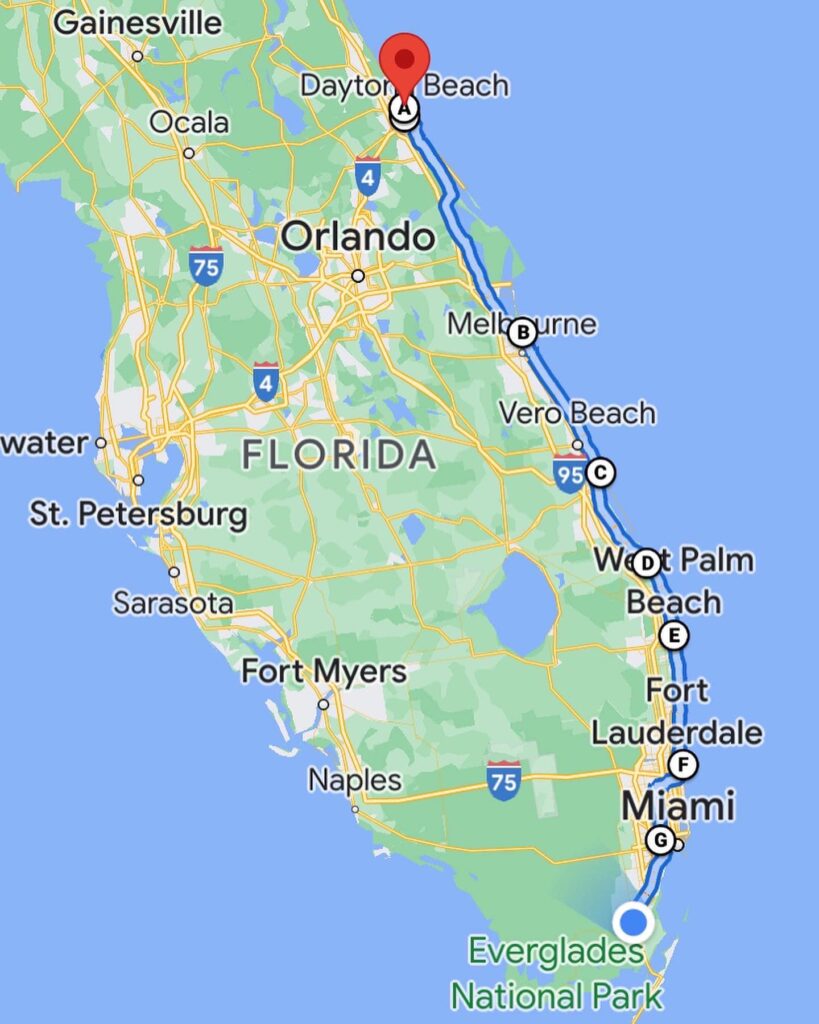
The most common and direct route connecting Miami to Daytona Beach primarily follows Interstate 95 (I-95) along Florida’s eastern coast. The approximate driving distance between these two cities is 255 to 265 miles (about 410 to 426 kilometers), depending on the specific starting and ending points within each metropolitan area. For example, if you’re departing from Downtown Miami and heading towards the heart of Daytona Beach near Daytona International Speedway, the distance will typically fall within this range.
Estimated Driving Time
While the mileage provides a clear picture of the distance, the time it takes to cover that distance is equally important. Under ideal driving conditions, meaning minimal traffic and no significant stops, the drive from Miami to Daytona Beach will generally take between 4 to 4.5 hours. This estimate assumes a steady cruising speed and efficient navigation.
However, it’s crucial to understand that “ideal conditions” are not always a guarantee. The actual time spent on the road can fluctuate significantly based on several factors, which brings us to our next point.
Factors Influencing Travel Time
Several elements can impact how long your journey will ultimately take. Being aware of these can help you better plan and set realistic expectations:
- Traffic Congestion: Florida’s major interstates, particularly I-95, can experience heavy traffic, especially during peak travel times such as morning and evening commutes in urban areas (Miami, Fort Lauderdale, West Palm Beach), weekends, and holidays. Significant delays can add an hour or more to your trip.
- Rest Stops and Breaks: A 4 to 4.5-hour drive is manageable for most, but taking breaks is essential for safety and comfort. Factoring in stops for fuel, food, stretching, or restroom breaks will naturally extend your travel time. A realistic estimation, including one or two short breaks, would push the total time closer to 5 to 5.5 hours.
- Road Construction: Florida is continuously undergoing infrastructure improvements. Encountering road construction zones, with reduced speed limits and lane closures, can cause unforeseen delays.
- Weather Conditions: Heavy rain, thunderstorms (common in Florida, especially in summer), or fog can necessitate slower driving speeds, thereby increasing travel time.
- Route Choice: While I-95 is the most direct, alternative routes like Florida’s Turnpike (a toll road) can sometimes offer less traffic and slightly faster travel, though it adds a few miles to the total distance. The Turnpike runs more inland and merges with I-95 south of Daytona Beach.
Exploring Your Travel Options
While driving is the most common method, it’s not the only way to travel between Miami and Daytona Beach. Each mode of transport offers distinct advantages and disadvantages, catering to different preferences and budgets.
Driving: The Most Popular Choice
Driving remains the preferred option for many, offering unparalleled flexibility and the ability to explore at your own pace.
- Pros: Freedom to stop whenever and wherever you please, ideal for carrying luggage, often more cost-effective for groups or families, and provides door-to-door convenience. You control your schedule.
- Cons: Can be tiring for a single driver, susceptible to traffic delays, parking challenges at destinations, and involves fuel costs, tolls (if using Florida’s Turnpike), and potential vehicle wear and tear.
- Route Options:
- I-95 North: The most direct and generally fastest route. It’s a major interstate, well-maintained, and offers numerous exits for fuel, food, and rest.
- Florida’s Turnpike (Toll Road): This route, accessible from Miami, heads more inland before eventually connecting to I-95 closer to Daytona Beach. While it might add a few miles, it often has less traffic than I-95, potentially making for a smoother, though tolled, journey.
Flying: Speed and Convenience
For those prioritizing speed above all else, flying is a viable, albeit less direct, option.
- Airports: You would typically fly from Miami International Airport (MIA) or Fort Lauderdale-Hollywood International Airport (FLL) to Orlando International Airport (MCO) or Orlando Sanford International Airport (SFB). Daytona Beach does have Daytona Beach International Airport (DAB), but direct flights from Miami are rare or non-existent, often requiring a connection, typically through Charlotte or Atlanta, which negates the time advantage.
- Flight Duration: A direct flight to Orlando (if available and cost-effective) would be around 1 hour. However, once you factor in travel to and from airports, security, check-in, and the additional 1-hour drive from Orlando to Daytona Beach, the total travel time can easily rival or exceed driving, making it less practical for this specific route unless connecting to further destinations.
- Cost Considerations: Flights generally tend to be more expensive than driving, especially when factoring in airport transfers, baggage fees, and potentially a rental car from Orlando to Daytona Beach.
Bus and Train: Budget-Friendly Alternatives
For travelers on a budget or those who prefer not to drive, intercity bus and train services offer alternatives.
- Bus Services: Companies like Greyhound operate routes between Miami and Daytona Beach. The journey typically involves one or more transfers and can take anywhere from 6 to 9 hours, depending on the route and connections. It’s usually the most economical option.
- Train Services: Amtrak provides service from Miami to DeLand (which is about 20-30 miles west of Daytona Beach). From DeLand, you would need to arrange an additional taxi or ride-share to reach Daytona Beach. The train journey itself can take approximately 5-6 hours. While it offers a more relaxed travel experience than driving, the total time including transfers can be comparable to or longer than driving directly.
Planning Your Trip: Essential Tips for a Smooth Journey
A well-planned journey ensures comfort, safety, and minimizes stress. Here are some essential tips for your trip between Miami and Daytona Beach.
Best Time to Travel
- Avoid Peak Traffic: If driving, try to depart early in the morning (before 7 AM) or later in the evening (after 7 PM) to bypass the worst of the commuter traffic in Miami, Fort Lauderdale, and West Palm Beach areas. Weekday travel generally has less recreational traffic than weekends.
- Seasonal Considerations: Florida experiences its peak tourist season during the winter months (November to April), especially around major holidays and Spring Break. This can mean heavier traffic and higher accommodation prices. Summer months, while hot and prone to afternoon thunderstorms, can offer lighter crowds (outside of specific events like Daytona Beach Bike Week or Daytona 500).
Vehicle Preparation and Rentals
- Pre-Trip Check: If driving your own car, ensure it’s in good condition. Check tire pressure, oil, coolant levels, and wiper fluid. Have a full tank of gas before you start.
- Rental Cars: If renting, choose a reputable company and book in advance, especially during peak season. Consider fuel efficiency and comfort for a longer drive. Ensure you understand their toll transponder policy if you plan to use Florida’s Turnpike or other toll roads without stopping.
Navigation Tools and Apps
- GPS and Smartphone Apps: Utilize modern navigation tools like Google Maps, Waze, or Apple Maps. These apps provide real-time traffic updates, suggest alternative routes to avoid delays, and indicate rest stop locations. Download offline maps if you anticipate areas with spotty cell service, although coverage is generally good along I-95.
- Toll Transponder: If using Florida’s Turnpike, consider an E-Pass or SunPass transponder to avoid stopping at toll booths and benefit from potential discounts. Most rental cars come equipped with a toll program, but verify the fees.
Accommodation Considerations
- Day Trip vs. Overnight Stay: For most, the drive is easily done in a single day. However, if you prefer a more leisurely pace or want to explore points in between, consider an overnight stay in a central Florida city like Orlando or one of the coastal towns.
- Booking Ahead: Regardless of your destination, booking your accommodation in Miami or Daytona Beach (or anywhere in between) in advance is always recommended, especially during peak travel times or major events.
Why Make the Trip? Highlights of Miami and Daytona
Both Miami and Daytona Beach offer unique Florida experiences, making the journey between them a popular one for travelers seeking diverse adventures.
Exploring Miami’s Vibrancy
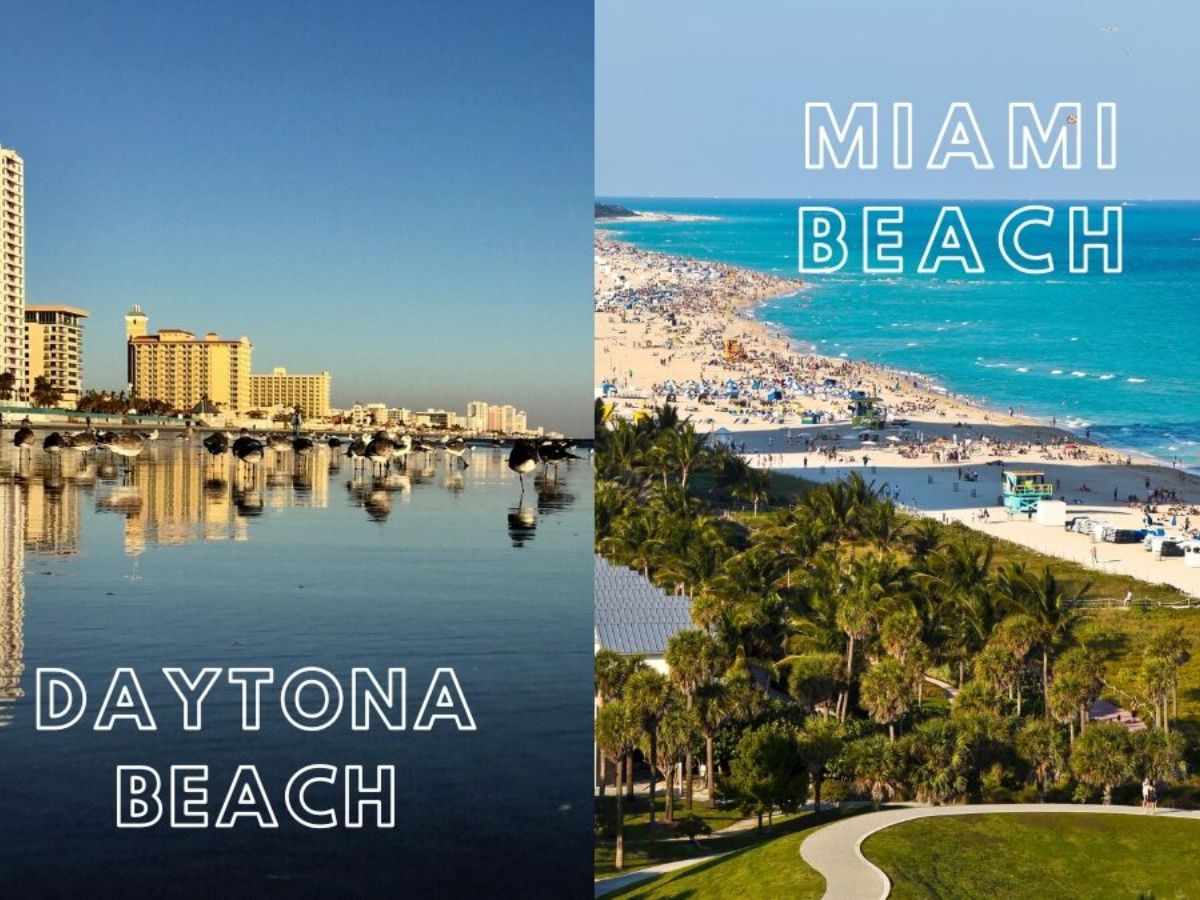
Miami is a global city, renowned for its dazzling nightlife, art deco architecture, and stunning beaches. It’s a melting pot of cultures, heavily influenced by its Latin American and Caribbean communities.
- Beaches: South Beach is iconic, famous for its white sands, clear waters, and vibrant scene. Other beautiful beaches include Key Biscayne and Sunny Isles Beach.
- Culture and Arts: Explore the colorful street art of Wynwood Walls, the Cuban heritage of Little Havana on Calle Ocho, or the upscale galleries of the Design District.
- Nightlife: From exclusive clubs in South Beach to rooftop bars overlooking the city, Miami truly comes alive after dark.
- Dining: A culinary paradise, Miami offers everything from gourmet dining to authentic street food, reflecting its diverse population.
Discovering Daytona’s Charm
Daytona Beach offers a different kind of Florida experience, steeped in motorsports history and family-friendly beach activities.
- The World’s Most Famous Beach: Daytona Beach is famous for its hard-packed sands where driving is permitted in designated areas. It’s a wide, expansive beach perfect for sunbathing, swimming, and various beach sports.
- Motorsports Mecca: Home to Daytona International Speedway, it hosts the iconic Daytona 500 and other major racing events. Even outside race season, you can take a tour of the track or visit the Motorsports Hall of Fame of America.
- Family Fun: The Daytona Beach Boardwalk and Pier offers amusement rides, arcades, and entertainment for all ages. Nearby attractions include the Marine Science Center and the Ponce de Leon Inlet Lighthouse & Museum, offering panoramic views.
- Nature and Outdoors: Beyond the beach, explore the calmer waters of the Intracoastal Waterway for boating, fishing, or kayaking.
In conclusion, the journey from Miami to Daytona Beach is a well-traveled route, easily manageable by car in a few hours. With proper planning and an understanding of the available transport options and potential delays, you can ensure a smooth transition from one incredible Florida destination to another, each promising a unique and memorable travel experience.
LifeOutOfTheBox is a participant in the Amazon Services LLC Associates Program, an affiliate advertising program designed to provide a means for sites to earn advertising fees by advertising and linking to Amazon.com. Amazon, the Amazon logo, AmazonSupply, and the AmazonSupply logo are trademarks of Amazon.com, Inc. or its affiliates. As an Amazon Associate we earn affiliate commissions from qualifying purchases.