
The journey from the vibrant metropolis of Miami to the laid-back, southernmost point of the continental United States, Key West, is one of Florida’s most iconic road trips. It’s a route that transforms from urban sprawl into a breathtaking aquatic panorama, promising an adventure as memorable as the destination itself. Understanding the distance and travel time is crucial for planning, but the true essence of this trip lies in the scenic Overseas Highway and the unique stops along the way.
The Scenic Journey Down U.S. 1: An Overview
The direct driving distance from Miami to Key West is approximately 160 miles (257 kilometers). While this might seem like a manageable distance, the time it takes to travel often extends beyond typical expectations due to the unique nature of the Overseas Highway, traffic patterns, and the irresistible urge to stop and explore.
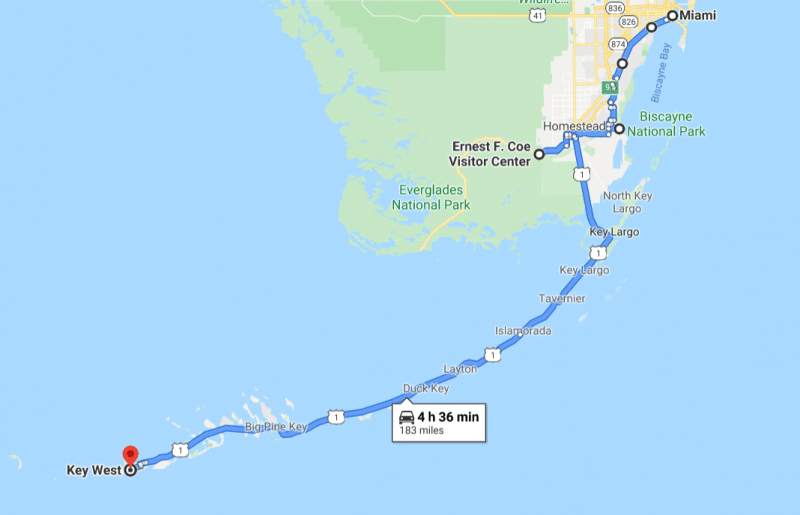
Under ideal conditions, a non-stop drive would take about 3.5 to 4 hours. However, this is rarely the reality. Most travelers budget at least 4.5 to 6 hours, allowing for minor traffic, a few short stops, and adherence to the generally lower speed limits that prevail throughout the Florida Keys. During peak tourist season, holidays, or weekends, travel times can stretch even further.
The vast majority of this journey is spent on U.S. 1, specifically the historic Overseas Highway, which snakes its way through the entire archipelago of the Florida Keys. This highway is an engineering marvel, featuring 42 bridges connecting the various islands, with the expansive turquoise waters of the Atlantic Ocean on one side and the Gulf of Mexico on the other. It’s less a highway and more a conduit to a different world, where the pace slows, and the horizon is almost always dominated by water.
Driving the Overseas Highway: The Ultimate Florida Keys Road Trip
Driving the Overseas Highway is not merely about reaching a destination; it is the destination itself for many. The road trip experience is integral to understanding the charm and allure of the Florida Keys.
The Route and Key Distances
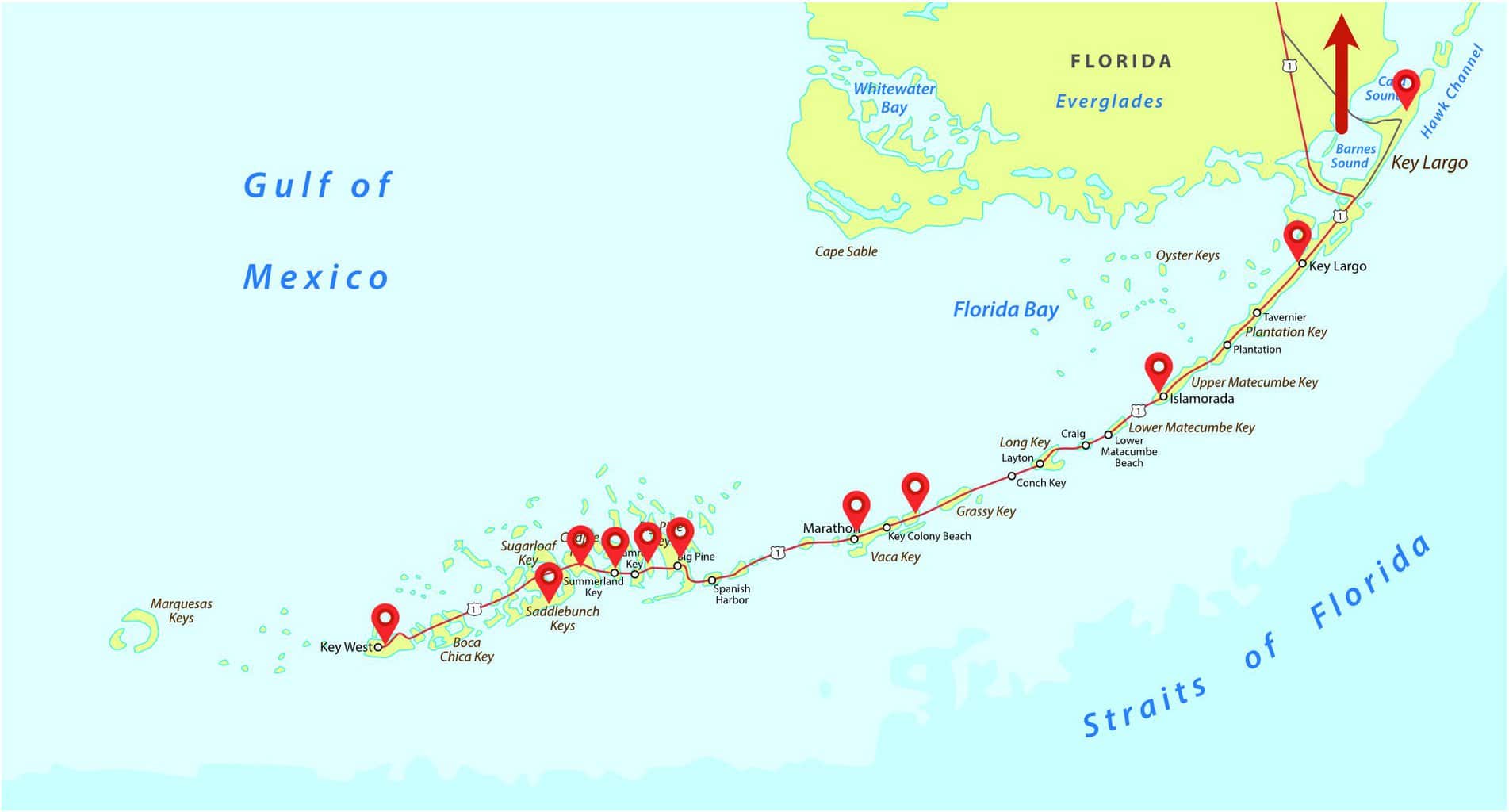
The journey can be broken down into several distinct segments, each with its own character:
- Miami to Key Largo (Approx. 60 miles / 1 hour 15 minutes): This initial stretch transitions from the bustling streets of Miami to the upper Keys. Key Largo is known as the “Dive Capital of the World” and marks the beginning of the true island experience.
- Key Largo to Islamorada (Approx. 20 miles / 30 minutes): A relatively short drive, this segment takes you through the “Sportfishing Capital of the World.” Islamorada offers excellent opportunities for fishing, watersports, and dining.
- Islamorada to Marathon (Approx. 40 miles / 50 minutes): This stretch covers the middle Keys and is home to the iconic Seven Mile Bridge. Marathon is a vibrant community with a strong marine industry and family-friendly attractions.
- Marathon to Key West (Approx. 50 miles / 1 hour 15 minutes): The final leg of the journey takes you through the lower Keys, including the picturesque Bahia Honda State Park, before culminating in the historic streets of Key West.
Must-See Stops and Experiences Along the Way
To truly appreciate the journey, plan for several stops. These are some of the most popular and worthwhile detours:
- John Pennekamp Coral Reef State Park (Key Largo): America’s first underwater park, offering incredible snorkeling, diving, and glass-bottom boat tours to explore vibrant coral reefs and marine life.
- Robbie’s of Islamorada: Famous for its unique opportunity to hand-feed massive tarpon right from the dock. It’s a thrilling experience and a fantastic photo opportunity.
- Dolphin Research Center (Grassy Key): An educational non-profit organization dedicated to marine mammal research and rescue, offering interactive programs and viewing of dolphins and sea lions.
- Seven Mile Bridge (Marathon): More than just a bridge, it’s a historic landmark. The views from the modern bridge are spectacular, stretching endlessly across the ocean. The old bridge runs parallel, offering a glimpse into the past and is a popular spot for fishing and walking.
- Bahia Honda State Park (Big Pine Key): Consistently ranked among the best beaches in the U.S., this park offers pristine sands, snorkeling, kayaking, and incredible views, including remnants of the original Overseas Railroad bridge.
- National Key Deer Refuge (Big Pine Key): Home to the endangered Key deer, a miniature deer subspecies. Visitors can often spot these unique creatures grazing along roadsides, particularly in the early morning or late afternoon.
Practical Driving Tips
Navigating the Overseas Highway is relatively straightforward, but a few considerations can enhance your trip:
- Traffic: Be prepared for potential traffic, especially during peak season (winter to spring), weekends, and holidays. Congestion can occur in key towns like Key Largo, Islamorada, and Marathon, particularly around popular restaurants and attractions.
- Fuel: While there are gas stations throughout the Keys, they can be sparse in some areas, and prices tend to be higher than on the mainland. It’s wise to fill up in Homestead or Florida City before officially entering the Keys.
- Speed Limits: The speed limit on the Overseas Highway varies, typically ranging from 45 mph to 55 mph, dropping to 35 mph or less in populated areas. Local law enforcement is vigilant, so adhere to posted limits.
- Weather: Florida Keys weather can change quickly. Be aware of tropical storms or hurricanes during the season (June to November), which can impact travel. Sun protection is a must year-round.
- Rest Stops: Opportunities for rest stops with amenities can be found in most of the larger towns. Plan your breaks to enjoy local cafes or scenic overlooks.
Alternative Travel Options to Key West
While the road trip is quintessential, it’s not the only way to get from Miami to Key West.
Flying from Miami
For those prioritizing speed, flying is an option. You can take a connecting flight from Miami International Airport (MIA) to Key West International Airport (EYW).
- Pros: The flight itself is short, typically around 45-60 minutes. It saves a significant amount of driving time.
- Cons: You miss out on the incredible scenery and the unique experience of driving the Overseas Highway. Flights can be expensive, and you’ll still need transportation once you arrive in Key West, which often means renting a car or relying on taxis/rideshares. Plus, the time spent getting to and from airports, security checks, and boarding can easily add up to several hours.
- Airlines: Major carriers often offer connecting flights, though direct flights can be less common and potentially more costly than flying into larger hubs like Fort Lauderdale and then driving.
Bus Services
Several bus companies offer routes from Miami to Key West, providing a cost-effective and convenient alternative for those who prefer not to drive.
- Greyhound: Operates daily services between Miami and Key West. The journey typically takes around 4-5 hours, depending on the number of stops.
- Private Shuttles: Numerous private shuttle services and tour operators offer direct transportation from Miami hotels or airports to Key West. These often provide a more comfortable ride, sometimes with narration, allowing passengers to relax and enjoy the views without the stress of driving.
- Duration and Cost: Bus travel is generally the most economical option. While it takes longer than driving non-stop, it removes the need for navigation, parking, and vehicle wear and tear.
Private Shuttles and Car Services
For a more personalized and comfortable experience, private car services or dedicated shuttles can be arranged. These offer door-to-door service, making them ideal for groups or those with specific schedules. The cost is significantly higher than public transport but offers unparalleled convenience and flexibility.

Planning Your Florida Keys Adventure
Regardless of how you choose to travel, a bit of planning ensures a smooth and enjoyable trip to the Florida Keys.
- Best Time to Visit: The dry season (November to May) offers pleasant temperatures and lower humidity, making it ideal for outdoor activities. However, this is also peak season, meaning higher prices and more crowds. The summer months are hotter and more humid, with a higher chance of rain and hurricanes, but also offer lower rates and fewer tourists.
- What to Pack: Lightweight clothing, swimwear, reef-safe sunscreen, sunglasses, a hat, insect repellent, and comfortable walking shoes are essential. For water activities, consider bringing water shoes and a quick-dry towel.
- Booking Ahead: Especially during peak season, it’s highly recommended to book accommodations, rental cars, and popular tours (like snorkeling trips or sunset cruises) well in advance. Key West is a small island, and options can fill up quickly.
- Embracing the “Conch Republic” Vibe: Key West has a unique, eccentric charm, often referred to as the “Conch Republic.” Be prepared for a laid-back atmosphere, vibrant nightlife, artistic flair, and a rich history. Spend time exploring Duval Street, visiting historic homes, enjoying fresh seafood, and, of course, witnessing the famous sunset celebration at Mallory Square.
The journey from Miami to Key West is more than just a matter of miles; it’s an immersive experience into a distinct Florida culture and unparalleled natural beauty. Whether you drive, fly, or take a bus, the adventure to the southernmost tip of the Sunshine State promises memories that last a lifetime.
LifeOutOfTheBox is a participant in the Amazon Services LLC Associates Program, an affiliate advertising program designed to provide a means for sites to earn advertising fees by advertising and linking to Amazon.com. Amazon, the Amazon logo, AmazonSupply, and the AmazonSupply logo are trademarks of Amazon.com, Inc. or its affiliates. As an Amazon Associate we earn affiliate commissions from qualifying purchases.