
For travelers planning an unforgettable Florida adventure, the question of “How far is Miami from Orlando, Florida?” is often the starting point for mapping out an itinerary. These two iconic cities, while distinct in their appeal, are often combined into a single, comprehensive trip, offering visitors a dynamic blend of world-class theme parks, vibrant nightlife, stunning beaches, and rich cultural experiences. Whether you’re drawn to the magical realms of Orlando or the buzzing energy of Miami, understanding the distance and the various travel options between them is crucial for a smooth and enjoyable journey.
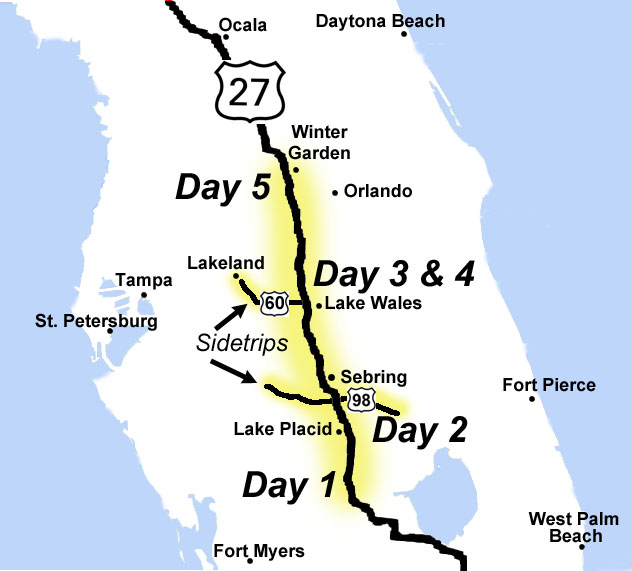
This article delves into the geographical relationship between Miami and Orlando, exploring the different ways to traverse the distance, the time commitment involved, and the unique attractions each city offers. From practical travel guides to insights on accommodation and local experiences, we aim to provide a holistic view to help you plan your ideal Florida getaway, catering to every travel style, budget, and preference.
The Distance Defined: Miami to Orlando
Understanding the actual distance between Miami and Orlando is the first step in planning your journey. While a straight-line measurement provides a general idea, the practical driving distance, which accounts for roads and highways, is what truly matters for most travelers.
Straight Line vs. Driving Distance: What to Expect
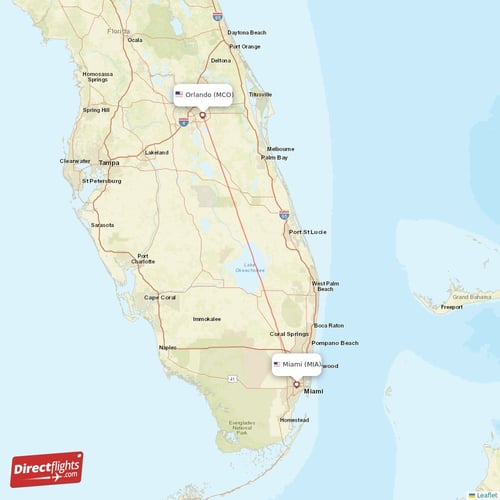
As the crow flies, the distance between Miami and Orlando is approximately 200-210 miles (around 320-338 kilometers). However, road travel always involves a slightly longer path. The typical driving distance is generally between 230 and 240 miles (370 to 386 kilometers), depending on your specific starting and ending points within each metropolitan area and the exact route you choose.
This distance typically translates into a driving time of about 3.5 to 4 hours under ideal traffic conditions. It’s important to remember that Florida is a popular destination, and traffic, especially during peak seasons, holidays, or rush hour around major cities, can significantly extend travel times. Planning your departure to avoid these periods can save you considerable time and frustration.
Key Routes and Interstate Highways
Two primary routes connect Miami and Orlando, each offering a slightly different experience in terms of tolls, scenery, and potential traffic:
-
Florida’s Turnpike (SR 91): This is often considered the most direct and fastest route for travelers heading between the two cities. The Turnpike is a well-maintained toll road that bypasses many smaller towns, allowing for a relatively uninterrupted drive. While tolls add to the cost, the time savings often make it a worthwhile choice, especially for those prioritizing efficiency. It’s a predominantly flat and straightforward drive, making it easy to navigate.
-
Interstate 95 (I-95): Running along Florida’s east coast, I-95 offers an alternative route. While it is generally toll-free for much of the stretch, it can be prone to heavier traffic, particularly around coastal cities like Fort Lauderdale and West Palm Beach. This route might appeal to travelers who prefer to avoid tolls or those who want to potentially stop at some of the coastal towns along the way. However, it will typically add a bit more time to your journey compared to the Turnpike.
Regardless of the route, preparing for potential tolls, especially on the Turnpike, is essential. Many toll booths in Florida are electronic-only (SunPass or E-Pass), so ensuring your rental car has a transponder or understanding how to pay tolls after the fact is important.
Navigating the Journey: Transportation Options
Traveling between Miami and Orlando offers a variety of transportation choices, catering to different budgets, time constraints, and preferences for comfort and convenience. Each mode of transport presents its own set of advantages and considerations, making the decision an important part of your overall travel planning.
Driving: Freedom and Flexibility
Driving is by far the most popular option for travelers between Miami and Orlando. The flexibility to set your own schedule, make spontaneous stops, and carry as much luggage as you need makes it ideal for families, groups, or those embarking on a broader Florida road trip.
- Car Rentals: If you’re flying into one city and heading to the other, renting a car is a straightforward process, with numerous rental agencies available at both Orlando International Airport (MCO) and Miami International Airport (MIA). Consider one-way rentals if you plan to fly out of a different airport.
- Tolls: As mentioned, Florida’s Turnpike is a toll road. Be prepared with a SunPass transponder (often included in rental car packages for an extra fee) or cash for older toll booths, though most are electronic.
- Rest Stops and Scenic Breaks: The drive offers various opportunities for rest stops, gas, and quick meals. While not overly scenic, the journey is smooth, and you might consider a slight detour to places like Cocoa Beach or even the Kennedy Space Center Visitor Complex if you have extra time.
Bus Travel: Economical and Convenient
For budget-conscious travelers or those who prefer not to drive, bus services offer an economical and hassle-free way to get between Miami and Orlando.
- Providers: Companies like Greyhound and FlixBus operate multiple daily services. These buses typically depart from central bus terminals in both cities, offering a direct route.
- Travel Time: Bus journeys generally take longer than driving, averaging around 4 to 5.5 hours, depending on the number of stops and traffic conditions.
- Amenities: Modern buses often come equipped with Wi-Fi, power outlets, and comfortable seating, making the journey pleasant. Booking in advance usually secures better fares.
Train Travel: Scenic and Relaxing
Train travel offers a unique and increasingly popular option, combining comfort with a relaxing journey.
- Brightline: The high-speed Brightline service is a game-changer for this route. Connecting Miami to Orlando with stops in Fort Lauderdale and West Palm Beach, Brightline offers a premium experience with comfortable seating, food and beverage service, and Wi-Fi. The travel time is comparable to driving, often around 3 hours, making it highly competitive for those seeking speed and luxury without driving. Its new station at Orlando International Airport is particularly convenient.
- Amtrak: While Amtrak also serves these cities, its routes are typically longer and less direct than Brightline, often requiring transfers or taking more circuitous paths. It might appeal to train enthusiasts or those on longer, multi-leg journeys across the U.S.
Flying: The Quickest Option
For those prioritizing speed above all else, flying is the fastest way to get from Miami to Orlando.
- Airports: Direct flights operate between Miami International Airport (MIA) and Orlando International Airport (MCO). You might also consider flying into or out of Fort Lauderdale-Hollywood International Airport (FLL), which is about a 30-minute drive north of Miami but often offers more budget airline options.
- Flight Time: The actual flight time is only about 1 hour.
- Total Travel Time: However, when you factor in airport check-in, security, potential delays, and travel to/from the airports, the total door-to-door time can often rival or even exceed driving or Brightline, making it a less practical choice unless you’re connecting from a long-haul flight.
Why Make the Trip? Attractions and Experiences
Connecting Miami and Orlando in a single trip allows travelers to experience the incredible diversity that Florida has to offer. Each city presents a unique set of attractions, cultural experiences, and lifestyles, making the combination truly irresistible.
Orlando’s Enchanting Allure
Orlando is undeniably the “Theme Park Capital of the World,” a magnet for families, thrill-seekers, and anyone young at heart.

- Walt Disney World Resort: Home to four distinct theme parks (Magic Kingdom, Epcot, Hollywood Studios, and Animal Kingdom) and two water parks, Disney World is a universe unto itself, offering endless entertainment, iconic characters, and immersive storytelling.
- Universal Orlando Resort: Featuring Universal Studios Florida, Universal’s Islands of Adventure, and the Volcano Bay water park, Universal Orlando is famed for its thrilling rides, blockbuster movie themes, and the immersive Wizarding World of Harry Potter.
- SeaWorld Orlando: Combining marine animal shows, aquariums, and exhilarating roller coasters, SeaWorld Orlando offers a blend of education and entertainment.
- Beyond the Parks: Orlando also boasts attractions like ICON Park (home to The Wheel and Madame Tussauds), Gatorland (the “Alligator Capital of the World”), and numerous dinner shows, shopping centers (Orlando International Premium Outlets), and diverse dining experiences.
Miami’s Vibrant Vibe
In stark contrast to Orlando’s fantasy realms, Miami offers a sizzling blend of Latin American flair, art, fashion, and sun-kissed beaches.
- Beaches: South Beach is legendary for its white sands, turquoise waters, and vibrant scene, perfect for sunbathing, swimming, or people-watching. Other beautiful beaches can be found along the coast, offering varying levels of activity and tranquility.
- Culture and Art: Explore the pastel-colored buildings of the Art Deco Historic District in South Beach, immerse yourself in the Cuban heritage of Little Havana, or marvel at the street art of Wynwood Walls. Miami is a melting pot of cultures.
- Nightlife and Dining: From upscale clubs to trendy rooftop bars, Miami’s nightlife is world-renowned. The city also offers an incredible culinary scene, ranging from authentic Cuban sandwiches to exquisite fine dining, reflecting its diverse population.
- Nature and Outdoors: Take an airboat ride through the Everglades National Park, explore the coral reefs of Biscayne Bay, or take a day trip to Key West or The Keys for unique island experiences.
Combining the Best of Florida
A Miami and Orlando itinerary truly captures the essence of Florida’s appeal. Imagine starting your vacation with adrenaline-pumping rides and character meet-and-greets in Orlando, then transitioning to relaxing days on South Beach, savoring Cuban coffee, and dancing the night away in Miami. Many travelers opt to spend 3-5 days in each city, allowing ample time to explore the main attractions without feeling rushed. This dual-city approach ensures a vacation rich in variety and unforgettable memories, appealing to families, couples, and solo adventurers alike.
Planning Your Stay: Accommodation and Lifestyle
Choosing the right accommodation is paramount to enhancing your Florida experience, and both Orlando and Miami offer a vast array of options to suit every taste and budget. Your selection will significantly influence your lifestyle during your trip, whether you’re seeking luxury, family-friendly convenience, or a budget-conscious stay.
Where to Stay in Orlando
Orlando’s accommodation scene is heavily geared towards theme park visitors, with options ranging from sprawling resorts to cozy vacation rentals.
- Resorts: Staying at an on-site Walt Disney World Resort or Universal Orlando Resort hotel offers unparalleled convenience, including early park access, complimentary transportation, and immersive theming. These range from value resorts to deluxe properties, catering to various budgets within the resort umbrella.
- Family-Friendly Hotels: Beyond the resorts, the International Drive (I-Drive) area is brimming with hotels, suites, and apartment-style accommodations, many offering pools, complimentary breakfasts, and shuttle services to the parks. This area is also close to ICON Park, restaurants, and entertainment.
- Vacation Rentals: For longer stays, larger groups, or those preferring a home-away-from-home feel, vacation villas and townhouses in areas like Kissimmee or Lake Buena Vista are excellent choices, often equipped with full kitchens and private pools.
- Budget Options: Numerous economy hotels and motels are scattered throughout the city, particularly along major arteries, providing clean and comfortable stays for travelers on a tighter budget.
Where to Stay in Miami
Miami’s accommodation landscape is as diverse as its culture, with a strong emphasis on luxury, boutique experiences, and beachfront access.
- Luxury Hotels: South Beach and Miami Beach are renowned for their opulent hotels, often featuring direct beach access, infinity pools, world-class spas, and celebrity-chef restaurants. These cater to a luxury lifestyle, offering impeccable service and exclusive amenities.
- Boutique Stays: For those seeking unique character and personalized service, Miami boasts an impressive selection of boutique hotels, particularly within the Art Deco Historic District, offering stylish accommodations and a distinct local flavor.
- Beach Resorts: Beyond South Beach, areas like Sunny Isles Beach and Bal Harbour offer high-end resorts that provide a more serene, family-friendly beach experience away from the bustling party scene.
- Apartments and Villas: For longer stays or a more independent travel style, especially in neighborhoods like Brickell or Downtown Miami, serviced apartments and Airbnb rentals are popular, offering kitchen facilities and more space.
- Budget-Friendly Hotels: While fewer than in Orlando, more affordable hotels can be found outside the immediate beach areas, for example, closer to Miami International Airport or in mainland Miami neighborhoods, often requiring a short drive or public transport to the main attractions.
Tailoring Your Trip: Budget vs. Luxury, Family vs. Solo
Your choice of accommodation and activities will largely define the lifestyle of your trip.
- Budget Travel: Focus on off-peak seasons, utilize bus travel, stay in economy hotels or vacation rentals, and seek out free attractions like beaches, parks, or window shopping. Many restaurants offer early bird specials or happy hour deals.
- Luxury Travel: Indulge in premium flights or Brightline first class, stay in 5-star resorts, enjoy fine dining, spa treatments, and private tours. Miami and Orlando both have exceptional luxury offerings.
- Family Trips: Prioritize resorts with kids’ clubs, multiple pools, and spacious suites. In Orlando, on-site theme park hotels are fantastic for families. In Miami, look for resorts that offer family-friendly amenities and proximity to calmer beaches.
- Solo or Business Stays: Boutique hotels, efficient transportation (like Brightline for business travelers), and exploring local culture and nightlife might be preferred. Downtown Miami and Brickell are popular for business travelers.
By thoughtfully considering your travel style and preferences, you can optimize your accommodation choices to perfectly complement your Miami and Orlando adventure.
Essential Travel Tips for the Miami-Orlando Journey
Embarking on a journey between two of Florida’s most dynamic cities requires a bit of foresight to ensure a smooth and enjoyable experience. From timing your visit to packing smart, these tips will help you make the most of your Miami and Orlando adventure.
Best Time to Travel
Timing is key when visiting Florida, as weather and crowd levels can significantly impact your experience.
- Winter (December to February): This is generally considered the best time to visit. The weather is mild, sunny, and comfortable, with lower humidity. However, this is also peak season, especially around holidays, so expect larger crowds and higher prices for flights and accommodations.
- Spring (March to May): A great shoulder season. Temperatures are pleasant, and crowds are manageable, especially in late April and May, avoiding Spring Break surges.
- Fall (September to November): Another good shoulder season. Temperatures begin to cool, and hurricane season winds down (though still a possibility, particularly in September and early October). Crowds are typically lighter after the summer rush.
- Summer (June to August): This is the hottest and most humid time of year, with frequent afternoon thunderstorms. While crowds are often heavy due to school holidays, you might find some better deals on accommodations. Be prepared for intense heat and rain.
For the drive itself, try to avoid peak rush hours (typically 7-9 AM and 4-6 PM on weekdays) in and around both metropolitan areas to minimize traffic delays.
Rental Car Considerations
If you opt for driving, several points are crucial for a stress-free trip:
- Tolls: As mentioned, Florida’s Turnpike is a major toll road. Most rental car companies offer a toll transponder service (like SunPass or PlatePass) for an additional daily fee or a flat fee for the rental period. This is often the most convenient option, as many toll plazas are electronic-only. Confirm the rental company’s policy and fees beforehand.
- Parking: Both Miami and Orlando have ample parking, but it can be expensive, particularly in popular areas like South Beach or at the theme parks. Factor parking fees into your budget. Many hotels offer valet or self-parking, often for an additional charge.
- GPS/Navigation: A reliable GPS or smartphone navigation app is invaluable for navigating Florida’s highway system and local roads.
Packing Essentials
Given Florida’s climate and the diverse activities on offer, here’s what to consider packing:
- Lightweight Clothing: Breathable fabrics like cotton or linen are ideal for the warm, humid weather.
- Swimwear: A must for Miami’s beaches and Orlando’s water parks.
- Comfortable Walking Shoes: You’ll be doing a lot of walking in the theme parks and exploring city streets.
- Sun Protection: Sunscreen (high SPF!), hats, and sunglasses are non-negotiable year-round.
- Rain Gear: A lightweight rain jacket or umbrella is essential, especially during the summer rainy season.
- Power Bank: Keep your phone charged for navigation, photos, and park apps.
- Reusable Water Bottle: Stay hydrated, especially in the heat.
By keeping these practical tips in mind, your journey between Miami and Orlando will be as enjoyable and effortless as the destinations themselves. Whether you’re seeking thrills, relaxation, or cultural immersion, Florida offers an unparalleled travel experience, and understanding the distance and logistics between its two major hubs is your gateway to an incredible adventure.
LifeOutOfTheBox is a participant in the Amazon Services LLC Associates Program, an affiliate advertising program designed to provide a means for sites to earn advertising fees by advertising and linking to Amazon.com. Amazon, the Amazon logo, AmazonSupply, and the AmazonSupply logo are trademarks of Amazon.com, Inc. or its affiliates. As an Amazon Associate we earn affiliate commissions from qualifying purchases.