
Planning a trip between two of the most iconic hubs in the southeastern United States requires a clear understanding of the distance and the various ways to traverse the corridor. Whether you are migrating from the tropical allure of the Sunshine State to the cultural heart of Georgia, or vice versa, the journey is a quintessential American road trip experience.
Understanding the Geographic Distance
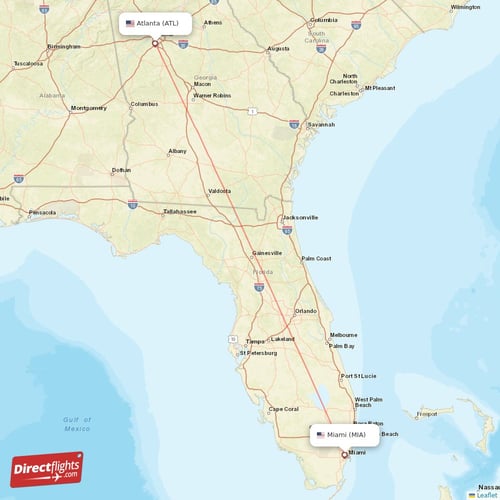
The direct distance between Miami and Atlanta is roughly 600 miles. However, when you hit the road, the driving distance typically ranges between 660 and 670 miles, depending on your specific starting point and your route through the interstate system.

Under optimal driving conditions, this journey takes approximately 10 to 11 hours. However, travelers should always factor in the volatility of traffic in major metropolitan areas. Leaving either city during peak rush hours can easily add two or more hours to your travel time. Understanding this scale is essential for those balancing the desire for a scenic drive against the efficiency of modern transit options.
Road Trip Logistics and Routes
The most direct route for those driving from Miami to Atlanta is primarily via the Florida Turnpike transitioning into Interstate 75. This path serves as the backbone of travel in the southeast, cutting a vertical line through the heart of Florida before heading north through Georgia.
Navigating the Florida Turnpike
The Florida Turnpike is a toll road, so drivers should ensure they have a SunPass or a compatible transponder to avoid delays at toll booths. This route is generally well-maintained and provides efficient access through the state, bypassing some of the more congested inner-city surface streets.
Transitioning to Interstate 75
Once you clear the central parts of Florida, the journey continues north on Interstate 75. This is the primary artery for commercial and private transport between these two states. Travelers often find that the landscape shifts dramatically as they move north, transitioning from the subtropical wetlands of South Florida to the rolling hills and pine forests of the American South.
Essential Stops Along the Way
A trip of this duration is best broken up by strategic stops. For those looking to maximize their time on the road, consider visiting:
- Orlando: Located about 3.5 to 4 hours north of Miami, it offers the perfect halfway point for a quick lunch or a theme park break.
- Gainesville: A vibrant college town that serves as a great cultural break before hitting the northern stretch of Florida.
- Valdosta: Sitting just across the Georgia border, this is a popular spot for refueling and grabbing a classic southern meal before the final leg into Atlanta.
Alternative Modes of Transportation
While the private vehicle is the most common way to make the trip, other options exist for those who prefer not to navigate the highways themselves.
Air Travel
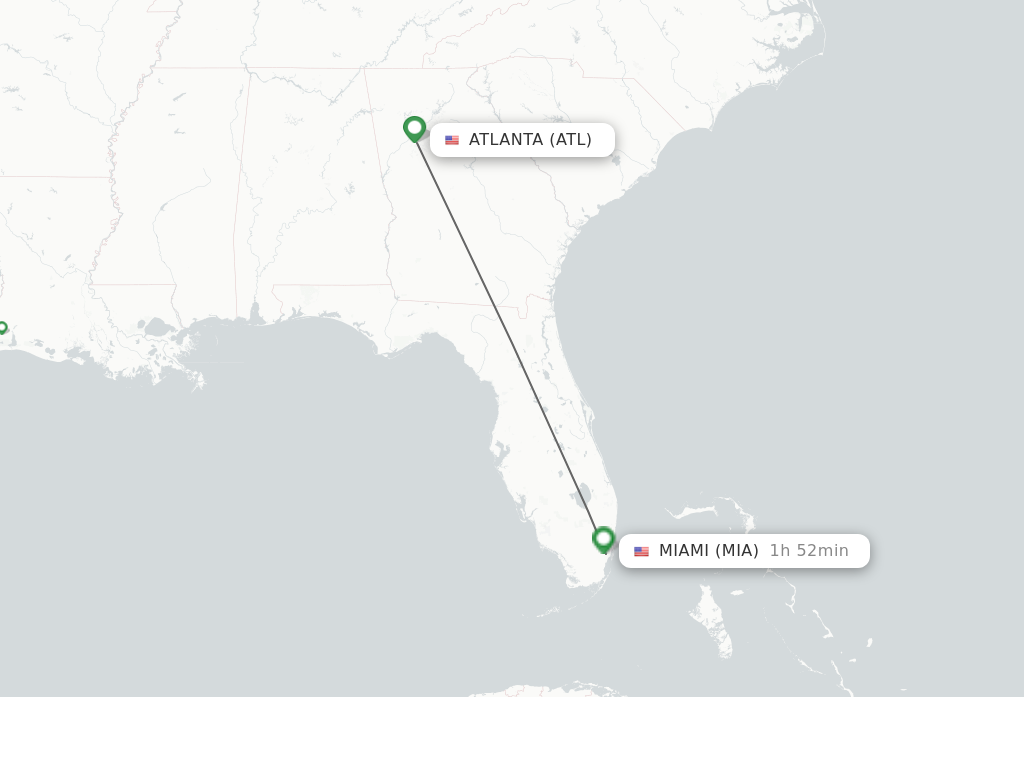
If time is of the essence, flying is the most practical choice. Numerous airlines offer daily non-stop flights between Miami International Airport and Hartsfield-Jackson Atlanta International Airport. The actual flight time is typically around one hour and 45 minutes to two hours. When you factor in the time spent arriving at the airport early for security and boarding, you can expect a total travel time of roughly four to five hours. This is significantly faster than the road trip, though you lose the flexibility and the scenic value of the drive.
Bus and Ground Transit
For budget-conscious travelers, national bus lines provide reliable service between Miami and Atlanta. While this is the most affordable way to travel, it is also the most time-consuming. These journeys often involve transfers and can take anywhere from 13 to 16 hours depending on the schedule and the number of stops along the route. It is a viable option for those who do not wish to drive but want to avoid the complexities of airport transit.
Tips for a Successful Journey
Regardless of your chosen mode of transportation, preparation is key to ensuring a smooth arrival.
Seasonal Considerations
Travelers must remain mindful of the season. Florida is subject to extreme weather, particularly during hurricane season. If you are driving during the summer or fall, monitor weather reports closely. Additionally, Atlanta can experience occasional winter weather events, which, while rare, can significantly impact road conditions and flight schedules in the northern portion of the journey.
Strategic Planning
If you are planning to drive, aim to leave either very early in the morning—well before the typical 7:00 AM rush—or mid-day. Avoiding the busy periods in Miami, Orlando, and Atlanta will drastically improve your experience.
Furthermore, keep a travel kit in your car that includes water, snacks, a power bank for your mobile devices, and a physical map or an offline digital map. While GPS technology is generally reliable throughout the United States, there are occasional stretches in rural South Georgia where cellular service can be inconsistent.
Balancing Convenience and Comfort
When choosing your route, prioritize safety over absolute speed. While there may be shortcuts through local state roads, sticking to the primary interstate system is generally safer and more convenient for long-distance travelers. These roads offer frequent rest stops, gas stations, and medical services, which are invaluable on a trip of this length.
Ultimately, the distance from Miami to Atlanta is more than just a number on a map; it is a transition through diverse ecosystems and cultural landscapes. Whether you are seeking the urban energy of the Georgia capital or the coastal vibrance of South Florida, understanding the logistics allows you to focus on the destination rather than the stress of the commute. By weighing the costs of time versus money and comfort versus speed, you can select the travel plan that best fits your itinerary and ensures your journey is as pleasant as your stay.
LifeOutOfTheBox is a participant in the Amazon Services LLC Associates Program, an affiliate advertising program designed to provide a means for sites to earn advertising fees by advertising and linking to Amazon.com. Amazon, the Amazon logo, AmazonSupply, and the AmazonSupply logo are trademarks of Amazon.com, Inc. or its affiliates. As an Amazon Associate we earn affiliate commissions from qualifying purchases.