
The question of distance between two expansive regions like Michigan and New York is not merely about mileage; it’s about the diverse travel experiences, the varied landscapes, and the distinct cultural tapestries that lie between these two iconic American states. Whether you’re planning a road trip, a quick flight, or contemplating the logistics of a cross-country move, understanding the geographical expanse is the first step in crafting your journey. This exploration delves into the distances, the most efficient travel routes, and what makes the journey itself a significant part of the adventure.

Understanding the Geographical Divide
Michigan and New York are separated by a considerable distance, characterized by the vast expanse of the Great Lakes and a significant portion of the northeastern United States. The exact mileage depends heavily on your starting and ending points within each state. For instance, the distance from Detroit, Michigan, to New York City, New York, is notably different from traversing from the Upper Peninsula of Michigan to the less populated western regions of New York.
Driving Distances and Routes
The most common way to bridge the gap between Michigan and New York for many travelers is by car. This offers unparalleled flexibility, allowing for spontaneous detours and the exploration of the diverse landscapes that transition from the industrial heartland of Michigan to the rolling hills and historic towns of the eastern seaboard.
- Detroit to New York City: This is a frequently traveled corridor. The most direct route typically involves I-90 East, crossing through Ohio and Pennsylvania. The approximate driving time is around 10 to 12 hours, covering roughly 650 to 700 miles. This route passes through or near cities like Cleveland, Pittsburgh, and Albany, offering potential stopover points for those who wish to break up the journey.
- Grand Rapids to Albany: A drive from Grand Rapids, Michigan, to Albany, New York, would also primarily utilize I-90 East. The distance is slightly less, around 600 to 650 miles, with a driving time of approximately 9 to 11 hours.
- Upper Peninsula to Buffalo: Traveling from a more remote part of Michigan, such as the Upper Peninsula, to a city like Buffalo, New York, involves a more extensive route. This often requires traversing through Canada via the Ambassador Bridge or the Detroit-Windsor Tunnel if heading towards southern Ontario, or by taking a more southerly route through the lower peninsula and then east. The distance can exceed 800 miles, and the driving time can extend to 13 to 15 hours, depending on border crossings and the specific route taken.
The driving experience itself can be a significant part of the travel. The transition from the relatively flat terrain of parts of Michigan to the Appalachian foothills and the more varied topography of New York offers a visual narrative of the country. Scenic byways and smaller highways can also be incorporated for a more leisurely pace, allowing for exploration of charming towns and natural attractions.
Air Travel: The Fastest Connection
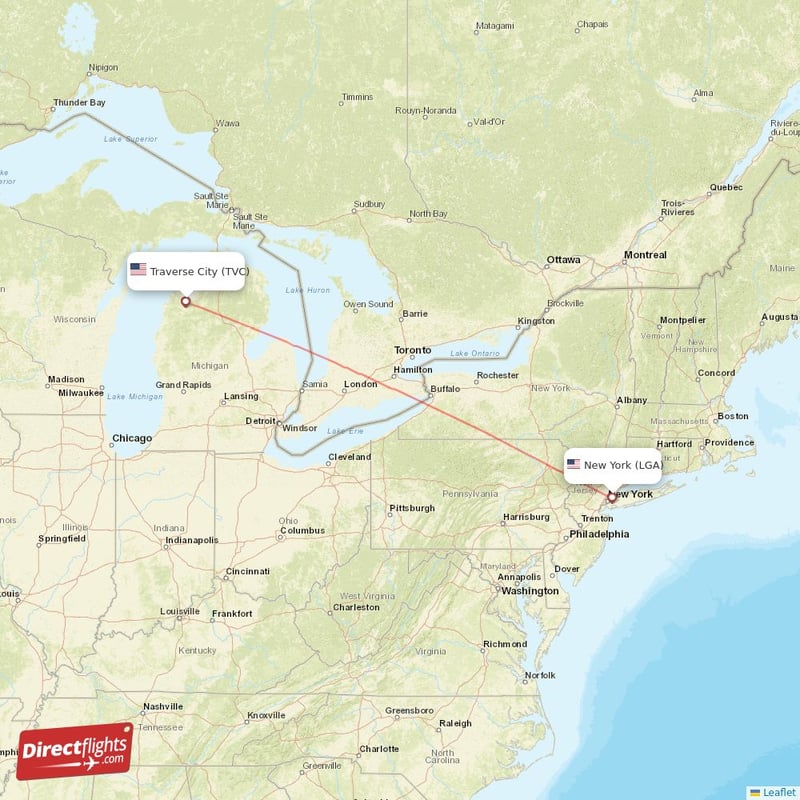
For those prioritizing speed and efficiency, air travel presents the most viable option. Numerous daily flights connect major airports in Michigan, such as Detroit Metropolitan Wayne County Airport (DTW), to key hubs in New York, including New York City’s three major airports: John F. Kennedy International Airport (JFK), LaGuardia Airport (LGA), and Newark Liberty International Airport (EWR).
- Direct Flights: Direct flights between Detroit and New York City are plentiful and typically have a flight duration of approximately 1 hour and 30 minutes to 1 hour and 45 minutes. This is the most time-efficient way to cover the geographical distance.
- Connecting Flights: Flights connecting through hubs like Chicago or Philadelphia are also common, particularly for travelers originating from or traveling to smaller airports within Michigan or New York. These flights will naturally take longer, with total travel time potentially ranging from 3 to 6 hours, including layovers.
- Airports to Consider: Beyond the major hubs, travelers might consider flying into airports like Buffalo Niagara International Airport in western New York or even into cities like Syracuse or Rochester, depending on their final destination within the state. Similarly, Gerald R. Ford International Airport in Grand Rapids offers another gateway from Michigan.
When booking flights, it’s essential to factor in travel time to and from airports, security checks, and potential delays. Despite these considerations, flying remains the quickest method for crossing the significant distance between these two states.
Navigating the Waterways: A Historical Perspective
While not a primary mode of modern travel for most, the historical connection and potential for leisure travel via the Great Lakes and connecting waterways offer a unique perspective on the distance between Michigan and New York. The Erie Canal, a historic engineering marvel, connects the Great Lakes system to the Hudson River, and subsequently to the Atlantic Ocean.
For recreational boaters or those embarking on a slow-travel adventure, traversing this waterway is a significant undertaking. The journey from Lake Erie, bordering southern Michigan, to the Hudson River and then to parts of New York State involves navigating through locks, canals, and various bodies of water. This route is not measured in hours but in days or even weeks, offering an immersive experience of the changing landscapes and the industrial and natural history of the region. While impractical for a direct journey between states for most, it’s a reminder of the interconnectedness of these regions through water transport that predates modern highways and air travel.
Train Travel: A Scenic Alternative
Train travel offers a third distinct option for traveling between Michigan and New York. While often taking longer than flying and sometimes comparable to driving, it provides a relaxed way to see the country unfold.
- Amtrak Routes: Amtrak operates routes that connect the two states, though direct, single-train journeys are uncommon. Travelers typically need to make connections. A common route might involve taking a train from Detroit or Chicago (which is easily accessible from parts of Michigan) to cities in New York like New York City or Buffalo.
- Travel Time: The journey by train can be lengthy, often ranging from 15 to over 24 hours, depending on the specific route and connections. This makes it more of a travel experience than a swift transit, ideal for those who enjoy the journey and wish to avoid the stresses of driving or airport security. The scenery along the rail lines can be quite captivating, passing through rural landscapes, small towns, and along river valleys.
Choosing train travel means embracing a slower pace and enjoying the opportunity to relax, work, or simply observe the diverse American geography as it passes by your window. It’s a journey that allows for a more contemplative connection with the distance being covered.
Planning Your Passage: Essential Considerations
Regardless of your chosen mode of transport, understanding the distance between Michigan and New York is the foundation for effective travel planning.
Time Zones
It’s crucial to remember that Michigan observes Eastern Time (ET), while New York also observes Eastern Time (ET). This means there is no time difference to account for when traveling between these two states, simplifying scheduling and arrival estimations.
Seasonal Variations and Travel Conditions
The time of year significantly impacts travel. During winter months, especially from November through March, Michigan and parts of New York can experience heavy snowfall and icy conditions, which can lead to significant delays for driving and even affect flight schedules. Summer travel is generally more predictable, though can be subject to thunderstorms. Spring and fall offer pleasant weather for road trips, with beautiful foliage displays, particularly in New York’s upstate regions and Michigan’s more rural areas.

Costs Associated with Distance
The farther the distance, the higher the associated travel costs. This includes fuel and potential accommodation for driving, airfare for flying, and train tickets. Budgeting effectively requires research into current prices for transportation, as well as factoring in any tolls encountered on road journeys. The choice between a direct flight and a multi-stop journey, or between the fastest highway route and a more scenic but longer drive, often involves balancing cost, time, and the desired travel experience. Ultimately, the distance between Michigan and New York is not an endpoint but a pathway, a dynamic space filled with varied experiences waiting to be discovered.
LifeOutOfTheBox is a participant in the Amazon Services LLC Associates Program, an affiliate advertising program designed to provide a means for sites to earn advertising fees by advertising and linking to Amazon.com. Amazon, the Amazon logo, AmazonSupply, and the AmazonSupply logo are trademarks of Amazon.com, Inc. or its affiliates. As an Amazon Associate we earn affiliate commissions from qualifying purchases.