
The question “How far is Missouri from Chicago?” is more than just a query about mileage; it’s the gateway to planning an engaging journey between two vibrant regions of the United States. Whether you’re considering a road trip through America’s heartland, a quick flight for a business meeting, or a scenic train ride, understanding the distance and travel implications is the first step in a well-executed travel plan. This article will delve into the geographical realities, explore various transportation methods, highlight key attractions in both states, and offer practical advice to ensure your trip is as seamless and enjoyable as possible. From the iconic skyline of the Windy City to the diverse landscapes and cultural hubs of the Show-Me State, the journey connecting these two points offers a rich tapestry of experiences for every type of traveler.

The Geographic Reality: Unpacking the Distance
At first glance, the distance between Missouri and Chicago might seem straightforward, but it varies significantly depending on your specific origin and destination points within each state, as well as the mode of transportation you choose. Chicago, located in the northeastern part of Illinois, serves as a major Midwestern hub. Missouri, to its southwest, is a large state with two primary metropolitan areas: St. Louis on its eastern border and Kansas City on its western side.
Direct Line vs. Driving Routes
As the crow flies, the air distance provides a baseline. For instance, the air distance between Chicago and St. Louis is approximately 250 miles (402 kilometers). Between Chicago and Kansas City, it stretches to about 410 miles (660 kilometers). However, for most travelers, these direct lines are merely theoretical.
Driving distances are considerably longer due to the necessity of following road networks.
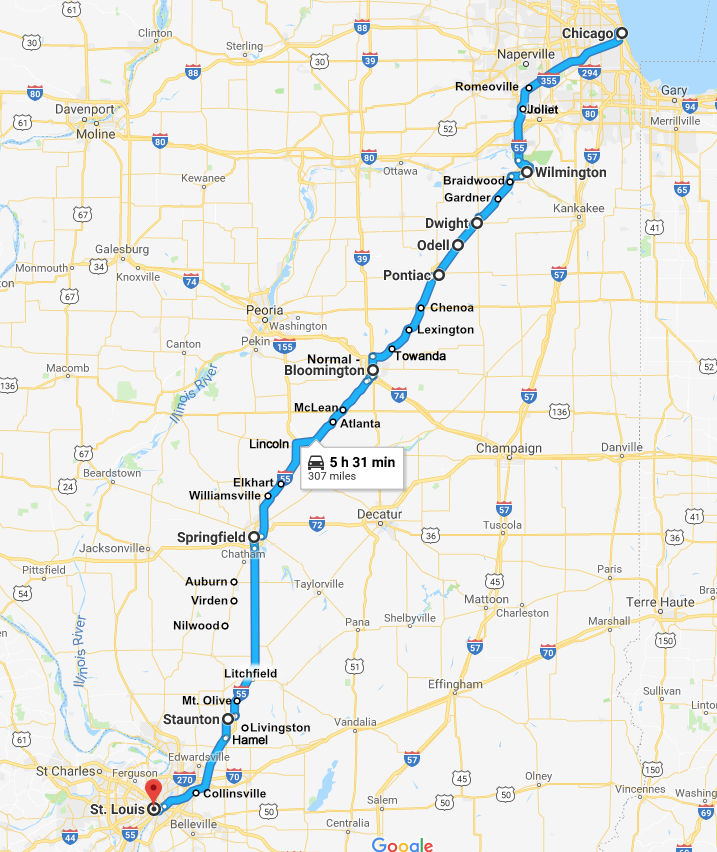
- Chicago to St. Louis: A typical drive covers about 290-300 miles (467-483 kilometers). The most direct route primarily utilizes Interstate 55, a major north-south artery. Under normal conditions, this drive takes approximately 4.5 to 5 hours, though traffic, especially around Chicago, can extend this considerably.
- Chicago to Kansas City: This journey is more substantial, typically ranging from 500 to 520 miles (805-837 kilometers). The primary routes involve taking Interstate 55 south to St. Louis, then Interstate 70 west, or alternatively, utilizing Interstate 80 and Interstate 90 west before heading south. This drive typically takes 8 to 9 hours without significant stops.
These distances highlight that traveling from Missouri to Chicago is a considerable undertaking, often spanning a full day of travel by car, making proper planning essential.
Key Cities and Their Proximity
Understanding the distances to and from specific cities within Missouri is crucial for accurate travel planning:
- St. Louis, Missouri: As Missouri’s second-largest city and closest major metropolitan area to Chicago, it serves as a common waypoint or destination. The approximately 300-mile drive via I-55 is the most frequently traveled route between the two states.
- Kansas City, Missouri: Located on the western side of the state, Kansas City is significantly further from Chicago. Travelers often choose to fly for this route due to the lengthy drive.
- Springfield, Missouri: The third-largest city in Missouri, Springfield is even further south from Kansas City, making it one of the furthest major Missouri cities from Chicago. A drive from Chicago to Springfield, Missouri would exceed 600 miles and take 10-11 hours.
- Jefferson City, Missouri: The state capital is centrally located and roughly equidistant in terms of driving time from St. Louis and Kansas City, making it a 7-8 hour drive from Chicago.
These varying distances underscore the importance of specifying your exact destination within Missouri when calculating travel time and planning your itinerary.
Navigating the Journey: Your Travel Options
The choice of transportation between Missouri and Chicago depends on several factors: budget, time constraints, desire for comfort, and whether you prefer to enjoy the scenery or reach your destination quickly. Each mode of transport offers a distinct travel experience.
Driving: The Classic American Road Trip
For many, the open road represents freedom and adventure. Driving allows for flexibility, the ability to carry more luggage, and the chance to explore smaller towns and attractions along the way.
- Routes: The most common route from Chicago to St. Louis is via I-55 South. This route is part of the historic Route 66, offering opportunities for nostalgic detours. For Kansas City, travelers typically continue on I-55 to St. Louis and then take I-70 West. An alternative for Kansas City involves heading west on I-80 and I-90 through Iowa before turning south.
- Time and Considerations: As mentioned, St. Louis is about a 4.5-5 hour drive, while Kansas City is 8-9 hours. Factoring in fuel costs, potential tolls, and the need for breaks, driving can be cost-effective for groups or those with specific vehicle needs. However, consider the impact of weather (especially winter snow or summer heat) and peak traffic times, which can significantly alter travel duration. Roadside attractions like the Lincoln Home National Historic Site in Springfield, Illinois or the Cahokia Mounds State Historic Site near St. Louis offer excellent reasons to break up the drive.
Flying: Speed and Convenience
For those prioritizing speed, flying is the clear winner. The major airports in Chicago are O’Hare International Airport (ORD) and Midway International Airport (MDW). In Missouri, major airports include St. Louis Lambert International Airport (STL) and Kansas City International Airport (MCI).
- Flight Duration: Direct flights from Chicago to St. Louis are typically about 1 hour to 1 hour and 15 minutes. To Kansas City, direct flights usually take around 1 hour and 30 minutes.
- Airlines: Major carriers like United Airlines, American Airlines, and Southwest Airlines offer frequent service on these routes.
- Considerations: While actual flight time is short, remember to account for travel to and from airports, security checks, and potential delays. The total door-to-door time can often be comparable to or slightly longer than driving for St. Louis, but significantly faster for Kansas City.
Rail Travel: A Scenic Alternative
Amtrak offers train services connecting Chicago to both St. Louis and Kansas City, providing a comfortable and often scenic way to travel without the stresses of driving or airport security.
- Chicago to St. Louis: The “Lincoln Service” route connects these two cities with multiple daily departures. The journey typically takes around 5.5 to 6 hours.
- Chicago to Kansas City: The “Southwest Chief” and “Missouri River Runner” routes can connect Chicago to Kansas City, often with a transfer in St. Louis. The total travel time for this route can range from 8 to 10 hours, depending on connections.
- Benefits: Amtrak trains offer spacious seating, dining cars, Wi-Fi on some routes, and the opportunity to relax and enjoy the Midwestern landscape. It’s an excellent option for those who prefer not to drive but enjoy overland travel.

Bus Services: Budget-Friendly Travel
Bus services like Greyhound provide the most economical option for travel between Missouri and Chicago.
- Travel Time: Bus journeys are typically longer than driving or taking the train due to multiple stops. A trip from Chicago to St. Louis can take 6-7 hours, while to Kansas City it can be 10-12 hours or more.
- Considerations: While budget-friendly, bus travel offers fewer amenities and less flexibility than other options. It’s best suited for travelers with strict budget constraints and ample time.
What to Expect: Key Destinations and Attractions
Traveling between Missouri and Chicago isn’t just about covering distance; it’s about experiencing the distinct flavors of each region. Both destinations boast a wealth of cultural, historical, and entertainment offerings.
Iconic Chicago Experiences
Chicago is a world-class city renowned for its architecture, arts scene, and culinary delights.
- Architectural Marvels: Take an architectural boat tour along the Chicago River or ascend the Willis Tower (formerly Sears Tower) for panoramic city views.
- Parks and Art: Explore Millennium Park, home to the famous “Bean” sculpture (Cloud Gate), and immerse yourself in art at the world-renowned Art Institute of Chicago.
- Museum Campus: The Shedd Aquarium, Field Museum, and Adler Planetarium are all located within walking distance along the lakefront. Further south is the incredible Museum of Science and Industry.
- Entertainment and Shopping: Enjoy a show in the vibrant theater district, stroll along the upscale shops of the Magnificent Mile, or catch a Cubs game at Wrigleyville. Navy Pier offers family-friendly entertainment, dining, and scenic lake views.
Missouri’s Charms: From Gateway Arches to Jazz
Missouri offers a blend of Midwestern hospitality, historical significance, and diverse entertainment.
- St. Louis: Dominated by the soaring Gateway Arch, St. Louis is rich in history. Visit the unique City Museum, explore the vast Forest Park (home to the St. Louis Zoo and Art Museum), or delve into the city’s brewing heritage.
- Kansas City: Known as the “Paris of the Plains” and a mecca for jazz and barbecue. Explore the National WWI Museum and Memorial, marvel at the art collections at the Nelson-Atkins Museum of Art, or enjoy the Spanish-inspired architecture and shopping at the Country Club Plaza. The Power & Light District offers vibrant nightlife and dining.
- Beyond the Major Cities: Venture south to Branson for live entertainment shows, or enjoy the outdoor recreation around the Lake of the Ozarks. The natural beauty of the Ozark Mountains and Mark Twain National Forest provides ample opportunities for hiking, fishing, and exploring. The unique Meramec Caverns are another popular attraction.
Planning Your Trip: Essential Considerations
A well-planned trip ensures a smooth and enjoyable experience, regardless of the distance or destination.
Best Time to Travel
- Spring (April-May): Pleasant temperatures for exploring both cities, fewer crowds than summer, and blooming landscapes.
- Summer (June-August): Peak tourist season, ideal for outdoor activities, festivals, and enjoying Lake Michigan in Chicago or the lakes in Missouri. However, expect higher prices and larger crowds.
- Fall (September-October): Beautiful foliage, especially in Missouri’s rural areas, and comfortable temperatures. Less crowded than summer.
- Winter (November-March): Cold and snowy, particularly in Chicago. Ideal for indoor attractions, holiday markets, and potentially lower travel costs.
Budgeting for Your Journey
Consider all aspects:
- Transportation: Flights, train tickets, bus fares, or fuel/toll costs for driving.
- Accommodation: Hotels, Airbnb, or other lodging options. Prices vary significantly by season and location.
- Food: Dining out can be a major expense, especially in Chicago’s upscale restaurants.
- Activities: Entrance fees for museums, attractions, shows, and tours.
- Miscellaneous: Souvenirs, local transportation, and unforeseen expenses.
Packing Essentials
- Layered Clothing: Midwestern weather can be unpredictable.
- Comfortable Walking Shoes: Essential for exploring cities.
- Rain Gear: A light jacket or umbrella is always a good idea.
- Navigation: GPS, maps, or smartphone apps.
- Snacks and Water: Especially for long drives or train rides.
- Chargers: For all your electronic devices.
Making the Most of Your Inter-State Adventure
Beyond the main attractions, the journey between Missouri and Chicago can be enriched by seeking out unique experiences.
Roadside Stops and Hidden Gems
If driving, consider stopping at places like Starved Rock State Park in Illinois for stunning canyon views and hiking, or exploring smaller towns along Route 66 for a nostalgic step back in time. These breaks not only prevent driver fatigue but also add depth to your travel narrative.
Combining Business and Leisure
Many travelers find themselves commuting between these two regions for business. If this is your case, try to extend your stay by a day or two to explore local attractions. Chicago’s vibrant downtown is perfect for post-conference exploration, and Missouri’s cities offer unique dining and entertainment options that can turn a routine business trip into a memorable mini-vacation.
In conclusion, the distance from Missouri to Chicago varies, but the journey itself is an opportunity for discovery. By choosing the right mode of transportation and planning your itinerary with a focus on both the destination and the journey, you can transform a simple trip into an unforgettable Midwestern adventure.
LifeOutOfTheBox is a participant in the Amazon Services LLC Associates Program, an affiliate advertising program designed to provide a means for sites to earn advertising fees by advertising and linking to Amazon.com. Amazon, the Amazon logo, AmazonSupply, and the AmazonSupply logo are trademarks of Amazon.com, Inc. or its affiliates. As an Amazon Associate we earn affiliate commissions from qualifying purchases.