
Embarking on a journey from the sun-drenched coasts of California to the rugged, majestic landscapes of Montana promises an adventure filled with diverse scenery and unique experiences. The question of “how far” isn’t just about mileage; it’s about the time commitment, the route options, and the planning involved in traversing a significant portion of the United States. This guide will break down the distances, travel times, and considerations for making this interstate trek, whether you prefer the open road or the speed of air travel.
Understanding the Geographic Span: Distance and Time Estimates
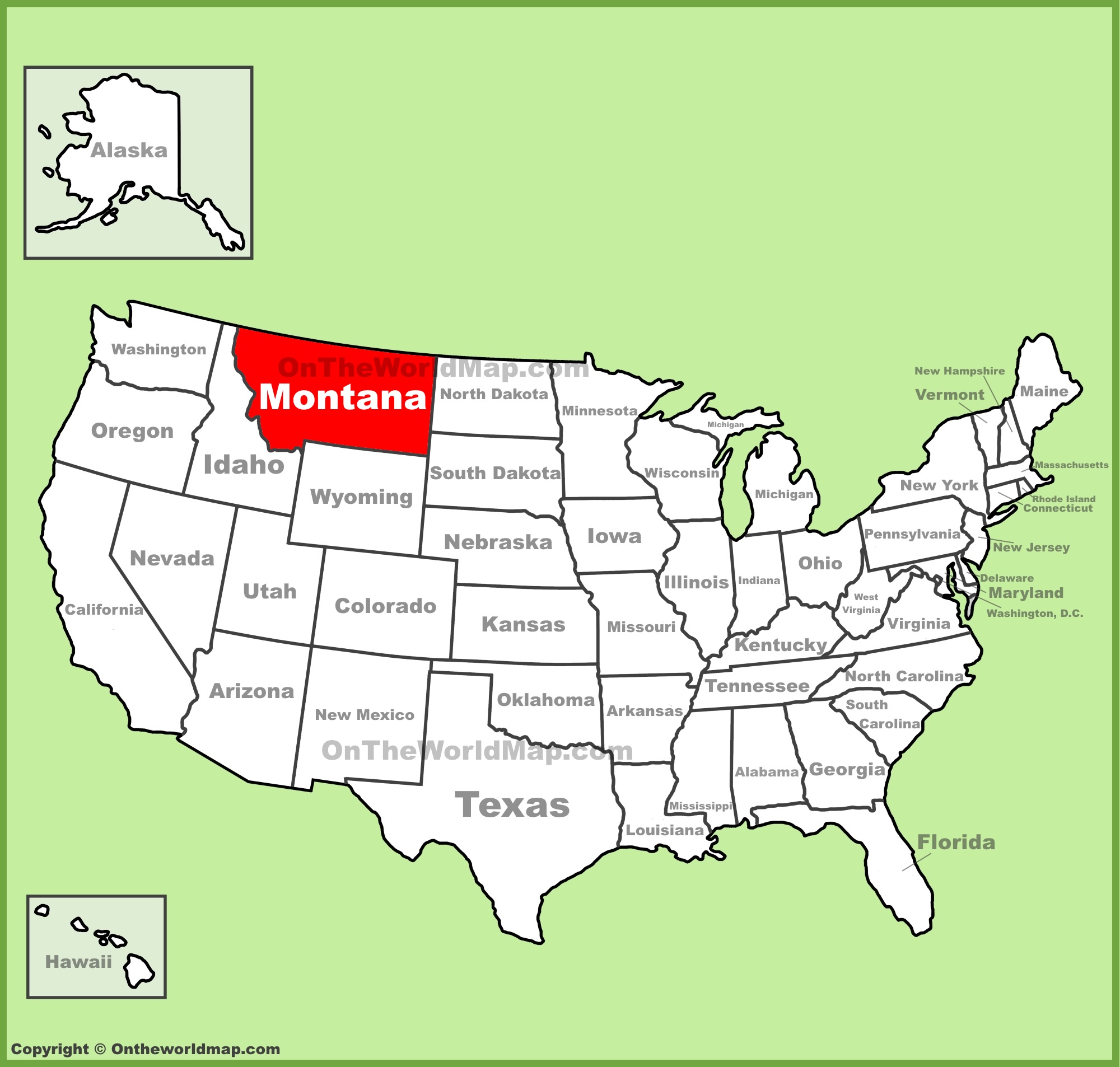
The vast expanse between California and Montana means that exact distances and travel times vary significantly depending on your specific starting point and destination. California is a large state stretching over 800 miles north to south, and Montana is equally expansive. Generally, the direct distance between the two states can range from approximately 800 to over 1,200 miles.
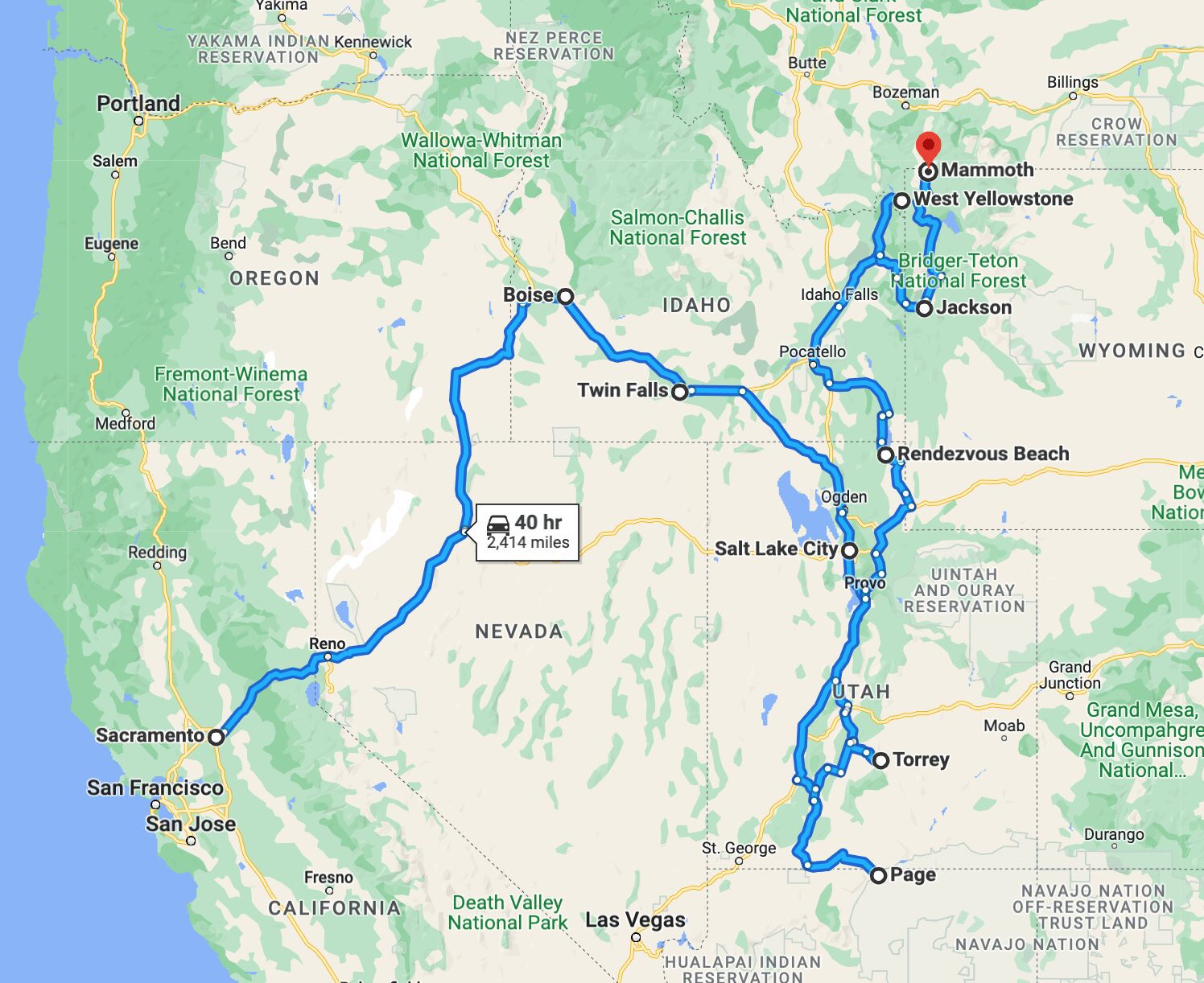
By Car: The Classic American Road Trip
Driving is arguably the most popular way to experience the journey from California to Montana, offering flexibility and the chance to explore hidden gems along the way.
- Average Driving Distance: Expect to cover between 900 to 1,200 miles, depending on your precise origin and destination. For instance, a trip from Los Angeles, California to Bozeman, Montana is roughly 1,000 miles, while a drive from San Francisco, California to Missoula, Montana is about 950 miles. A northern California starting point like Sacramento to Billings, Montana might be closer to 1,100 miles.
- Estimated Driving Time: Without significant stops, the drive typically takes 15 to 20 hours. However, this is a long journey for a single day and can lead to driver fatigue. It is highly recommended to break the trip into at least two days, potentially three, to allow for rest, meals, and sightseeing. This means planning for one or two overnight stays along your route.
- Fuel and Costs: Factor in significant fuel costs, especially with fluctuating gas prices. Additionally, budget for food, lodging, and potential wear and tear on your vehicle. Preparing your car with a pre-trip inspection is advisable.
By Air: The Fastest Connection
For those prioritizing speed, flying is the most efficient option. While there are no direct flights between every city pair, major hubs connect easily.
- Flight Duration: A direct flight between major airports like Los Angeles International Airport (LAX) or San Francisco International Airport (SFO) in California and airports such as Bozeman Yellowstone International Airport (BZN) or Missoula International Airport (MSO) in Montana typically takes between 2 to 3 hours. Connecting flights, which are common, will extend total travel time to 4-6 hours or more, including layovers.
- Major Airports:
- California: Los Angeles International Airport (LAX), San Francisco International Airport (SFO), Oakland International Airport (OAK), Sacramento International Airport (SMF).
- Montana: Bozeman Yellowstone International Airport (BZN), Missoula International Airport (MSO), Billings Logan International Airport (BIL), Glacier Park International Airport (FCA) near Kalispell.
- Cost Considerations: Airfare prices fluctuate based on season, booking in advance, and airline. Consider the cost of baggage fees, airport transfers, and potentially renting a car upon arrival in Montana to explore the region effectively.
Navigating the Journey by Road: Scenic Routes and Key Stops
Driving from California to Montana offers several compelling routes, each with its own charm and attractions. The choice often depends on your starting point in California and your ultimate destination in Montana.
The Interstate 5 North Route (Western Path)
This is a common and relatively direct route, especially for travelers starting from central or northern California.
- Route Overview: From California, take Interstate 5 North through Oregon and Washington, then cut east into Montana via Interstate 90.
- Key States Traversed: California, Oregon, Washington, Idaho, Montana.
- Potential Stops/Detours:
- Oregon: The vibrant city of Portland offers a rich culinary scene and unique cultural attractions. Further north, the Columbia River Gorge boasts stunning waterfalls and scenic viewpoints.
- Washington: Seattle is a major hub with iconic landmarks like the Space Needle and Pike Place Market. From Seattle, Interstate 90 East takes you through the Cascade Mountains and into the rolling hills of eastern Washington before entering Idaho.
- Idaho: The northern panhandle of Idaho is home to beautiful lakes like Lake Coeur d’Alene, offering recreational opportunities.
- Montana: As you enter Montana, Missoula is a natural first stop, known for its outdoor activities and lively downtown.
The Great Basin/Mountain West Route (Eastern Path)
This route is often preferred for those starting from southern California or aiming for destinations in eastern Montana.
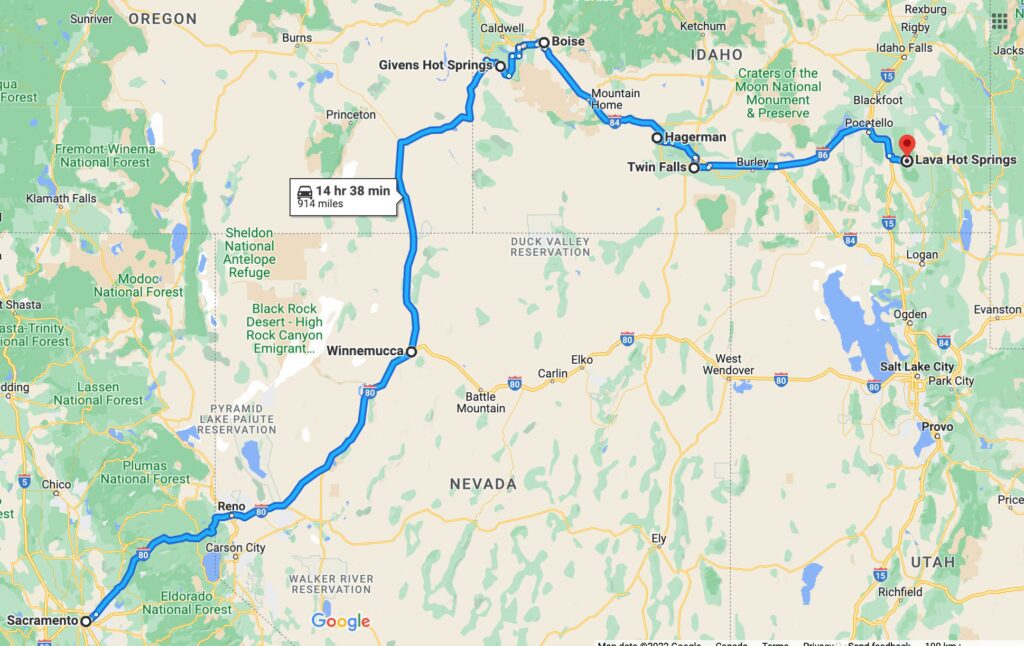
- Route Overview: From California, take Interstate 15 North through Nevada and Utah, then connect to Interstate 84 East or Interstate 86 East to reach Idaho, eventually connecting to Interstate 15 North again or Interstate 90 East into Montana.
- Key States Traversed: California, Nevada, Utah, Idaho, Montana.
- Potential Stops/Detours:
- Nevada: While Las Vegas might be a detour for some, it’s a popular overnight stop. Otherwise, the desert landscapes provide a unique backdrop.
- Utah: Salt Lake City offers cultural sites like Temple Square and is a gateway to several national parks if you have extra time. The Great Salt Lake is also a distinctive landmark.
- Idaho: After Utah, you’ll pass through southern Idaho via Pocatello or Idaho Falls, which are good places for a rest stop before heading north into Montana.
- Montana: This route often leads towards destinations like Bozeman or Butte, and provides easier access to Yellowstone National Park’s western and northern entrances.
Planning Your Interstate Adventure
Regardless of your chosen mode of transportation, thoughtful planning will enhance your travel experience from California to Montana.
Best Time to Travel
- Summer (June to August): This is peak tourist season, especially for Montana’s national parks like Glacier National Park and Yellowstone National Park. The weather is generally warm and sunny, ideal for outdoor activities, but expect crowds and higher prices for accommodations and flights. Road conditions are typically excellent.
- Spring (April to May) & Fall (September to October): These shoulder seasons offer a wonderful balance. The weather is milder, crowds are thinner, and prices are often lower. Fall colors in Montana are particularly stunning, while spring brings blooming wildflowers. Be mindful that some higher mountain passes or park roads might still be closed in early spring or begin to close in late fall due to snow.
- Winter (November to March): Driving in winter can be challenging due to snow and ice, especially in the mountain passes of Oregon, Washington, Idaho, and Montana. Flights can be affected by winter storms. However, winter in Montana offers unique opportunities for skiing, snowboarding, and other winter sports, often with fewer tourists.
Essential Packing and Preparation
- For Road Trips:
- Vehicle Maintenance: Ensure your car is in top condition: check tires, oil, fluids, and brakes.
- Emergency Kit: Pack a first-aid kit, jumper cables, flashlight, blankets, non-perishable food, and water.
- Navigation: While GPS is standard, consider a physical map as a backup, especially in remote areas with spotty cell service.
- Entertainment: Audiobooks, podcasts, and curated playlists are essential for long stretches of driving.
- Comfort: Bring pillows, snacks, and drinks to avoid frequent stops.
- For Air Travel:
- Identification: Valid ID (driver’s license or passport) is crucial for airport security.
- Medication: Keep essential medications in your carry-on.
- Comfort Items: A neck pillow, headphones, and a good book or tablet can make the flight more enjoyable.
- Layered Clothing: Montana weather can change rapidly, even in summer, so dress in layers.
Traveling from California to Montana is more than just covering a distance; it’s an opportunity to witness the incredible geographic diversity of the American West. Whether you choose the immersive experience of a road trip or the efficiency of a flight, understanding the logistical details will pave the way for a smooth and memorable adventure.
LifeOutOfTheBox is a participant in the Amazon Services LLC Associates Program, an affiliate advertising program designed to provide a means for sites to earn advertising fees by advertising and linking to Amazon.com. Amazon, the Amazon logo, AmazonSupply, and the AmazonSupply logo are trademarks of Amazon.com, Inc. or its affiliates. As an Amazon Associate we earn affiliate commissions from qualifying purchases.