
Embarking on a journey from the vibrant urban landscape of San Francisco to the serene coastal beauty of Monterey is a quintessential California experience. While the exact distance can vary slightly depending on your chosen route, this popular travel segment typically spans approximately 110 to 120 miles. The travel time, a critical consideration for any itinerary, generally falls between two to two-and-a-half hours without significant traffic delays, offering a perfect opportunity for a day trip or a longer, leisurely escape. Understanding the various routes, modes of transport, and key attractions along the way is crucial for planning an efficient and memorable adventure to this charming Central Coast destination.
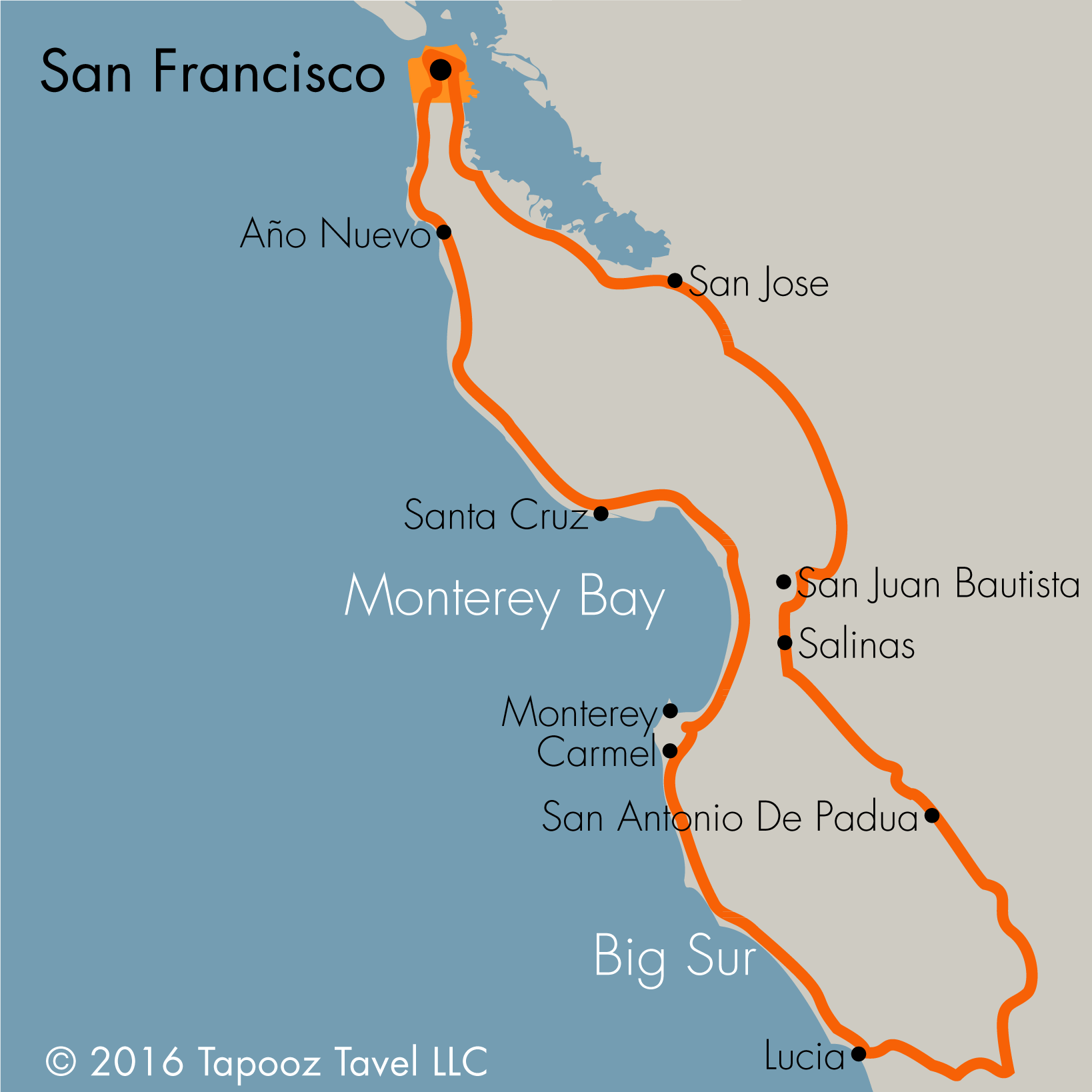
Navigating the Journey: Distance and Driving Routes
The primary consideration for travelers is often the quickest and most direct path from San Francisco to Monterey. The most common route involves a combination of major highways, offering a balance of speed and accessibility, but discerning travelers might opt for a more scenic, albeit longer, alternative.
The Efficient Inland Route
The fastest way to reach Monterey from San Francisco involves utilizing US-101 South for the majority of the trip. This route takes you through the heart of the San Francisco Bay Area and the Santa Clara Valley, bypassing the more winding coastal roads.
- Segment 1: US-101 South: From San Francisco, you’ll merge onto US-101 South, heading past cities like San Jose and Gilroy. This portion is largely multi-lane freeway, designed for higher speeds, making it the most time-efficient segment.
- Segment 2: CA-156 West to CA-1 South: After approximately 80-90 miles on US-101, you’ll take Exit 336 for CA-156 West towards Monterey. CA-156 will lead you directly to CA-1 (also known as Highway 1), where you’ll head south for the final stretch into Monterey. This transition marks the shift from inland travel to the iconic coastal highway.
- Distance: Approximately 110-115 miles.
- Driving Time: 2 to 2.5 hours under normal conditions.
The Picturesque Coastal Route
For travelers who prioritize scenic beauty over speed, a portion of CA-1 offers an unparalleled experience, though it adds both distance and driving time.
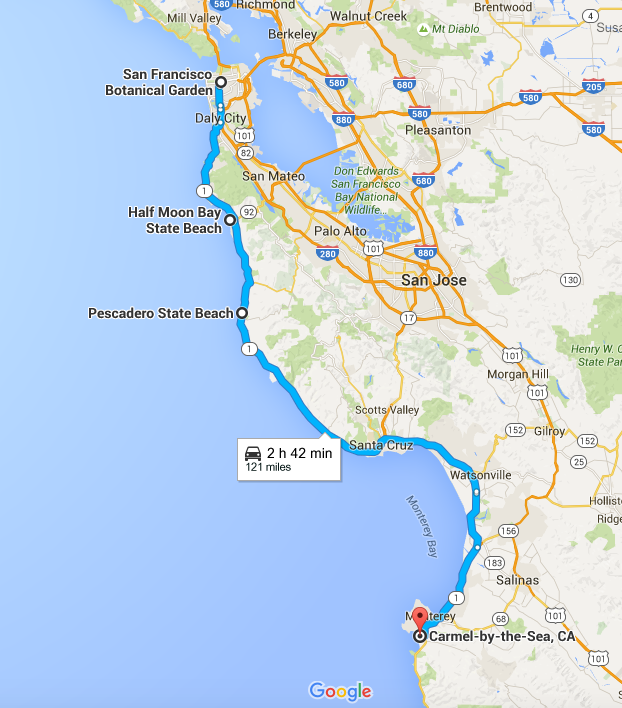
- Starting on CA-1 South: Instead of merging onto US-101, you can take CA-1 directly out of San Francisco. This route meanders along the Pacific Ocean coastline, treating you to breathtaking views, dramatic cliffs, and charming beach towns.
- Notable Stops: Along this route, you’ll pass through idyllic spots like Half Moon Bay, Pescadero, and the vibrant surf town of Santa Cruz with its famous Boardwalk. Each offers unique opportunities for photos, stretching your legs, or grabbing a bite to eat.
- Continuing to Monterey: From Santa Cruz, you continue south on CA-1 through Capitola and Moss Landing before arriving in Monterey.
- Distance: Approximately 120-130 miles.
- Driving Time: 3 to 3.5 hours or more, depending on stops and traffic. This route is often slower due to winding roads and lower speed limits in scenic areas.
Choosing Your Mode of Transport
While driving offers the most flexibility, several other transportation options cater to different preferences and budgets, each with its own advantages and considerations for a journey from San Francisco to Monterey.
Driving: The Preferred Option
For most visitors, driving remains the optimal choice. The ability to explore beyond Monterey’s immediate confines, such as venturing to Carmel-by-the-Sea, taking the scenic 17-Mile Drive in Pebble Beach, or even continuing south towards Big Sur, makes a personal vehicle almost indispensable. Car rental agencies are abundant in San Francisco, including at San Francisco International Airport (SFO) and downtown locations. Travelers should factor in parking costs, which can vary in Monterey’s popular areas like Cannery Row and Fisherman’s Wharf.
Public Transportation: Buses and Trains
While less direct than driving, public transport offers a relaxing alternative, allowing passengers to enjoy the scenery without the stress of navigation.
- Bus Services:
- Greyhound: Offers direct bus service from San Francisco to Monterey. The journey typically takes around 3-4 hours, with varying schedules and fares. It’s a cost-effective option for budget-conscious travelers.
- Amtrak Thruway Bus: For those preferring a train-bus combination, Amtrak provides a ‘Thruway Bus’ service that connects to its rail lines. Travelers would typically take an Amtrak train from San Francisco to San Jose Diridon Station, then transfer to an Amtrak Thruway Bus directly to Monterey. This multi-modal approach can take approximately 3-4 hours, offering comfortable seating and scenic views of the Santa Clara Valley.
- Train (Indirect): There is no direct train service from San Francisco to Monterey. As mentioned, the closest you can get by rail is San Jose, requiring a bus transfer for the remainder of the journey.
Private Shuttles and Rideshares
For convenience and direct service, especially for groups or those with specific time constraints, private shuttle services or rideshares (like Uber or Lyft) are available. These options are significantly more expensive than public transport or driving a rental car but offer door-to-door service and flexibility. The cost can range from $150-$300 or more, depending on the service and demand.
Why Visit Monterey? Unveiling the Coastal Charms
Beyond the logistics of getting there, the primary motivation for most travelers is the allure of Monterey itself. This captivating city on Monterey Bay boasts a rich history, vibrant marine life, and a plethora of activities that cater to diverse interests.
Iconic Attractions
- Monterey Bay Aquarium: World-renowned for its innovative exhibits and conservation efforts, the Monterey Bay Aquarium is a must-visit. Its stunning displays of local marine life, including sea otters, jellies, and a massive kelp forest, provide an immersive experience for all ages.
- Cannery Row: Immortalized by John Steinbeck, Cannery Row has transformed from a bustling sardine canning district into a lively hub of shops, restaurants, and hotels. It’s perfect for a leisurely stroll, souvenir shopping, and enjoying fresh seafood with bay views.
- Fisherman’s Wharf: Offering a more traditional wharf experience, Fisherman’s Wharf is famous for its seafood eateries, clam chowder in sourdough bowls, and opportunities for whale watching tours. You can often spot sea lions basking in the sun or swimming nearby.
- Old Monterey: Explore the historic adobes and buildings that tell the story of California’s early days. The Monterey State Historic Park offers guided tours, revealing the city’s past as the capital of Alta California under Spanish and Mexican rule.
Outdoor Activities and Natural Beauty
- Whale Watching: Monterey Bay is a marine sanctuary, making it one of the best places in the world for whale watching. Depending on the season, you can spot gray whales, humpbacks, orcas, and blue whales, along with dolphins and other marine mammals.
- Kayaking and Paddleboarding: Rent a kayak or paddleboard and explore the calm waters of Monterey Bay. It’s a fantastic way to get up close with sea otters and harbor seals in their natural habitat.
- Cycling: The Monterey Bay Coastal Recreation Trail offers miles of paved path perfect for cycling, running, or walking, stretching from Pacific Grove through Monterey to Castroville.
- 17-Mile Drive: A short drive from Monterey, this scenic toll road winds through the exclusive communities of Pebble Beach and Pacific Grove, offering stunning coastal views, iconic cypress trees, and glimpses of world-famous golf courses.
Planning Your Trip: Essential Tips
A well-planned trip ensures maximum enjoyment and minimizes potential frustrations. Consider these tips for a smooth journey to Monterey.
Best Time to Travel
- Weather: Monterey enjoys a mild climate year-round, but late spring (April-May) and early fall (September-October) typically offer the clearest skies and warmest temperatures, avoiding the “June Gloom” or “Fogust” that can blanket the coast.
- Crowds: Summer months (June-August) and holiday weekends see the largest crowds, particularly at popular attractions like the Monterey Bay Aquarium and Cannery Row. Traveling during weekdays or the shoulder seasons can provide a more relaxed experience.
Traffic Considerations
Traffic can significantly impact travel time, especially when departing San Francisco or passing through San Jose.
- Rush Hour: Avoid traveling during peak rush hour (7-9 AM and 4-6 PM) on weekdays, particularly on US-101 through the Bay Area.
- Weekends: While weekday rush hour is a primary concern, weekend traffic, especially on Friday evenings and Sunday afternoons, can also cause delays as many locals and tourists head to and from coastal destinations.
What to Pack
The coastal weather in Monterey can be unpredictable, even on sunny days. Layered clothing is always recommended. Bring a light jacket or sweater, even in summer, as temperatures can drop quickly, especially in the evenings or when near the water. Comfortable walking shoes are essential for exploring the city’s attractions.
Booking in Advance
For popular attractions like the Monterey Bay Aquarium, particularly during peak season, booking tickets online in advance is highly recommended to secure your entry and avoid long queues. If you plan to go whale watching, reserving a spot on a tour boat is also advisable.
The journey from San Francisco to Monterey is more than just a matter of distance; it’s an opportunity to experience the diverse beauty of California’s landscape. Whether you choose the quick efficiency of the inland route or the leisurely charm of the coastal drive, the destination promises an enriching and unforgettable travel experience.
LifeOutOfTheBox is a participant in the Amazon Services LLC Associates Program, an affiliate advertising program designed to provide a means for sites to earn advertising fees by advertising and linking to Amazon.com. Amazon, the Amazon logo, AmazonSupply, and the AmazonSupply logo are trademarks of Amazon.com, Inc. or its affiliates. As an Amazon Associate we earn affiliate commissions from qualifying purchases.