
The journey between Los Angeles and Monterey represents one of the most iconic travel corridors in the United States. Spanning the heart of the Golden State, this trip transitions travelers from the sprawling metropolitan energy of Southern California to the rugged, mist-covered cliffs of the Central Coast. Whether you are planning a rapid transit for business or a leisurely coastal odyssey, understanding the geography, distance, and diverse routes is essential for a successful California adventure.
Physically, the distance between these two points ranges from approximately 320 to 350 miles, depending on the path selected. However, in the world of California travel, distance is often measured in hours rather than miles, as traffic patterns and terrain play a significant role in the duration of the trip. This guide explores the various ways to bridge the gap between the “City of Angels” and the historic “Cradle of History.”
Mapping the Journey: Primary Routes and Distances
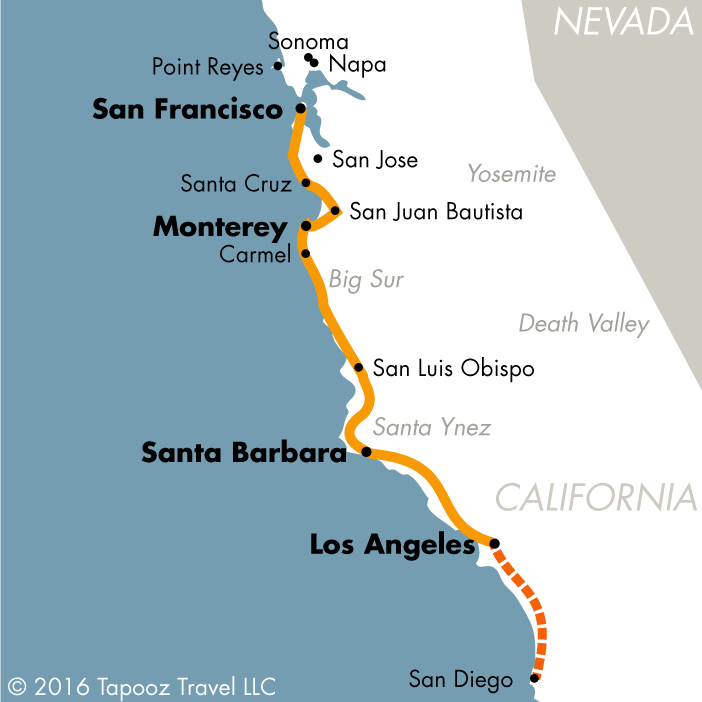
When determining how far Monterey is from Los Angeles, the answer depends entirely on your priority: speed or scenery. The state’s infrastructure offers three distinct pathways, each providing a unique perspective on the California landscape.
The Efficiency of the Inland Route via Interstate 5
For those whose primary goal is to reach Monterey as quickly as possible, Interstate 5 serves as the main artery. This route takes you north through the Tejon Pass and into the vast agricultural expanse of the Central Valley. While this path covers roughly 330 miles, it is often the fastest because it avoids the winding coastal roads.
Travelers will eventually exit the interstate and head west through the Pacheco Pass or toward Salinas to reach the coast. This route is ideal for those moving for work or looking to maximize their time specifically within Monterey Bay, though it lacks the ocean vistas associated with the region.
The Classic Coastal Experience on US Route 101
The US Route 101 offers a middle ground between speed and aesthetics. Covering approximately 325 miles, this route winds through rolling hills, famous vineyards, and charming coastal cities. It is the most common choice for travelers who want a comfortable drive with plenty of opportunities for high-quality dining and sightseeing without the extreme time commitment of the shoreline highway.
Driving the US Route 101 allows you to bypass the heavy commercial traffic of the Central Valley while still maintaining a steady pace. You will pass through the Santa Ynez Valley and the oak-studded landscapes of Paso Robles, offering a quintessential California backdrop.
The Scenic Majesty of Highway 1
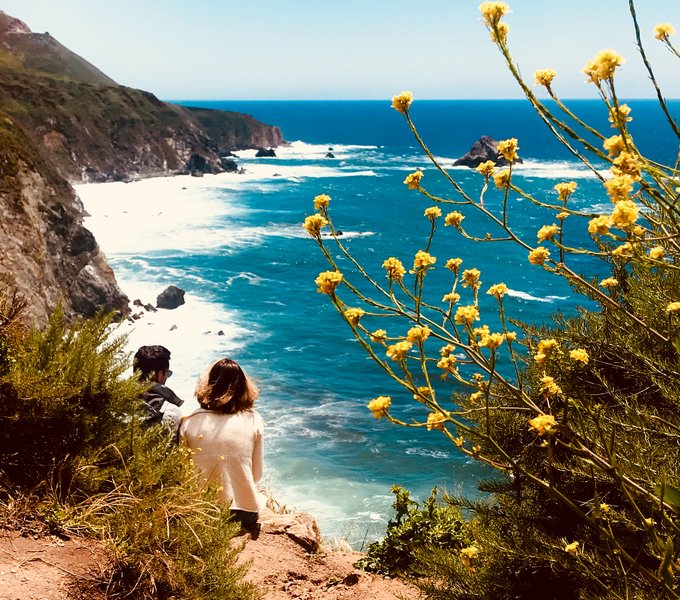
If the journey itself is the destination, then Highway 1, also known as the Pacific Coast Highway, is the premier choice. While this is technically the shortest distance in terms of pure mileage in some sections, it is the longest in terms of time. The road hugs the Pacific Ocean, requiring drivers to navigate narrow curves and steep grades.
This route takes you through the legendary Big Sur coastline. Because of the technical nature of the driving and the frequent stops to admire landmarks like the Bixby Creek Bridge, a trip from Los Angeles to Monterey via the Pacific Coast Highway can easily take 8 to 10 hours.
Essential Waypoints and Cultural Stops
The “how far” aspect of this trip is often punctuated by the incredible stops along the way. Breaking up the drive allows travelers to experience the cultural diversity of the Central Coast.
Mediterranean Vibes in Santa Barbara
Often referred to as the “American Riviera,” Santa Barbara is located about 95 miles north of Los Angeles. It serves as the perfect first stop for breakfast or a walk along Stearns Wharf. The Spanish Colonial Revival architecture and the backdrop of the Santa Ynez Mountains provide an immediate sense of escape from the urban density of Southern California.
Danish Charm in Solvang
Located just a short detour from US Route 101, the village of Solvang offers a unique cultural experience. Founded by Danish immigrants, the town features traditional windmills, bakeries serving authentic aebleskiver, and thatched-roof buildings. It is a whimsical stop that feels worlds away from the standard California aesthetic.
San Luis Obispo and the Central Coast Hub
Roughly halfway through the journey lies San Luis Obispo. This vibrant college town is home to Mission San Luis Obispo de Tolosa and the quirky Bubblegum Alley. Nearby, the coastal communities of Pismo Beach and Avila Beach offer beautiful dunes and mineral springs, making this region a logical place for an overnight stay if you are taking a multi-day approach to the trip.
Transportation Methods: Beyond the Private Car
While driving is the most popular way to navigate the distance between Los Angeles and Monterey, it is certainly not the only option. Depending on your budget and desire for relaxation, other modes of transport offer different advantages.
Riding the Rails: The Amtrak Coast Starlight
For a truly stress-free journey, the Amtrak Coast Starlight provides a spectacular alternative. The train departs from Union Station in Los Angeles and travels north toward Salinas, which is the nearest major rail hub to Monterey.
From Salinas, a quick connecting bus or rideshare completes the final 20 miles to the Monterey peninsula. The train offers observation cars with floor-to-ceiling windows, allowing passengers to see stretches of the coastline that are inaccessible by car. It is an ideal choice for those who want to witness the beauty of California without the burden of navigating traffic.
Air Travel: Connecting the Hubs
If time is of the essence, flying is the fastest method. Travelers can fly from Los Angeles International Airport to Monterey Regional Airport. The actual flight time is often less than an hour. While you miss out on the roadside attractions, this is the most efficient way to travel for those heading to major events like the Monterey Jazz Festival or the Pebble Beach Concours d’Elegance.
Timing Your Trip: Seasonal Considerations
The distance between Los Angeles and Monterey remains the same year-round, but the experience of traveling it changes significantly with the seasons.
Navigating the Summer Fog and Crowds
Summer is the peak travel season for the Central Coast. During these months, many travelers from the hot interior of California flock to Monterey for its cool, maritime climate. However, travelers should be aware of “June Gloom,” a phenomenon where thick marine layer fog blankets the coast, sometimes obscuring the views along Highway 1. Traffic is also at its heaviest during this time, particularly around Santa Barbara and Ventura.
Winter Whale Watching and Clear Skies
Interestingly, winter and early spring can be some of the best times to make the trip. The air is often crisper and clearer, providing better visibility for the coastal vistas. This is also the prime season for whale watching in Monterey Bay, as Gray Whales migrate south. Travelers should keep an eye on weather reports, as heavy winter rains can occasionally cause landslides in the Big Sur area, leading to temporary closures of Highway 1.
The Charm of the Shoulder Seasons
Autumn is perhaps the most underrated time for the drive. The summer crowds have thinned, the weather remains mild, and the vineyards in regions like San Luis Obispo and Carmel Valley begin to show their fall colors. This season offers the best balance of manageable traffic and pleasant temperatures for outdoor activities like hiking in Point Lobos State Natural Reserve.
Arrival in Monterey: The Final Stretch
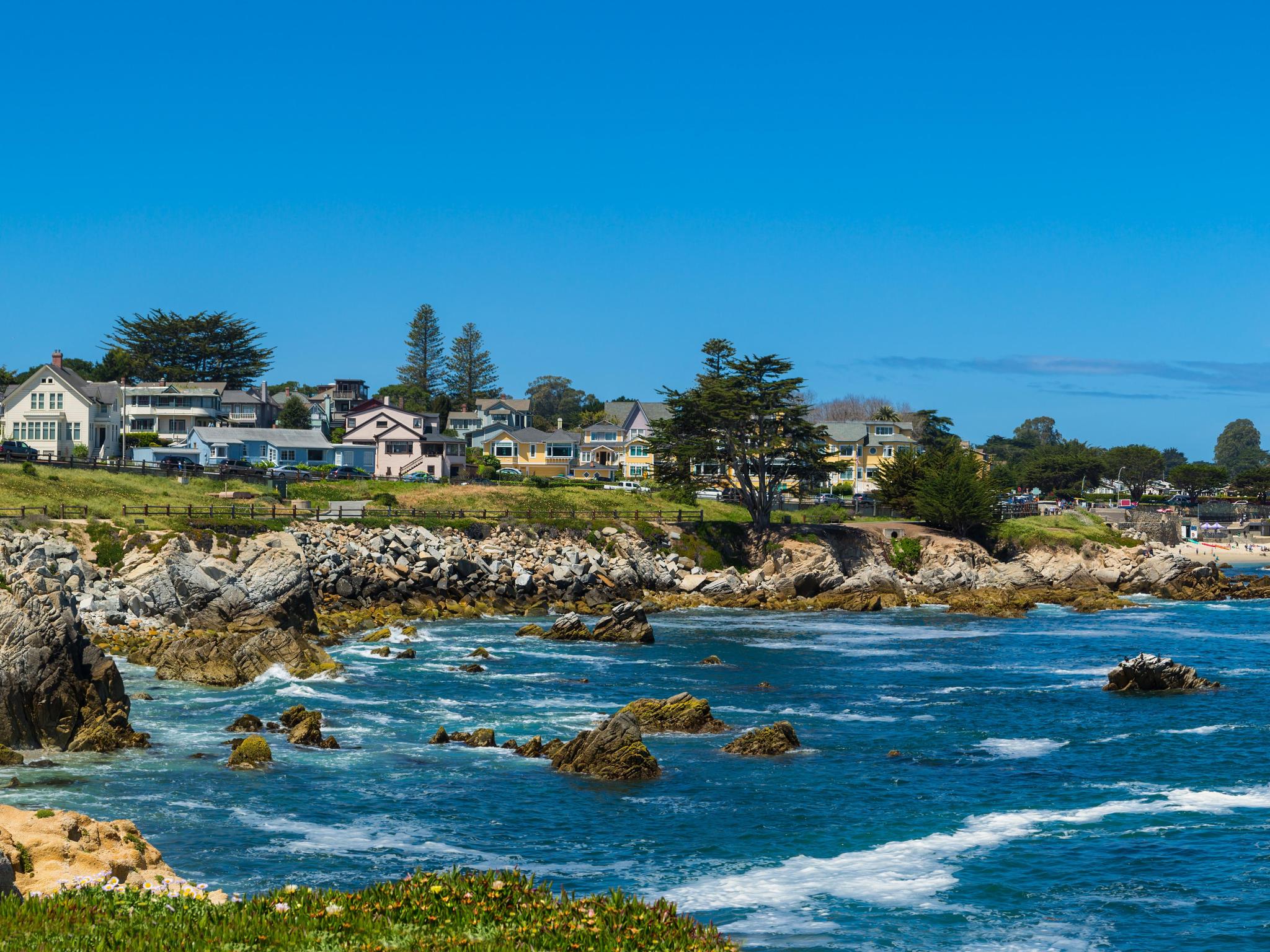
As you approach the end of your 300-plus mile journey, the air turns salty and the landscape shifts toward the iconic cypress trees and rugged granite of the peninsula. Whether you arrive via the high-speed US Route 101 or the dramatic Pacific Coast Highway, the transition into Monterey is unmistakable.
Once there, the treasures of the region await, from the world-renowned Monterey Bay Aquarium to the historic charm of Cannery Row. The distance from Los Angeles may seem substantial, but the change in atmosphere—from the fast-paced life of a global megacity to the contemplative beauty of the Pacific Ocean—makes every mile worth the effort. By choosing the route that best fits your travel style, the journey from Los Angeles to Monterey becomes more than just a transit; it becomes a highlight of your California experience.
LifeOutOfTheBox is a participant in the Amazon Services LLC Associates Program, an affiliate advertising program designed to provide a means for sites to earn advertising fees by advertising and linking to Amazon.com. Amazon, the Amazon logo, AmazonSupply, and the AmazonSupply logo are trademarks of Amazon.com, Inc. or its affiliates. As an Amazon Associate we earn affiliate commissions from qualifying purchases.