
Embarking on a journey from the vibrant urban landscape of San Francisco to the serene coastal beauty of Monterey is a quintessential California experience, offering a blend of iconic sights, breathtaking nature, and cultural richness. While the two cities feel worlds apart in their atmosphere, they are, in fact, conveniently connected, making a day trip or an extended stay in Monterey a highly popular choice for travelers. The question of “How far is Monterey from San Francisco?” goes beyond mere mileage; it encompasses the various travel options, the scenic routes available, and the wealth of attractions awaiting discovery, transforming a simple distance into an exciting travel narrative. This guide delves into the practicalities of the journey, explores the alluring destinations along the way, and provides insights into making your visit to Monterey truly unforgettable.
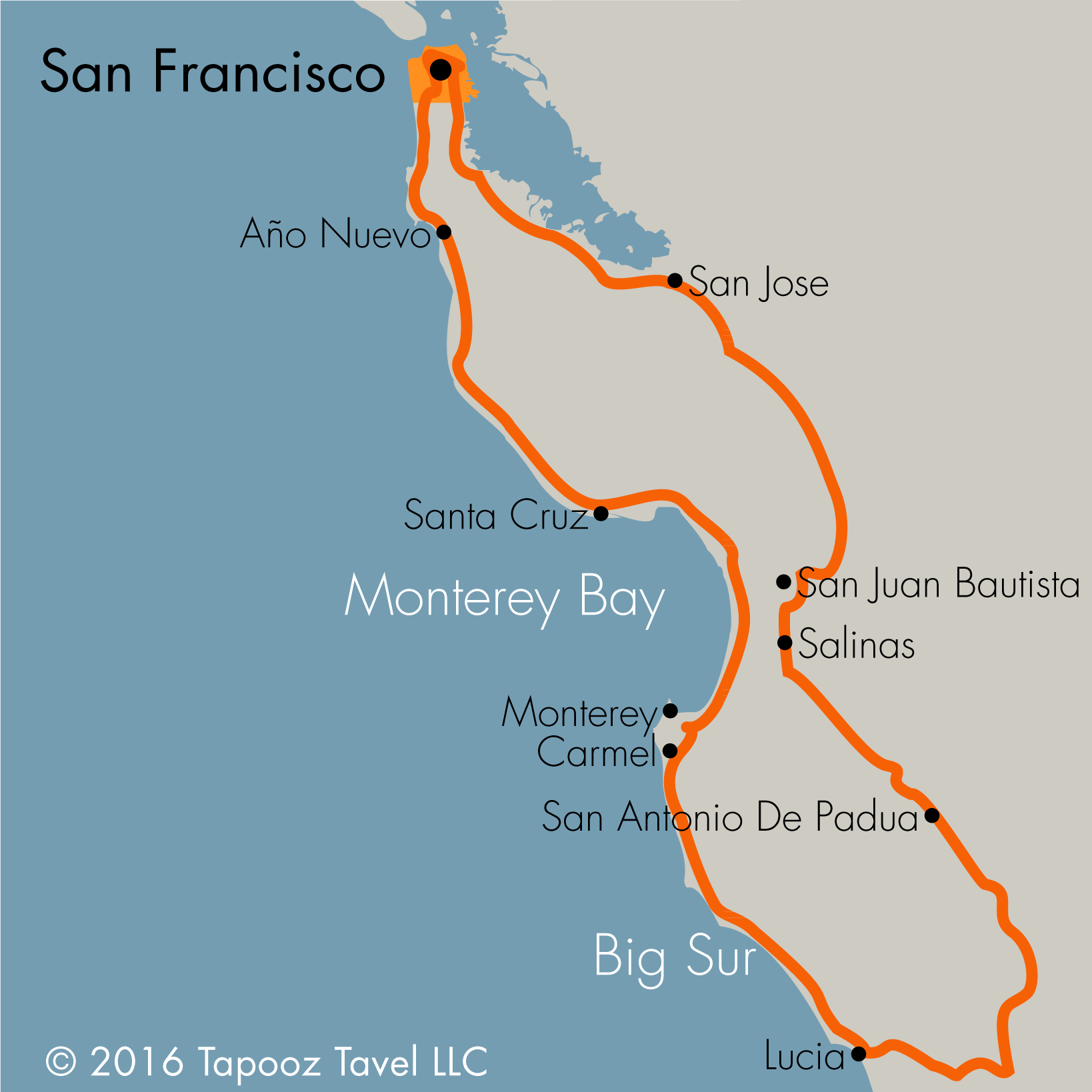
The Journey Between San Francisco and Monterey: Distance and Travel Time
The direct distance between San Francisco and Monterey is approximately 100 to 120 miles, depending on the specific starting and ending points within each city and the chosen route. While this might seem like a considerable distance, it’s perfectly manageable for a road trip, typically taking between 1.5 to 2.5 hours by car under ideal traffic conditions. However, “ideal conditions” in California, especially around major metropolitan areas like San Francisco and San Jose, can be elusive. Factors such as rush hour traffic, construction, or unexpected events can extend travel times, sometimes significantly.
Understanding the various routes is key to planning your trip, whether you prioritize speed, scenery, or a mix of both. Each path offers a distinct experience, catering to different travel preferences and allowing for unique opportunities to explore California’s diverse landscapes.
Driving Routes: Speed vs. Scenery
When driving from San Francisco to Monterey, you essentially have two primary options: the efficient inland route or the picturesque coastal drive.
The fastest and most direct route typically involves taking US-101 S. This freeway is the backbone of California’s coastal corridor and offers the quickest way to cover the distance. Beginning in San Francisco, you’ll head south through the Silicon Valley region, passing through cities like San Jose. While not the most scenic, this route is ideal for those on a tight schedule or looking to get to Monterey without much fanfare. Expect the drive to take approximately 1 hour and 45 minutes to 2 hours, barring heavy traffic, especially during weekday commutes. This option is particularly favored by business travelers or those with limited time for sightseeing en route.
For travelers who prefer the journey to be as memorable as the destination, the scenic coastal route via CA-1 S, also known as the Pacific Coast Highway (PCH), is an unparalleled experience. This route is longer, covering closer to 120-130 miles, and can take anywhere from 2.5 to 4 hours or more, depending on how many stops you make. The PCH winds along California’s dramatic coastline, offering continuous breathtaking views of the Pacific Ocean, rugged cliffs, and charming seaside towns. Along this route, you might consider detours to places like Santa Cruz with its famous boardwalk, or further south into the majestic Big Sur region, home to the iconic Bixby Bridge. This route embodies the essence of a California road trip, providing ample opportunities for photography, nature walks, and immersing yourself in the state’s natural beauty. It’s important to note that sections of CA-1 S can occasionally be affected by weather-related closures or roadwork, particularly in the Big Sur area, so checking road conditions before you depart is always recommended.
Public Transportation Options
While driving offers flexibility, public transportation is a viable and often more relaxing alternative for those who prefer not to drive or wish to minimize their environmental footprint. Several options connect San Francisco and Monterey.
Bus services are generally the most direct public transit option. Companies like Greyhound and FlixBus operate routes between San Francisco and Monterey, or nearby cities like Salinas, with connections to Monterey. The bus journey can take approximately 3 to 4 hours, depending on the number of stops and traffic. While often the most budget-friendly, bus travel may lack the scenic charm of a coastal drive.
Train travel is also possible, though it requires a connection. Amtrak‘s San Joaquins route offers service from the Bay Area to Salinas. From Salinas, travelers can connect via a dedicated Amtrak Thruway bus service or local public transport (Monterey-Salinas Transit – MST) to reach Monterey. This multi-modal journey typically takes longer, often 4 to 5 hours in total, but offers a comfortable and scenic ride through California’s agricultural heartland before reaching the coast. It’s an excellent option for travelers who enjoy the romance of rail travel and don’t mind a longer, more relaxed pace.
Why Monterey is a Must-Visit Destination
Beyond just answering “How far is Monterey from San Francisco?”, it’s crucial to understand why this coastal city consistently ranks high on traveler itineraries. Monterey is much more than a quaint seaside town; it’s a destination rich in history, natural beauty, and vibrant marine life, offering a diverse array of attractions and experiences for every type of visitor. From its bustling Fisherman’s Wharf to its world-renowned Monterey Bay Aquarium, the city captures the essence of California’s central coast. Its appeal lies in its ability to blend educational opportunities with outdoor adventures, fine dining with casual charm, and historical preservation with modern tourism.
Top Attractions and Activities in Monterey
Monterey’s charm is undeniable, with numerous points of interest that draw millions of visitors annually.
The Monterey Bay Aquarium stands as the city’s crown jewel. Situated at the end of Cannery Row, this internationally acclaimed institution is dedicated to marine research and conservation, showcasing the incredible biodiversity of Monterey Bay and beyond. Visitors can marvel at majestic sea otters, giant Pacific octopuses, mesmerizing jellyfish, and the vast open sea exhibit, which provides a window into the deep-sea ecosystem. It’s an inspiring and educational experience for all ages, offering a profound connection to the ocean.
Just a short stroll from the aquarium is Cannery Row, famously immortalized by author John Steinbeck. Once the heart of Monterey’s sardine canning industry, today it’s a lively district filled with unique boutiques, art galleries, diverse restaurants, and vibrant nightlife, all housed within historic canning factories. It’s a perfect spot for souvenir shopping, enjoying a meal with ocean views, or simply soaking in the area’s rich history.
For a taste of classic coastal California, Fisherman’s Wharf (often referred to as Old Fisherman’s Wharf) is a must-visit. Here, the aroma of clam chowder and fresh seafood fills the air. You can watch local fishermen bring in their daily catch, indulge in delectable seafood at one of the many restaurants, browse charming shops, or embark on a Whale Watching tour. Monterey Bay is renowned as one of the best places in the world for Whale Watching, with humpbacks, gray whales, blue whales, and orcas frequenting its nutrient-rich waters throughout the year.
Exploring Beyond Monterey: Coastal Gems
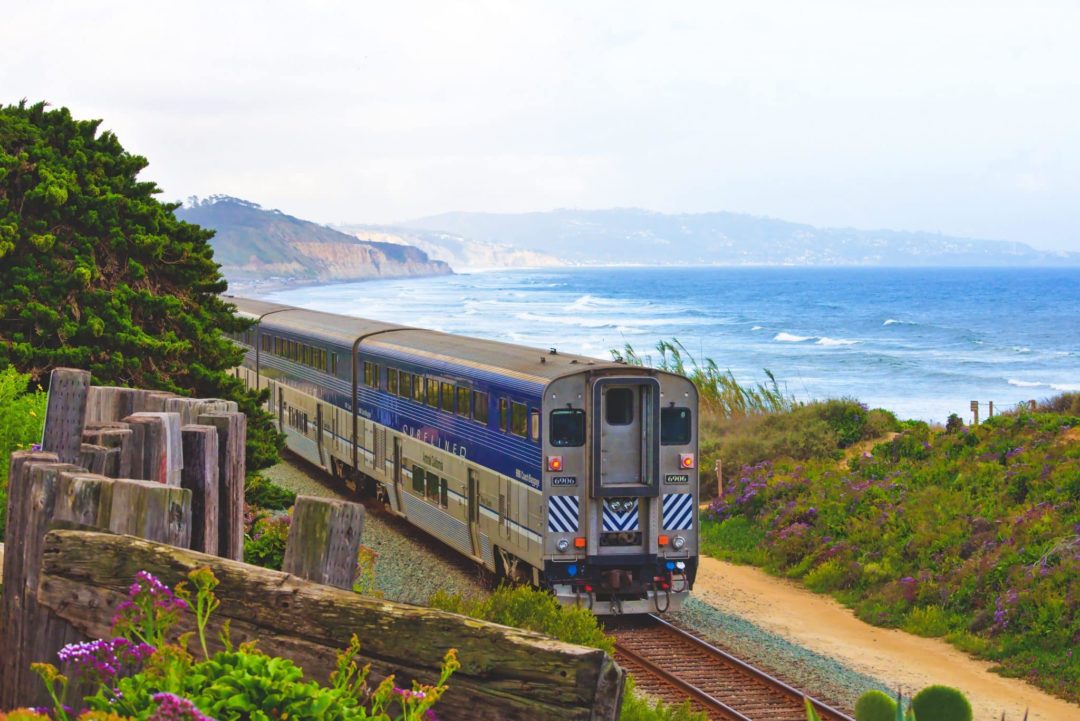
The allure of the Monterey region extends well beyond the city limits, inviting travelers to explore a collection of nearby coastal gems that collectively define the central coast experience.
One of the most iconic drives in the world, the 17-Mile Drive, is an absolute highlight. This privately owned scenic toll road winds through the exclusive communities of Pebble Beach and Pacific Grove, offering unparalleled views of the dramatic coastline, pristine golf courses (including the legendary Pebble Beach Golf Links), and the iconic Lone Cypress tree, a resilient sentinel standing solitary on a rocky perch for over 250 years. The drive features numerous pull-offs and viewpoints, perfect for photography and enjoying the natural splendor.
Adjacent to Pebble Beach lies the picturesque village of Carmel-by-the-Sea. Known for its fairytale-like cottages, art galleries, boutique shops, and pristine white sands of Carmel Beach, Carmel offers a distinctly European charm. It’s a delightful place to wander, explore independent art studios, enjoy a gourmet meal, or simply relax by the ocean. The town also boasts the historic Carmel Mission Basilica Museum, offering a glimpse into California’s Spanish colonial past.
Further south, for those who truly embrace adventure and wild landscapes, a trip into Big Sur is a transformative experience. While a full exploration of Big Sur might require an extra day, even a short drive south on CA-1 S past Carmel will bring you to stunning viewpoints like Point Lobos State Natural Reserve, often referred to as “the crown jewel of the State Park system,” where you can hike amidst cypress groves and observe sea lions and otters. The rugged coastline, towering redwoods, and isolated beaches of Big Sur represent California’s wild heart and are a testament to the diverse natural wonders found just a short distance from Monterey.
Accommodation and Lifestyle: Making Your Stay in Monterey Memorable
For many, the trip from San Francisco to Monterey is more than just a quick drive; it’s an opportunity for a true getaway, embracing a slower pace of life and indulging in the region’s offerings. This is where the choice of accommodation and engagement with the local lifestyle play a pivotal role in shaping the overall travel experience. Monterey caters to a wide spectrum of travelers, from those seeking luxury resorts and romantic inns to families looking for comfortable and convenient lodging, and even budget-conscious adventurers.
Where to Stay in Monterey: A Range of Choices
Monterey boasts a diverse portfolio of hotels, resorts, and unique accommodations, ensuring there’s something to suit every preference and price point. Many visitors prioritize locations near key attractions like Cannery Row and Fisherman’s Wharf for easy access to dining, shopping, and the Monterey Bay Aquarium.
For a truly luxurious and indulgent stay, options like the Monterey Plaza Hotel & Spa offer opulent amenities, exquisite dining, and unparalleled oceanfront views directly on Cannery Row. Imagine waking up to the sound of waves and enjoying breakfast overlooking the Monterey Bay – an experience that defines luxury travel. Another excellent high-end choice is the Hotel Pacific, known for its spacious suites and a tranquil garden setting just steps from Fisherman’s Wharf and downtown Monterey.
Mid-range options are plentiful and often provide excellent value without compromising on comfort or location. The Spindrift Inn, also on Cannery Row, offers charming rooms, many with fireplaces and bay views, creating a cozy and romantic atmosphere. The Portola Hotel & Spa at Monterey Bay, located near the wharf and the Monterey Conference Center, is ideal for both leisure and business stays, featuring a full-service spa and multiple dining venues. For those prioritizing wellness, the Hyatt Regency Monterey Hotel and Spa, set on 22 acres of lush grounds with a golf course, offers a resort-like feel slightly removed from the bustling waterfront but easily accessible.
Budget travel is also achievable in Monterey, with numerous motels and smaller hotels located slightly away from the prime waterfront areas, particularly along Fremont Street. These options provide clean, comfortable rooms, allowing travelers to allocate more of their budget towards experiences and activities. When considering accommodation, it’s always wise to check reviews and compare options thoroughly, especially when booking during peak seasons.
Culinary Delights and Local Culture
Monterey’s tourism scene is deeply intertwined with its rich culinary landscape and vibrant local culture. Given its coastal location, fresh seafood is, unsurprisingly, a cornerstone of Monterey’s dining experience. From classic clam chowder in a sourdough bread bowl on Fisherman’s Wharf to upscale farm-to-table seafood at Cannery Row establishments, the options are endless. Don’t miss trying local specialties like Dungeness crab and fresh Pacific rockfish.
Beyond seafood, the region boasts an impressive wine tasting scene. The nearby Salinas Valley and Carmel Valley are home to numerous vineyards and tasting rooms, producing award-winning Pinot Noir, Chardonnay, and other varietals. Many downtown Monterey and Carmel-by-the-Sea establishments feature these local wines, offering a taste of the region’s agricultural bounty.
Monterey’s local culture is also steeped in history, evidenced by its historic adobes and mission. The city hosts various festivals and events throughout the year, celebrating everything from jazz music to Monterey’s maritime heritage. Art galleries abound, particularly in Carmel, showcasing local talent and international works. Engaging with these aspects of Monterey offers a deeper understanding of its unique identity and enhances the overall travel experience.

Planning Your Trip: Essential Tips for a Seamless Experience
To truly make the most of your journey from San Francisco to Monterey and your stay there, thoughtful planning is essential. Considering a few key tips can help ensure a seamless, enjoyable, and memorable experience.
Best Time to Visit: Monterey enjoys a mild climate year-round, but generally, the spring (April-May) and fall (September-October) offer the most pleasant weather with fewer crowds. Summers (June-August) are popular for family trips and offer great Whale Watching opportunities, but you can expect more fog (“June Gloom”) and higher prices for accommodation and attractions. Winters are cooler and wetter but often bring clear, crisp days and excellent chances for storm-watching or solitude.
Packing Essentials: Regardless of the season, packing layers is crucial for Monterey. Coastal weather can change rapidly, with cool mornings and evenings even on warm days. A light jacket or sweater, comfortable walking shoes, and perhaps a hat for sun protection are always recommended. If you plan to hike or engage in outdoor activities like kayaking, pack appropriate gear.
Booking in Advance: Especially if you plan to visit during peak season (summer, holidays, or major events like the Monterey Jazz Festival or Pebble Beach Concours d’Elegance), it is highly advisable to book your accommodation, popular restaurant reservations, and tickets for attractions like the Monterey Bay Aquarium well in advance. This not only secures your spot but can also save you time and sometimes money. For luxury resorts or boutique hotels, early booking is often essential.
Consider a Multi-Day Trip: While a quick day trip from San Francisco is certainly feasible, a multi-day stay allows for a much more immersive and relaxed exploration of Monterey and its surrounding areas. With so much to see and do – from diving into marine life at the aquarium, strolling along Cannery Row, driving the 17-Mile Drive, to enjoying the charm of Carmel-by-the-Sea and the rugged beauty of Big Sur – rushing through it all would be a disservice to the destination. A minimum of two full days, and ideally three or more, will enable you to savor the unique blend of nature, history, and culture that the Monterey Peninsula offers.
In conclusion, the journey from San Francisco to Monterey is more than just covering a distance of approximately 100 to 120 miles. It’s an invitation to experience the diverse beauty of California’s central coast. Whether you opt for the speedy inland freeway or the scenic Pacific Coast Highway, the destination promises an abundance of attractions, diverse accommodation options, and a rich local culture waiting to be explored. By planning ahead and embracing the journey, your trip to Monterey will undoubtedly be a cherished travel memory.
LifeOutOfTheBox is a participant in the Amazon Services LLC Associates Program, an affiliate advertising program designed to provide a means for sites to earn advertising fees by advertising and linking to Amazon.com. Amazon, the Amazon logo, AmazonSupply, and the AmazonSupply logo are trademarks of Amazon.com, Inc. or its affiliates. As an Amazon Associate we earn affiliate commissions from qualifying purchases.